
Stomach pain can range from mild discomfort to severe pain that affects your daily life.
While occasional stomach pain often resolves on its own, persistent or recurring symptoms may point to an underlying digestive condition that requires medical attention.
A stomach pain specialist doctor has the expertise to diagnose the root cause of abdominal pain and recommend the most appropriate treatment based on your symptoms and medical history.
Many people ignore stomach pain or rely on home remedies without knowing the actual cause.
This approach can delay proper diagnosis and allow certain conditions to become more serious.
Whether the pain is caused by acid reflux, gastritis, ulcers, gallstones, irritable bowel syndrome, inflammatory bowel disease, or another digestive disorder, early medical evaluation can improve outcomes and reduce complications.
This comprehensive guide explains when to see a specialist, how stomach pain is diagnosed, common causes, available treatments, and practical tips for maintaining long-term digestive health.
Featured Snippet
A stomach pain specialist doctor is a medical expert who diagnoses and treats abdominal pain caused by digestive system disorders.
Most patients with persistent stomach pain are referred to a gastroenterologist, who evaluates symptoms using physical examinations, laboratory tests, imaging, and endoscopy to identify the underlying cause and recommend personalized treatment.
What Is a Stomach Pain Specialist Doctor?
A stomach pain specialist doctor focuses on identifying and treating conditions that affect the stomach and digestive tract.
In most cases, this specialist is a gastroenterologist for stomach pain, a physician trained in diseases involving the stomach, intestines, liver, pancreas, gallbladder, and esophagus.
Instead of treating only the symptom of pain, the specialist works to identify its source.
Since stomach pain can originate from several organs within the abdomen, accurate diagnosis is essential before treatment begins.
The digestive system functions as a connected network. A problem in one organ may produce symptoms elsewhere in the abdomen.
This is why professional evaluation is often necessary when pain becomes persistent, severe, or recurrent.
Why Seeing a Specialist Matters
Abdominal pain is one of the most common reasons people visit healthcare providers.
While many cases result from temporary digestive upset, others may indicate serious conditions requiring prompt medical care.
A specialist offers several advantages over self-treatment.
- Accurate diagnosis using advanced medical evaluation
- Early detection of digestive diseases before complications develop
- Personalized treatment based on the underlying condition
- Access to specialized diagnostic procedures such as endoscopy
- Long-term management plans for chronic digestive disorders
Receiving the correct diagnosis early often reduces unnecessary medications, repeated clinic visits, and prolonged discomfort.
Common Causes of Stomach Pain
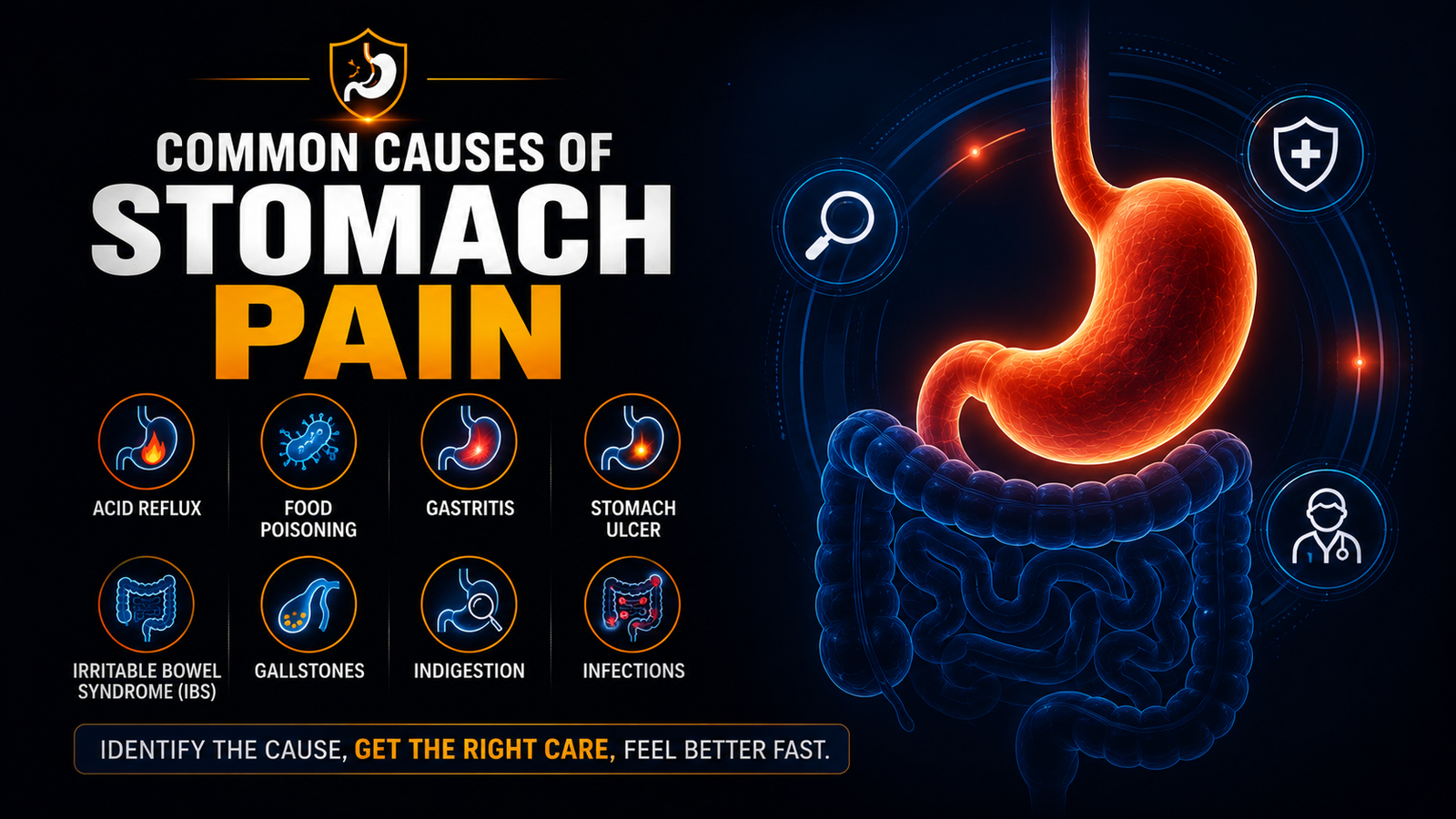
Stomach pain has many possible causes. Some are temporary, while others require ongoing medical care.
Condition | Common Symptoms | Typical Severity | Medical Attention |
Gastritis | Burning pain, nausea | Mild to Moderate | Usually recommended |
Peptic Ulcer | Upper abdominal pain, bloating | Moderate | Yes |
Acid Reflux (GERD) | Heartburn, chest discomfort | Mild to Moderate | If persistent |
Irritable Bowel Syndrome (IBS) | Cramping, bloating, bowel changes | Variable | Yes |
Gallstones | Right upper abdominal pain | Moderate to Severe | Prompt evaluation |
Pancreatitis | Severe upper abdominal pain | Severe | Emergency |
Appendicitis | Lower right abdominal pain | Severe | Emergency |
Food Poisoning | Cramping, diarrhea, vomiting | Mild to Severe | Depends on severity |
Types of Specialists Who May Treat Stomach Pain
Different healthcare professionals may become involved depending on the cause of your symptoms.
Primary Care Physician
A family physician often performs the initial evaluation and treats common digestive problems. If symptoms continue, referral to a specialist may be recommended.
Gastroenterologist
A digestive health specialist for stomach pain has advanced training in digestive diseases and performs specialized diagnostic procedures, including upper endoscopy and colonoscopy.
For persistent digestive symptoms, the best doctor for stomach pain treatment is often a gastroenterologist because of their focused expertise.
General Surgeon
Some abdominal conditions eventually require surgery. Examples include appendicitis, gallstones, bowel obstruction, and certain hernias.
Hepatologist
When liver disease contributes to abdominal pain, a hepatologist may become involved in diagnosis and treatment.
Symptoms That Should Never Be Ignored
The severity of stomach pain does not always reflect the seriousness of the condition.
Even moderate discomfort can signal an illness that requires medical attention.
Seek Medical Evaluation If You Experience
- Persistent stomach pain lasting several days
- Severe or sudden abdominal pain
- Pain accompanied by fever
- Vomiting blood or passing black stools
- Unexplained weight loss
- Difficulty swallowing
- Ongoing nausea and vomiting
- Blood in the stool
- Yellowing of the skin or eyes
- Pain that repeatedly returns after meals
These symptoms may indicate ulcers, gastrointestinal bleeding, liver disease, gallbladder disorders, inflammatory bowel disease, or other significant digestive conditions.
How a Gastroenterologist Diagnoses Stomach Pain
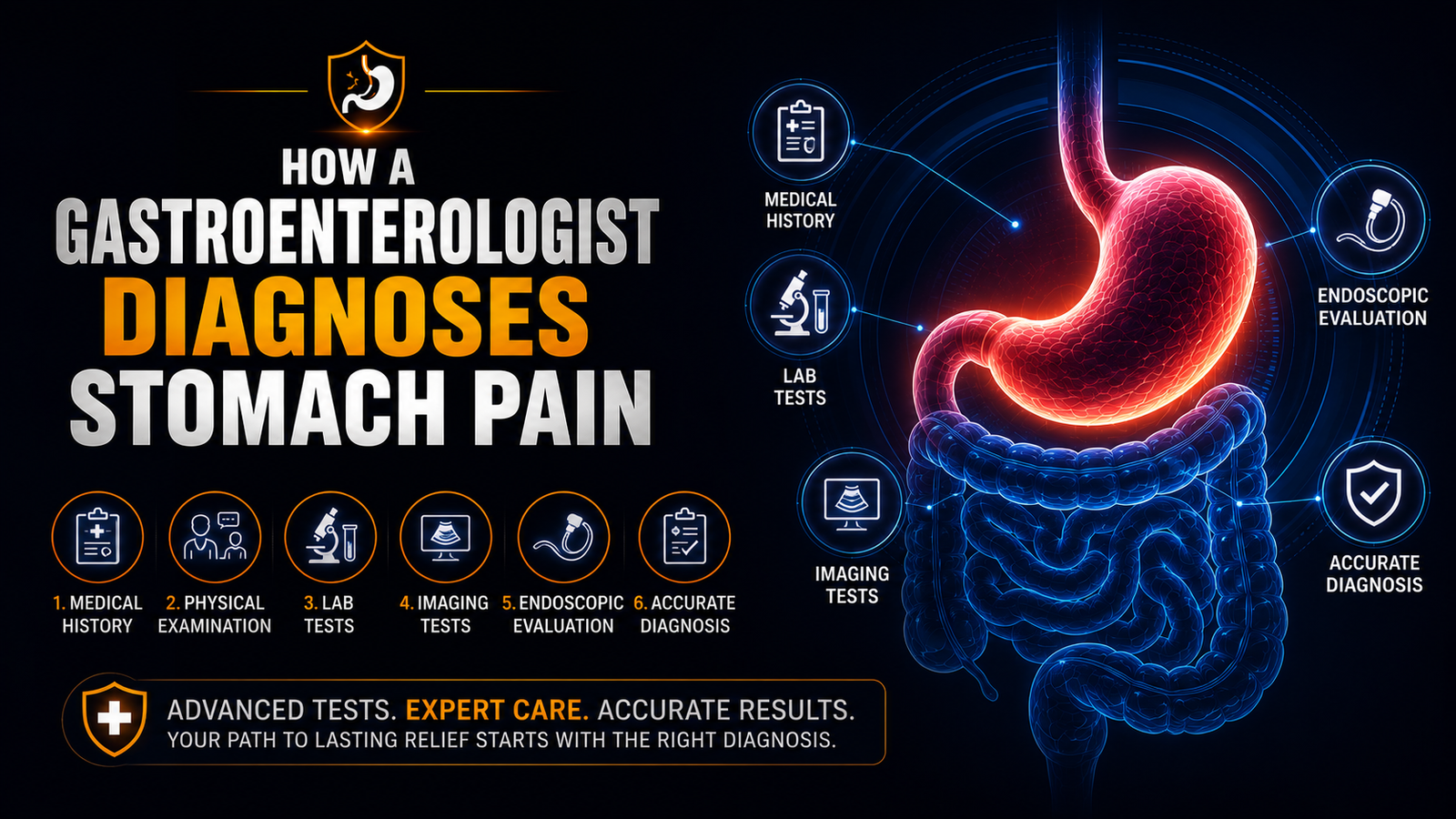
Diagnosing abdominal pain requires a structured medical approach rather than relying only on symptoms.
The specialist begins by reviewing your medical history.
You may be asked when the pain started, its exact location, whether eating affects the pain, and whether symptoms occur alongside vomiting, diarrhea, constipation, bloating, or fever.
A physical examination follows to identify tenderness, swelling, or other signs of digestive disease.
Depending on the findings, additional testing may be recommended.
Diagnostic Tests That May Be Recommended
- Blood tests to detect infection, inflammation, anemia, or liver disease.
- Stool tests to identify infection, bleeding, or digestive disorders.
- Ultrasound to evaluate the liver, gallbladder, pancreas, and kidneys.
- CT scan for a detailed view of abdominal organs.
- Upper endoscopy to examine the esophagus, stomach, and upper small intestine.
- Colonoscopy when lower digestive tract disease is suspected.
- Breath tests to detect Helicobacter pylori infection or certain digestive conditions.
Each test provides valuable information that helps the specialist identify the exact cause of abdominal pain and develop an effective treatment plan.
Common Conditions Treated by a Stomach Pain Specialist Doctor
A stomach pain specialist doctor in Karachi or any qualified gastroenterologist manages a wide range of digestive disorders.
Although many conditions share similar symptoms, each requires a different treatment plan.
Gastritis
Gastritis occurs when the stomach lining becomes inflamed.
Common causes include Helicobacter pylori infection, long-term use of pain-relieving medicines such as NSAIDs, excessive alcohol intake, or prolonged stress.
Symptoms may include:
- Burning stomach pain
- Nausea
- Loss of appetite
- Indigestion
- Feeling full after eating a small meal
Most cases improve with medications that reduce stomach acid, treatment for bacterial infection when present, and dietary changes.
Peptic Ulcers
Peptic ulcers are sores that develop in the lining of the stomach or the first part of the small intestine.
They often cause burning pain that may improve or worsen after meals.
Without treatment, ulcers can lead to bleeding or perforation.
A gastroenterologist usually confirms the diagnosis through an upper endoscopy and recommends medications to promote healing.
Gastroesophageal Reflux Disease (GERD)
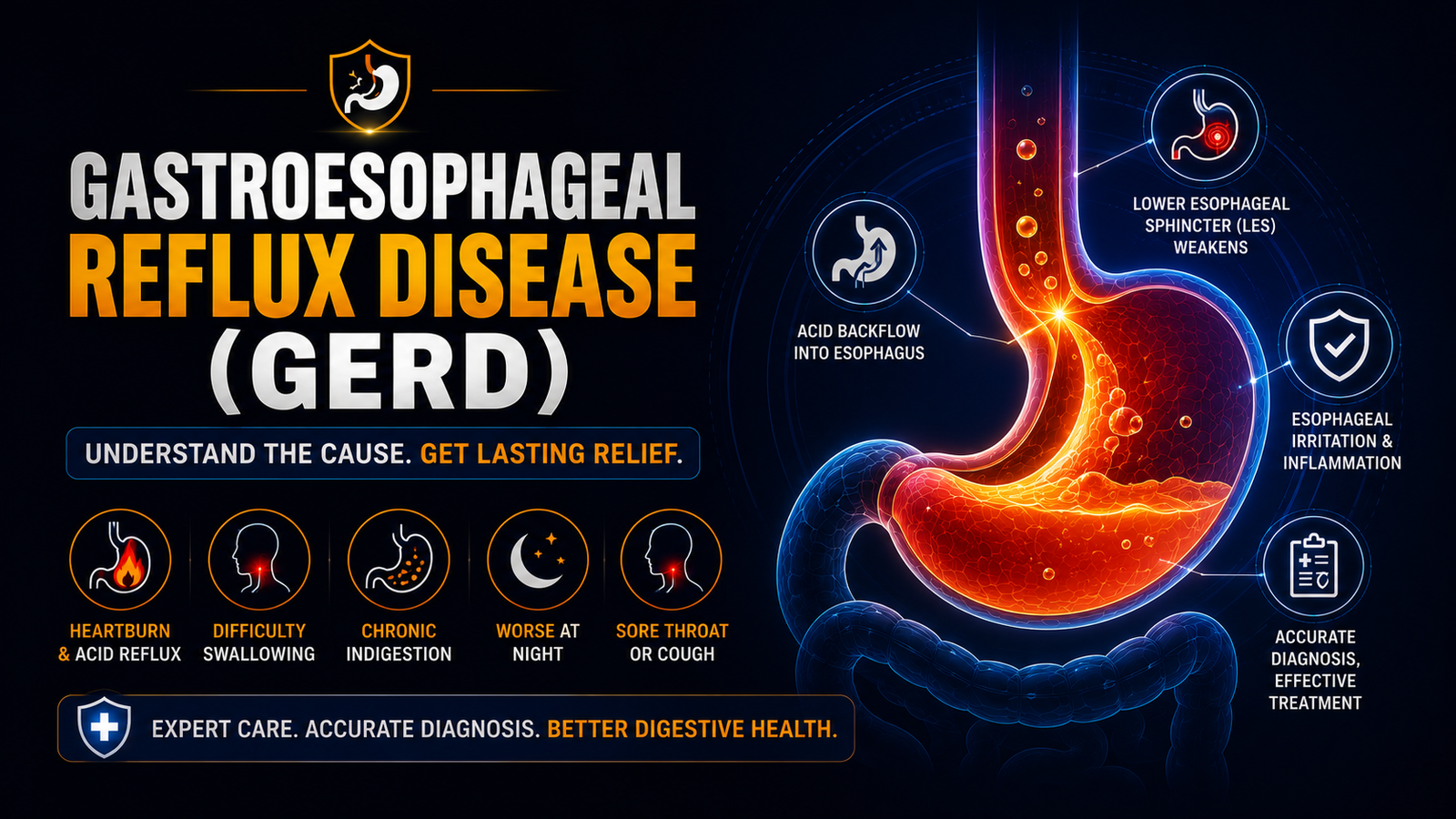
GERD develops when stomach acid repeatedly flows back into the esophagus.
Although heartburn is the most common symptom, many patients also report upper abdominal discomfort.
Treatment usually combines:
- Acid-reducing medication
- Weight management
- Avoiding trigger foods
- Lifestyle modifications
Irritable Bowel Syndrome (IBS)
IBS is a long-term disorder affecting the large intestine. Unlike inflammatory bowel disease, IBS does not damage the digestive tract, but it can significantly affect quality of life.
Common symptoms include:
- Abdominal cramps
- Bloating
- Constipation
- Diarrhea
- Changes in bowel habits
Treatment focuses on diet, stress management, and medications that target specific symptoms.
Inflammatory Bowel Disease (IBD)
Inflammatory bowel disease includes Crohn’s disease and ulcerative colitis. These conditions involve chronic inflammation of the digestive tract and require ongoing specialist care.
Patients may experience:
- Persistent abdominal pain
- Bloody diarrhea
- Fatigue
- Weight loss
- Fever
Early diagnosis helps reduce long-term complications.
Gallbladder Disease
Gallstones can block the normal flow of bile, causing sudden pain in the upper right abdomen that often occurs after fatty meals.
An abdominal ultrasound usually confirms the diagnosis, and some patients require surgical removal of the gallbladder.
Pancreatitis
Inflammation of the pancreas causes severe upper abdominal pain that may spread to the back.
Because pancreatitis can become life-threatening, immediate medical care is necessary.
Food Intolerance
Some individuals develop stomach pain after consuming dairy products, gluten, or other specific foods.
A digestive specialist can help identify food triggers through dietary evaluation and appropriate testing.
Treatment Options for Stomach Pain
Treatment depends entirely on the underlying diagnosis rather than the symptom alone.
A best doctor for stomach pain treatment creates an individualized care plan based on test results, overall health, and symptom severity.
Medications may include acid suppressants, antibiotics for bacterial infections, anti-inflammatory medicines, probiotics, digestive enzyme supplements, or medications that regulate bowel function.
For conditions such as gallstones, appendicitis, or severe ulcers with complications, surgery may be the safest option.
Many patients also benefit from nutrition counseling because dietary habits play a major role in digestive health.
Lifestyle Changes That Support Digestive Health
Good daily habits often improve digestive function and reduce recurring stomach pain.
Healthy Habits for Better Digestive Health
- Eat balanced meals at regular times instead of skipping meals.
- Drink enough water throughout the day.
- Include fiber-rich foods unless your doctor recommends otherwise.
- Limit very spicy, fried, and highly processed foods if they trigger symptoms.
- Exercise regularly to support healthy digestion.
- Maintain a healthy body weight.
- Avoid smoking and excessive alcohol consumption.
- Follow prescribed medications exactly as directed by your doctor.
Small lifestyle improvements often complement medical treatment and help prevent future digestive problems.
Common Mistakes People Make
Many people unintentionally delay recovery because they ignore symptoms or choose self-treatment.
One common mistake is taking painkillers repeatedly without identifying the real cause of stomach pain.
Certain medicines can actually worsen gastritis and stomach ulcers.
Another mistake is assuming that every episode of abdominal pain results from food poisoning or indigestion. Persistent pain deserves professional evaluation.
Some individuals stop prescribed medication as soon as symptoms improve. This can allow certain digestive diseases to return.
Ignoring warning signs such as unexplained weight loss, vomiting blood, persistent fever, or black stools may also delay treatment for serious conditions.
What Happens During Your First Appointment?
Visiting an abdominal pain specialist doctor is usually straightforward.
The doctor begins by asking detailed questions about your symptoms, eating habits, previous illnesses, medications, and family history.
Next comes a physical examination of the abdomen to identify tenderness, swelling, or abnormal findings.
If necessary, laboratory tests or imaging studies are ordered to confirm the diagnosis.
After reviewing the results, your specialist explains the condition, discusses treatment options, and develops a personalized care plan that may include medication, dietary changes, follow-up visits, or additional procedures.
Practical Example
Imagine a patient who experiences burning stomach pain after meals for several months.
They initially assume spicy food is the only cause and continue taking over-the-counter antacids.
When symptoms worsen, they visit a gastroenterologist for stomach pain. An upper endoscopy reveals a peptic ulcer caused by Helicobacter pylori.
After completing antibiotic therapy, using acid-suppressing medication, and making dietary adjustments, the patient’s symptoms gradually resolved.
This example highlights why identifying the actual cause is more effective than treating symptoms alone.
Expert Recommendations
Digestive specialists encourage patients to monitor recurring symptoms instead of ignoring them.
Keeping a record of when pain occurs, its location, food triggers, and associated symptoms can help the doctor reach a diagnosis more quickly.
Experts also recommend seeking medical care promptly if abdominal pain becomes severe, wakes you from sleep, or is associated with fever, vomiting, dehydration, or blood in the stool.
Early diagnosis often leads to simpler treatment, faster recovery, and a lower risk of complications.
Frequently Asked Questions
Which doctor should I see for persistent stomach pain?
If your stomach pain lasts for several days, keeps returning, or is accompanied by symptoms like nausea, vomiting, bloating, or changes in bowel habits, you should consult a gastroenterologist for stomach pain.
They specialize in diagnosing and treating disorders of the digestive system.
When should stomach pain be considered an emergency?
Seek immediate medical attention if stomach pain is severe or sudden, or if it occurs with high fever, vomiting blood, black stools, severe dehydration, difficulty breathing, or intense pain in the lower right abdomen.
These symptoms may indicate a serious medical condition.
What tests does a stomach pain specialist doctor perform?
Depending on your symptoms, a specialist may recommend blood tests, stool analysis, abdominal ultrasound, CT scan, upper endoscopy, colonoscopy, or breath tests to identify digestive disorders and determine the most appropriate treatment.
Can stress cause stomach pain?
Yes. Stress can contribute to digestive problems such as indigestion, acid reflux, irritable bowel syndrome (IBS), and functional abdominal pain. Managing stress alongside medical treatment may help reduce symptoms.
How can I prevent recurring stomach pain?
You can lower your risk by eating balanced meals, drinking enough water, limiting foods that trigger symptoms, avoiding smoking and excessive alcohol, staying physically active, managing stress, and following your doctor’s treatment plan if you have a diagnosed digestive condition.
Conclusion
Choosing the right stomach pain specialist doctor is an important step toward finding the real cause of persistent abdominal discomfort.
While occasional stomach pain may result from minor digestive issues, recurring or severe symptoms should never be ignored.
A qualified gastroenterologist can identify digestive disorders through a detailed medical evaluation and recommend treatments that address the underlying condition rather than only relieving symptoms.
Maintaining a balanced diet, staying physically active, managing stress, and seeking medical advice early can all contribute to better digestive health.
If stomach pain continues despite home care or is accompanied by warning signs such as fever, unexplained weight loss, persistent vomiting,
or blood in the stool, consult a healthcare professional promptly. Early diagnosis and appropriate treatment often lead to better outcomes and improved quality of life.