
A stomach specialist doctor, also known as a gastroenterologist, is a medical expert who diagnoses and treats disorders affecting the digestive system.
This includes the stomach, intestines, esophagus, liver, pancreas, gallbladder, and colon.
These specialists help patients manage conditions such as acid reflux, gastritis, peptic ulcers, irritable bowel syndrome (IBS), inflammatory bowel disease (IBD), chronic constipation, diarrhea, liver disease, and digestive infections.
If you frequently experience stomach pain, bloating, acidity, heartburn, nausea, or digestive discomfort, consulting a stomach specialist can help identify the root cause and prevent complications.
Why Is Digestive Health Important?
The digestive system plays a crucial role in nutrient absorption, immunity, metabolism, and overall health.
Poor digestive health can lead to:
- Chronic abdominal pain
- Acid reflux
- Nutritional deficiencies
- Unexplained weight loss
- Fatigue
- Bloating and gas
- Constipation
- Diarrhea
Early diagnosis by a digestive health specialist often leads to better treatment outcomes and faster recovery.
Symptoms That Indicate You Need a Stomach Specialist Doctor
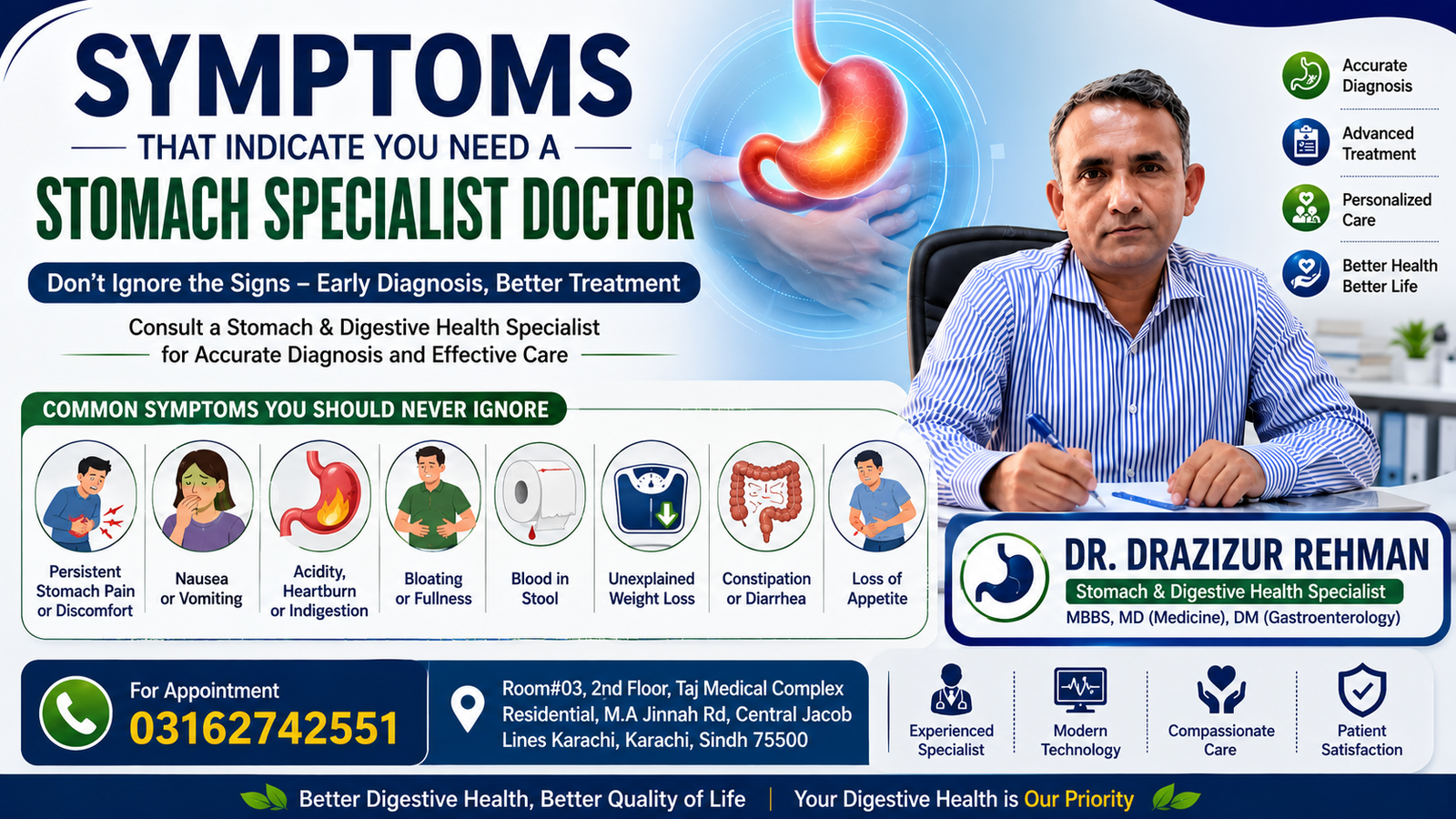
Many people ignore digestive symptoms until they become severe. However, persistent symptoms should never be overlooked.
Common Warning Signs
 Persistent stomach pain
- Chronic acidity
 Persistent stomach pain
- Frequent heartburn
- Difficulty swallowing
- Excessive gas and bloating
- Blood in stool
- Chronic constipation
- Persistent diarrhea
- Nausea and vomiting
- Unexplained weight loss
- Loss of appetite
- Black stools
- Severe abdominal cramps
If these symptoms continue for more than two weeks, seek professional medical evaluation.
Conditions Treated by a Stomach Specialist Doctor
A gastroenterology specialist diagnoses and treats a wide range of digestive disorders.
- Gastroesophageal Reflux Disease (GERD)
GERD occurs when stomach acid repeatedly flows back into the esophagus.
Symptoms include:
- Heartburn
- Chest burning
- Regurgitation
- Chronic cough
- Sore throat
- Gastritis
Gastritis refers to inflammation of the stomach lining.
Common causes include:
- H. pylori infection
- Excessive painkiller use
- Alcohol consumption
- Stress-related stomach irritation
- Peptic Ulcers
Peptic ulcers are painful sores that develop in the stomach or upper intestine.
Symptoms may include:
- Burning stomach pain
- Nausea
- Bloating
- Weight loss
- Irritable Bowel Syndrome (IBS)
IBS is one of the most common digestive disorders worldwide.
Symptoms include:
- Abdominal pain
- Gas and bloating
- constipation
- Diarrhea
- Inflammatory Bowel Disease (IBD)
IBD includes:
- Crohn’s Disease
- Ulcerative Colitis
These conditions require long-term specialist management.
- Liver Disorders
A stomach specialist doctor may also diagnose:
- Fatty liver disease
- Hepatitis B
- Hepatitis C
- Liver cirrhosis
What Causes Chronic Stomach Pain?
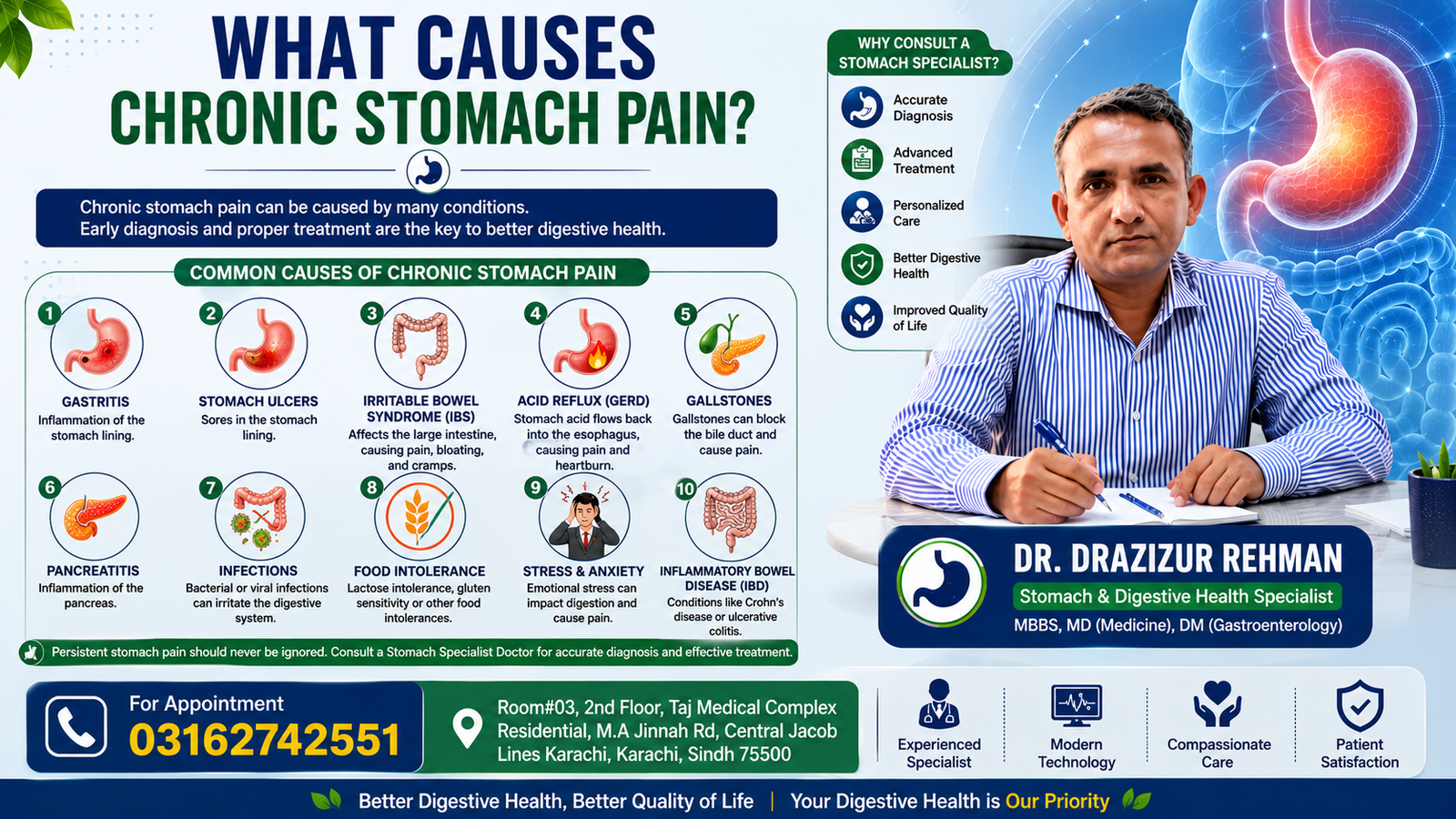
Chronic abdominal pain can develop due to various digestive disorders.
- Possible: Causes
- Cause: Symptoms
- Gastritis: Burning stomach pain
- GERD: Heartburn and acidity
- Gallstones: Right-sided abdominal pain
- IBS: Cramping and bloating
- Ulcers: Persistent stomach pain
- Food Intolerance: Gas and diarrhea
- Pancreatitis: Severe upper abdominal pain
Proper diagnosis is essential because similar symptoms may result from completely different conditions.
How Does a Gastroenterologist Diagnose Digestive Disorders?
A stomach specialist doctor uses advanced diagnostic tools to identify digestive diseases accurately.
Common Diagnostic Tests
Blood Tests
Used to detect:
- Infections
- Anemia
- Liver disease
- Inflammation
- Stool Analysis
Helps diagnose:
- Digestive infections
- Intestinal inflammation
- Hidden bleeding
- Ultrasound
Evaluates:
- Liver
- Gallbladder
- Pancreas
- Abdomen
- Endoscopy
Allows direct visualization of the:
- Esophagus
- Stomach
- Duodenum
- Colonoscopy
Used for:
- Colon cancer screening
- Polyps
- Colitis
- Chronic bowel symptoms
- CT Scan and MRI
Provide detailed internal imaging when necessary.
Benefits of Early Diagnosis
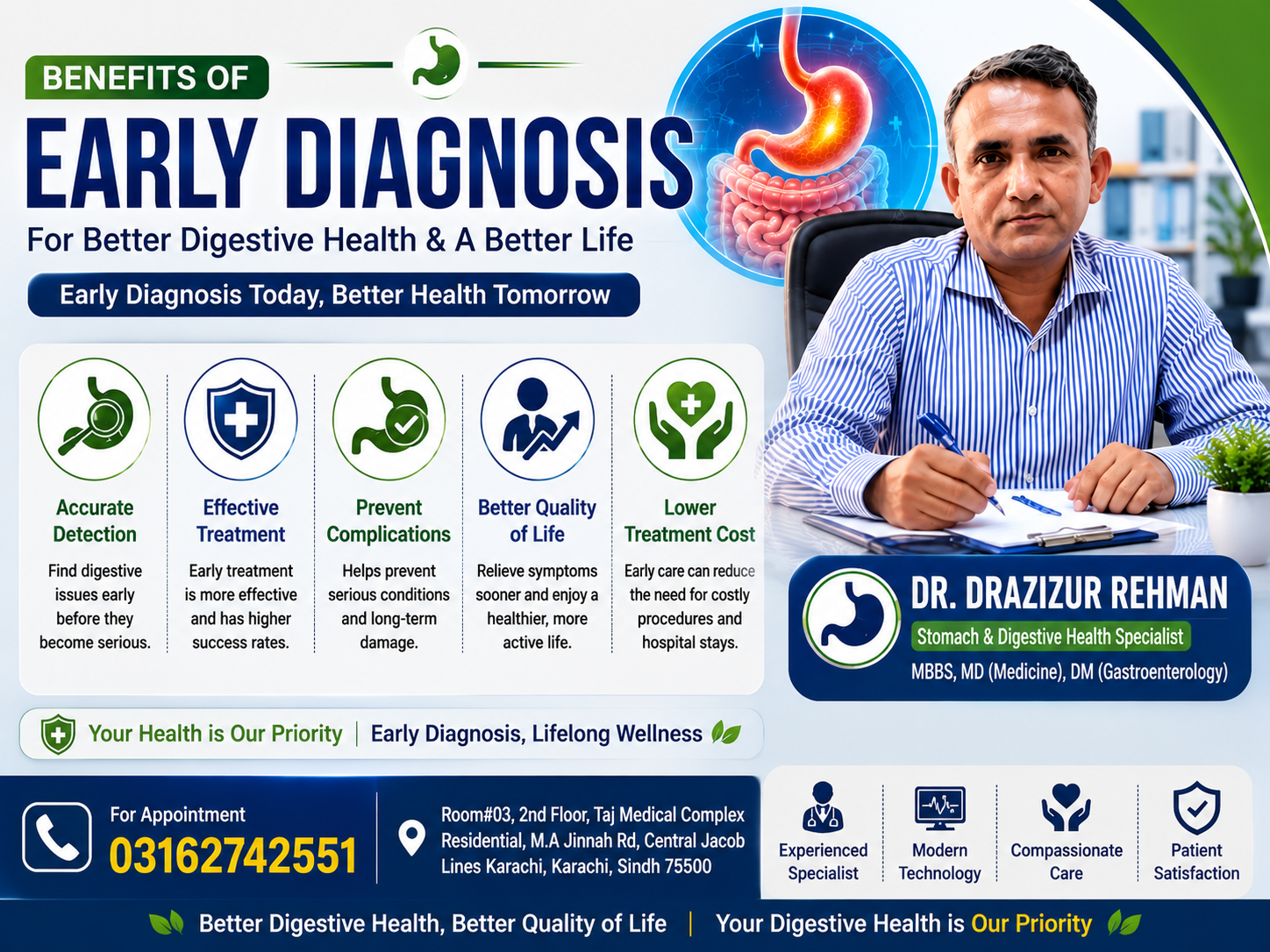
Early treatment significantly improves outcomes.
- Key Benefits
- Faster recovery
- Better symptom control
- Lower treatment costs
- Reduced complications
- Improved quality of life
- Early cancer detection
Ignoring digestive symptoms can lead to more serious health conditions.
Best Treatment Options for Digestive Disorders
Treatment depends on the underlying diagnosis.
- Medical Treatments
- Acid-reducing medications
- Antibiotics
- Anti-inflammatory drugs
- Probiotics
- Digestive enzyme supplements
- Lifestyle Modifications
- Healthy eating habits
- Weight management
- Stress reduction
- Smoking cessation
- Reduced alcohol intake
- Foods That Promote Better Digestive Health
- Recommended Foods
- Yogurt
- Bananas
- Oatmeal
- Apples
- Vegetables
- Whole grains
- Lean proteins
- Foods to Limit
- Fried foods
- Spicy foods
- Carbonated drinks
- Excess caffeine
- Processed foods
A balanced diet plays a major role in digestive health management.
How to Choose the Best Stomach Specialist Doctor
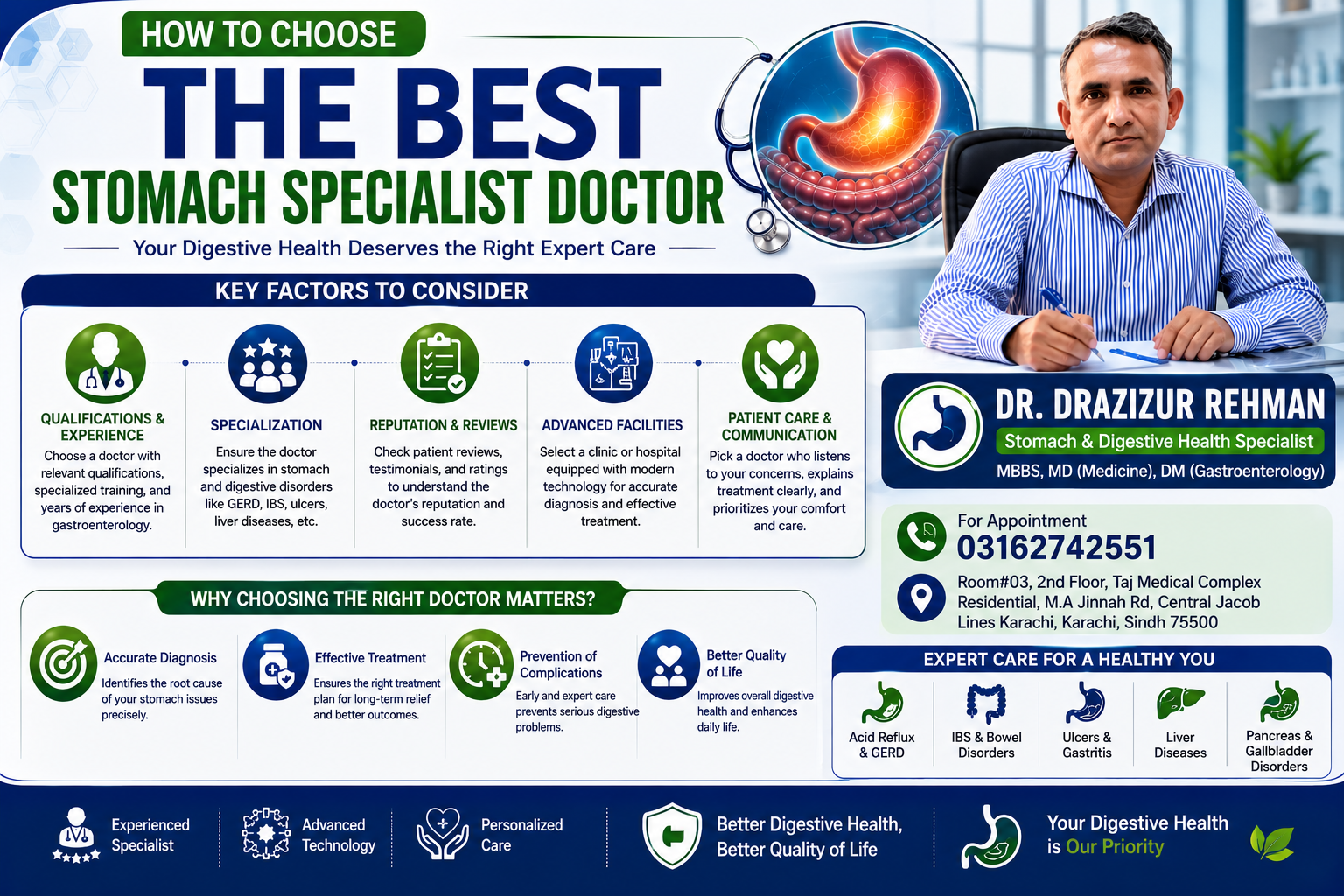
Selecting the right specialist can improve treatment success.
Consider:
- Board certification
- Clinical experience
- Patient reviews
- Hospital affiliation
- Diagnostic facilities
- Communication skills
A qualified stomach specialist doctor should provide personalized treatment plans based on individual needs.
Frequently Asked Questions
What is the difference between a stomach specialist doctor and a gastroenterologist?
There is no difference. A gastroenterologist is a stomach specialist doctor trained to diagnose and treat digestive system disorders.
Can stress cause stomach problems?
Yes. Stress can worsen acid reflux, IBS, bloating, indigestion, and abdominal discomfort.
When should I see a stomach specialist?
You should seek medical care if symptoms persist for more than two weeks or worsen over time.
What tests are used to diagnose digestive disorders?
Common tests include blood tests, stool analysis, ultrasound, endoscopy, colonoscopy, CT scans, and MRI.
Can digestive disorders be prevented?
Many digestive conditions can be prevented through healthy eating, regular exercise, stress management, proper hydration, and avoiding smoking.
Conclusion
A stomach specialist doctor plays a vital role in diagnosing, treating, and preventing digestive disorders.
Whether you are struggling with chronic stomach pain, acidity, bloating, constipation, GERD, ulcers, or liver disease, early medical evaluation can help identify the cause and improve long-term health outcomes.
Ignoring persistent digestive symptoms may lead to serious complications.
If you experience ongoing digestive discomfort, consult a qualified gastroenterologist and take proactive steps toward better digestive health and overall well-being.