
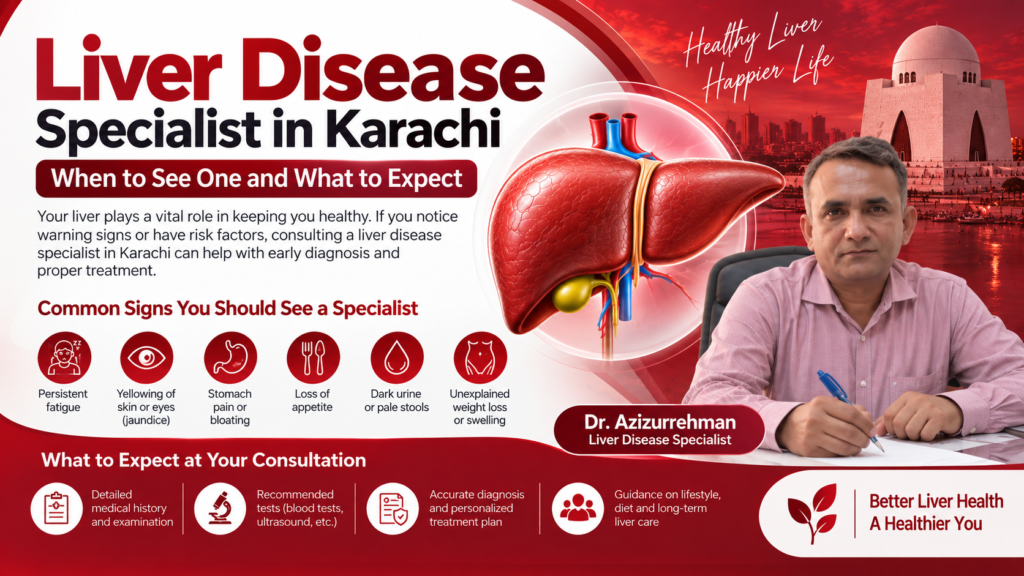
What Does a Liver Disease Specialist Do?
A liver disease physician assesses and treats liver, bile duct, and digestive system diseases.
This can be done by a gastroenterologist who specializes in liver diseases, or a hepatologist.
A liver test is not treated by a specialist. This is to determine the underlying cause of the liver damage and whether it is temporary, chronic, infectious, metabolic, secondary to medications, or due to a health condition.
The doctor might look at symptoms, medical history, medications taken, lifestyle, previous lab results, imaging results, and family history during an evaluation.
Further tests could be suggested if the initial information does not clearly show the cause.
For those looking for a liver disease specialist in Karachi, it is beneficial to take into account the doctor’s pertinent medical skills and whether the offered service matches the particular liver issue of the patient, instead of just relying on the claims made online.
Which Liver Conditions May Require Specialist Care?

Liver Disease describes a variety of different diseases. Some will be temporary, others long-term, some will be treatable, others will not.
Fatty Liver Disease
Fatty liver is when too much fat builds up in the cells of the liver. Although not all people with fatty liver have the same risk factors, it is often linked to metabolic issues like overweight, insulin resistance, type 2 diabetes, high cholesterol, and high blood pressure.
Others may not experience any symptoms. Some people may feel tiredness or discomfort in the upper right section of the abdomen.
Medical evaluation and tests can be used to check the liver for signs of inflammation or fibrosis.
Hepatitis
Hepatitis is an inflammation of the liver. Some individuals can develop chronic hepatitis B and C, which can cause liver damage over time.
These include alcoholic hepatitis, autoimmune hepatitis, and hepatitis caused by taking certain drugs or other diseases.
The cause is important because the treatment and monitoring vary in each of these conditions.
Liver Cirrhosis
The condition known as cirrhosis is a condition that develops when the liver has been damaged over a long period of time and causes extensive scarring of the liver.
The causes may be chronic viral hepatitis, alcohol associated liver disease, metabolic liver disease, autoimmune diseases and some inherited diseases.
During the early stages, cirrhosis may not be noticeable.
Complications can occur when liver function is grossly impaired and will need specialist management.
Jaundice and Abnormal Liver Tests
If bilirubin accumulates in the body, the skin and eyes turn yellow.
There are numerous causes of jaundice such as liver disease, bile duct disease, some infections, blood diseases and other illnesses.
Also, a raised ALT, AST, alkaline phosphatase, GGT, or bilirubin does not indicate that someone is suffering from a particular liver disease.
The results must be interpreted by a doctor based on the symptoms, the history of the disease, any medicines being taken, and any other investigations that have been carried out.
Liver Fibrosis
Fibrosis is the process by which scar tissue from continuous liver injury or inflammation forms. Fibrosis may not be easily detected at an early stage unless tested.
The extent of fibrosis can be helpful in determining the severity of liver disease and the intensity of monitoring.
Other Liver and Biliary Conditions
Specialist evaluation may also be appropriate for situations with the following conditions:
- Lasting liver inflammation (chronic hepatitis)
- Imaging findings of liver cysts or lesions
- Autoimmune liver diseases
- Liver diseases caused by abnormal genes or abnormal metabolism.
- Diseases relating to the gallbladder and/or bile ducts
- Complications from late liver disease
- The right expert is determined by the nature of the condition, symptoms, and complexity of the situation.
What Symptoms Can Point to a Liver Problem?
Liver disease may not have any symptoms in the early stages. If symptoms develop, they may be quite different according to the underlying condition.
Symptoms may include weakness, lack of appetite, nausea, abdominal pain, itching, dark urine, light colored stools, swelling of the legs or abdomen, and yellowing of the eyes or skin.
These symptoms do not occur only in liver disease. Fatigue and abdominal discomfort may, for instance, be caused by a variety of factors.
Hence, a medical examination is more helpful than the symptoms alone.
Others require immediate medical treatment, especially if they are new, severe, and simultaneous.
These may include large amounts of jaundice, bleeding from the mouth, tarry stools, a big belly, confusion, fainting, or sudden worsening.
How Is Liver Disease Diagnosed?
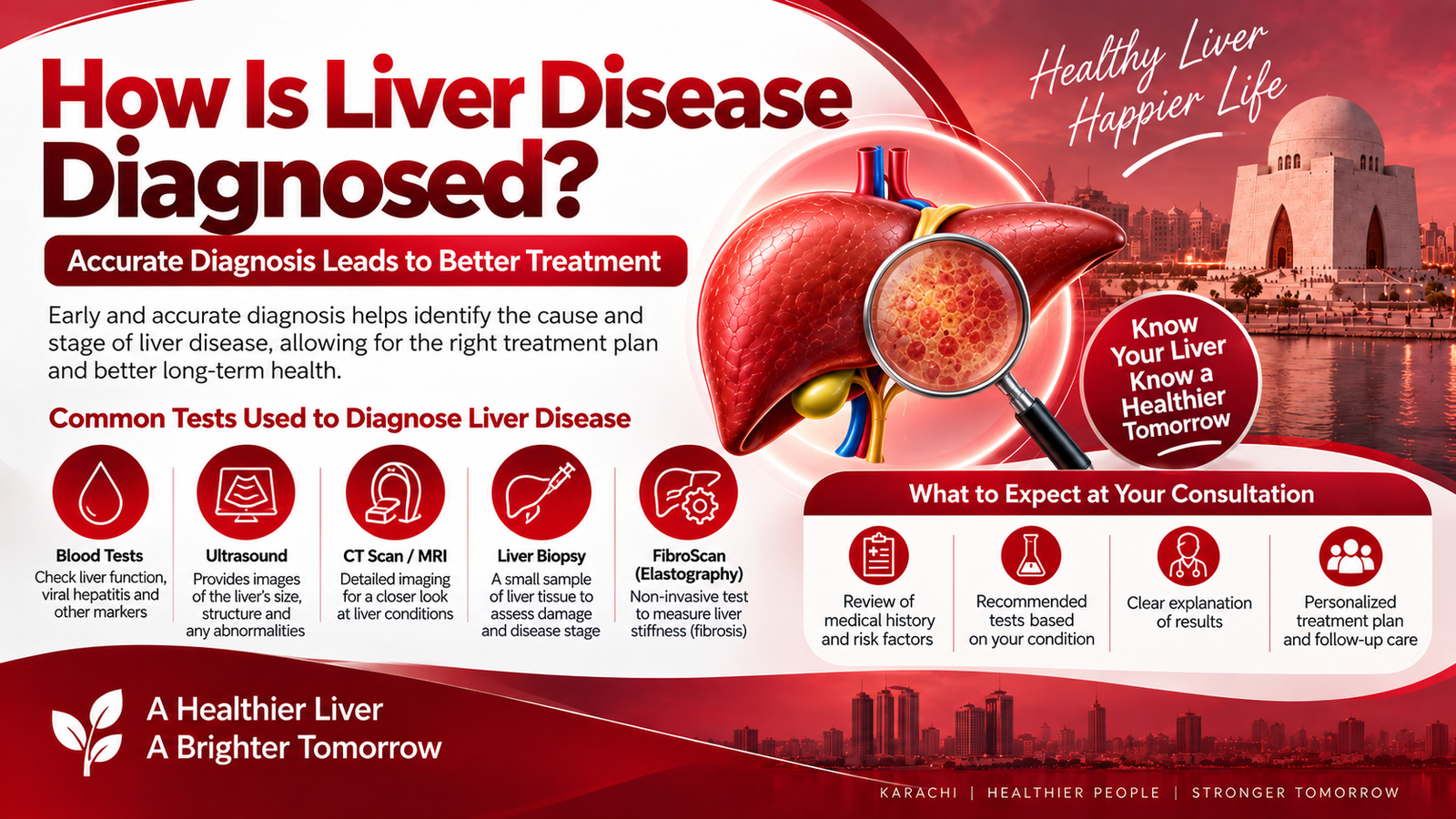
There are no specific blood tests that diagnose all liver diseases.
Diagnosis typically involves a combination of clinical evaluation, laboratory testing, and, if needed, imaging or other tests.
Medical history and physical examination will also guide the assessment of the patient’s condition.
A thorough medical history is usually the first step. The doctor will ask about previous illnesses, medication or supplements you may have taken, your alcohol consumption, metabolic conditions you may have had, risk of viral hepatitis, family history, and past liver issues.
A physical check may also be done to identify symptoms relating to liver or abdominal disease.
Liver Function and Blood Tests
Blood tests can give information about liver injury, bile flow, and liver function.
Tests may consist of liver enzymes, bilirubin, albumin, blood clotting tests, complete blood count and viral hepatitis tests, among others, depending on the circumstances.
The abnormal result should not be the only indicator used to interpret results. Liver enzymes may increase for a short period of time, and certain liver abnormalities may need additional testing.
Ultrasound and Other Imaging
When examining the liver, gall bladder, and surrounding structures, an abdominal ultrasound is used. A physician might suggest other tests, including computed tomography (CT) or magnetic resonance imaging (MRI).
Imaging can be useful to detect changes in liver size, fatty infiltration, masses, bile duct abnormalities, or other structural abnormalities.
Fibrosis Assessment
If chronic liver disease is suspected, a doctor might take into account liver stiffness or liver fibrosis (where applicable) using non-invasive methods.
These tests can give extra information about liver scarring, but not always will mean there is a need to have an invasive procedure.
Additional Testing
A more specialized blood test, autoimmune testing, genetic testing, or other tests may be needed, depending upon the patient’s case.
A liver biopsy is only considered in selected cases when other tests have not given sufficient information.
Not all tests should be used in the testing plan, but rather select tests based on the individual clinical situation.
When Should You See a Liver Specialist?
A consultation might be indicated if liver-related symptoms were ongoing, blood tests were still abnormal, imaging revealed a liver abnormality, or if a person had a known condition and required monitoring.
If you have an underlying liver disease such as hepatitis, fatty liver disease, liver fibrosis, cirrhosis, or any other chronic liver disease you may have, please see a specialist.
A referral might be helpful if the cause of abnormal liver tests is not known or if a condition needs to be monitored for complications.
When looking for a liver disease specialist in Karachi, bring along a copy of your past reports.
If a doctor has prior blood tests, ultrasound reports, medication lists and medical records, this will give him or her a better idea of the progression of the condition over time.
How Is Liver Disease Treated?
Treatment is based upon the underlying cause, the severity of the problem, liver function, and the overall health of the patient. No single treatment is effective for all liver diseases.
Depending on individuals, some treatment may include lifestyle modifications and the control of metabolic risk factors. Some medical treatment might be necessary for patients with viral hepatitis.
Liver disease in autoimmunes may be a specialist-directed disease, and advanced liver disease may require monitoring and management of complications.
Prescribing should be undertaken by a competent health care professional, based upon the assessment of the individual patient.
Patients should also inform their doctor of any over-the-counter drugs, herbal products, prescription medicines, and supplements used as these can hurt the liver.
Specially trained and experienced care may be needed in advanced cases, including treatment options for the advanced stages (such as transplant assessment when clinically appropriate).
Liver Specialist vs Gastroenterologist: What Is the Difference?

A gastroenterologist is a doctor who specializes in the digestive system, including the esophagus, stomach, intestines, pancreas, gallbladder, and liver.
A hepatologist focuses more specifically on liver and biliary diseases. In many healthcare settings, hepatology is an area of specialized gastroenterology.
Factor | Gastroenterologist | Hepatologist / Liver Specialist |
Main focus | Digestive system and related organs | Liver and biliary diseases |
Liver conditions | Commonly evaluates and treats them | Particularly focused on complex liver conditions |
Digestive problems | Broad expertise | Usually more focused on liver-related conditions |
Chronic liver disease | Can provide evaluation and treatment | Often provides specialized liver management |
Advanced liver disease | May coordinate appropriate care | May have more specific expertise in complex liver disease |
Best choice | Useful for many digestive and liver concerns | Useful when a liver condition requires focused expertise |
The right choice depends on the patient’s condition. A gastroenterologist may be entirely appropriate for many liver concerns, while a hepatology-focused service can be particularly relevant for complex or advanced liver disease.
How to Choose a Liver Disease Specialist in Karachi
A search for the top result isn’t the only reason to choose a specialist. Ask if the doctor/clinic treats the type of disease you are suffering from and if there is enough time during the consultation to check your medical history.
Useful factors include:
- Medical specialization and clinical focus (where relevant).
- Having experience in managing the type of liver condition being assessed
- Access to necessary diagnostic services or referral system
- Effective communication of test results and treatment options.
- The ability to follow up, if necessary, for continued monitoring.
- A functional location and appointment system for you
- Readiness to share information on the rationale for a specific test or treatment
While online reviews can offer general impressions of patient experiences, they shouldn’t be considered as a replacement for assessing medical skills, clinical relevance, and communication with patients during treatment.
Preparing for a Liver Specialist Appointment
Some preparation can aid the consultation so that it is more productive.
Bring previous lab reports, imaging results, prescription information, and a list of supplements / over the counter medications used.
Record the onset of symptoms and what triggers them to become better or worse.
If you have already been diagnosed with a disease such as Hepatitis, Fatty Liver, Diabetes, High Cholesterol, etc., you have to convey this information during the consultation.
In addition, it is useful to ask why the test is being recommended; what the results might mean; if other testing is required; and how the condition will be monitored.
What Questions Should You Ask the Specialist?
There may be occasions when patients do not ask questions, simply because they are preoccupied with the diagnosis.
Answering questions can give you insight into what you can expect.
Consider asking:
- Why am I feeling the symptoms of liver disease or have the liver abnormality?
- Which tests are needed, and what will they tell us?
- Is there any evidence of liver inflammation or scarring?
- Should I be treated or monitored at this point?
- Do any of my medications or supplements apply?
- What can I do to keep my liver safe?
- When is follow-up needed?
- What would be the symptoms that would require immediate medical care?
It’s not necessary to ask all of them at the same time. Think about the questions that are most applicable to your diagnosis and current symptoms.
When Is Liver Disease an Emergency?
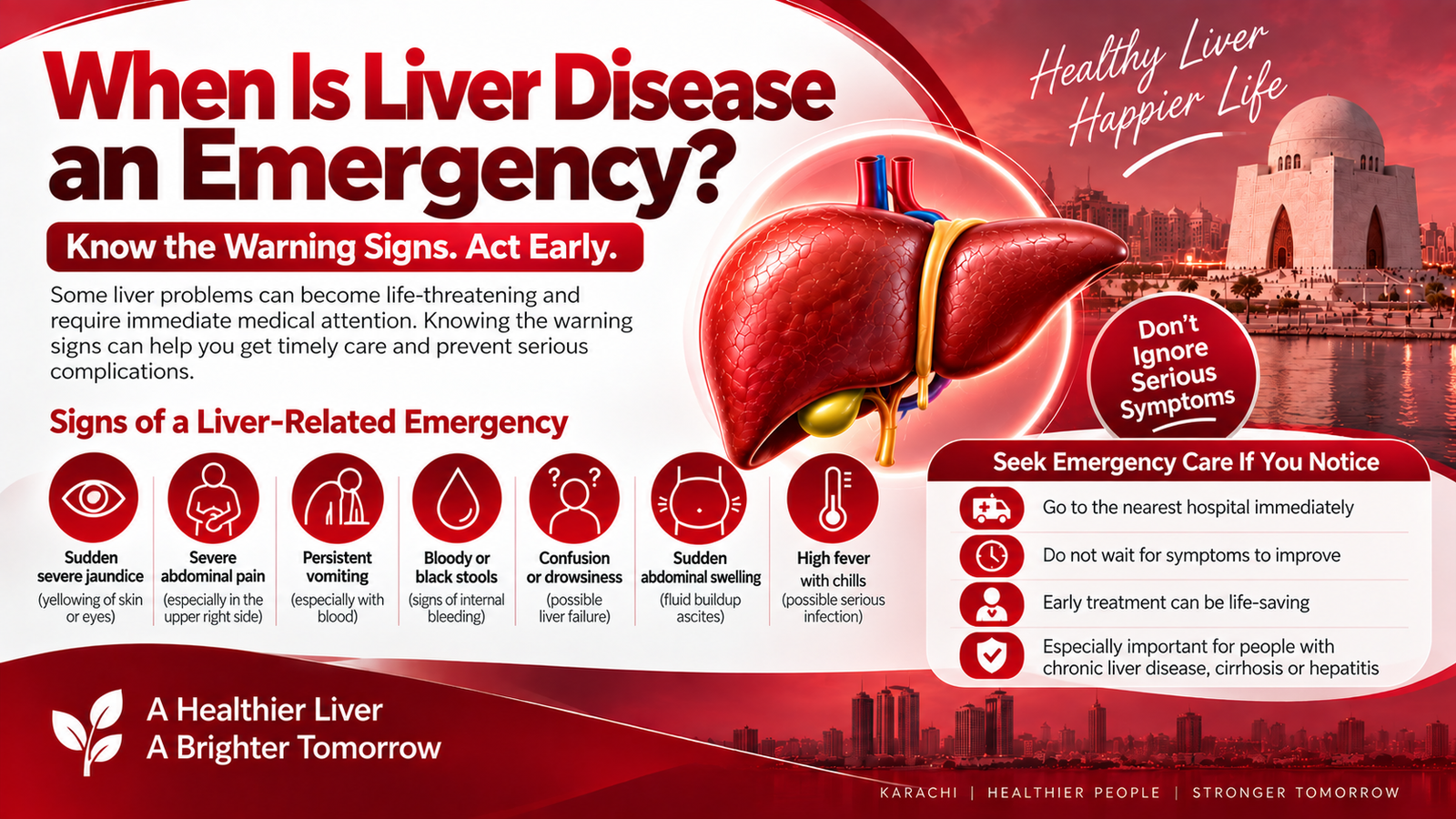
Certain liver symptoms may be serious and a complication and should not be treated with a waiting time until a regular appointment.
If symptoms are severe or worsening quickly, contact the Emergency Room right away if the person vomits blood, produces black stools, is very confused or passes out, struggles to breathe, has a large belly, or is getting very yellow all the time.
If a person has a known advanced liver disease, they could have particular signs that need to be looked at right away. Immediately obey the medical team’s instructions in case of emergency.
Considering Dr Azizurrehman for Liver Care in Karachi
Before booking your appointment with Dr Azizurrehman in Karachi for a liver-related consultation, check if the offered service is suitable for your medical concern.
Inquire about the nature of the liver issue being assessed, what documentation you should bring with you, and if you might require other services for diagnosis.
As all medical skills and clinic hours change, it is important for patients to check with the medical provider for the current information and not assume or take anything on faith from an online statement.
When looking for any liver specialist in Karachi, the same criteria come to mind: relevant medical knowledge, proper evaluation, communication, follow-up, and the requirement of your specific condition.
How Can Liver Health Be Supported?
While some liver conditions can’t be prevented, there are some general measures to help maintain liver health.
Physically active, eating well, keeping weight at a healthy level, controlling diabetes and cholesterol if applicable, avoiding unnecessary medicines and supplements, and talking to a healthcare provider about alcohol use are all important.
Anyone at risk for viral hepatitis should also talk with a health care provider about the right time and ways to be tested and protected.
There are vaccinations to prevent some types of viral hepatitis, and other types can be prevented in different ways.
Lifestyle changes should be feasible. People with an existing liver condition should consult their GP or health care provider before beginning a significant diet or lifestyle modification, not just because they are on a restrictive diet, but due to a pre-existing liver condition.