
Digestive problems can quietly affect your daily life. Frequent stomach pain, bloating, acid reflux, constipation, or discomfort after meals may seem minor at first.
However, these symptoms can sometimes point to conditions involving both your digestive system and liver.
Visiting a liver and stomach specialist at the right time can help identify the cause early, prevent complications, and improve your quality of life.
Many people ignore digestive symptoms until they become severe.
Unfortunately, delayed diagnosis may allow conditions such as fatty liver disease, hepatitis, stomach ulcers, gastritis, or inflammatory bowel disorders to progress.
Fortunately, modern gastroenterology offers advanced diagnostic tools and effective treatments that help patients recover faster and maintain long-term digestive health.
This guide explains the role of digestive specialists, common diseases they treat, warning signs you should never ignore, available diagnostic tests, and practical steps to keep your digestive system healthy.
What Does a Liver and Stomach Specialist Treat?
A liver and stomach specialist focuses on diagnosing, treating, and preventing diseases affecting the digestive system.
Depending on the condition, you may be treated by a Gastroenterologist in Karachi or a Hepatologist in Karachi, both of whom specialize in different aspects of digestive health.
A digestive health specialist commonly treats conditions involving the:
- Liver
- Stomach
- Esophagus
- Small intestine
- Large intestine (colon)
- Gallbladder
- Pancreas
- Rectum
These organs work together to digest food, absorb nutrients, and remove waste.
Even a small problem in one organ can affect the entire digestive system.
Which Symptoms Mean You Should See a Digestive Health Specialist?
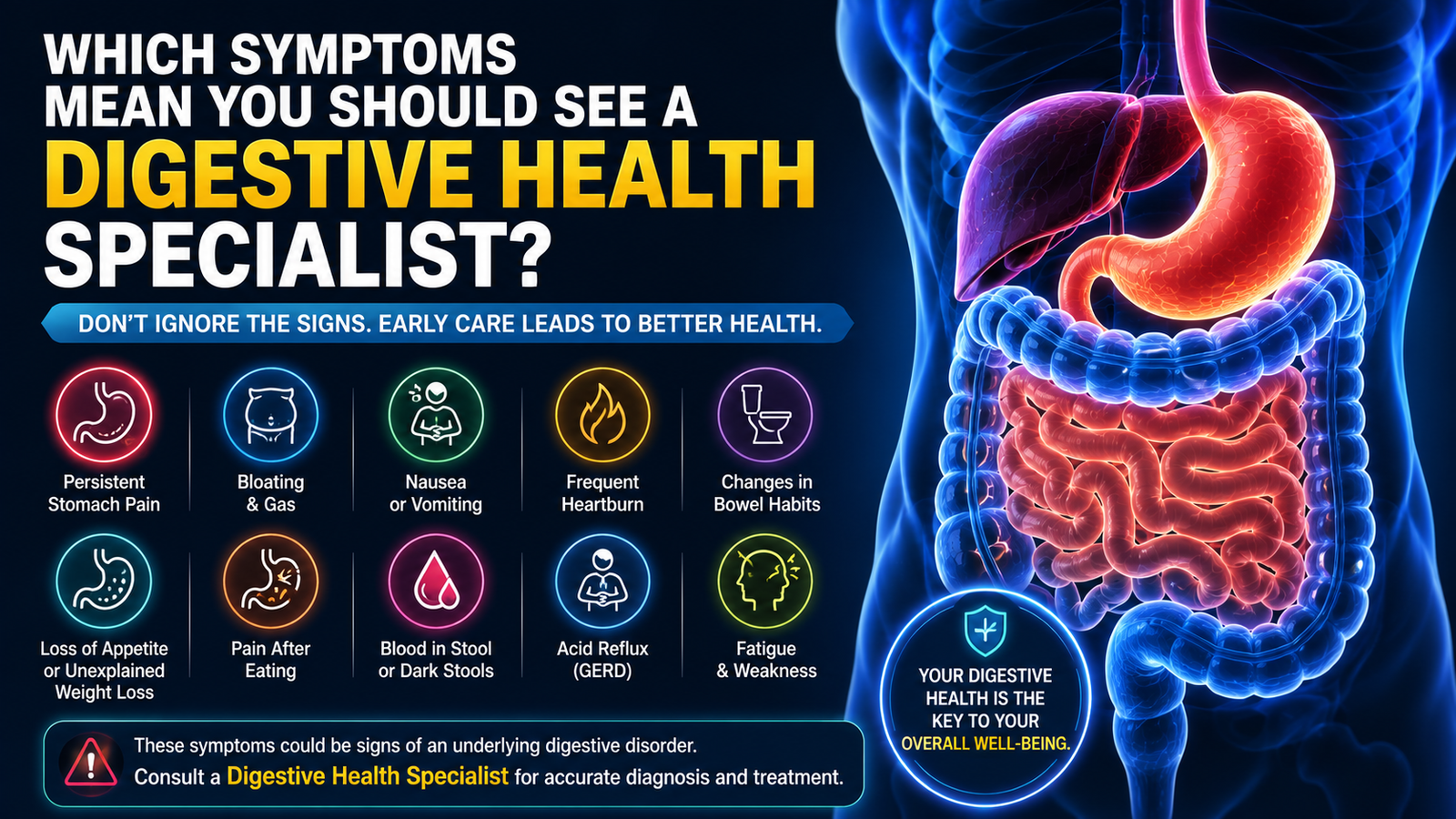
Many digestive conditions begin with mild symptoms that gradually worsen.
Seeking medical advice early often leads to quicker treatment and fewer complications.
You should consult a specialist if you experience:
- Persistent abdominal pain
- Frequent heartburn or acid reflux
- Difficulty swallowing
- Nausea or repeated vomiting
- Unexplained weight loss
- Loss of appetite
- Blood in stool
- Black-colored stools
- Chronic constipation
- Long-lasting diarrhea
- Yellowing of the skin or eyes (jaundice)
- Continuous bloating
- Excessive gas
- Pain after eating
- Swelling of the abdomen
If these symptoms continue for more than two weeks or become severe, medical evaluation is recommended.
Featured Snippet:
Persistent abdominal pain, acid reflux, jaundice, blood in stool, chronic constipation, unexplained weight loss, and ongoing digestive discomfort are common signs that you should visit a digestive health specialist.
What Liver Diseases Do Specialists Diagnose and Treat?
The liver performs more than 500 essential functions, including filtering toxins, storing nutrients, producing bile, regulating cholesterol, and supporting metabolism.
Because of its critical role, liver diseases should never be ignored.
Some of the most common liver conditions include:
Fatty Liver Disease
Fatty liver develops when excess fat accumulates in liver cells.
It often occurs due to obesity, diabetes, high cholesterol, or excessive alcohol consumption.
In many cases, patients have no symptoms until the disease progresses.
A Fatty liver specialist may recommend:
- Weight management
- Regular exercise
- Blood sugar control
- Balanced nutrition
- Routine liver function tests
Hepatitis
Hepatitis is inflammation of the liver caused by viral infections, alcohol misuse, medications, or autoimmune disorders.
A Hepatitis specialist manages conditions such as:
- Hepatitis A
- Hepatitis B
- Hepatitis C
- Autoimmune hepatitis
Early diagnosis significantly improves treatment outcomes and reduces the risk of liver damage.
Liver Cirrhosis
Cirrhosis occurs when healthy liver tissue is replaced with scar tissue. Common causes include:
- Chronic hepatitis
- Fatty liver disease
- Alcohol-related liver damage
Symptoms may include:
- Fatigue
- Swollen legs
- Easy bruising
- Jaundice
- Fluid accumulation in the abdomen
Although cirrhosis cannot always be reversed, early treatment can slow disease progression.
Liver Cancer
People with chronic liver disease have a higher risk of developing liver cancer.
Routine screening allows specialists to detect tumors at an earlier, more treatable stage.
Common warning signs include:
- Persistent abdominal pain
- Rapid weight loss
- Loss of appetite
- Enlarged liver
- Severe fatigue
Which Stomach Disorders Are Most Common?
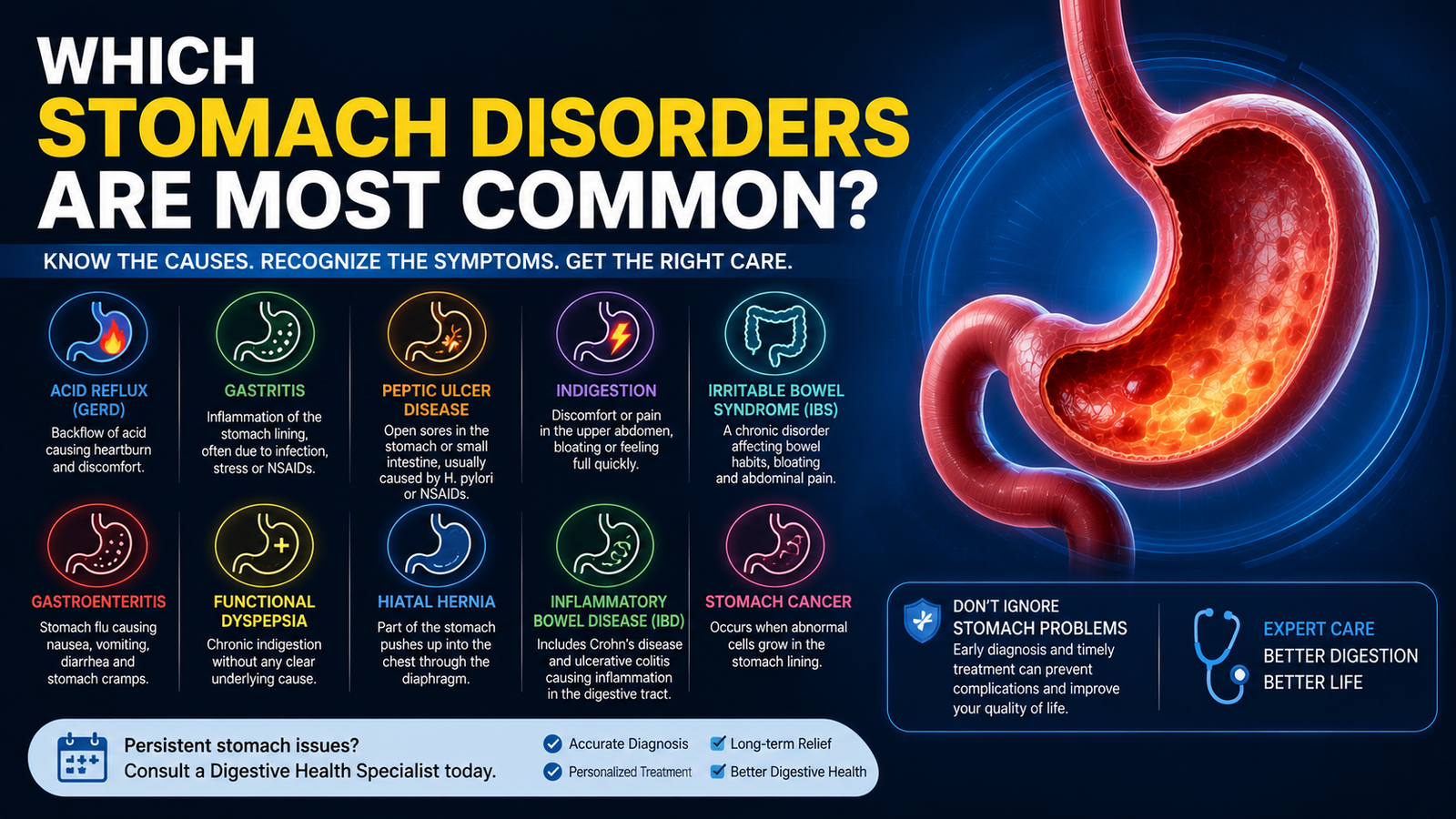
Digestive disorders affect millions of people worldwide.
According to global digestive health research, gastrointestinal diseases remain one of the leading reasons for outpatient medical visits each year.
Here are some of the most frequently treated stomach conditions.
Gastritis
Gastritis occurs when the stomach lining becomes inflamed.
Common causes include:
- Helicobacter pylori infection
- Long-term painkiller use
- Excessive alcohol
- Stress
- Autoimmune conditions
A gastroenterologist may recommend medications, dietary changes, and treatment of the underlying cause.
Typical symptoms include:
- Burning stomach pain
- Nausea
- Vomiting
- Loss of appetite
- Feeling full quickly
GERD (Gastroesophageal Reflux Disease)
Occasional heartburn is common, but frequent acid reflux may indicate GERD.
A GERD specialist can help prevent long-term complications such as esophageal inflammation and narrowing.
Symptoms include:
- Burning chest pain
- Sour taste in the mouth
- Nighttime cough
- Hoarseness
- Difficulty swallowing
Lifestyle changes combined with medication often provide excellent symptom control.
Peptic Stomach Ulcers
A Stomach ulcer specialist diagnoses ulcers that develop in the stomach or upper small intestine.
Common causes include:
- H. pylori infection
- Long-term NSAID use
- Smoking
- Excess stomach acid
Symptoms may include:
- Burning stomach pain
- Pain between meals
- Nausea
- Bloating
- Vomiting blood in severe cases
Without treatment, ulcers may lead to bleeding or perforation, making prompt medical care essential.
Irritable Bowel Syndrome (IBS)
IBS is a long-term digestive disorder affecting bowel function without causing permanent intestinal damage.
An IBS specialist helps patients manage symptoms through:
- Personalized nutrition plans
- Stress management
- Medication when necessary
- Lifestyle adjustments
Common symptoms include:
- Abdominal cramps
- Constipation
- Diarrhea
- Bloating
- Gas
- Changes in bowel habits
Constipation and Indigestion
Occasional constipation is common, but chronic constipation requires medical evaluation.
A Constipation specialist investigates possible causes such as:
- Low-fiber diet
- Poor hydration
- Thyroid disorders
- Medication side effects
- Colon disorders
Similarly, persistent indigestion may indicate ulcers, gastritis, gallbladder disease, or functional digestive disorders.
Early diagnosis helps identify the exact cause and prevents unnecessary complications.
What Tests Does a Liver and Stomach Specialist Recommend?
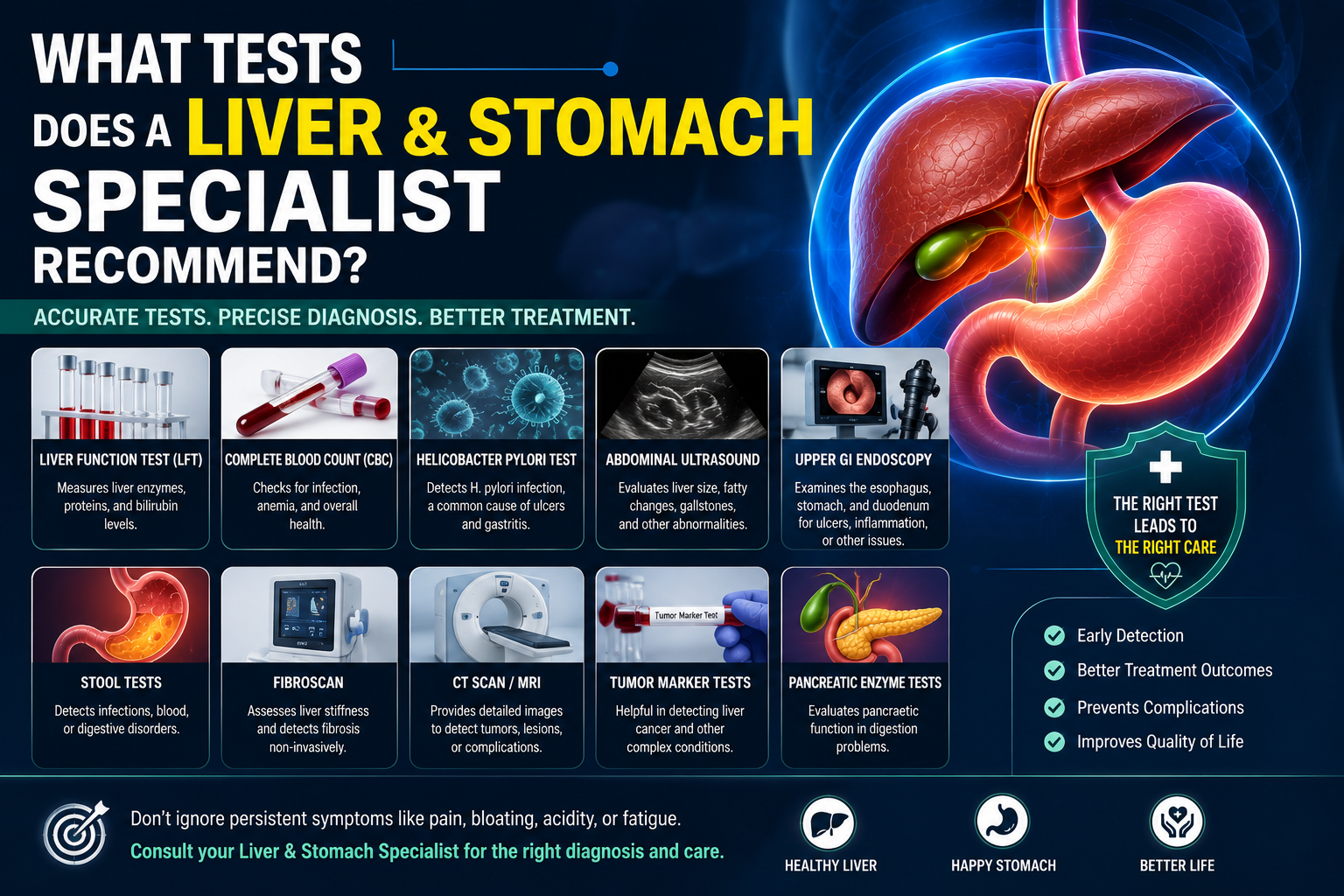
Finding the exact cause of digestive symptoms requires more than a physical examination.
A specialist selects diagnostic tests based on your symptoms, medical history, and risk factors.
Early testing often leads to faster treatment and better outcomes.
Common diagnostic tests include:
Test | Purpose |
Liver Function Tests (LFTs) | Evaluate liver health and detect inflammation or damage |
Complete Blood Count (CBC) | Identify infection, anemia, or internal bleeding |
Ultrasound Abdomen | Detect fatty liver, gallstones, liver enlargement, or abdominal abnormalities |
Upper GI Endoscopy | Examine the esophagus, stomach, and upper intestine |
Colonoscopy | Detect colon polyps, inflammatory bowel disease, and colorectal cancer |
CT Scan or MRI | Provide detailed images of digestive organs |
Stool Analysis | Diagnose infections, parasites, and digestive disorders |
Hepatitis Screening | Detect Hepatitis A, B, and C infections |
Featured Snippet:
Liver specialists commonly use blood tests, liver function tests, abdominal ultrasound, endoscopy, colonoscopy, CT scans, MRI, and hepatitis screening to diagnose digestive and liver diseases accurately.
Modern diagnostic tools help identify many conditions before they become serious, allowing treatment to begin at an earlier stage.
How Are Liver and Digestive Disorders Treated?
Treatment depends on the underlying condition, its severity, and the patient’s overall health.
Most digestive diseases can be managed successfully when diagnosed early.
A specialist may recommend one or more of the following:
Lifestyle Changes
Many digestive problems improve with healthier daily habits.
Examples include:
- Eating balanced meals
- Limiting fried and processed foods
- Reducing sugary drinks
- Maintaining a healthy weight
- Exercising regularly
- Quitting smoking
- Avoiding excessive alcohol
- Managing stress effectively
These simple changes often reduce symptoms of fatty liver, acid reflux, constipation, and indigestion.
Medications
Prescription medicines vary according to the diagnosis.
Common treatments include:
- Acid-reducing medications for GERD
- Antibiotics for Helicobacter pylori
- Antiviral medicines for hepatitis
- Anti-inflammatory medicines for inflammatory bowel disease
- Laxatives for chronic constipation
- Medicines that improve bowel movement
- Liver-protective medications in selected cases
Patients should avoid self-medicating because some medicines can worsen liver damage.
Endoscopic Procedures
Many digestive problems no longer require major surgery.
Endoscopy allows specialists to:
- Remove polyps
- Treat bleeding ulcers
- Take tissue biopsies
- Remove swallowed objects
- Dilate the narrowed areas of the digestive tract
These procedures are minimally invasive and usually involve a short recovery time.
Surgery
Some conditions require surgical treatment, including:
- Gallbladder disease
- Advanced liver tumors
- Severe ulcer complications
- Intestinal blockage
- Certain cancers of the digestive tract
Fortunately, many surgeries are now performed using minimally invasive techniques, reducing recovery time and hospital stays.
How Do You Choose the Best Doctor for Liver and Stomach Problems?
Selecting the right specialist plays a significant role in successful treatment.
When searching for the Best liver specialist in Karachi or a Stomach specialist doctor in Karachi, consider the following:
Look for Board Certification
Choose a physician trained in gastroenterology or hepatology with recognized professional credentials.
Evaluate Clinical Experience
Doctors who regularly manage liver disease, hepatitis, GERD, IBS, fatty liver, and digestive disorders often have broader clinical expertise.
Check Hospital Facilities
Advanced hospitals usually offer:
- Digital endoscopy
- Colonoscopy services
- High-quality imaging
- Modern pathology laboratories
- Multidisciplinary care teams
Read Patient Reviews
Patient experiences can provide insight into communication style, waiting times, and overall satisfaction.
Prioritize Preventive Care
An experienced Digestive health specialist focuses not only on treatment but also on preventing future complications through regular monitoring and lifestyle guidance.
What Daily Habits Help Protect Your Liver and Digestive System?
Healthy habits can significantly reduce the risk of many digestive diseases.
Eat a Balanced Diet
Include:
- Fresh vegetables
- Fruits
- Whole grains
- Lean proteins
- Healthy fats
- Fiber-rich foods
Limit:
- Sugary beverages
- Deep-fried foods
- Highly processed meals
- Excess salt
Stay Physically Active
Regular exercise supports:
- Healthy digestion
- Weight control
- Better metabolism
- Reduced fatty liver risk
- Improved insulin sensitivity
Experts generally recommend at least 150 minutes of moderate physical activity each week.
Drink Enough Water
Proper hydration supports:
- Smooth digestion
- Regular bowel movements
- Nutrient absorption
- Waste elimination
Avoid Smoking and Excessive Alcohol
Smoking increases the risk of stomach ulcers, acid reflux, and digestive cancers.
Excessive alcohol can contribute to:
- Fatty liver
- Hepatitis
- Cirrhosis
- Liver cancer
Reducing or eliminating alcohol intake is one of the most effective ways to protect liver health.
Maintain a Healthy Weight
Obesity remains one of the leading risk factors for nonalcoholic fatty liver disease (NAFLD), type 2 diabetes, and digestive disorders.
Even a modest weight reduction can improve liver function and reduce inflammation.
Which Foods Support Better Liver and Digestive Health?
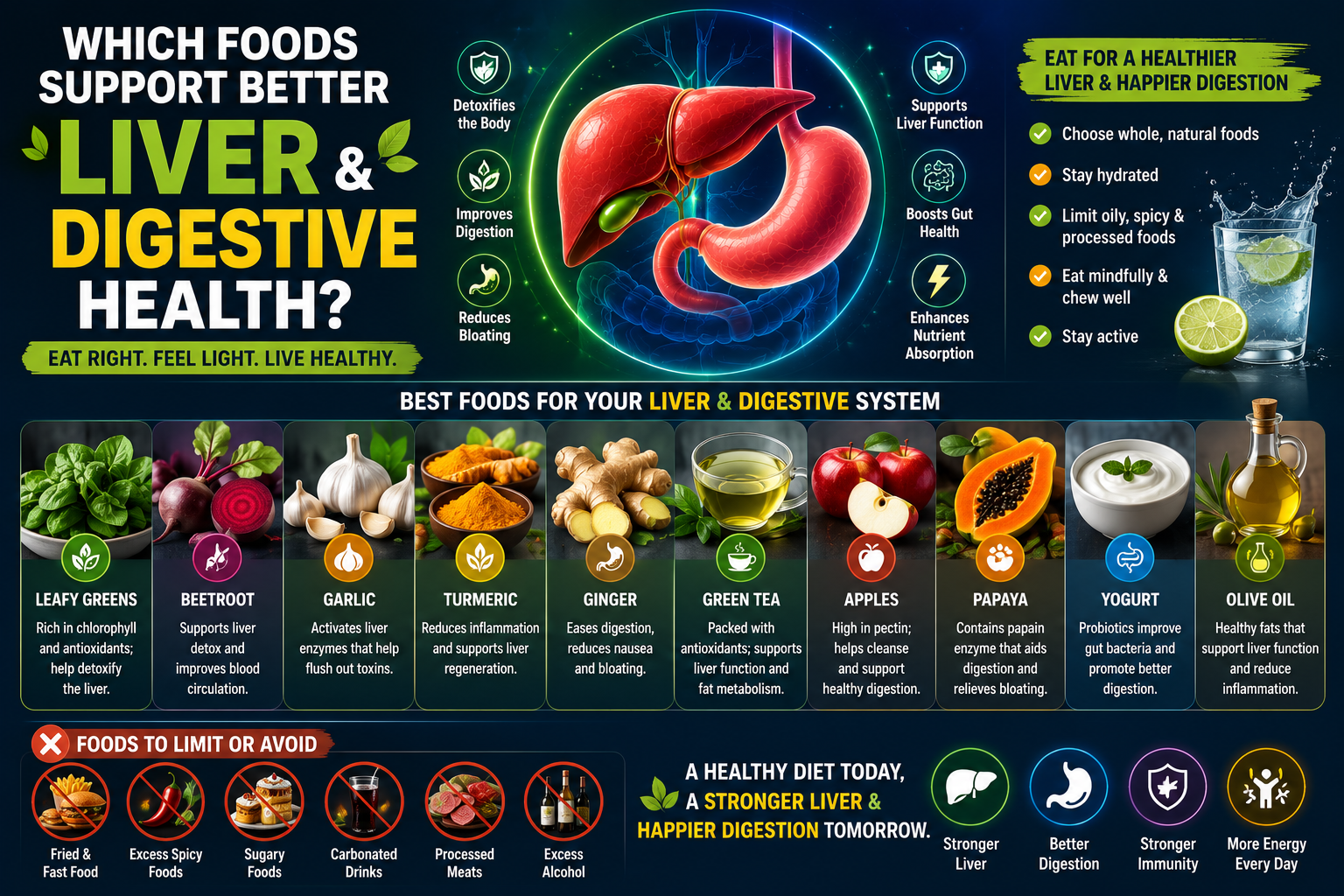
While no single food can cure liver disease, a nutrient-rich diet supports recovery and overall digestive wellness.
Recommended Foods | Foods to Limit |
Leafy green vegetables | Fried foods |
Fresh fruits | Sugary desserts |
Whole grains | Soft drinks |
Oats | Processed snacks |
Beans and lentils | Excess red meat |
Fish rich in omega-3 | Alcohol |
Olive oil | High-fat fast food |
Low-fat yogurt | Excess salt |
A registered dietitian or gastroenterologist can create a personalized nutrition plan based on your medical condition.
What Mistakes Should You Avoid When Treating Digestive Problems?
Many patients unintentionally delay recovery by making avoidable mistakes.
Common examples include:
- Ignoring persistent symptoms
- Frequently using over-the-counter medicines without medical advice
- Skipping follow-up appointments
- Delaying recommended diagnostic tests
- Following unverified home remedies
- Continuing unhealthy eating habits
- Stopping prescribed medicines too early
Prompt medical evaluation often prevents complications and reduces treatment costs over time.
Frequently Asked Questions
When should I see a liver and stomach specialist?
You should consult a specialist if you experience persistent abdominal pain, frequent acid reflux, bloating, constipation, diarrhea, jaundice, blood in your stool, unexplained weight loss, or digestive symptoms that last longer than two weeks.
Early evaluation helps identify the cause before complications develop.
What is the difference between a gastroenterologist and a hepatologist?
A gastroenterologist diagnoses and treats diseases affecting the digestive tract, including the stomach, intestines, pancreas, gallbladder, and esophagus.
A hepatologist focuses specifically on liver diseases, hepatitis, fatty liver disease, cirrhosis, and bile duct disorders.
In many hospitals, these specialists work together to provide comprehensive digestive care.
Can fatty liver disease be reversed?
Yes. In many cases, especially during the early stages, nonalcoholic fatty liver disease (NAFLD) can improve through weight loss, regular physical activity, a healthy diet, diabetes control, and avoiding excessive alcohol consumption.
Following your doctor’s recommendations is essential for successful recovery.
Which tests are commonly performed to diagnose liver and stomach problems?
Depending on your symptoms, a specialist may recommend:
- Liver Function Tests (LFTs)
- Complete Blood Count (CBC)
- Abdominal Ultrasound
- Upper GI Endoscopy
- Colonoscopy
- CT Scan or MRI
- Hepatitis Screening
- Stool Analysis
These tests help diagnose digestive disorders accurately and guide the most appropriate treatment.
How can I keep my liver and digestive system healthy?
Healthy daily habits play a major role in preventing digestive diseases.
You can support your liver and digestive system by:
- Eating a balanced, fiber-rich diet
- Drinking enough water
- Exercising regularly
- Maintaining a healthy weight
- Avoiding smoking and excessive alcohol use
- Limiting processed and fried foods
- Managing stress effectively
- Scheduling regular medical checkups if you have ongoing digestive concerns
Conclusion
Taking care of your digestive system and liver is one of the most important investments you can make for your long-term health.
Persistent symptoms such as abdominal pain, acid reflux, bloating, constipation, jaundice, or unexplained weight loss should never be ignored.
Early diagnosis not only improves treatment outcomes but also helps prevent serious complications like liver cirrhosis, advanced liver disease, stomach ulcers, and gastrointestinal disorders.
Whether you are dealing with fatty liver disease, hepatitis, GERD, IBS, gastritis, or chronic digestive discomfort, consulting a liver and stomach specialist can help you receive an accurate diagnosis and a personalized treatment plan.
Combining expert medical care with a balanced diet, regular exercise, healthy lifestyle choices, and routine health screenings offers the best chance of maintaining excellent digestive and liver health for years to come.
If you have ongoing digestive symptoms or concerns about your liver health, schedule an appointment with a qualified gastroenterologist or hepatologist.
Early action can make a significant difference in your recovery and overall well-being.