
Persistent stomach pain, bloating, nausea, or recurring ulcers may indicate more than ordinary indigestion.
One of the most common causes is Helicobacter pylori (H. pylori), a bacterium that infects the stomach lining.
Although many people carry the infection without symptoms, others develop gastritis, stomach ulcers, or long-term digestive problems that require medical care.
Consulting an experienced h pylori doctor is the best way to identify the infection accurately and begin effective treatment.
A qualified Helicobacter pylori doctor, H. pylori specialist, or gastroenterologist for H. pylori can determine whether your symptoms are related to this bacterial infection and recommend the most appropriate treatment plan.
Early diagnosis often leads to faster recovery and helps prevent serious complications.
This guide explains what H. pylori is, why timely medical attention matters, how doctors diagnose the infection, and what patients can expect during evaluation.
What is H. pylori?
pylori is a spiral-shaped bacterium that lives in the protective lining of the stomach. Unlike most bacteria, it can survive stomach acid by producing enzymes that reduce the acid around it. Once established, it may damage the stomach lining and trigger inflammation.
Many infected individuals never experience noticeable symptoms. Others develop digestive problems that gradually become more severe if the infection remains untreated.
Because the symptoms often resemble acid reflux, food intolerance, or gastritis, proper medical evaluation is essential.
A skilled H. pylori diagnosis doctor uses clinical assessment and diagnostic tests to confirm whether the bacteria are responsible for your digestive symptoms.
Why H. pylori Should Never Be Ignored
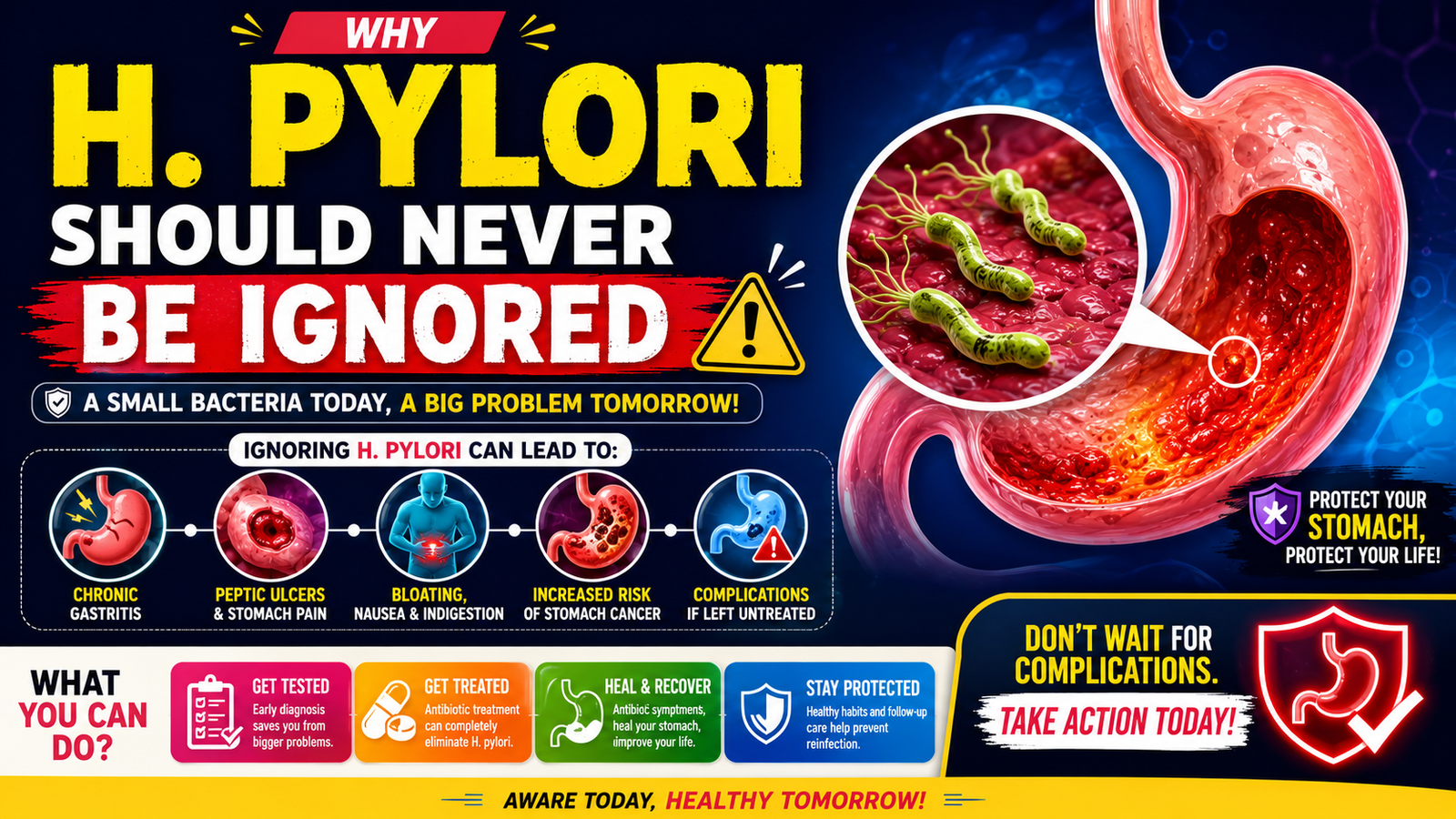
An untreated H. pylori infection can continue damaging the stomach lining for many years.
Continuous inflammation may increase the risk of stomach ulcers and other digestive complications.
While most patients recover completely after treatment, delaying medical care can make treatment more challenging.
Seeking help from a stomach infection doctor allows the infection to be diagnosed before permanent damage develops.
Patients who receive early treatment often experience quicker symptom relief and a lower chance of future complications.
For people experiencing repeated digestive discomfort, consulting a digestive disease specialist provides the opportunity to identify the actual cause rather than treating symptoms alone.
Common Symptoms of H. pylori Infection
The symptoms of H. pylori infection vary from one person to another. Some individuals experience only mild discomfort, while others develop severe stomach pain caused by ulcers.
Common symptoms include persistent burning pain in the upper abdomen, frequent bloating after meals, excessive burping, nausea, loss of appetite, early fullness during meals, unexplained weight loss, acid reflux, and recurring indigestion.
Patients with advanced ulcers may notice black stools or vomit containing blood, both of which require immediate medical attention.
Symptoms often appear gradually, making them easy to ignore during the early stages of infection.
If digestive discomfort continues for several weeks despite lifestyle changes, it is advisable to consult a stomach ulcer doctor or an experienced gastroenterologist.
When Should You Visit an H. pylori Doctor?
Many stomach problems produce similar symptoms, making self-diagnosis unreliable.
A medical evaluation becomes especially important when digestive symptoms continue despite dietary changes or over-the-counter medications.
You should arrange a consultation if stomach pain frequently interrupts daily activities, indigestion returns repeatedly, ulcers have been diagnosed previously, or unexplained weight loss occurs.
Immediate medical care is essential if vomiting blood, black stools, severe abdominal pain, or difficulty swallowing develops because these symptoms may indicate serious complications.
People with a family history of stomach cancer or chronic ulcers should also discuss persistent digestive symptoms with a healthcare professional.
Healthcare Professionals Who Treat H. pylori
Healthcare Professional | Primary Role | When You May Need One |
Primary Care Physician | Performs the initial assessment and may order basic tests | Mild or early digestive symptoms |
Gastroenterologist for H. pylori | Diagnoses complex digestive disorders and manages treatment | Persistent infection, ulcers, or recurring symptoms |
Stomach Ulcer Doctor | Treats ulcers and monitors healing | Confirmed gastric or duodenal ulcers |
Digestive Disease Specialist | Provides advanced digestive care for complicated cases | Long-term or difficult digestive conditions |
Patients searching for an H. pylori doctor in Karachi, the best H. pylori specialist in Karachi, or a gastroenterologist for H. pylori in Karachi should look for specialists with experience in diagnosing bacterial stomach infections and managing ulcer-related conditions.
How a Doctor Diagnosing H. pylori Identifies the Infection
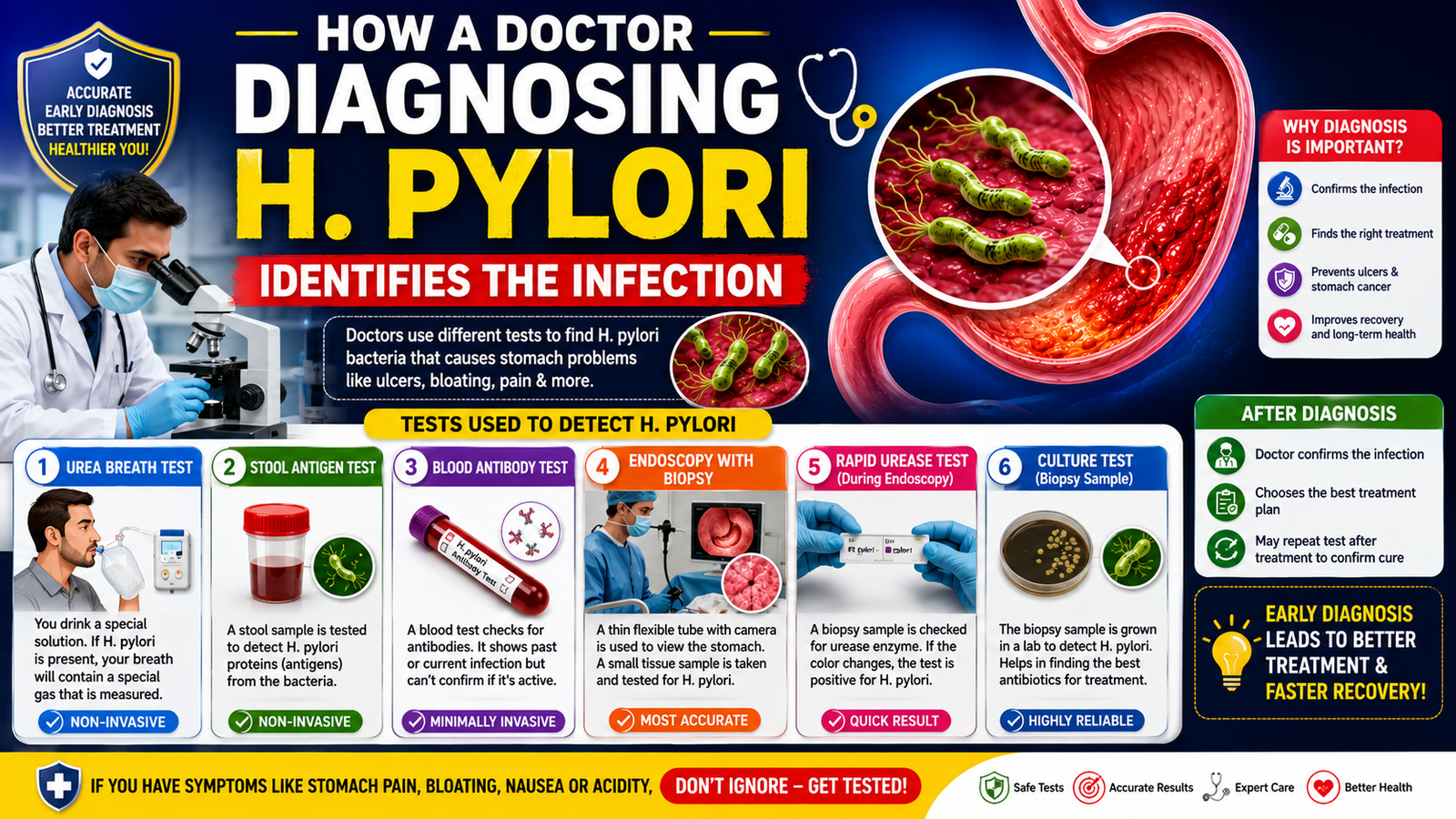
An accurate diagnosis is essential because many digestive disorders share similar symptoms.
Doctors usually begin with a detailed discussion about your symptoms, medical history, family history, medications, and lifestyle habits before recommending diagnostic tests.
The choice of test depends on several factors, including your age, the severity of symptoms, previous treatment history, and whether stomach ulcers are suspected.
The urea breath test is one of the most reliable non-invasive methods for detecting active infection.
During the procedure, the patient drinks a specially prepared solution before breathing into a collection device.
If H. pylori is present, the bacteria produce substances that can be detected in the breath sample.
A stool antigen test is another highly accurate option. It detects proteins released by the bacteria and is commonly used both before treatment and after treatment to confirm that the infection has been completely eliminated.
Blood tests may identify antibodies against H. pylori, although they cannot always distinguish between a previous infection and a current one.
For this reason, many specialists prefer breath or stool testing whenever possible.
Patients with severe symptoms, unexplained bleeding, persistent vomiting, or significant weight loss may require an upper endoscopy.
During this procedure, a thin flexible camera allows the doctor to examine the stomach lining directly and obtain tissue samples if necessary.
Why Early Diagnosis Leads to Better Results
Many patients postpone medical care because their symptoms appear mild at first.
Unfortunately, H. pylori infections rarely disappear without appropriate treatment. Continuous inflammation may gradually damage the stomach lining and increase the likelihood of ulcers.
Early diagnosis gives doctors the opportunity to begin targeted therapy before complications develop.
Most patients respond well to treatment when the infection is detected promptly.
Regular follow-up also helps confirm that the bacteria have been successfully eliminated, reducing the chance of recurrence.
H Pylori Infection Treatment: What to Expect
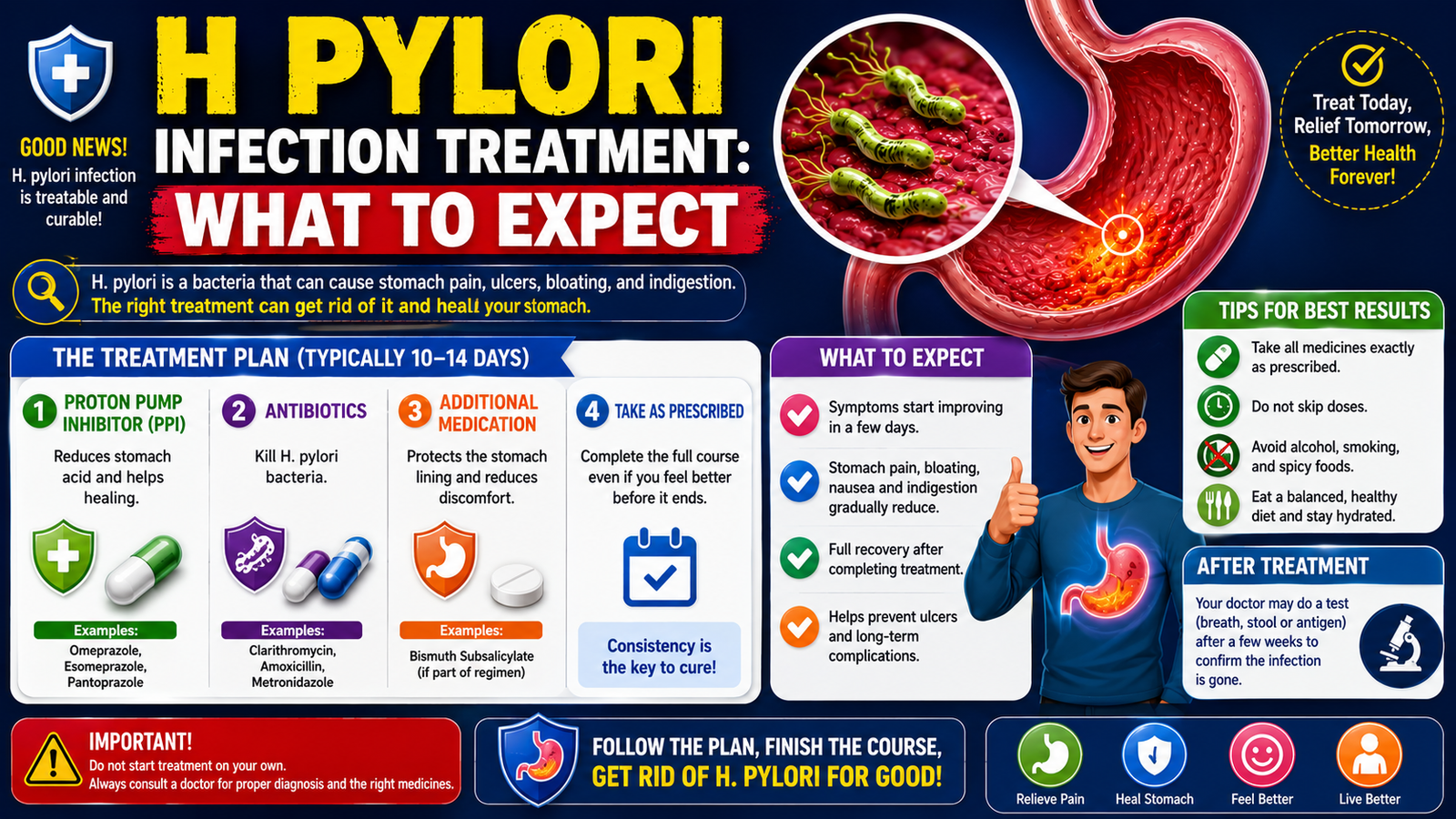
Once the diagnosis is confirmed, the next step is creating an effective treatment plan.
An experienced H. pylori treatment specialist selects medications based on current clinical guidelines, the patient’s medical history, previous antibiotic use, allergies, and local antibiotic resistance patterns.
The goal is to completely remove the bacteria, heal the stomach lining, and prevent the infection from returning.
Treatment usually lasts between 10 and 14 days. It is very important to complete every prescribed dose, even if symptoms improve after a few days.
Stopping medication early can allow some bacteria to survive, making future treatment more difficult.
Most patients receive a combination of antibiotics along with a proton pump inhibitor, which reduces stomach acid and allows the stomach lining to heal more effectively.
In some cases, additional medicines may be prescribed depending on the patient’s condition.
After treatment, many doctors recommend a follow-up breath test or stool antigen test several weeks later to confirm that the infection has been completely eliminated.
How Long Does Recovery Take?
Recovery varies from person to person. Some patients notice improvement within the first week of treatment, while others require several weeks before digestive symptoms fully disappear.
The bacteria may be eliminated quickly, but the stomach lining often needs additional time to heal.
Patients with stomach ulcers usually recover more slowly than those who have mild gastritis because damaged tissue requires extra time to repair.
Regular follow-up appointments allow the doctor to monitor healing and determine whether additional treatment is necessary.
If symptoms continue despite successful treatment, further evaluation may be required to identify another digestive condition.
Lifestyle Habits That Support Recovery

Medical treatment remains the most important part of recovery, but healthy daily habits can also support healing and reduce stomach irritation.
Healthy Habits During Recovery
- Take every prescribed medication exactly as directed.
- Eat balanced meals at regular times instead of skipping meals.
- Drink enough water throughout the day.
- Limit spicy foods if they worsen your symptoms.
- Avoid smoking because it delays stomach healing.
- Reduce alcohol consumption while receiving treatment.
- Wash your hands regularly to reduce the spread of bacteria.
- Attend every follow-up appointment recommended by your doctor.
These simple habits support medical treatment and may improve overall digestive health during recovery.
Can H. pylori Return After Treatment?
Although treatment is highly effective, reinfection is possible. Fortunately, it is relatively uncommon in adults when the bacteria have been completely eradicated.
Several factors may increase the risk of recurrence, including incomplete treatment, antibiotic resistance, poor hygiene practices, or exposure to contaminated food or water.
Your doctor may recommend repeat testing if symptoms return months or years after successful treatment.
Following your treatment plan carefully is one of the best ways to reduce the risk of persistent infection.
Common Mistakes Patients Should Avoid
Many treatment failures occur because patients unintentionally make avoidable mistakes.
Small errors during treatment can reduce the effectiveness of antibiotics and delay recovery.
Ignoring persistent stomach pain, stopping antibiotics early, sharing prescription medication with others, relying only on home remedies, or skipping follow-up testing may all increase the likelihood of treatment failure.
Some patients also continue taking nonprescription medicines without informing their doctor, which can interfere with accurate testing.
Maintaining open communication with your healthcare provider helps ensure the best possible outcome.
Expert Recommendations for Better Digestive Health
Doctors who regularly manage H. pylori infections encourage patients to think beyond short-term symptom relief.
Good digestive health depends on proper diagnosis, completing treatment, and maintaining healthy daily habits.
Patients should seek medical advice whenever stomach pain continues for several weeks or returns repeatedly after treatment.
Self-diagnosis based solely on internet searches may delay appropriate care because many digestive disorders produce similar symptoms.
Individuals looking for H. pylori treatment in Karachi, Helicobacter pylori specialist Karachi, stomach infection doctor Karachi, or H. pylori test and treatment Karachi should choose a qualified gastroenterologist who follows evidence-based diagnostic and treatment guidelines.
Preventing H. pylori Infection
Although it is not always possible to prevent H. pylori infection, good hygiene and healthy food practices can lower the risk.
Protecting your digestive system also helps reduce the chances of future stomach problems.
Simple Ways to Reduce Your Risk
- Wash your hands thoroughly before eating and after using the restroom.
- Drink clean and safe water from reliable sources.
- Eat food that has been prepared and cooked hygienically.
- Avoid sharing eating utensils when proper hygiene is uncertain.
- Follow your doctor’s advice after completing treatment.
- Schedule follow-up testing if recommended to confirm the infection has cleared.
A Practical Example
Consider a patient who experiences frequent stomach burning, bloating, and nausea for several months.
At first, they rely on over-the-counter antacids, which provide only temporary relief.
Eventually, they visit a doctor diagnosed with H. pylori, who performs a urea breath test that confirms the infection.
The patient completes a full course of prescribed antibiotics and acid-reducing medication.
A follow-up stool antigen test several weeks later confirms that the bacteria have been eliminated.
Within a short period, the stomach pain disappears, appetite improves, and normal daily activities resume.
This example highlights why professional diagnosis and evidence-based treatment are far more effective than treating symptoms alone.
Choosing the Right H. pylori Doctor
Selecting the right healthcare professional can make a significant difference in diagnosis, treatment success, and long term digestive health.
A qualified specialist carefully reviews your medical history, recommends appropriate testing, explains the treatment plan clearly, and schedules follow-up testing to confirm that the infection has been eradicated.
If you are searching for the best doctor for H. pylori, consider choosing a gastroenterologist with experience in bacterial stomach infections, ulcer management, and digestive disorders.
Patients looking for the best H. pylori specialist in Karachi, stomach ulcer specialist Karachi, digestive health doctor Karachi, or H. pylori clinic in Karachi should also consider the specialist’s qualifications, clinical experience, and patient-centered approach to care.
Frequently Asked Questions
Which doctor should I see for H. pylori?
A gastroenterologist is usually the most appropriate specialist because they diagnose and treat stomach infections, ulcers, gastritis, and other digestive disorders. A primary care physician may also begin the initial evaluation.
Can H. pylori be cured completely?
Yes. Most patients recover completely after finishing the prescribed combination of antibiotics and acid-reducing medication. Follow-up testing confirms whether the bacteria have been successfully eliminated.
What is the most accurate test for H. pylori?
The urea breath test and stool antigen test are considered among the most accurate methods for detecting an active H. pylori infection and confirming successful treatment.
Is H. pylori contagious?
The bacteria can spread through contaminated food, water, or close personal contact. Good hygiene practices help reduce the risk of transmission.
How soon should I visit a doctor if I have stomach pain?
If stomach pain, bloating, nausea, or indigestion lasts for more than a few weeks, returns repeatedly, or is accompanied by black stools, vomiting blood, or unexplained weight loss, you should seek medical care promptly.
Conclusion
Finding the right h pylori doctor is one of the most important steps toward restoring digestive health and preventing long term complications.
H. pylori infection is common, but it is also highly treatable when diagnosed early by an experienced healthcare professional.
Modern diagnostic tests and evidence-based treatment plans help eliminate the infection, heal the stomach lining, and reduce the risk of ulcers and other digestive problems.
If persistent stomach pain, bloating, nausea, or recurring indigestion continues despite lifestyle changes, seek medical evaluation rather than relying on self-treatment.
Early diagnosis, completing the full treatment course, and attending follow-up testing provide the best opportunity for a full recovery and lasting digestive wellness.