
Digestive health affects every part of your daily life, from nutrient absorption and energy levels to immunity and overall wellness.
When digestive problems become frequent or severe, consulting a gastro specialist in Karachi can help identify the underlying cause and provide the right treatment before complications develop.
A qualified Gastroenterologist in Karachi specializes in diseases of the digestive system, including the stomach, intestines, liver, pancreas, gallbladder, and esophagus.
Whether you have recurring heartburn, stomach pain, constipation, diarrhea, liver disease, or unexplained digestive discomfort, seeking expert medical care can improve both your health and quality of life.
This guide explains the role of a gastro specialist, the conditions they treat, common warning signs, available diagnostic tests, and the benefits of receiving timely medical attention.
What Is a Gastro Specialist?
A gastro specialist is a physician with advanced training in diagnosing, treating, and preventing diseases of the digestive system.
These specialists manage disorders affecting the gastrointestinal tract and related organs, including the liver, pancreas, and gallbladder.
A Gastro Doctor in Karachi evaluates digestive symptoms using medical history, physical examination, laboratory investigations, and advanced diagnostic procedures.
Based on the diagnosis, the specialist develops a treatment plan that may include medication, dietary modifications, lifestyle changes, or minimally invasive procedures.
Many digestive disorders begin with mild symptoms that gradually become more serious.
Early consultation often helps prevent complications and improve treatment outcomes.
Why Digestive Health Matters

The digestive system does much more than process food. It absorbs nutrients, removes waste, supports the immune system, and helps maintain normal body functions.
When one part of this system is affected, several aspects of health may also suffer.
Persistent digestive problems can interfere with work, sleep, physical activity, and emotional well-being.
Poor digestion may also lead to vitamin deficiencies, dehydration, weight changes, anemia, and fatigue.
Regular evaluation by a Digestive Health Doctor Karachi becomes important when symptoms continue despite home remedies or lifestyle changes.
Prompt diagnosis allows treatment to begin before a condition progresses.
Gastro Specialist vs General Physician
Feature | General Physician | Gastro Specialist |
Primary Focus | General medical conditions | Diseases of the digestive system |
Digestive Expertise | Basic evaluation and treatment | Advanced diagnosis and specialized care |
Endoscopy & Colonoscopy | Usually refers patients | Performs diagnostic and therapeutic procedures |
Liver Disease Care | Initial assessment | Comprehensive liver disease management |
Chronic Digestive Disorders | Basic monitoring | Long-term specialized treatment |
Complex Gastrointestinal Problems | Referral when necessary | Complete evaluation and management |
Many patients wonder whether they should visit a general physician or consult a digestive specialist directly.
Both healthcare professionals play valuable roles, but their expertise differs significantly.
Common Conditions Treated by a Gastro Specialist in Karachi
A Digestive Disease Specialist Karachi manages a wide range of disorders affecting the digestive tract and associated organs.
Some conditions develop suddenly, while others progress slowly over many years.
Acid reflux and gastroesophageal reflux disease are among the most common reasons people seek specialist care.
Frequent heartburn, chest discomfort, and regurgitation often require medical evaluation to prevent damage to the esophagus.
Gastritis and stomach ulcers may develop due to bacterial infections, prolonged use of certain pain medications, excessive alcohol intake, or chronic stress.
Without proper treatment, these conditions can cause bleeding and long-term complications.
Irritable bowel syndrome is another frequently diagnosed condition.
It often causes abdominal pain, bloating, constipation, diarrhea, or alternating bowel habits.
Although it does not permanently damage the intestines, effective management can greatly improve daily comfort.
Inflammatory bowel diseases, including Crohn’s disease and ulcerative colitis, require specialized long-term care.
These chronic conditions can lead to intestinal inflammation, nutritional deficiencies, and other complications if left untreated.
A Liver and Stomach Specialist Karachi also treats fatty liver disease, hepatitis, liver fibrosis, cirrhosis, pancreatitis, gallstones, celiac disease, colon polyps, gastrointestinal bleeding, and digestive infections.
When Should You Visit a Gastroenterologist?
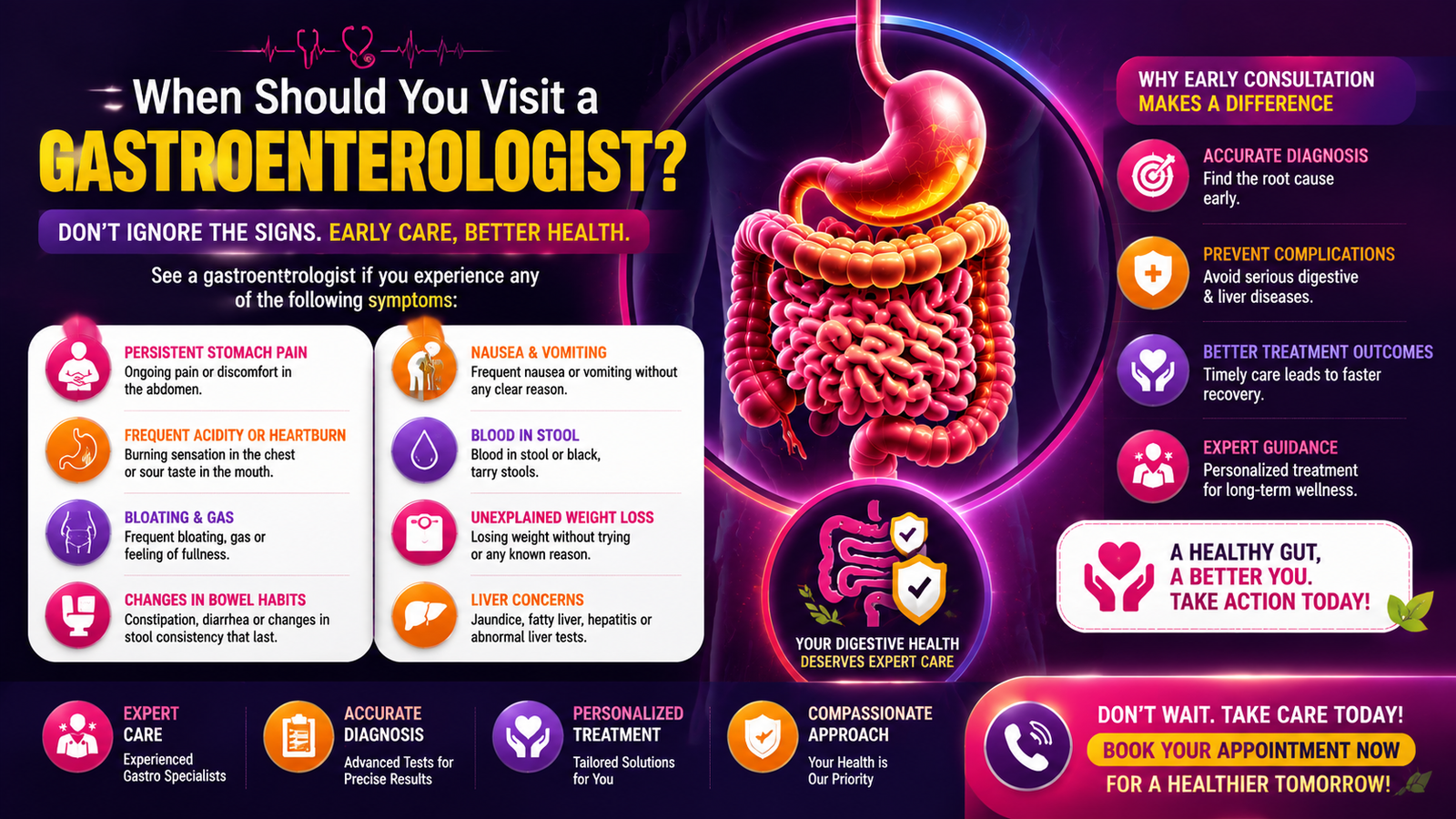
Many digestive symptoms improve within a few days. However, persistent or recurring symptoms should never be ignored because they may indicate an underlying digestive disorder that requires medical attention.
Recurring abdominal pain after meals, frequent indigestion, difficulty swallowing, persistent nausea, vomiting, unexplained weight loss, chronic constipation, prolonged diarrhea, blood in the stool, black-colored stools, excessive bloating, loss of appetite, or yellowing of the skin and eyes all warrant evaluation by a Gastro Physician Karachi.
People with a family history of colorectal cancer, inflammatory bowel disease, liver disease, or gastrointestinal polyps should also consider regular digestive health assessments.
Early detection significantly improves treatment success for many digestive disorders.
How Gastro Specialists Diagnose Digestive Disorders
Accurate diagnosis is the foundation of effective treatment.
During the first consultation, the specialist reviews the patient’s medical history, current symptoms, medications, dietary habits, and family history.
A physical examination helps identify signs of abdominal tenderness, liver enlargement, dehydration, nutritional deficiencies, or other clinical findings.
Depending on the symptoms, additional investigations may be recommended.
Blood tests can detect infections, anemia, inflammation, liver disease, and pancreatic disorders.
Stool analysis helps identify infections, bleeding, or digestive abnormalities.
Imaging studies such as ultrasound, CT scans, or MRI provide detailed views of digestive organs.
Endoscopy allows direct examination of the esophagus, stomach, and upper intestine using a flexible camera.
Colonoscopy evaluates the large intestine and rectum, helping diagnose inflammatory bowel disease, colorectal cancer, polyps, and unexplained bleeding.
These diagnostic procedures enable a Gastro Consultant Karachi to identify the exact cause of digestive symptoms and recommend the most appropriate treatment.
Benefits of Consulting a Gastro Specialist Early
- Early diagnosis of digestive disorders before complications develop.
- Accurate identification of the underlying cause of persistent symptoms.
- Access to specialized diagnostic procedures such as endoscopy and colonoscopy.
- Personalized treatment plans based on individual health needs.
- Better management of chronic digestive and liver diseases.
- Reduced risk of long-term complications through timely intervention.
- Professional guidance on nutrition, lifestyle changes, and preventive care.
- Continuous follow-up for long-term digestive health.
Treatment Options Offered by a Gastro Specialist
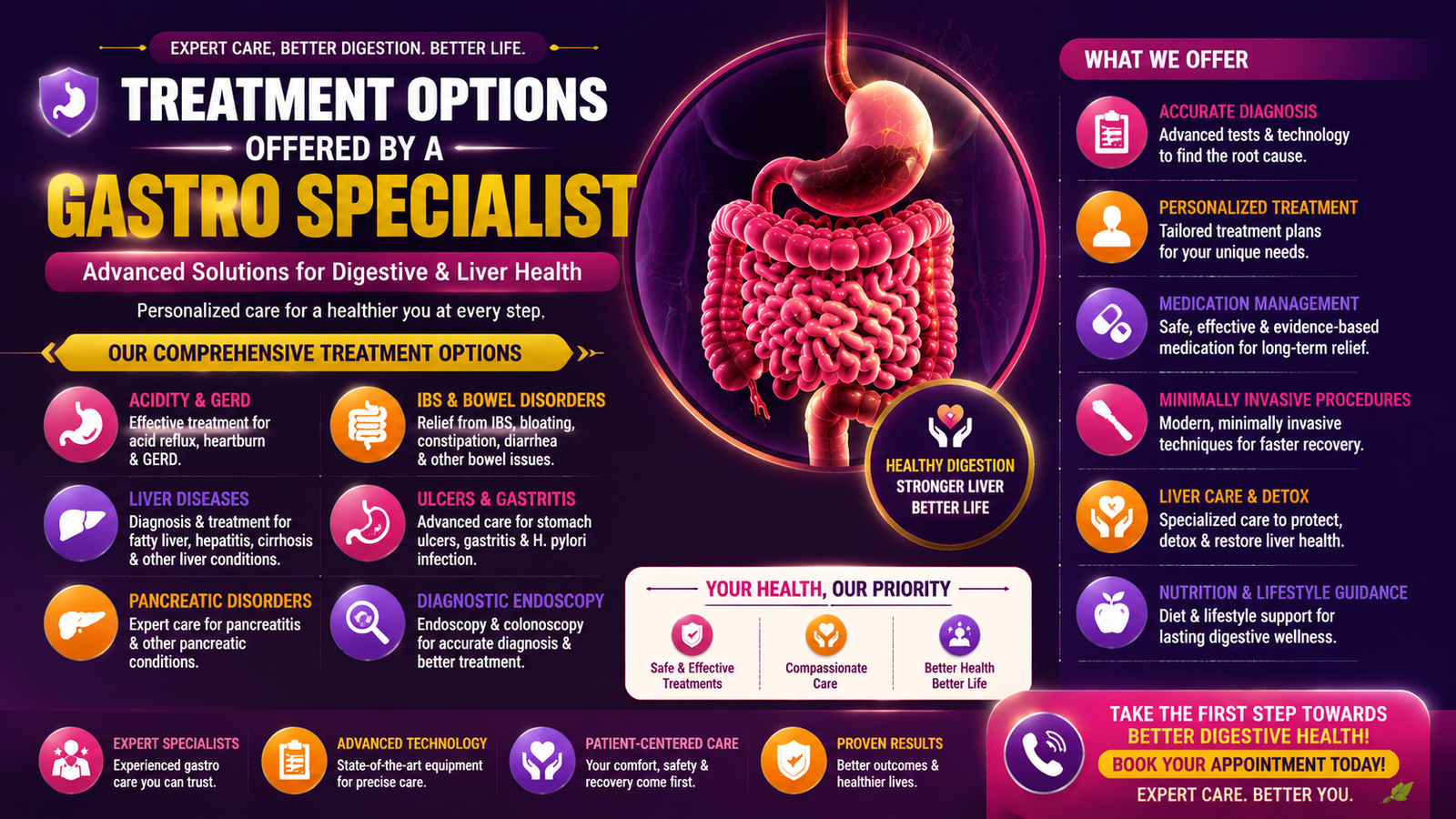
Treatment depends on the specific digestive condition, its severity, the patient’s overall health, and the results of diagnostic tests.
A Best Gastro Specialist in Karachi develops an individualized treatment plan rather than using the same approach for every patient.
For acid reflux and gastritis, treatment often includes medications that reduce stomach acid, dietary adjustments, and lifestyle changes.
Patients are usually advised to avoid foods that trigger symptoms, eat smaller meals, and avoid lying down immediately after eating.
People with irritable bowel syndrome may benefit from changes in fiber intake, stress management, medications to relieve symptoms, and regular physical activity.
Since triggers vary from person to person, treatment plans are often customized.
Inflammatory bowel diseases such as Crohn’s disease and ulcerative colitis require long-term management.
Treatment may involve anti-inflammatory medicines, immune-modifying medications, nutritional support, and regular monitoring to control flare-ups.
Liver diseases require a different approach. Patients with fatty liver disease are often encouraged to achieve a healthy weight, improve their diet, exercise regularly, and control conditions such as diabetes or high cholesterol.
Viral hepatitis may require antiviral medications and routine follow-up.
In some situations, therapeutic endoscopy can treat digestive problems without the need for major surgery.
These procedures may remove polyps, stop internal bleeding, widen narrowed areas of the digestive tract, or remove certain foreign objects.
Lifestyle Habits That Support Better Digestive Health
Daily habits have a significant impact on digestive wellness.
Healthy routines not only reduce the risk of digestive disorders but also improve recovery after treatment.
A balanced diet rich in fruits, vegetables, whole grains, lean protein, and adequate fluids helps maintain normal digestive function.
Regular exercise supports healthy bowel movements and contributes to maintaining a healthy body weight.
Limiting highly processed foods, reducing excessive sugar intake, avoiding smoking, and consuming alcohol in moderation can lower the risk of several digestive diseases.
Eating meals at consistent times and chewing food thoroughly also supports efficient digestion.
People who experience frequent digestive symptoms should avoid self-medicating for long periods.
Persistent symptoms should always be evaluated by a qualified specialist instead of relying solely on over-the-counter remedies.
Common Mistakes People Make Before Visiting a Specialist
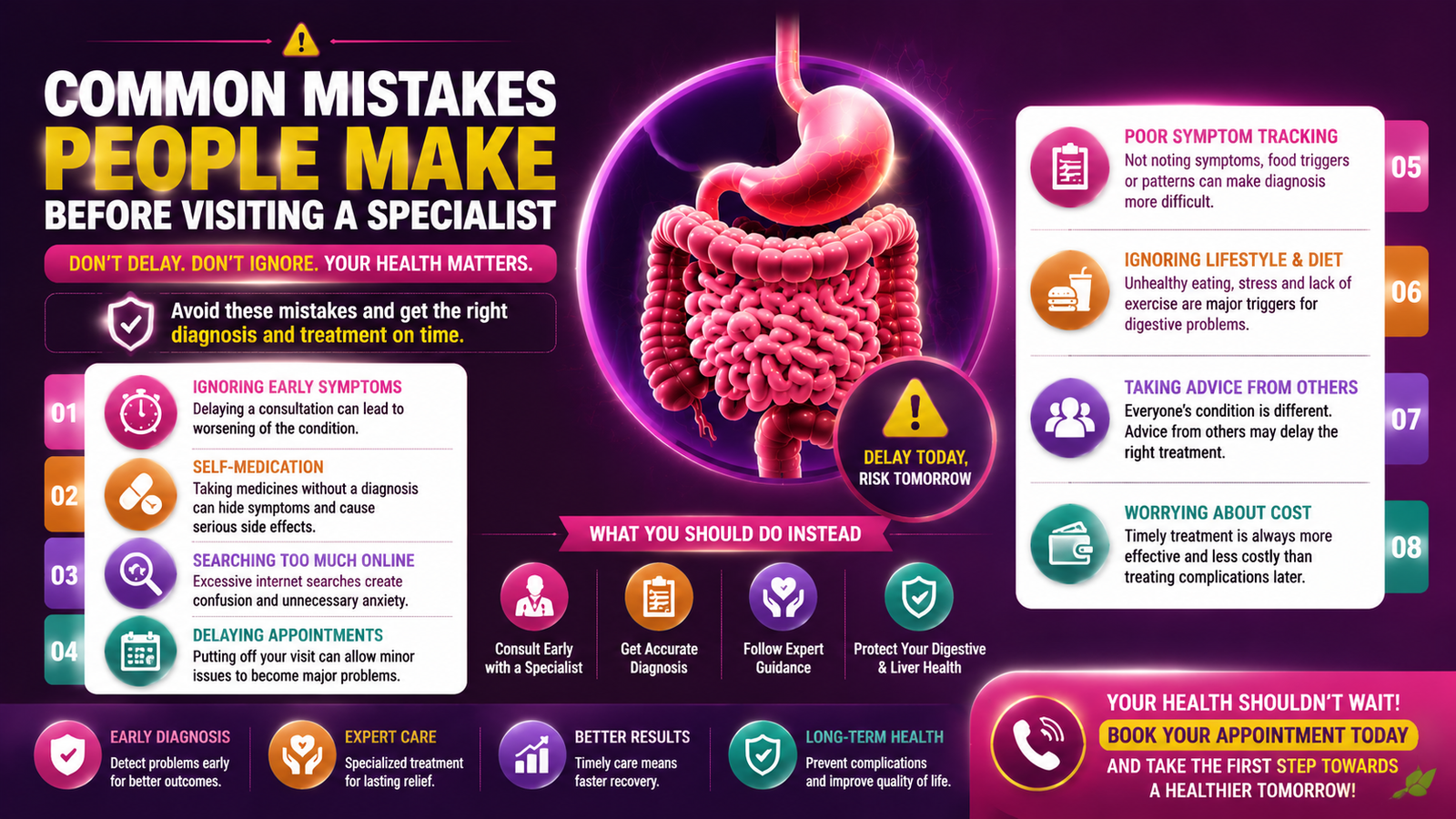
Many patients unintentionally delay proper treatment by ignoring symptoms or relying on advice that may not address the actual cause of their condition.
One common mistake is assuming that recurring heartburn or stomach pain is always related to spicy food.
While diet can contribute to symptoms, persistent discomfort may indicate ulcers, acid reflux disease, gallbladder disorders, or other conditions requiring medical care.
Another mistake is repeatedly taking pain relievers without medical supervision.
Certain medications can irritate the stomach lining and increase the risk of ulcers or bleeding.
Some individuals delay seeking care because symptoms come and go.
Digestive disorders often fluctuate, but temporary improvement does not always mean the disease has resolved.
Ignoring blood in the stool, unexplained weight loss, persistent vomiting, or difficulty swallowing can delay diagnosis of serious conditions.
Early medical evaluation offers the best opportunity for successful treatment.
Practical Example of Early Diagnosis
Consider a patient who experiences mild heartburn several times each week.
Initially, the symptoms appear only after large meals, so the patient uses over-the-counter antacids for temporary relief.
Over several months, the discomfort becomes more frequent, and swallowing begins to feel difficult.
After consulting a Gastro Clinic Karachi, diagnostic endoscopy reveals significant acid-related damage to the esophagus.
Because the condition is diagnosed before severe complications develop, treatment with medication, dietary changes, and regular follow-up successfully controls the disease.
This example highlights how timely specialist care can prevent more serious health problems and improve long-term outcomes.
Expert Recommendations for Maintaining Digestive Health
Healthcare professionals emphasize that prevention is often as important as treatment.
Small, consistent lifestyle improvements can reduce the likelihood of developing many digestive disorders.
Maintaining a healthy weight lowers the risk of fatty liver disease, acid reflux, and gallbladder problems.
Drinking sufficient water supports healthy digestion and helps prevent constipation.
Routine medical checkups become increasingly important for adults with a family history of colorectal cancer, inflammatory bowel disease, or chronic liver disease.
Screening tests performed at the recommended time can identify abnormalities before symptoms appear.
Patients should also follow prescribed treatment plans carefully and attend follow-up appointments.
Stopping medication too early or missing scheduled evaluations may allow symptoms to return or the disease to progress.
Signs That Require Immediate Medical Attention
- Severe abdominal pain that appears suddenly or becomes progressively worse.
- Persistent vomiting that prevents eating or drinking.
- Vomiting blood or passing black, tar-colored stools.
- Bright red blood in the stool.
- Yellowing of the skin or eyes accompanied by abdominal pain.
- Rapid, unexplained weight loss with ongoing digestive symptoms.
- Difficulty swallowing that continues to worsen.
- High fever together with severe abdominal pain or persistent diarrhea.
Frequently Asked Questions
When should I visit a gastro specialist in Karachi?
You should consult a gastro specialist if you experience persistent stomach pain, frequent heartburn, chronic constipation, diarrhea, blood in the stool, difficulty swallowing, unexplained weight loss, or recurring digestive discomfort that does not improve with basic care.
What diseases does a Gastroenterologist in Karachi treat?
A gastroenterologist treats acid reflux, gastritis, stomach ulcers, irritable bowel syndrome, inflammatory bowel disease, fatty liver disease, hepatitis, gallstones, pancreatitis, colon polyps, digestive infections, gastrointestinal bleeding, and several other digestive disorders.
What is the difference between a gastro specialist and a stomach specialist?
A stomach specialist mainly focuses on stomach-related conditions, while a gastro specialist treats the entire digestive system, including the esophagus, intestines, liver, pancreas, gallbladder, and rectum.
Does every digestive problem require an endoscopy?
No. Endoscopy is recommended only when your symptoms, medical history, or examination suggest that a detailed view of the upper digestive tract is necessary. Many digestive conditions can initially be diagnosed through clinical evaluation, blood tests, stool analysis, or imaging studies.
How can I keep my digestive system healthy?
Maintaining a healthy diet, eating fiber-rich foods, drinking enough water, exercising regularly, limiting processed foods, avoiding smoking, managing stress, and seeking medical care for persistent symptoms can help support long term digestive health.
Conclusion
Choosing the right gastro specialist in Karachi is an important step toward protecting your digestive health and preventing long-term complications.
Digestive disorders can affect the stomach, intestines, liver, pancreas, gallbladder, and other organs, making early diagnosis essential for effective treatment.
A qualified Gastroenterologist in Karachi uses advanced diagnostic tools, evidence-based treatments, and personalized care plans to manage both common and complex digestive conditions.
Whether you experience recurring acid reflux, persistent abdominal pain, liver disease, constipation, diarrhea, or unexplained digestive symptoms, timely medical evaluation can improve your quality of life and reduce the risk of serious complications.
Maintaining a balanced diet, staying physically active, drinking enough water, avoiding unnecessary medications, and attending regular medical checkups all contribute to better digestive health.
If symptoms persist or worsen, seeking advice from an experienced digestive specialist is the safest and most effective approach.