
Digestive problems can affect every part of your daily life. Whether you experience frequent heartburn, persistent bloating, stomach pain, constipation, diarrhea, or unexplained weight loss, these symptoms should never be ignored.
Many digestive disorders start with mild discomfort but can gradually develop into serious health conditions if left untreated.
Finding the best gastroenterologist in Karachi is one of the most important steps toward receiving an accurate diagnosis and effective treatment.
A qualified gastroenterology specialist has the expertise to diagnose diseases affecting the digestive system, liver, pancreas, gallbladder, esophagus, stomach, small intestine, and colon.
This guide explains everything you need to know about choosing the right digestive health doctor, the conditions they treat, available diagnostic procedures, and when you should schedule an appointment.
Whether your symptoms are new or have persisted for months, this article will help you make informed decisions about your healthcare.
Quick Answer
If you are looking for the best gastroenterologist in Karachi, choose a board-certified specialist experienced in treating stomach, liver, pancreas, gallbladder, and intestinal diseases.
Early diagnosis through tests such as endoscopy and colonoscopy helps prevent serious digestive complications.
Who Is the Best Gastroenterologist in Karachi?
A gastroenterologist is a physician who specializes in diagnosing, treating, and preventing diseases of the digestive system.
These specialists complete years of additional training after medical school to manage both common and complex gastrointestinal disorders.
Rather than looking only at popularity, consider these qualities when choosing a specialist:
- Board-certified and properly qualified
- Extensive clinical experience
- Expertise in diagnostic and therapeutic endoscopy
- Strong patient reviews and communication skills
- Affiliation with reputable hospitals
- Access to modern diagnostic equipment
- Evidence based treatment approach
A trusted gastro doctor focuses on identifying the root cause of digestive symptoms instead of simply treating temporary discomfort.
Dr. Azizur Rehman is an experienced gastroenterologist in Karachi who provides diagnosis and treatment for GERD, fatty liver disease, IBS, gastritis, hepatitis, ulcers, colon diseases, and other digestive disorders using evidence based medical care.
When Should You See the Best Gastroenterologist in Karachi?
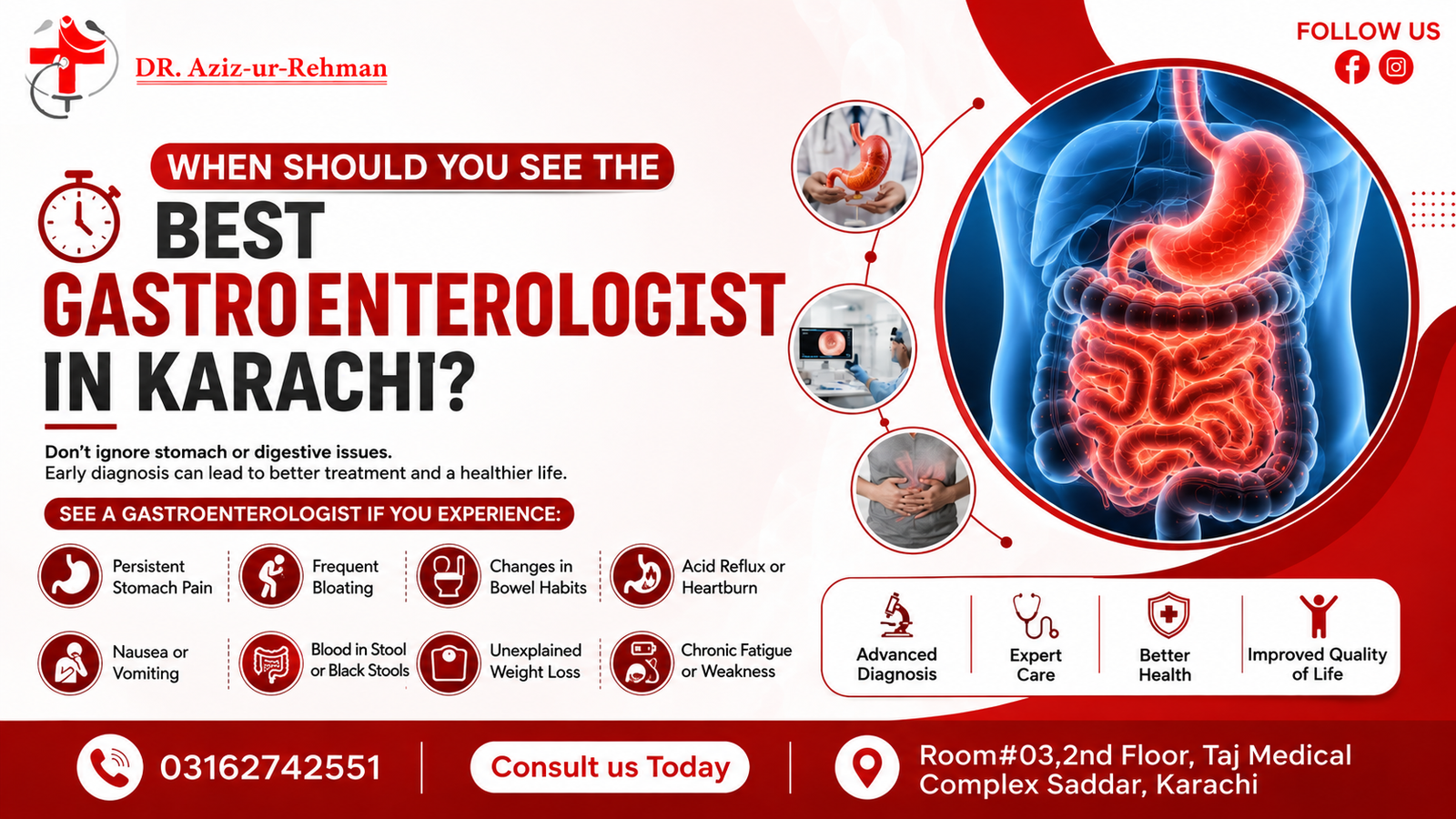
Many people delay visiting a specialist because they assume stomach problems will resolve on their own. However, persistent digestive symptoms often require medical evaluation.
You should consider seeing a gastroenterologist if you experience:
- Ongoing abdominal pain
- Frequent acid reflux
- Heartburn several times a week
- Difficulty swallowing
- Chronic constipation
- Persistent diarrhea
- Blood in the stool
- Black colored stools
- Repeated vomiting
- Severe bloating
- Unexplained weight loss
- Loss of appetite
- Jaundice
- Chronic liver disease
- Family history of colon cancer
Seek urgent medical attention if you have:
- Severe abdominal pain
- Vomiting blood
- Heavy rectal bleeding
- Sudden swelling of the abdomen
- High fever with severe stomach pain
Early diagnosis often leads to simpler and more successful treatment.
Why Early Diagnosis Matters?
Digestive disorders affect millions of people worldwide, and colorectal cancer remains one of the leading causes of cancer-related deaths. Early screening through colonoscopy can significantly reduce risk.
What Diseases Does a Gastroenterologist Treat?
A digestive medicine specialist manages a wide range of gastrointestinal and liver conditions.
Esophagus Disorders
Common conditions include:
- Acid reflux
- GERD
- Barrett’s esophagus
- Swallowing disorders
- Esophageal inflammation
Patients suffering from persistent heartburn may require evaluation by a GERD specialist and, in some cases, an upper GI endoscopy.
Stomach Disorders
A stomach specialist commonly treats:
- Gastritis
- Peptic ulcers
- H. pylori infection
- Stomach infections
- Indigestion
- Functional dyspepsia
Many stomach ulcers develop because of Helicobacter pylori infection or prolonged use of pain-relieving medicines. Timely diagnosis prevents complications such as bleeding or perforation.
Intestinal Disorders
Digestive system specialists also manage:
- Irritable Bowel Syndrome (IBS)
- Crohn’s disease
- Ulcerative colitis
- Celiac disease
- Small intestinal disorders
- Chronic diarrhea
- Chronic constipation
These conditions often require long term treatment plans, dietary adjustments, and regular follow up.
Colon and Rectal Disorders
Colon specialists diagnose and manage:
- Colon polyps
- Colon cancer
- Gastrointestinal bleeding
- Hemorrhoids
- Rectal bleeding
- Diverticular disease
Routine colon cancer screening becomes increasingly important after age 45 for people at average risk, while individuals with a family history may need earlier evaluation.
Liver Disorders
Many gastroenterologists also manage liver diseases, including:
- Fatty liver disease
- Hepatitis B
- Hepatitis C
- Liver cirrhosis
- Alcohol related liver disease
- Elevated liver enzymes
Patients with advanced liver conditions may also require consultation with a hepatologist depending on the complexity of their illness.
Gallbladder and Pancreas Disorders
These specialists diagnose:
- Gallstones
- Gallbladder inflammation
- Pancreatitis
- Pancreatic cysts
- Pancreatic tumors
- Bile duct disorders
Prompt treatment helps prevent severe complications.
Which Symptoms Should Never Be Ignored?
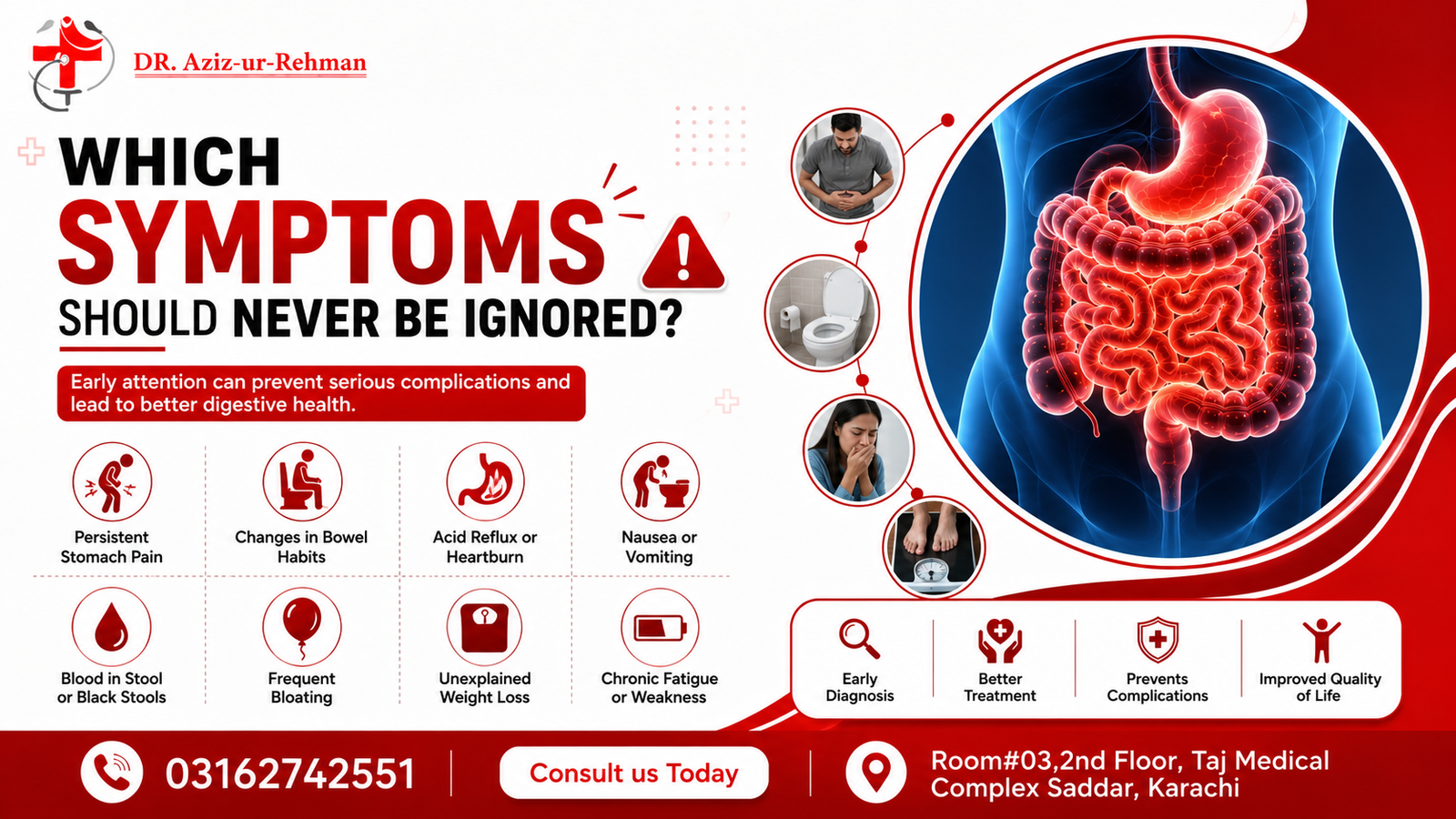
Many digestive diseases begin with mild symptoms that gradually worsen.
Watch for:
- Persistent heartburn
- Acid reflux
- Frequent nausea
- Vomiting
- Bloating after meals
- Blood in stool
- Unexplained anemia
- Difficulty swallowing
- Chronic fatigue
- Yellow eyes or skin
- Severe constipation
- Long lasting diarrhea
- Sudden weight loss
If these symptoms continue for more than two weeks, consult a gastroenterology specialist.
Which Diagnostic Tests Does a Gastroenterologist Perform?
Modern digestive care relies on advanced diagnostic procedures that help identify diseases early and guide appropriate treatment.
Test | Purpose | Common Conditions Diagnosed |
Upper GI Endoscopy | Examines the esophagus, stomach, and duodenum | GERD, ulcers, gastritis |
Colonoscopy | Examines the large intestine | Colon polyps, colorectal cancer, IBD |
Liver Function Tests | Evaluates liver health | Hepatitis, fatty liver, cirrhosis |
Ultrasound | Examines abdominal organs | Gallstones, liver disease |
Stool Tests | Detects infection or inflammation | IBS, infections, gastrointestinal bleeding |
Blood Tests | Identifies nutritional deficiencies and inflammation | Anemia, liver disease, infections |
These investigations allow doctors to make accurate diagnoses while avoiding unnecessary treatments.
Who Performs Endoscopy in Karachi?
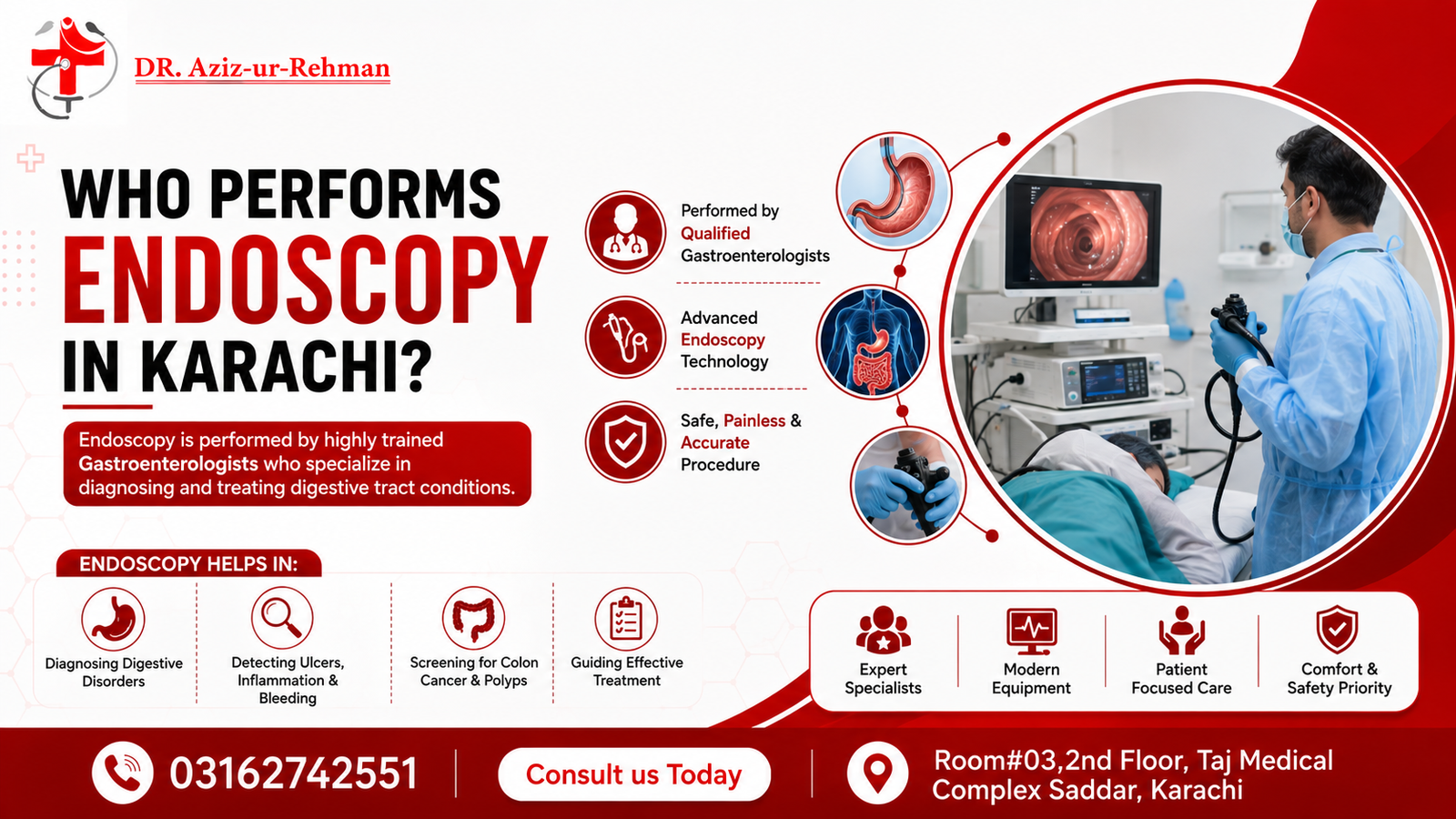
Endoscopy is performed by trained gastroenterologists who specialize in examining the digestive tract using a flexible camera called an endoscope.
An upper GI endoscopy helps diagnose:
- Acid reflux
- GERD
- Gastritis
- Stomach ulcers
- Esophageal inflammation
- Gastrointestinal bleeding
- Tumors
- Difficulty swallowing
The procedure usually takes less than 30 minutes and is often performed with sedation to improve patient comfort.
When Is Colonoscopy Recommended?
A colonoscopy is one of the most effective procedures for detecting diseases of the large intestine before they become serious. It allows a gastroenterologist to examine the entire colon using a flexible camera and remove abnormal growths during the same procedure if necessary.
Doctors commonly recommend a colonoscopy for:
- Persistent rectal bleeding
- Blood in the stool
- Long lasting constipation or diarrhea
- Unexplained abdominal pain
- Iron deficiency anemia
- Unexplained weight loss
- Family history of colorectal cancer
- Follow up of previously detected colon polyps
- Monitoring Crohn’s disease or ulcerative colitis
Benefits of Colonoscopy
- Detects colon cancer early
- Finds and removes precancerous polyps
- Identifies inflammation or ulcers
- Diagnoses unexplained digestive symptoms
- Reduces the risk of advanced colorectal cancer through early intervention
According to international screening guidelines, adults at average risk should begin colorectal cancer screening at 45 years of age, while those with higher risk factors may need screening earlier.
Which Doctor Treats Acid Reflux and GERD?
Occasional heartburn after a heavy meal is common, but frequent acid reflux may indicate Gastroesophageal Reflux Disease (GERD).
A gastroenterology specialist can diagnose the cause and recommend a treatment plan that may include lifestyle changes, medications, and diagnostic testing.
Common Symptoms of GERD
- Burning sensation in the chest
- Sour taste in the mouth
- Frequent burping
- Chronic cough
- Hoarseness
- Difficulty swallowing
- Chest discomfort after meals
Treatment Options
Treatment usually depends on symptom severity and may include:
- Eating smaller meals
- Avoiding late night eating
- Maintaining a healthy weight
- Limiting spicy and fried foods
- Reducing caffeine intake
- Prescribed acid reducing medicines
- Upper GI endoscopy when symptoms persist or warning signs appear
Ignoring long term acid reflux can increase the risk of complications such as esophageal inflammation and Barrett’s esophagus.
Who Treats IBS, Chronic Constipation, and Digestive Disorders?
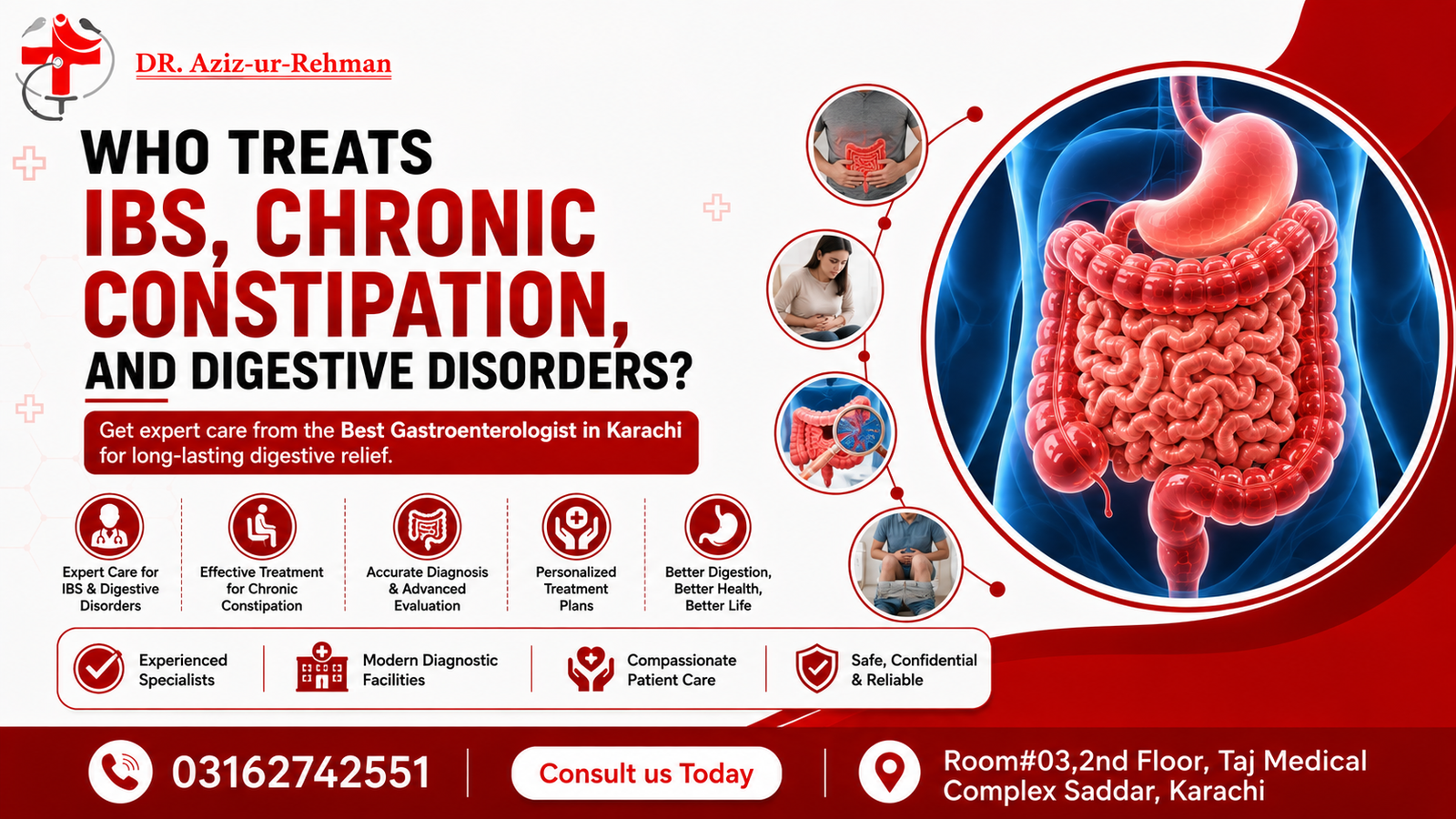
Irritable Bowel Syndrome (IBS) is one of the most common digestive conditions worldwide. Although it does not damage the intestines, it can significantly affect quality of life.
Symptoms of IBS
- Abdominal cramps
- Bloating
- Excess gas
- Alternating constipation and diarrhea
- Urgent bowel movements
- Feeling of incomplete bowel emptying
Since IBS symptoms often overlap with more serious diseases, a gastroenterologist may recommend blood tests, stool analysis, or a colonoscopy to rule out inflammatory bowel disease, infections, or colon cancer.
Managing IBS
An individualized treatment plan may include:
- Dietary adjustments
- Increased fiber intake when appropriate
- Regular physical activity
- Stress management
- Prescription medications based on symptoms
- Identifying personal food triggers
Keeping a food and symptom diary can help both patients and doctors identify patterns that contribute to flare ups.
Which Doctor Treats Fatty Liver and Hepatitis?
The liver plays a vital role in digestion, metabolism, and detoxification. Many liver conditions develop silently, with few symptoms during the early stages.
Common liver diseases include:
- Non Alcoholic Fatty Liver Disease (NAFLD)
- Hepatitis B
- Hepatitis C
- Alcohol related liver disease
- Cirrhosis
- Autoimmune liver disorders
Possible Warning Signs
- Persistent fatigue
- Yellow skin or eyes
- Abdominal swelling
- Loss of appetite
- Dark urine
- Unexplained weight loss
- Pain in the upper right abdomen
Diagnosis may involve:
- Liver function tests
- Viral hepatitis screening
- Ultrasound
- Fibrosis assessment
- Advanced imaging when required
Early treatment can slow disease progression and help prevent long term liver damage.
What Is the Difference Between a Gastroenterologist and a Hepatologist?
Many patients are unsure which specialist they need.
Gastroenterologist | Hepatologist |
Treats the entire digestive system | Focuses mainly on liver diseases |
Manages stomach, intestines, pancreas, gallbladder, esophagus, and liver | Specializes in advanced liver conditions |
Performs endoscopy and colonoscopy | Often manages severe hepatitis, cirrhosis, liver failure, and transplant related care |
Treats GERD, IBS, ulcers, gastritis, and digestive bleeding | Treats complex liver disorders requiring specialized care |
For many routine liver conditions, patients are first evaluated by a gastroenterologist and referred to a hepatologist if highly specialized treatment is needed.
How Do You Choose the Right Gastroenterologist?
Selecting the right specialist can make a significant difference in your diagnosis, treatment, and overall experience.
Consider These Factors
✔ Medical qualifications and board certification
✔ Experience treating your specific condition
✔ Expertise in endoscopy and colonoscopy
✔ Hospital affiliation
✔ Positive patient reviews
✔ Clear communication and willingness to answer questions
✔ Availability of modern diagnostic facilities
✔ Personalized treatment approach
A good gastroenterologist explains your diagnosis in simple language, discusses available treatment options, and involves you in decision making.
What Questions Should You Ask During Your Appointment?
Preparing questions before your visit helps you make the most of your consultation.
Consider asking:
- What is causing my symptoms?
- Do I need an endoscopy or colonoscopy?
- Are additional blood or imaging tests necessary?
- Could my symptoms be related to diet or lifestyle?
- What treatment options are available?
- What side effects should I expect from medication?
- When should I return for follow up?
- What warning signs require immediate medical attention?
Taking previous medical records and a list of medications to your appointment can also improve the accuracy of your evaluation.
Common Mistakes Patients Make
Many digestive diseases become more difficult to treat because of delayed medical care.
Avoid these common mistakes:
- Ignoring persistent stomach pain
- Taking over-the-counter medicines for months without medical advice
- Delaying evaluation for rectal bleeding
- Skipping recommended screening tests
- Self-diagnosing using internet searches
- Stopping prescribed medication too early
- Ignoring lifestyle changes after treatment
Early diagnosis often leads to faster recovery and fewer complications.
Expert Tips for Better Digestive Health
Maintaining a healthy digestive system involves more than treating illness. Small daily habits can significantly improve gut health and reduce the risk of many gastrointestinal conditions.
Healthy Habits That Support Digestion
- Eat a balanced diet rich in fruits, vegetables, and whole grains.
- Drink enough water throughout the day.
- Exercise regularly to promote healthy bowel movements.
- Limit processed and high fat foods.
- Avoid smoking and excessive alcohol consumption.
- Manage stress through relaxation techniques or physical activity.
- Get adequate sleep each night.
- Follow your doctor’s advice regarding medications and follow-up care.
These simple habits can support long-term digestive wellness and may lower the risk of several common gastrointestinal disorders.
Frequently Asked Questions
Who is the best gastroenterologist in Karachi?
The best gastroenterologist is a qualified, experienced specialist with expertise in diagnosing and treating digestive, liver, pancreas, gallbladder, and intestinal diseases. Look for board certification, hospital affiliation, patient reviews, and experience performing procedures such as endoscopy and colonoscopy.
When should I see a gastroenterologist?
You should consult a gastroenterologist if you have symptoms such as persistent heartburn, abdominal pain, bloating, chronic constipation, diarrhea, blood in the stool, difficulty swallowing, unexplained weight loss, jaundice, or recurring nausea and vomiting. Symptoms lasting more than two weeks should be medically evaluated.
Who performs endoscopy and colonoscopy?
Endoscopy and colonoscopy are performed by trained gastroenterologists. These procedures help diagnose conditions such as GERD, stomach ulcers, gastritis, inflammatory bowel disease, gastrointestinal bleeding, colon polyps, and colorectal cancer.
What is the difference between IBS and IBD?
IBS (Irritable Bowel Syndrome) is a functional digestive disorder that causes symptoms like abdominal pain, bloating, constipation, or diarrhea without damaging the intestines. IBD (Inflammatory Bowel Disease), which includes Crohn’s disease and ulcerative colitis, involves chronic inflammation that can permanently affect the digestive tract and usually requires long-term medical treatment.
Can a gastroenterologist treat fatty liver disease?
Yes. Gastroenterologists diagnose and manage fatty liver disease, hepatitis, liver inflammation, cirrhosis, and other liver disorders. Treatment often includes lifestyle changes, weight management, dietary improvements, regular monitoring, and medication when necessary.
Conclusion
Choosing the best gastroenterologist in Karachi is an important step toward protecting your digestive health and improving your quality of life. Whether you are dealing with acid reflux, persistent stomach pain, IBS, liver disease, gastritis, or unexplained digestive symptoms, early evaluation by a qualified gastroenterology specialist can lead to faster diagnosis and more effective treatment.
Modern gastroenterologists use advanced diagnostic tools such as endoscopy, colonoscopy, laboratory testing, and imaging to identify the underlying cause of digestive disorders. Along with medical treatment, healthy eating habits, regular exercise, proper hydration, and routine health screenings play a vital role in preventing many gastrointestinal diseases.
Never ignore persistent symptoms such as abdominal pain, rectal bleeding, unexplained weight loss, chronic constipation, or ongoing diarrhea. Seeking medical advice at the right time can prevent complications and improve long-term outcomes.
If you or a loved one is experiencing digestive health concerns, schedule a consultation with an experienced gastroenterology specialist for a complete evaluation and a personalized treatment plan. Early care is one of the best investments you can make for your overall health.
If you are experiencing persistent digestive symptoms, book an appointment with Dr. Azizur Rehman for expert diagnosis and personalized treatment in Karachi.