
Persistent stomach discomfort, bloating after meals, acid reflux, constipation, diarrhea, or unexplained abdominal pain can significantly affect your daily life.
Many people ignore these symptoms for months, hoping they will disappear on their own. However, digestive problems often signal underlying conditions that require professional evaluation and treatment.
The digestive system plays a crucial role in overall health. It breaks down food, absorbs nutrients, and eliminates waste.
When any part of this complex system fails to function properly, it can impact energy levels, immunity, and quality of life.
Seeking care from a digestive specialist in Karachi can help identify the root cause of symptoms and provide effective treatment before complications develop.
Whether you are experiencing occasional heartburn or a chronic gastrointestinal condition, expert medical guidance can make a significant difference.
This guide provides comprehensive information on digestive health specialists, common digestive disorders, available treatments, diagnostic procedures, and how to select the right expert for your specific needs.
Why Should You Visit a Digestive Specialist Instead of Self-Treating?
Many digestive symptoms appear harmless initially. People often rely on over-the-counter medications or home remedies without identifying the actual cause.
A qualified Gastroenterologist in Karachi specializes in diagnosing and treating conditions affecting the:
- Esophagus
- Stomach
- Small intestine
- Large intestine
- Colon
- Rectum
- Liver
- Gallbladder
- Pancreas
Professional evaluation is important because symptoms such as heartburn, abdominal pain, bloating, and irregular bowel habits may indicate more serious conditions.
Common Warning Signs
You should seek medical attention if you experience:
- Frequent acid reflux
- Persistent abdominal pain
- Chronic constipation
- Chronic diarrhea
- Blood in stool
- Unexplained weight loss
- Difficulty swallowing
- Severe bloating
- Nausea and vomiting
Early diagnosis often leads to more successful treatment outcomes.
What Conditions Does a Digestive System Doctor in Karachi Treat?
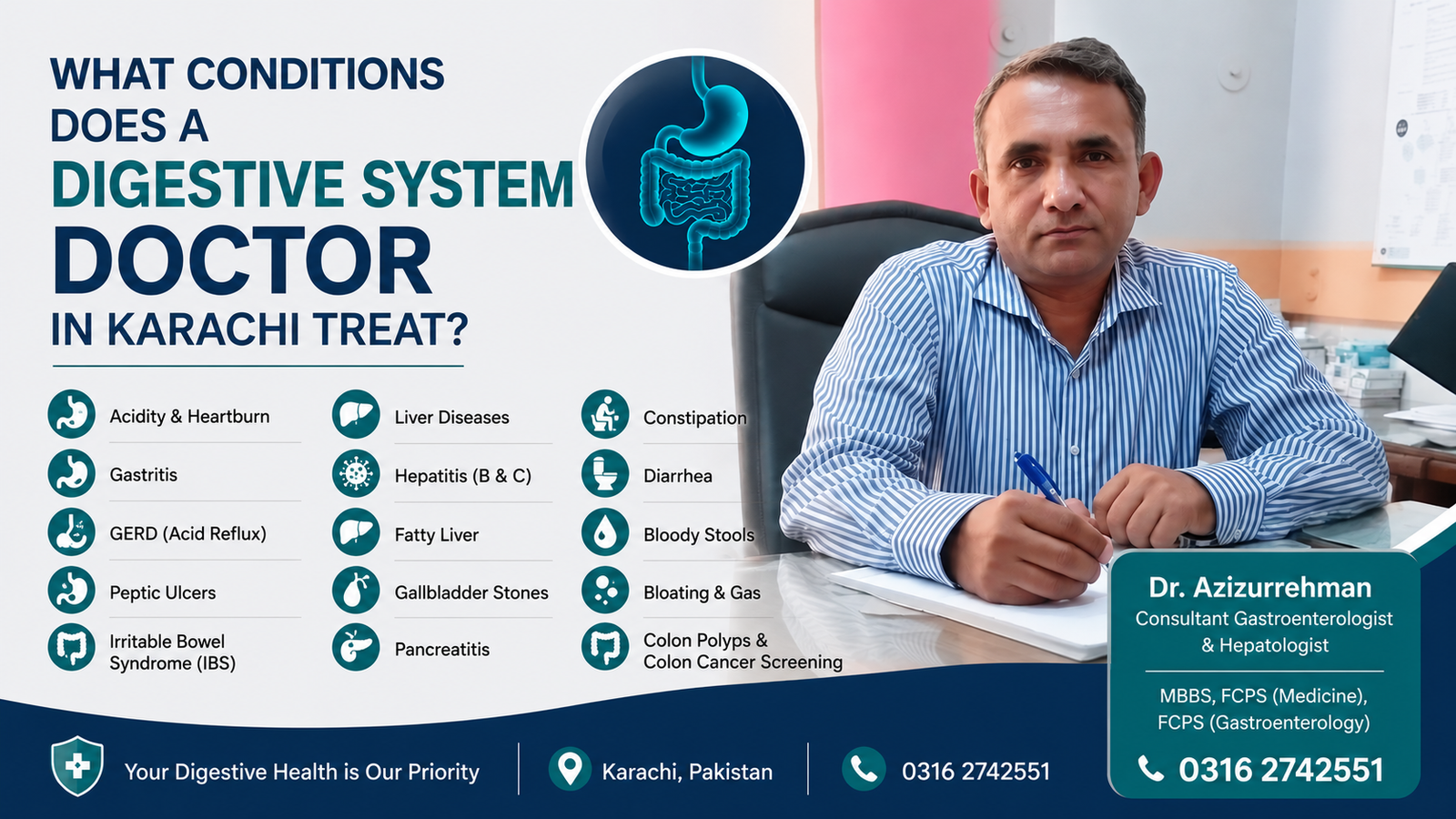
Digestive specialists manage a wide range of gastrointestinal disorders.
Acid Reflux and GERD
Gastroesophageal reflux disease (GERD) occurs when stomach acid repeatedly flows back into the esophagus.
Common symptoms include:
- Burning sensation in the chest
- Sour taste in the mouth
- Difficulty swallowing
- Chronic cough
Timely Acidity and Heartburn Treatment can prevent complications such as esophageal inflammation and ulcers.
Irritable Bowel Syndrome (IBS)
IBS is a common gastrointestinal disorder that affects the large intestine.
Symptoms include:
- Abdominal cramps
- Bloating
- Constipation
- Diarrhea
Many patients seek IBS Treatment in Karachi when symptoms begin interfering with work and daily activities.
Peptic Ulcers
Ulcers develop in the lining of the stomach or upper intestine due to bacterial infection or long-term medication use.
Inflammatory Bowel Disease (IBD)
This category includes:
- Crohn’s Disease
- Ulcerative Colitis
These chronic conditions require ongoing management and specialist care.
Gallbladder Disorders
Gallstones and gallbladder inflammation often cause severe abdominal pain after meals.
Liver Diseases
Digestive experts also diagnose and manage:
- Fatty liver disease
- Hepatitis
- Cirrhosis
- Liver fibrosis
How Does a Digestive Health Specialist Karachi Diagnose Digestive Disorders?
Accurate diagnosis is the foundation of effective treatment.
A specialist typically begins with:
- Detailed medical history
- Physical examination
- Symptom review
- Dietary assessment
Additional tests may include:
Blood Tests
Blood work can identify:
- Infections
- Liver dysfunction
- Inflammation
- Nutritional deficiencies
Stool Analysis
Stool testing helps detect:
- Infections
- Bleeding
- Digestive abnormalities
Imaging Studies
Diagnostic imaging may include:
- Ultrasound
- CT Scan
- MRI
These tools provide detailed views of internal organs.
Endoscopic Procedures
One of the most valuable diagnostic tools involves direct visualization of the digestive tract.
This is where Endoscopy and Colonoscopy Services Karachi play a vital role.
When Are Endoscopy and Colonoscopy Procedures Recommended?
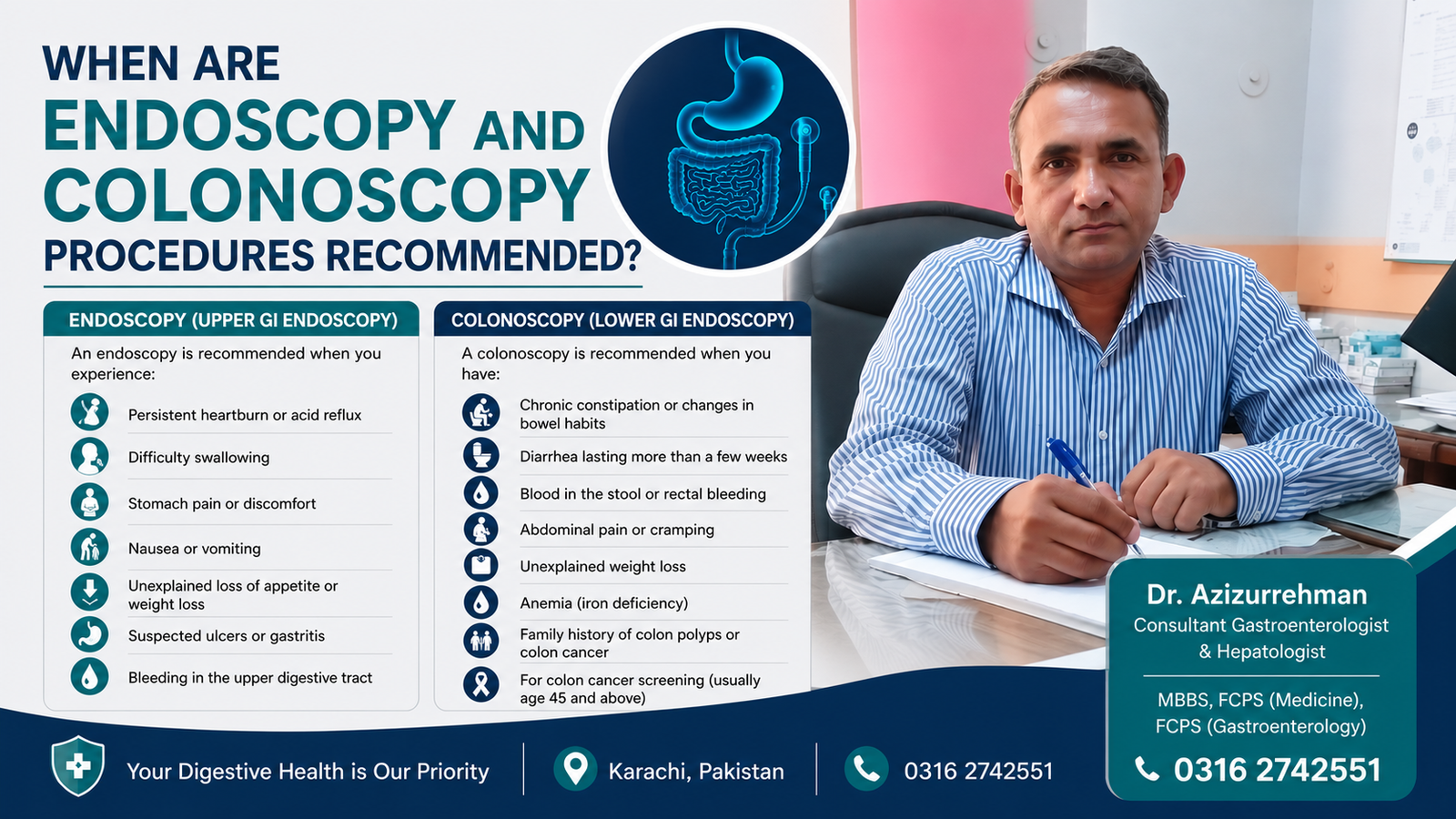
Endoscopy
An upper endoscopy allows doctors to examine:
- Esophagus
- Stomach
- Upper small intestine
It is commonly recommended for:
- Persistent heartburn
- Stomach pain
- Difficulty swallowing
- Gastrointestinal bleeding
Colonoscopy
A colonoscopy examines the colon and rectum.
Doctors often recommend it for:
- Chronic diarrhea
- Rectal bleeding
- Colon cancer screening
- Changes in bowel habits
According to leading gastroenterology organizations, regular colon cancer screening significantly reduces mortality through early detection and treatment.
What Makes the Best Digestive Specialist in Karachi Stand Out?
Choosing the right specialist can directly impact treatment success.
Look for the following qualities:
Strong Clinical Experience
Experienced specialists have treated a wide range of gastrointestinal conditions and can recognize complex symptoms more efficiently.
Advanced Diagnostic Skills
Modern digestive care relies heavily on advanced diagnostic procedures and evidence-based medicine.
Patient-Centered Communication
A good doctor explains:
- Diagnosis
- Treatment options
- Risks
- Lifestyle modifications
in a way that patients can easily understand.
Access to Modern Facilities
Leading specialists often work with hospitals equipped with:
- Advanced endoscopy units
- Digital imaging systems
- Laboratory services
Multidisciplinary Approach
Complex digestive disorders may require collaboration with:
- Surgeons
- Nutritionists
- Hepatologists
- Oncologists
How do Specialists evaluate Abdominal Pain?
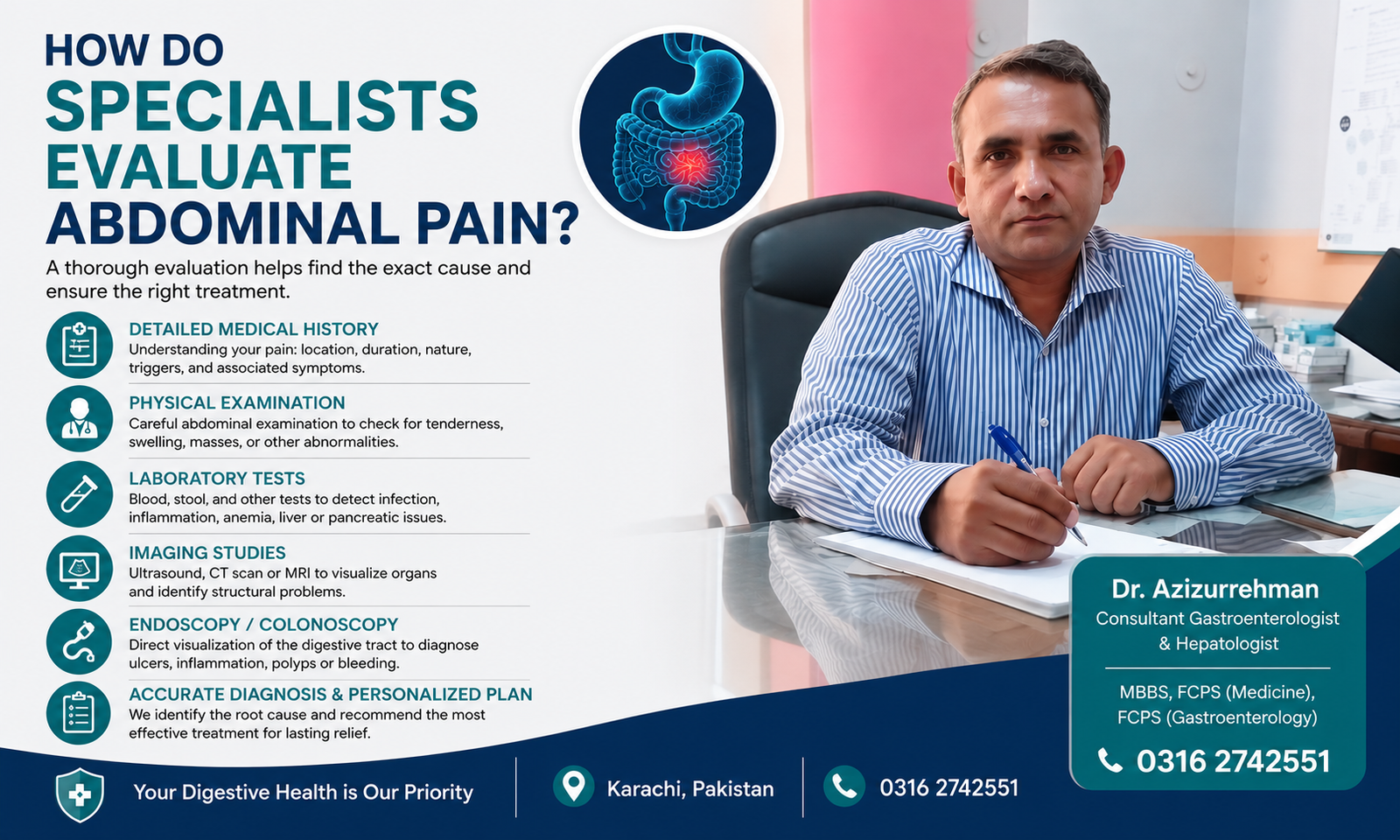
Abdominal pain can arise from many causes.
An Abdominal Pain Specialist Karachi evaluates factors such as:
Symptom Pattern | Possible Cause |
Upper abdominal pain | Gastritis, ulcers |
Right-sided pain | Gallstones |
Lower abdominal pain | IBS, colitis |
Cramping pain | Intestinal disorders |
Pain after meals | GERD, gallbladder disease |
Common Mistakes Patients Make
- Ignoring recurring pain
- Excessive use of painkillers
- Self-diagnosing online
- Delaying medical evaluation
Prompt assessment can prevent complications and improve outcomes.
What Lifestyle Changes Support Better Digestive Health?
Medical treatment works best when combined with healthy lifestyle habits.
Eat a Balanced Diet
Focus on:
- Fruits
- Vegetables
- Whole grains
- Lean proteins
Limit:
- Processed foods
- Excess sugar
- Excessive fried foods
Stay Hydrated
Adequate hydration supports digestion and regular bowel movements.
Exercise Regularly
Physical activity helps maintain healthy digestive function.
Manage Stress
Research has shown a strong connection between stress and digestive symptoms.
Helpful techniques include:
- Meditation
- Deep breathing
- Yoga
- Regular sleep patterns
Avoid Smoking and Excessive Alcohol
Both can worsen digestive conditions and increase disease risk.
What Treatment Options Are Available for Digestive Disorders?
Treatment depends on the underlying condition.
Medication Therapy
Doctors may prescribe:
- Acid suppressants
- Antibiotics
- Anti-inflammatory medications
- Antispasmodics
Nutritional Counseling
Dietary modifications are often a key part of treatment.
Endoscopic Interventions
Some conditions can be treated during endoscopy without surgery.
Surgical Treatment
Certain cases involving:
- Gallstones
- Severe ulcers
- Colon disease
may require surgical intervention.
How Can You Prepare for Your First Appointment?
To make the most of your consultation:
Bring Medical Records
Include:
- Previous test results
- Medication lists
- Imaging reports
Track Symptoms
Keep notes about:
- Frequency
- Duration
- Severity
- Trigger foods
Prepare Questions
Examples include:
- What could be causing my symptoms?
- Do I need additional testing?
- What dietary changes should I make?
- Are there warning signs that require urgent attention?
Being prepared helps improve diagnostic accuracy and treatment planning.
Why Is Early Treatment Important for Digestive Disorders?
Many gastrointestinal conditions become more difficult to treat when ignored.
Early intervention may:
- Reduce complications
- Improve quality of life
- Prevent disease progression
- Lower healthcare costs
- Improve long-term outcomes
For example, detecting colon polyps early through screening can prevent the development of colorectal cancer.
Similarly, managing GERD early can prevent chronic damage to the esophagus.
FAQs
When should I see a gastroenterologist for digestive problems?
You should consult a specialist if symptoms such as abdominal pain, acid reflux, bloating, diarrhea, constipation, or blood in stool persist for more than a few weeks.
What is the difference between a gastroenterologist and a general physician?
A gastroenterologist has advanced training in diagnosing and treating diseases of the digestive system, while a general physician manages a broader range of health conditions.
Is endoscopy painful?
Most endoscopy procedures are performed with sedation, making them comfortable for patients with minimal discomfort.
Can IBS be cured permanently?
IBS is typically managed rather than cured. Lifestyle modifications, dietary changes, and medications can effectively control symptoms.
What foods help improve digestive health?
Foods rich in fiber, probiotics, fruits, vegetables, and whole grains support healthy digestion and promote beneficial gut bacteria.
Conclusion
Choosing a qualified digestive specialist in Karachi is one of the most important steps toward maintaining long-term digestive wellness.
Whether you are experiencing chronic acidity, abdominal pain, IBS symptoms, liver concerns, or other gastrointestinal issues, a timely medical evaluation can lead to an accurate diagnosis and effective treatment.
Modern diagnostic tools, personalized treatment plans, and lifestyle modifications allow patients to manage digestive disorders successfully and improve their quality of life.
If you are experiencing persistent digestive symptoms, schedule a consultation with a qualified specialist and take proactive steps toward better health today.