
Have you ever ignored stomach pain and hoped it would disappear on its own?
Many people experience abdominal discomfort, bloating, cramps, digestive issues, or unexplained pain almost every day.
Most assume it is just something they ate, stress, or a temporary problem.
However, persistent abdominal symptoms can sometimes indicate a serious medical condition that requires expert attention.
The biggest problem is that many patients wait too long before seeking professional care.
During this delay, some conditions become more severe, treatment becomes more complicated, and recovery may take longer than expected.
This is where an abdominal specialist plays an important role.
These specialists evaluate abdominal symptoms, identify the root cause, and recommend the most effective treatment plan.
In this article, you will learn which symptoms should never be ignored, when to visit a specialist, how abdominal conditions are diagnosed, and what treatment options may be available.
Abdomen Specialist Doctor
Abdominal health is closely connected to overall wellbeing.
The abdomen contains several important organs, including the stomach, liver, pancreas, intestines, gallbladder, and kidneys.
A problem affecting any of these organs can cause discomfort, pain, or digestive issues.
An abdominal specialist doctor has the expertise to evaluate symptoms that affect this region of the body.
They use medical history, physical examination, laboratory testing, and advanced imaging techniques to identify the exact cause of a patient’s symptoms.
Seeking timely medical attention can prevent complications and help patients receive the appropriate treatment before conditions worsen.
What Does an Abdomen Specialist Doctor Treat?
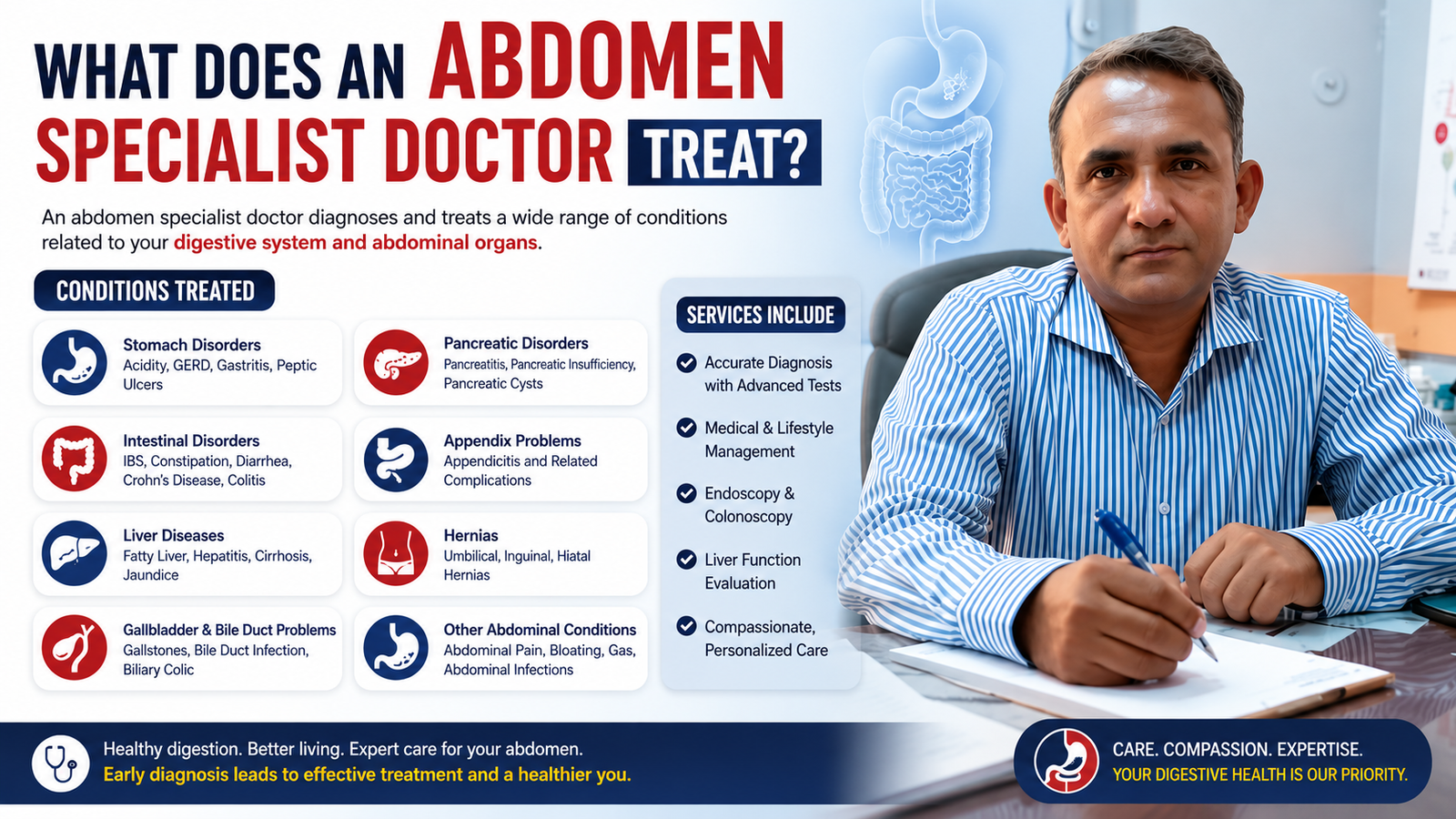
An abdominal specialist manages a wide range of abdominal and digestive conditions.
These may include:
- Chronic abdominal pain
- Gallbladder disease
- Appendicitis
- Gastric ulcers
- Acid reflux
- Liver disorders
- Pancreatic conditions
- Intestinal infections
- Irritable bowel syndrome
- Constipation
- Diarrhea
- Hernias
- Kidney-related abdominal pain
Each condition requires a different approach. Accurate diagnosis is essential because symptoms of several abdominal diseases often appear very similar.
Why Do Many People Ignore Abdominal Pain Until It Becomes Severe?
One of the most common mistakes patients make is assuming that abdominal pain is always harmless.
Many people continue their daily routine despite experiencing symptoms such as:
- Repeated stomach pain
- Bloating after meals
- Loss of appetite
- Nausea
- Digestive discomfort
- Changes in bowel habits
Unfortunately, these symptoms may sometimes indicate serious medical issues.
Delaying medical evaluation can allow the condition to progress further.
Early assessment by a qualified specialist often leads to faster diagnosis and better treatment outcomes.
Which Symptoms Should Prompt You To Visit An Abdominal Specialist Doctor?
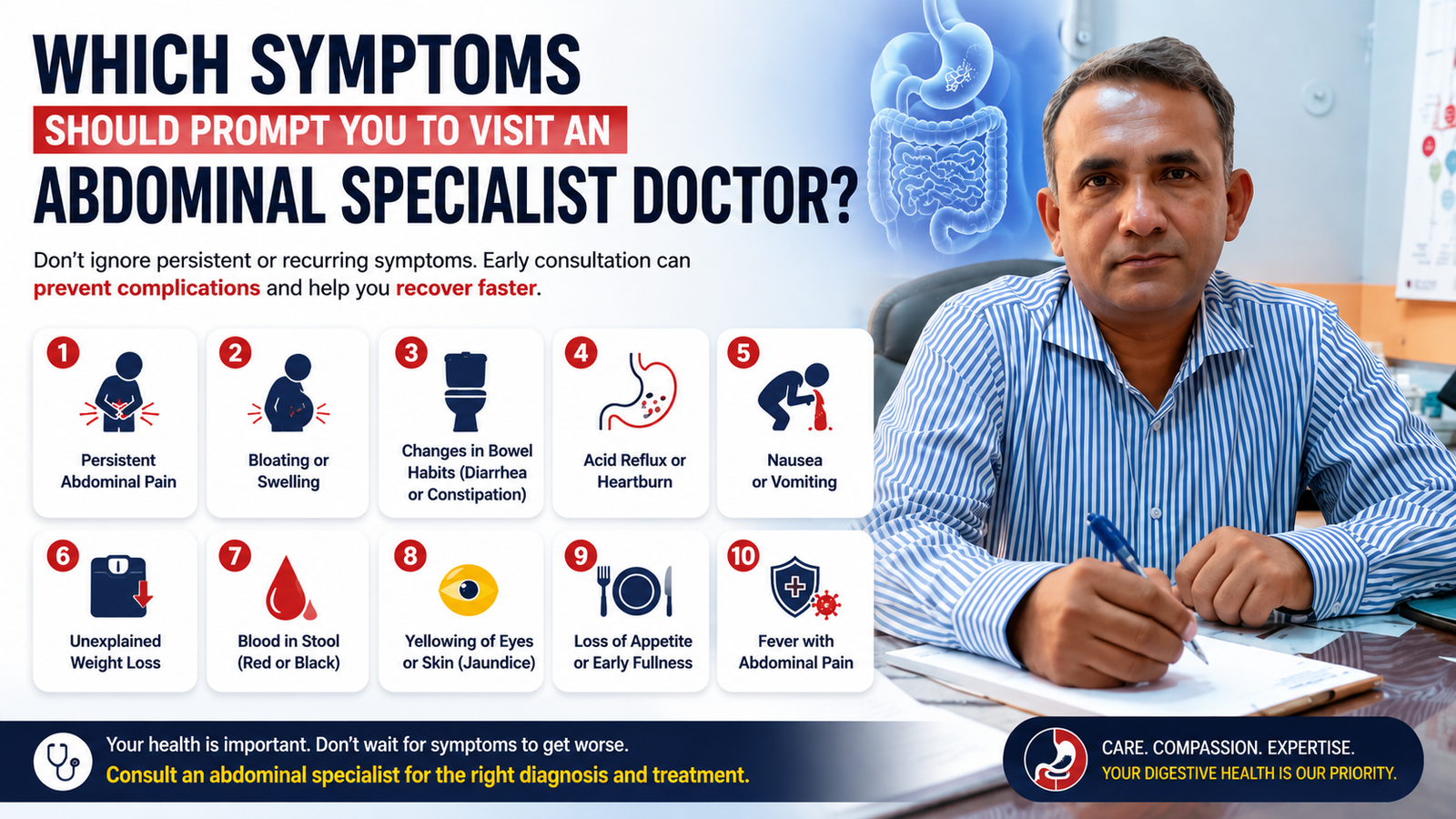
Certain symptoms should never be ignored.
You should consider a professional medical evaluation if you experience:
- Persistent abdominal pain lasting several days
- Severe cramps that interfere with daily activities
- Blood in stool
- Frequent vomiting
- Unexplained weight loss
- Ongoing constipation
- Chronic diarrhea
- Difficulty eating
- Persistent bloating
- Yellow discoloration of the skin or eyes
- Fever accompanied by abdominal pain
These symptoms may indicate an underlying condition that requires immediate attention.
What Causes Chronic Abdominal Pain?
Chronic abdominal pain can develop for many reasons.
Some of the most common causes include:
Digestive Disorders
Conditions affecting the digestive system can create recurring discomfort and pain.
Gallbladder Problems
Gallstones and inflammation may trigger sharp pain, especially after meals.
Liver Conditions
Certain liver diseases can cause abdominal discomfort and digestive disturbances.
Intestinal Disorders
Inflammation, infections, or bowel-related conditions can produce long-term symptoms.
Pancreatic Diseases
The pancreas plays a major role in digestion. Problems affecting this organ can lead to significant abdominal pain.
Because multiple conditions can produce similar symptoms, professional evaluation is necessary for accurate diagnosis.
How Does An Abdomen Specialist Doctor Diagnose Abdominal Conditions?
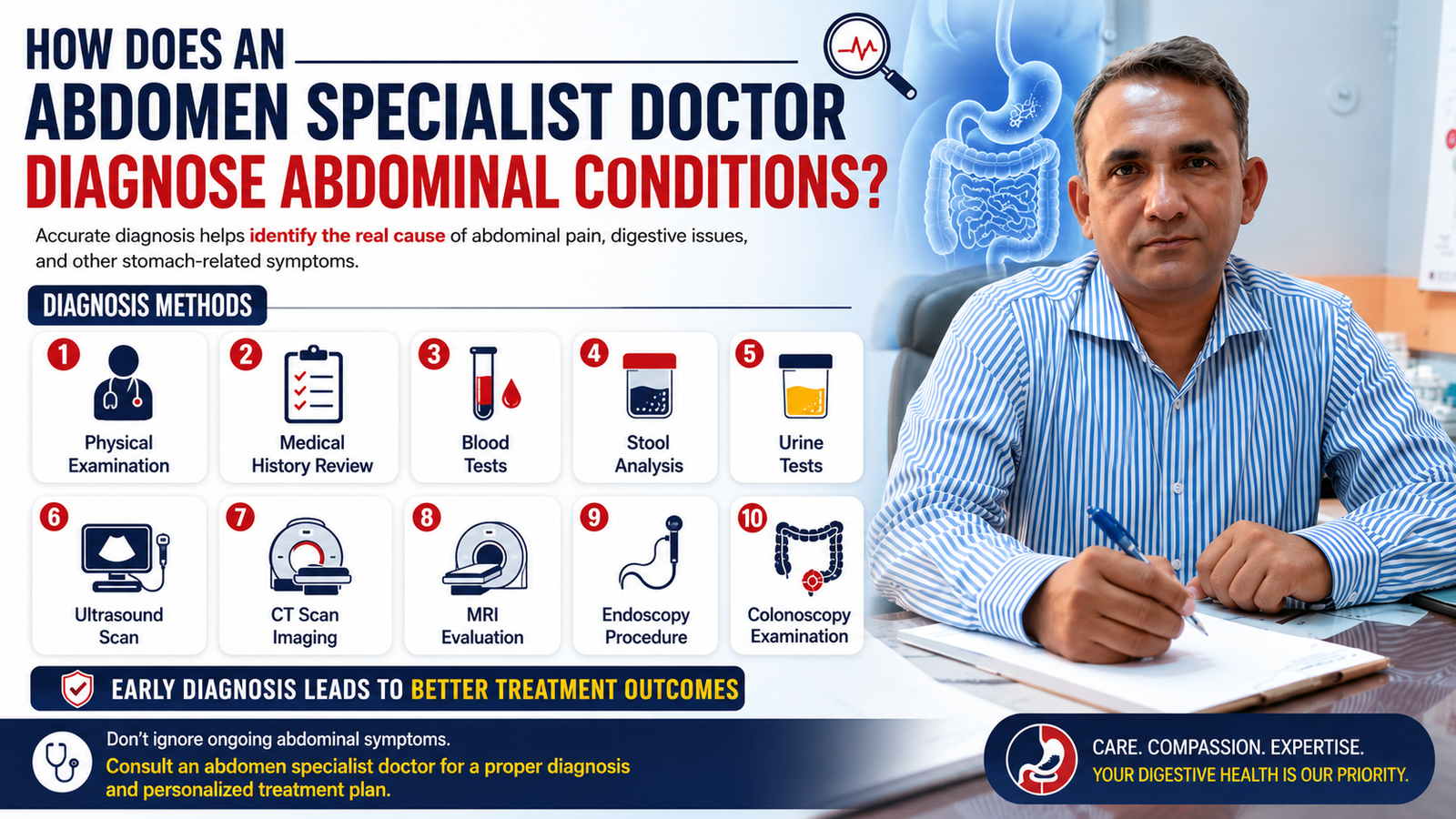
Diagnosis begins with a detailed assessment of the patient’s symptoms and medical history.
The specialist may ask questions about:
- Location of pain
- Severity of symptoms
- Eating habits
- Previous medical conditions
- Family medical history
After the initial assessment, diagnostic tests may include:
Blood Tests
Blood tests help identify infections, inflammation, liver conditions, and other abnormalities.
Ultrasound Examination
Ultrasound imaging allows doctors to evaluate internal organs and identify structural problems.
CT Scan
A CT scan provides detailed images of abdominal structures.
MRI Scan
MRI imaging offers additional information when a more detailed evaluation is required.
Endoscopy
An endoscopy allows direct visualization of parts of the digestive tract.
These diagnostic tools help specialists determine the exact cause of symptoms and develop an effective treatment strategy.
Can Lifestyle Habits Affect Abdominal Health?
Yes, lifestyle choices can significantly influence abdominal health.
Several habits may increase the risk of digestive and abdominal disorders:
- Poor dietary choices
- Excessive processed food consumption
- Lack of physical activity
- Smoking
- Excessive alcohol intake
- Chronic stress
- Inadequate hydration
Making healthier lifestyle choices can support digestive function and reduce the risk of certain abdominal conditions.
What Treatment Options Are Available For Abdominal Conditions?
Treatment depends on the underlying cause.
Common treatment approaches may include:
Medication
Many conditions respond well to prescription medications.
Dietary Changes
Improving eating habits often helps manage digestive symptoms.
Lifestyle Modifications
Exercise, hydration, and stress management can improve overall abdominal health.
Minimally Invasive Procedures
Certain conditions may require specialized medical procedures.
Surgery
In some cases, surgical treatment may be necessary to resolve the problem.
The treatment plan is always tailored to the patient’s specific diagnosis and overall health condition.
How Can You Protect Your Abdominal Health Every Day?
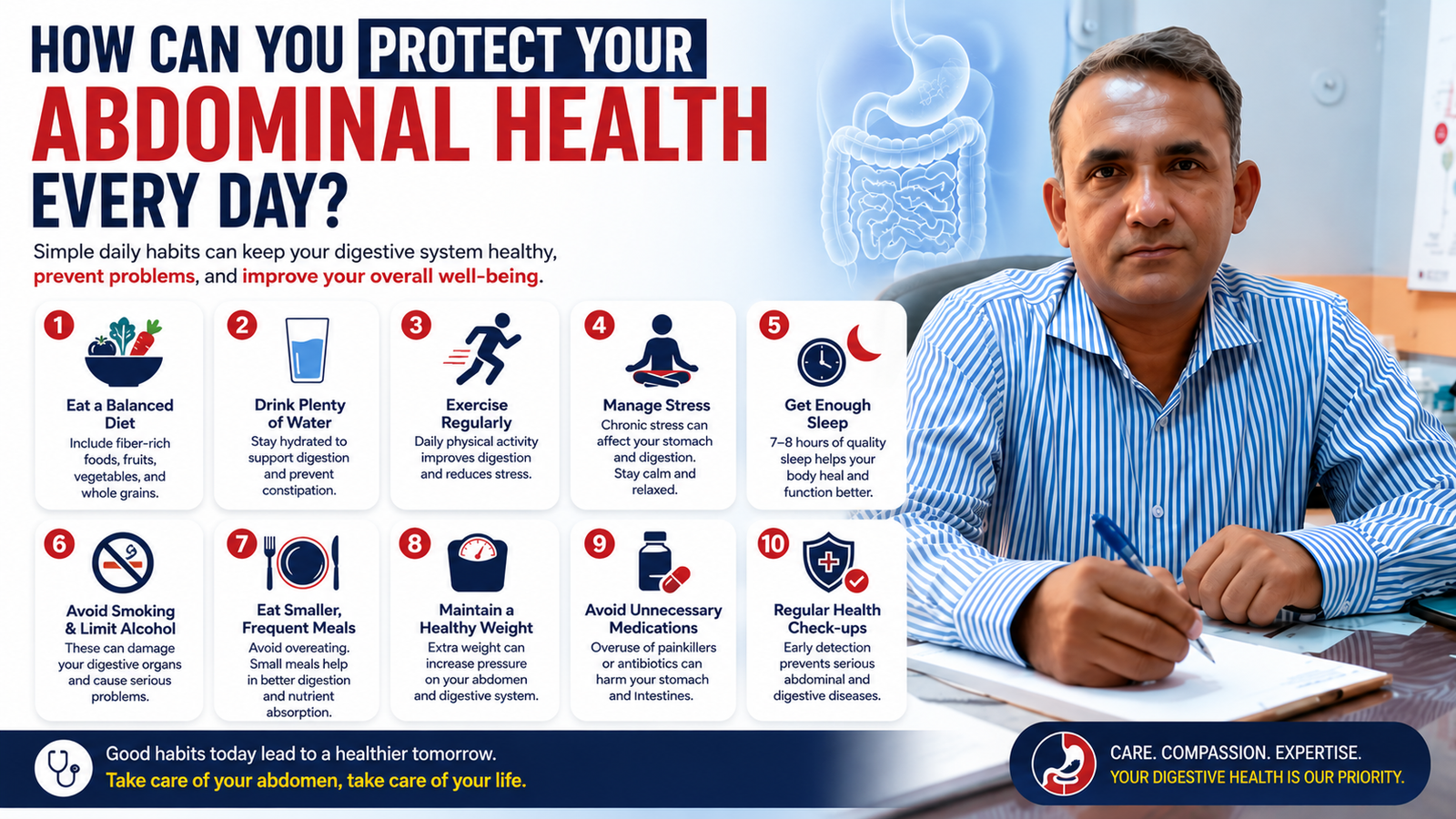
Simple daily habits can make a significant difference.
Consider these recommendations:
- Eat balanced meals
- Increase fruit and vegetable intake
- Drink adequate water
- Exercise regularly
- Avoid excessive alcohol consumption
- Manage stress effectively
- Attend routine medical checkups
- Seek medical attention when symptoms persist
These steps can support healthy digestive function and reduce the likelihood of developing certain abdominal conditions.
Why Is Early Medical Evaluation Important For Abdominal Symptoms?
Many abdominal diseases are easier to manage when detected early.
Prompt evaluation can help:
- Identify the root cause quickly
- Prevent complications
- Improve treatment success
- Reduce discomfort
- Support faster recovery
Ignoring symptoms often increases the risk of disease progression and more complicated treatment requirements.
FAQ
When should I visit an abdominal specialist?
You should visit an abdominal specialist doctor if you experience persistent abdominal pain, bloating, nausea, digestive issues, unexplained weight loss, or changes in bowel habits that do not improve over time.
What conditions does an abdominal specialist treat?
An abdominal specialist doctor treats various conditions, including stomach ulcers, acid reflux, gallbladder disease, liver disorders, intestinal problems, appendicitis, chronic abdominal pain, and digestive system diseases.
What tests may an abdominal specialist recommend?
Depending on your symptoms, the doctor may recommend blood tests, ultrasound scans, CT scans, MRI scans, stool tests, or endoscopy to identify the cause of your abdominal condition.
Can abdominal pain be a sign of a serious health problem?
Yes, persistent or severe abdominal pain can sometimes indicate serious conditions such as gallstones, liver disease, appendicitis, digestive disorders, or intestinal problems that require medical evaluation.
How can I improve my abdominal health naturally?
You can support abdominal health by eating a balanced diet, drinking enough water, exercising regularly, managing stress, avoiding smoking, and seeking medical care when symptoms persist.
Conclusion
When abdominal symptoms continue for an extended period, they should never be dismissed as a minor issue.
Persistent pain, digestive disturbances, bloating, nausea, or unexplained changes in bowel habits may indicate an underlying condition that requires professional attention.
An abdominal specialist doctor has the expertise to diagnose a wide range of abdominal disorders and create an effective treatment plan based on the patient’s specific needs.
Early diagnosis often leads to better outcomes, improved quality of life, and reduced risk of complications.
If you are experiencing ongoing abdominal symptoms, seeking a timely medical evaluation may be one of the most important decisions you make for your long-term health.