
Digestive problems can affect your stomach, intestines, liver, gallbladder, pancreas, and other parts of the gastrointestinal system.
If symptoms such as persistent stomach pain, acidity, bloating, constipation, diarrhea, vomiting, or changes in bowel habits keep returning, you may need to consult a digestive disease specialist.
A digestive disease specialist is usually a gastroenterologist, a medical doctor trained to diagnose and manage conditions affecting the digestive system.
In Pakistan, people may also search for a digestive health doctor, stomach specialist, or gastrointestinal specialist when looking for professional care.
For patients in Karachi, Dr. Aziz-ur-Rehman is one specialist option to consider.
His official clinic information describes him as specializing in gastroenterology and hepatology and lists care for stomach, intestinal, and liver disorders.
This guide explains what a digestive disease specialist does, which symptoms require an appointment, common digestive conditions, diagnostic tests, treatment options, and how to choose the right specialist in Pakistan.
What Is a Digestive Disease Specialist?
A digestive disease specialist is a doctor who evaluates and treats diseases involving the digestive tract and related organs.
In most cases, the appropriate specialist is a gastroenterologist. Gastroenterologists receive specialized medical training in the diagnosis and treatment of disorders affecting the esophagus, stomach, small intestine, large intestine, rectum, liver, gallbladder, bile ducts, and pancreas.
A digestive disease specialist can help when digestive symptoms are persistent, severe, unexplained, or repeatedly returning despite basic treatment.
For example, occasional indigestion after eating a heavy meal may not require specialist care.
However, ongoing heartburn, unexplained weight loss, repeated vomiting, blood in stool, or chronic abdominal pain deserves medical evaluation.
What Does a Gastroenterologist Treat?
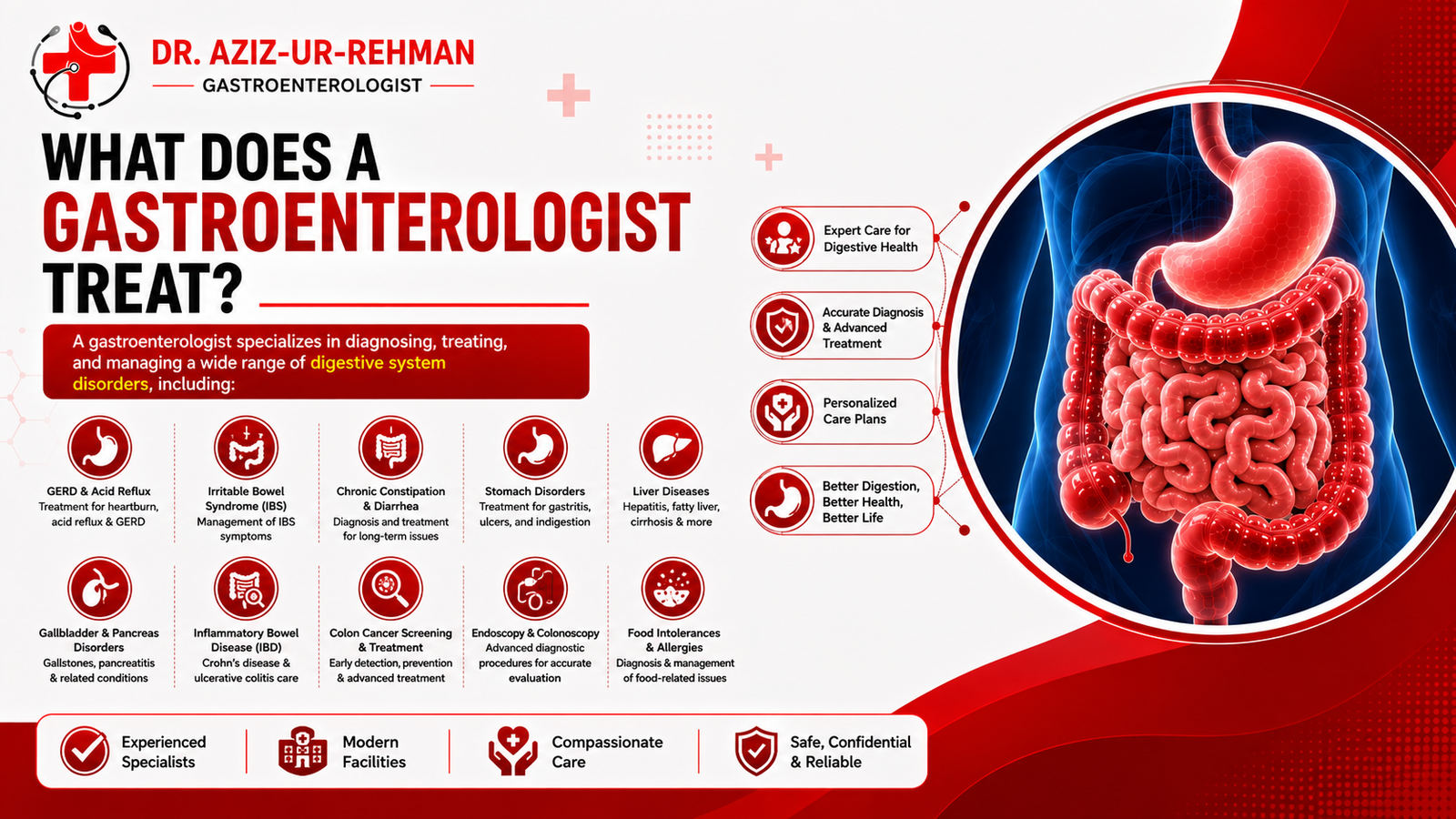
A gastroenterologist treats a wide range of digestive disorders.
Some conditions are relatively common, while others require long-term monitoring or advanced procedures.
Common problems managed by a gastrointestinal specialist include:
- Acid reflux and GERD
- Gastritis
- Peptic ulcers
- Irritable bowel syndrome
- Inflammatory bowel disease
- Constipation and chronic diarrhea
- Celiac disease
- Liver disorders and hepatitis
- Fatty liver disease
- Gallbladder disorders
- Pancreatic diseases
- Gastrointestinal bleeding
- Certain digestive system cancers
The exact treatment depends on the patient’s symptoms, medical history, examination, and test results.
When Should You See a Digestive Health Doctor?
You should consider seeing a digestive health doctor when digestive symptoms are persistent, recurrent, unexplained, or interfering with everyday activities.
A gastroenterologist may be particularly appropriate when symptoms do not improve with basic lifestyle measures or when a general physician recommends specialist evaluation.
Persistent abdominal pain
Abdominal pain can have many causes.
Gas, constipation, food intolerance, infection, ulcers, gallstones, and other digestive conditions can produce similar symptoms.
The location, duration, severity, and pattern of the pain can help a doctor determine which tests may be necessary.
Frequent heartburn or acid reflux
Occasional heartburn is common. Frequent or severe symptoms may indicate gastroesophageal reflux disease, commonly called GERD.
A stomach specialist can assess whether lifestyle changes, medication, testing, or further evaluation are appropriate.
Repeated bloating and gas
Bloating may occur after certain foods or because of constipation. However, persistent bloating can sometimes be associated with food intolerance, irritable bowel syndrome, celiac disease, or other digestive problems.
A specialist can investigate the underlying cause rather than simply treating the symptom.
Changes in bowel habits
Long-lasting constipation, recurrent diarrhea, alternating constipation and diarrhea, or a noticeable change in normal bowel habits should not always be ignored.
The cause can range from diet and medication effects to infections, IBS, inflammatory bowel disease, or other gastrointestinal conditions.
Blood in stool or black stool
Blood in stool requires medical attention because the cause can range from hemorrhoids to gastrointestinal bleeding and other conditions.
Black, tarry stool can also be a sign of bleeding higher in the digestive tract and should be evaluated promptly.
Unexplained weight loss
Losing weight without intentionally changing your diet or activity level can have many causes.
When it occurs together with digestive symptoms, specialist assessment may be necessary.
Difficulty swallowing
Difficulty swallowing food or liquids, especially if it is persistent or getting worse, should be assessed by a doctor.
The esophagus and upper digestive tract may need to be examined to identify the cause.
Which Conditions Does a Digestive Disease Specialist Diagnose?
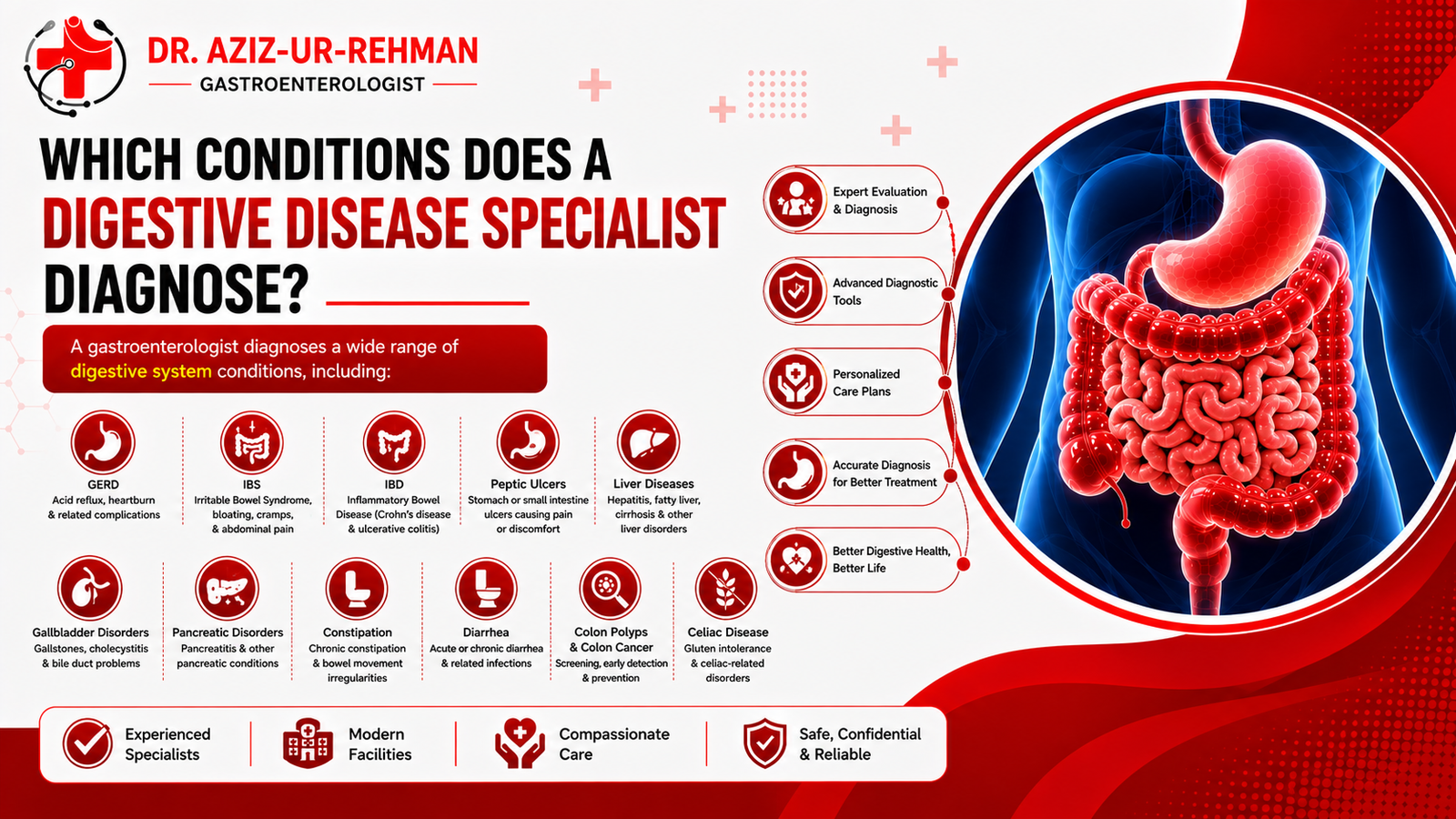
A gastrointestinal specialist may evaluate many different digestive conditions.
The most appropriate diagnostic approach depends on symptoms and medical history.
Gastritis
Gastritis refers to inflammation of the stomach lining.
It may cause upper abdominal discomfort, nausea, indigestion, or a feeling of fullness.
Some cases are associated with infection, certain medications, alcohol use, or other factors.
Peptic ulcer disease
Peptic ulcers are open sores that develop in the lining of the stomach or the first part of the small intestine.
Some ulcers are associated with Helicobacter pylori infection, while others can be related to certain pain medicines.
Gastroesophageal reflux disease
GERD occurs when stomach contents repeatedly flow back into the esophagus and cause troublesome symptoms.
Heartburn and acid regurgitation are common symptoms, although some people may experience other manifestations.
Irritable bowel syndrome
IBS is a common gastrointestinal disorder associated with symptoms such as abdominal pain and changes in bowel habits.
It may involve diarrhea, constipation, or both. Management often involves dietary and lifestyle changes, symptom control, and individualized medical care.
Inflammatory bowel disease
Inflammatory bowel disease includes conditions such as Crohn’s disease and ulcerative colitis.
These conditions can cause prolonged diarrhea, abdominal pain, rectal bleeding, fatigue, and other symptoms.
They generally require specialist diagnosis and long-term management.
Fatty liver disease
Fatty liver involves excess fat accumulation in the liver. Some people have few or no symptoms, while others may have abnormal liver tests or associated metabolic problems.
A gastroenterologist or hepatologist can evaluate liver health and recommend appropriate monitoring and treatment.
What Tests Can a Gastrointestinal Specialist Recommend?
A digestive disease specialist does not necessarily order every patient the same test.
Testing is selected according to symptoms, age, medical history, examination findings, and risk factors.
Possible investigations may include blood tests, stool tests, abdominal ultrasound, liver function testing, imaging studies, endoscopy, colonoscopy, or other specialized procedures.
Upper GI endoscopy
An upper endoscopy allows a doctor to examine the upper digestive tract using a flexible instrument with a camera.
It may be used to investigate symptoms such as persistent upper abdominal discomfort, difficulty swallowing, recurrent vomiting, unexplained anemia, or suspected ulcers.
Colonoscopy
A colonoscopy allows examination of the large intestine and rectum.
It may be recommended for certain bowel symptoms, suspected inflammatory bowel disease, gastrointestinal bleeding, or colorectal cancer screening, depending on the patient’s age and individual risk factors.
Ultrasound and imaging
Ultrasound and other imaging tests can help evaluate organs such as the liver, gallbladder, and pancreas.
The appropriate test depends on what the doctor suspects after evaluating the patient.
Digestive Disease Specialist vs General Physician
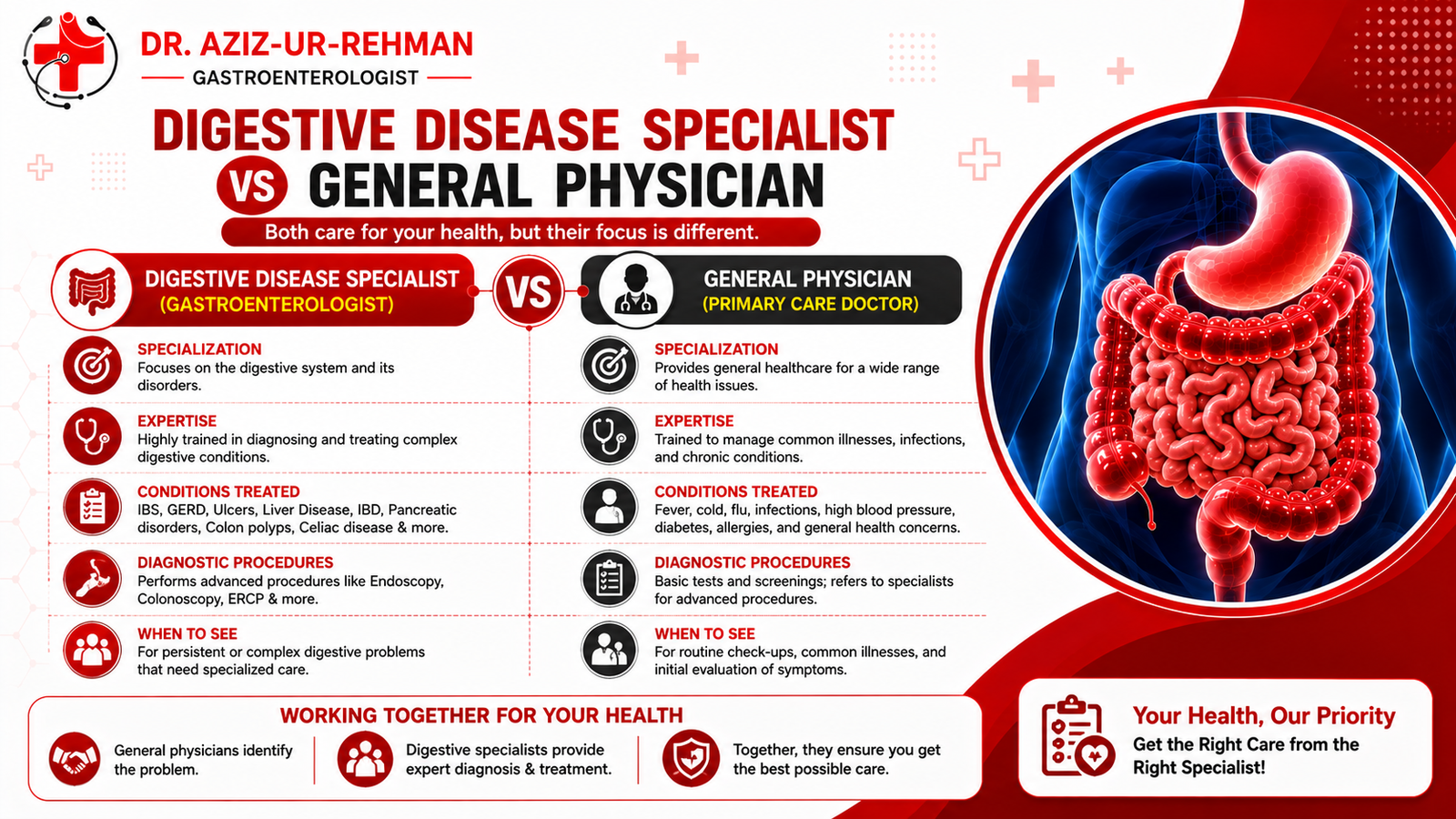
A general physician can manage many common digestive complaints and may be the right first point of contact.
A gastroenterologist has additional specialized training in digestive diseases and may be needed when symptoms are persistent, complicated, or require specialist procedures.
Doctor | Usually Helps With | When Specialist Care May Be Needed |
General Physician | Common and mild digestive symptoms | Symptoms persist, or the diagnosis is unclear |
Gastroenterologist | Stomach, bowel, liver, pancreas, and gastrointestinal diseases | Complex, recurrent, or serious digestive conditions |
Hepatologist | Liver and related conditions | Chronic or complicated liver disease |
General Surgeon | Conditions requiring surgery | When an operation may be necessary |
Dietitian | Diet and nutrition management | When dietary changes are part of treatment |
Your first visit does not always need to be directly with a gastroenterologist.
A general physician may evaluate your symptoms and refer you to the appropriate specialist if necessary.
Dr. Aziz-ur-Rehman: A Digestive Health Specialist in Karachi
Patients searching for a digestive disease specialist in Karachi may also consider Dr. Aziz-ur-Rehman, whose clinic information identifies his areas of specialization as gastroenterology and hepatology.
His official website describes services related to stomach, intestinal, and liver disorders.
According to the clinic’s published information, Dr. Aziz-ur-Rehman provides care for conditions involving the stomach, liver, and intestines, including disorders such as gastritis, peptic ulcer disease, GERD, IBS, IBD, hepatitis, fatty liver disease, and cirrhosis.
The clinic website also states that Dr. Aziz is available at Taj Medical Complex in Karachi from Monday to Thursday during its listed consultation hours.
Patients should verify current availability and appointment details directly before visiting because schedules can change.
For people searching online for the best digestive disease specialist in Karachi, Dr. Aziz-ur-Rehman can therefore be included among the doctors they may research and compare based on specialization, experience, location, appointment availability, and individual healthcare needs.
The “best” doctor is not the same for every patient.
A suitable specialist should have relevant qualifications and experience for the specific digestive problem and should provide an appropriate evaluation rather than relying only on symptom-based treatment.
How Should You Prepare for a Gastroenterologist Appointment?
Preparing a few details before your appointment can make the consultation more useful.
Keep track of when your symptoms started and whether they happen before or after meals.
Note foods that appear to trigger symptoms, changes in bowel movements, medications or supplements you take, and any previous digestive diagnoses.
Bring previous medical reports, laboratory results, imaging reports, and a list of current medicines if available.
Tell the doctor about important symptoms even if they seem unrelated. Information such as weight changes, appetite changes, vomiting, stool changes, or family history may help with diagnosis.
How Is Digestive Disease Treated?
Treatment depends entirely on the underlying cause.
A digestive disease specialist may recommend lifestyle modifications, dietary changes, medicines, monitoring, procedures, or referral to another specialist.
For example, treatment for acid reflux may differ considerably from treatment for inflammatory bowel disease.
Similarly, managing fatty liver is different from treating a stomach ulcer or gastrointestinal infection.
Patients should avoid taking antibiotics, painkillers, acid-reducing medicines, or herbal products for long periods without appropriate medical advice.
Some medicines can worsen certain digestive conditions or interact with other treatments.
What Can You Do to Support Digestive Health?
Healthy habits can support digestive health, although lifestyle changes cannot replace medical evaluation when symptoms are persistent or concerning.
Helpful habits may include eating a balanced diet, drinking sufficient fluids, staying physically active, maintaining a healthy weight, avoiding smoking, limiting alcohol where applicable, and using medicines only as directed.
Dietary needs vary from person to person.
A food that triggers symptoms in one individual may be well tolerated by another.
For chronic digestive conditions, it is often more useful to identify personal triggers with professional guidance than to follow highly restrictive diets without a clear reason.
When Is Digestive Pain an Emergency?
Some digestive symptoms require urgent medical attention rather than a routine appointment.
Seek urgent medical care if you experience severe or rapidly worsening abdominal pain, significant gastrointestinal bleeding, vomiting blood, black tarry stool, fainting, severe weakness, persistent vomiting with dehydration, or other symptoms that appear medically serious.
A person with severe symptoms should not delay urgent care while searching online for a digestive specialist.
How Can You Find a Digestive Disease Specialist in Pakistan?
Finding the right doctor involves more than searching for the phrase “stomach specialist near me.”
Check whether the doctor has relevant specialist training and experience with your particular condition.
Consider the clinic’s location, appointment availability, diagnostic facilities, and whether follow-up care is available.
For complicated digestive or liver conditions, it may also be useful to ask whether the doctor works with other specialists when necessary.
In Karachi, patients can research gastroenterologists and hepatologists based on their specific symptoms and medical needs.
Dr. Aziz-ur-Rehman is one option whose published professional information focuses on gastroenterology and hepatology.
Key Points to Remember
- A gastroenterologist is the main type of specialist for many digestive system disorders.
- Persistent stomach pain, recurrent acid reflux, bowel changes, gastrointestinal bleeding, and unexplained weight loss may require medical assessment.
- Digestive specialists can evaluate problems involving the stomach, intestines, liver, gallbladder, pancreas, and related organs.
- Tests are selected according to symptoms and suspected causes rather than being necessary for every patient.
- Dr. Aziz-ur-Rehman is a gastroenterology and hepatology specialist in Karachi listed by his clinic as providing care for stomach, intestinal, and liver disorders.
- Emergency symptoms such as severe abdominal pain, vomiting blood, or black tarry stool require urgent medical attention.
Frequently Asked Questions
What is a digestive disease specialist called?
A digestive disease specialist is generally called a gastroenterologist. Gastroenterologists diagnose and treat disorders affecting the gastrointestinal tract, including the esophagus, stomach, intestines, and related digestive organs.
What does a stomach specialist treat?
A stomach specialist may treat conditions such as gastritis, acid reflux, GERD, peptic ulcers, indigestion, and other upper digestive tract disorders.
When should I see a gastroenterologist?
You should consider seeing a gastroenterologist when digestive symptoms are persistent, recurrent, unexplained, or significantly affecting your daily life.
Blood in stool, unexplained weight loss, persistent vomiting, difficulty swallowing, or severe symptoms warrant prompt medical evaluation.
Is a gastroenterologist different from a digestive health doctor?
Usually, these terms refer to similar types of care.
“Digestive health doctor” is a broad term, while gastroenterologist is the formal medical specialty for diagnosing and treating many gastrointestinal diseases.
Who is a digestive disease specialist in Karachi?
Karachi has gastroenterologists and hepatologists who manage digestive and liver conditions.
Dr. Aziz-ur-Rehman is one specialist whose official clinic information lists gastroenterology and hepatology as areas of specialization and describes treatment for stomach, intestinal, and liver disorders.
Can a gastroenterologist treat liver disease?
Yes. Gastroenterologists may diagnose and manage several liver conditions, while hepatologists have a more focused specialty in liver disease.
The appropriate doctor depends on the type and complexity of the liver condition.
What happens during the first gastroenterology appointment?
The doctor will generally ask about your symptoms, medical history, medicines, diet, bowel habits, and other relevant factors.
A physical examination may be performed, and laboratory tests or imaging may be recommended if needed.
Conclusion
Digestive problems can range from temporary indigestion to chronic gastrointestinal diseases that require specialist care.
When symptoms continue, repeatedly return, or occur alongside warning signs, consulting a qualified digestive disease specialist can help identify the cause and determine an appropriate treatment plan.
A gastroenterologist is the main specialist for many conditions affecting the stomach, intestines, esophagus, liver, gallbladder, and pancreas.
Early assessment can be particularly important when symptoms such as gastrointestinal bleeding, unexplained weight loss, persistent vomiting, difficulty swallowing, or severe abdominal pain are present.
For people in Karachi, Dr. Aziz-ur-Rehman is a digestive health specialist whom patients may consider when researching gastroenterology and hepatology care.
His clinic’s published information identifies gastroenterology and hepatology as his specialties and lists treatment for stomach, intestinal, and liver disorders.
Ultimately, the right doctor depends on your symptoms, diagnosis, medical history, and required treatment. Avoid self-diagnosing persistent digestive symptoms and seek professional medical advice when problems do not improve or when warning signs develop.