
Digestive problems can affect the stomach, intestines, liver, pancreas, gallbladder, and other parts of the gastrointestinal system.
A gastroenterology specialist in Karachi is a doctor who evaluates and treats conditions involving these organs, including persistent acidity, reflux, abdominal pain, constipation, diarrhea, ulcers, liver disorders, and other digestive diseases.
Finding the right specialist is especially important when symptoms continue, return frequently, or interfere with eating, sleeping, work, or daily activities.
A gastroenterologist can review your symptoms and medical history, determine whether testing is necessary, and recommend treatment according to the underlying problem.
In Karachi, patients may search for the best gastroenterologist in Karachi, Stomach Specialist in Karachi, Digestive Disease Specialist Karachi, or GI Specialist in Karachi.
These searches generally point toward the same goal: finding an appropriately qualified doctor for a digestive health concern.
This guide explains what gastroenterologists treat, when you may need one, how digestive conditions are diagnosed, what tests may be recommended, and what to consider when selecting a specialist in Karachi.
What Is a Gastroenterologist?
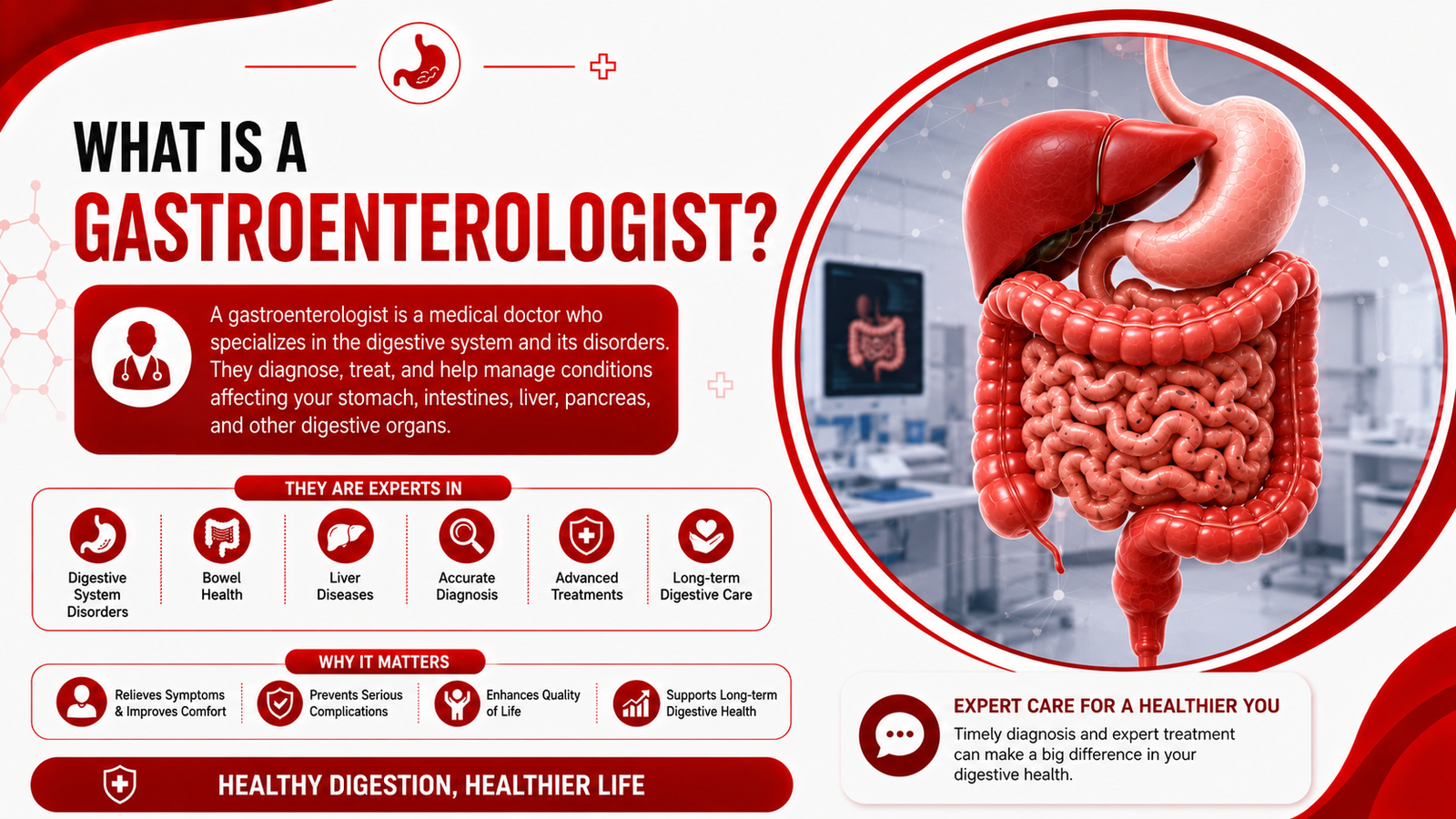
A gastroenterologist is a medical doctor who specializes in diseases affecting the digestive system.
This includes the gastrointestinal tract as well as related organs such as the liver, pancreas, gallbladder, and bile ducts.
The digestive system is responsible for processing food, absorbing nutrients, and eliminating waste.
Problems in different parts of this system can produce similar symptoms, which is one reason professional evaluation can be useful when symptoms persist.
A gastroenterologist may assess conditions involving:
- Esophagus
- Stomach
- Small intestine
- Large intestine and colon
- Rectum
- Liver
- Gallbladder
- Pancreas
- Bile ducts
The appropriate treatment depends on the specific condition, its severity, the patient’s medical history, and test results.
When Should You See a Gastroenterology Specialist in Karachi?
You may consider consulting a gastroenterologist when digestive symptoms are persistent, recurrent, unexplained, or affecting your quality of life.
Common reasons for a gastroenterology consultation include:
- Frequent acidity or heartburn
- Persistent abdominal or stomach pain
- Recurrent bloating or excessive gas
- Nausea or repeated vomiting
- Chronic constipation
- Persistent or recurrent diarrhea
- Changes in bowel habits
- Difficulty swallowing
- Unexplained weight loss
- Blood in stool
- Black or tarry stool
- Recurrent indigestion
- Suspected ulcers
- Irritable bowel syndrome
- Fatty liver or other liver concerns
- Hepatitis and chronic liver disease
- Pancreatic problems
- Gallbladder-related digestive symptoms
Not every stomach symptom indicates a serious disease. For example, indigestion can cause upper abdominal discomfort, early fullness, bloating, nausea, or belching, and may have several possible causes.
However, symptoms that persist or occur with warning signs should not simply be ignored.
What Conditions Does a Gastroenterologist Treat?
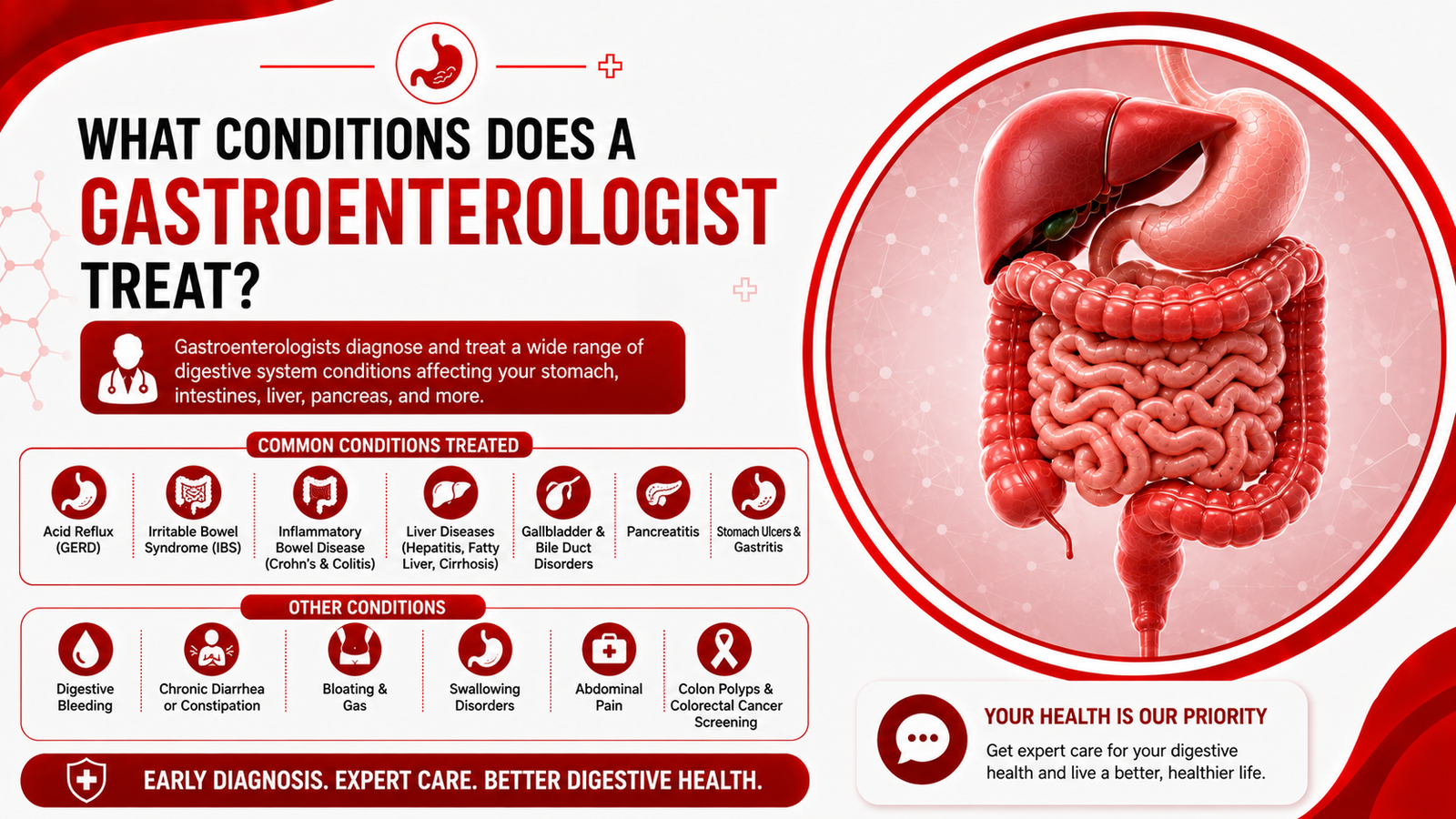
A gastroenterologist may diagnose and manage a broad range of digestive conditions.
Acid Reflux and GERD
Acid reflux occurs when stomach contents move back toward the esophagus.
When reflux becomes frequent or causes complications, it may be diagnosed as gastroesophageal reflux disease, commonly called GERD.
Doctors may assess symptoms and medical history first. Depending on the situation, treatment can involve lifestyle changes, medication, or further testing.
Gastritis and Peptic Ulcers
Gastritis involves inflammation of the stomach lining, while peptic ulcers are sores that develop in the lining of the stomach or upper small intestine.
Depending on the suspected cause, a doctor may recommend laboratory testing, stool testing, breath testing, or upper GI endoscopy.
Irritable Bowel Syndrome
IBS can involve abdominal discomfort together with changes in bowel habits, such as constipation, diarrhea, or alternating bowel patterns.
Because similar symptoms can occur with other digestive disorders, an appropriate medical evaluation is useful rather than assuming every recurring bowel problem is IBS.
Constipation and Diarrhea
Occasional constipation may improve with lifestyle changes, but ongoing constipation can require medical evaluation.
Seek medical attention when constipation persists or occurs with symptoms such as rectal bleeding, blood in stool, constant abdominal pain, vomiting, fever, or unexplained weight loss.
Persistent diarrhea can also require evaluation, particularly when it is associated with dehydration, bleeding, significant pain, weight loss, or other concerning symptoms.
Liver and Digestive Disorders
Gastroenterology also overlaps with liver health. A gastroenterologist may evaluate conditions such as fatty liver disease, hepatitis, liver inflammation, cirrhosis, and related digestive complications.
The liver, pancreas, gallbladder, and gastrointestinal tract are all connected parts of the digestive system, so a patient with overlapping symptoms may need broader evaluation rather than focusing only on the stomach.
Pancreatic and Gallbladder Problems
Problems involving the pancreas or gallbladder can sometimes cause abdominal pain, nausea, digestive discomfort, or changes following meals.
The cause of these symptoms cannot reliably be determined from symptoms alone.
A doctor may use blood tests, ultrasound, CT, MRI, endoscopy, or other investigations depending on the clinical situation.
What Does a Gastroenterologist Do During a Consultation?
A first appointment usually begins with a detailed discussion of your symptoms and medical history.
The specialist may ask:
- When did your symptoms begin?
- Where exactly is the pain?
- Is the pain related to meals?
- How often do symptoms occur?
- Have your bowel habits changed?
- Have you noticed blood in your stool?
- Have you experienced weight loss?
- What medications or supplements do you take?
- Do you have a history of liver, stomach, or intestinal disease?
- Is there a family history of digestive diseases?
A physical examination may follow. Depending on the findings, the doctor may recommend observation, lifestyle changes, laboratory tests, imaging, endoscopy, colonoscopy, or referral to another specialist.
The goal is not simply to suppress a symptom. It is to identify the likely cause and determine an appropriate management plan.
How Are Digestive Problems Diagnosed?
There is no single test that can diagnose every gastrointestinal condition. The investigation depends on the symptoms and suspected disease.
Blood and Stool Tests
Blood tests may help identify signs of inflammation, anemia, infection, or problems involving organs such as the liver.
Stool testing can be useful in evaluating certain infections, gastrointestinal bleeding, inflammation, or other digestive problems.
Upper GI Endoscopy
Upper GI endoscopy allows a doctor to examine the lining of the esophagus, stomach, and duodenum using a flexible tube with a small camera.
It can help investigate ongoing upper abdominal pain, heartburn, vomiting, swallowing problems, ulcers, and other conditions.
During the procedure, a doctor may also collect a small tissue sample for laboratory examination when medically necessary.
Colonoscopy
A colonoscopy uses a flexible camera to examine the rectum and colon. It can help investigate rectal bleeding, changes in bowel movements, abdominal pain, unexplained weight loss, and other symptoms.
It is also used for colorectal cancer and polyp screening when appropriate.
Imaging Tests
Depending on the suspected condition, a specialist may recommend an ultrasound, CT, MRI, or another imaging test.
For example, imaging may be useful when evaluating the liver, gallbladder, pancreas, or certain causes of abdominal pain.
Upper Endoscopy vs Colonoscopy: What’s the Difference?
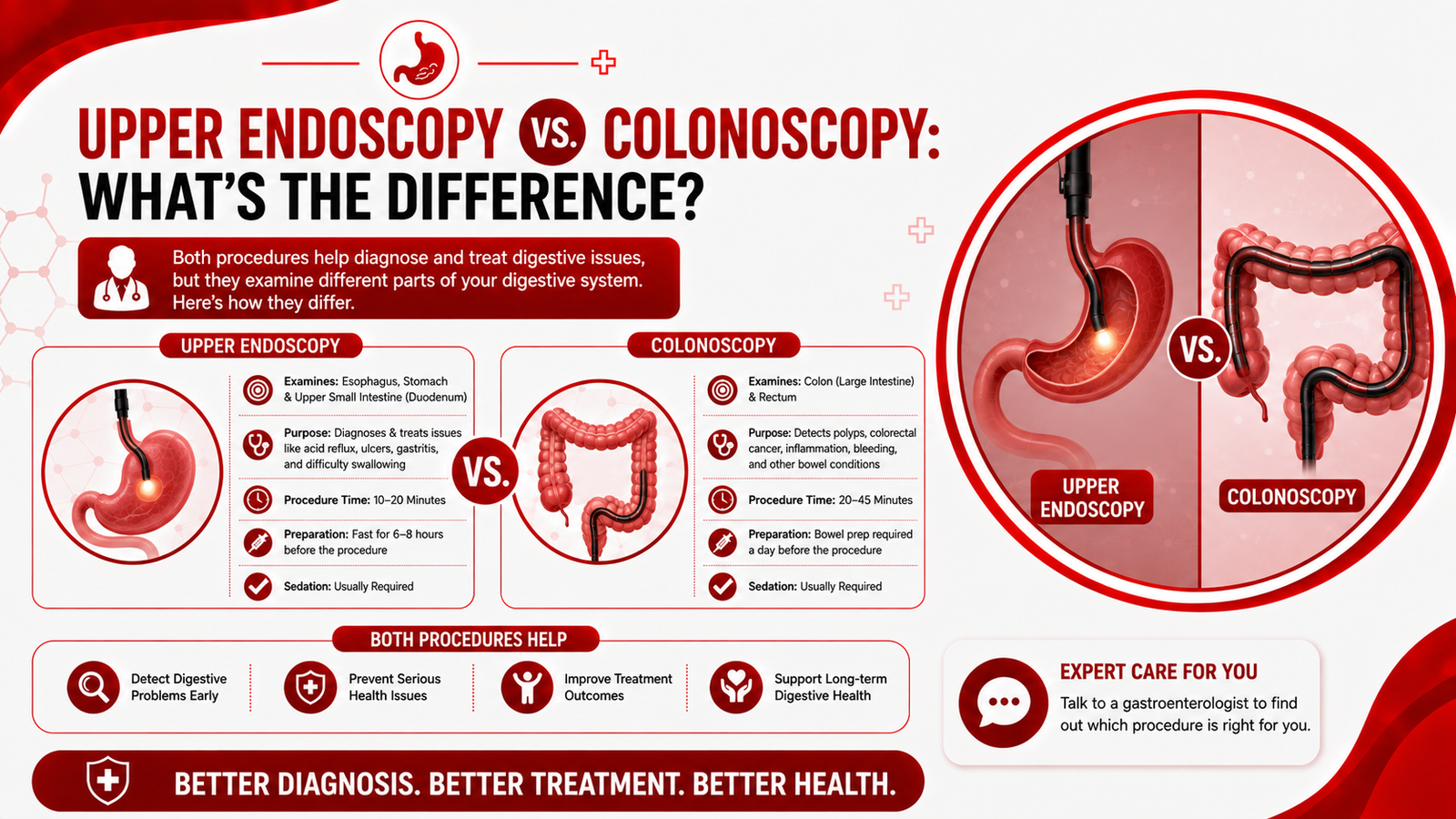
Factor | Upper GI Endoscopy | Colonoscopy |
Main area examined | Esophagus, stomach, and duodenum | Rectum and colon |
Common reasons | Upper abdominal symptoms, reflux, vomiting, swallowing problems | Bowel changes, bleeding, abdominal pain, screening |
The camera enters through | Mouth | Rectum |
Tissue sampling | May be performed when needed | May be performed when needed |
Preparation | Usually requires fasting and specific instructions | Requires bowel preparation |
Main purpose | Evaluate the upper digestive tract | Evaluate the lower digestive tract |
The doctor decides whether either procedure is appropriate based on symptoms, medical history, age, risk factors, and clinical findings.
How to Choose a Stomach Specialist in Karachi
Searching for a gastroenterologist in Karachi can produce many options. Instead of relying only on terms such as “best” or “top,” consider factors that can help you make a more informed choice.
Look at:
Relevant qualifications: Check the doctor’s medical qualifications and gastroenterology or internal medicine training.
Relevant experience: Consider whether the doctor’s clinical work relates to your particular concern, such as liver disease, reflux, IBS, ulcers, or chronic bowel problems.
Diagnostic capabilities: If your symptoms may require endoscopy, colonoscopy, imaging, or laboratory investigations, ask where these services are available.
Communication: A good consultation should give you an opportunity to describe your symptoms and ask questions.
Medical records: Choose a specialist who reviews previous reports and medications rather than treating each appointment as an isolated problem.
Follow up: Digestive conditions may require monitoring, treatment adjustments, or additional testing, so ask how follow-up is handled.
Location and accessibility: Karachi is a large city. A conveniently located clinic or hospital can make follow-up easier, particularly for chronic conditions.
Dr. Aziz ur Rehman has a Gastroenterology Option in Karachi
Patients searching for a gastroenterology specialist in Karachi may also come across Dr. Aziz ur Rehman.
His official website identifies him as a gastroenterologist providing care related to gastrointestinal, liver, and digestive disorders, and lists services including endoscopy and colonoscopy, liver and hepatitis treatment, gastric and acid reflux management, IBS and stomach disorders, pancreatic and gallbladder care, and constipation-related digestive concerns.
A separate healthcare listing identifies Dr. Aziz ur Rehman as an internal medicine specialist, gastroenterologist, and general physician, and lists MBBS, FCPS (Medicine), and MCPS (Medicine) among his qualifications.
Because qualifications, clinic schedules, availability, and services can change, patients should verify current details directly before arranging an appointment.
His listed practice information places his clinic at Taj Medical Complex on M.A. Jinnah Road in Karachi.
It is also worth noting that “best gastroenterologist” is subjective. The most suitable doctor depends on the patient’s symptoms, medical history, required investigation, and the type of digestive care needed.
Practical Tips Before Your Appointment

A little preparation can make a gastroenterology consultation more useful.
Bring previous medical reports, laboratory results, imaging reports, endoscopy or colonoscopy reports, and a list of medicines or supplements you currently use.
It can also help to record when symptoms occur.
For example, note whether abdominal discomfort happens after meals, at night, during periods of stress, or after particular foods.
Questions to Ask Your Gastroenterologist
- What could be causing my symptoms?
- Do I need any tests?
- What does each recommended test look for?
- Do I need an endoscopy or a colonoscopy?
- Could my medication be contributing to the symptoms?
- Are there foods or habits I should avoid?
- How long should I expect treatment to take?
- What symptoms should make me seek urgent care?
- When should I return for follow-up?
Clear communication can help you and your doctor make better decisions about the next step.
Warning Signs That Need Prompt Medical Attention
Digestive symptoms should not always be treated as routine acidity or indigestion.
Seek prompt medical evaluation if you experience symptoms such as:
- Blood in vomit or stool
- Black, tarry stool
- Severe or persistent abdominal pain
- Repeated vomiting
- Difficulty or pain when swallowing
- Unexplained weight loss
- Yellowing of the skin or eyes
- Persistent abdominal swelling
- Fever with significant digestive symptoms
- Inability to pass stool or gas with abdominal pain
For example, indigestion accompanied by bloody vomit, black tarry stools, severe, constant abdominal pain, difficulty swallowing, unexplained weight loss, or yellowing of the eyes or skin requires prompt medical attention.
GI bleeding can also require urgent care. Depending on the cause and severity, endoscopy may be used both to identify the source and provide treatment.
Common Mistakes Patients Make With Digestive Problems
One common mistake is repeatedly taking over-the-counter medicines without finding out why symptoms keep returning.
Another is assuming that every episode of stomach pain is caused by acidity. Abdominal symptoms can have many possible causes, and similar symptoms can occur in different digestive disorders.
It is also unhelpful to ignore recurring symptoms simply because they are not severe every day. A pattern of repeated pain, bowel changes, vomiting, reflux, or unexplained weight change deserves appropriate medical attention.
Finally, patients should not stop prescribed medicines or start restrictive diets without discussing them with an appropriate healthcare professional.
How Can You Support Digestive Health?
Healthy habits cannot prevent every gastrointestinal condition, but they can support general digestive health.
Useful habits may include maintaining a balanced diet, staying physically active, drinking adequate fluids, avoiding smoking, and paying attention to foods that consistently trigger symptoms.
For people with reflux, a doctor may recommend specific lifestyle changes alongside medication when appropriate. The exact recommendations depend on the person’s symptoms and overall health.
If a particular food repeatedly causes bloating, diarrhea, or discomfort, keeping a food and symptom diary can help provide useful information for your healthcare professional.
Frequently Asked Questions
What does a gastroenterologist treat?
A gastroenterologist treats diseases and disorders involving the digestive system, including the esophagus, stomach, intestines, liver, pancreas, gallbladder, and related structures. Common concerns include reflux, ulcers, IBS, constipation, diarrhea, liver disorders, and other gastrointestinal conditions.
When should I see a stomach specialist in Karachi?
Consider seeing a stomach specialist when abdominal pain, acidity, reflux, bloating, constipation, diarrhea, vomiting, or other digestive symptoms persist, recur frequently, or interfere with daily life. Symptoms such as bleeding, unexplained weight loss, severe pain, or repeated vomiting warrant prompt medical evaluation.
Does a gastroenterologist treat liver problems?
Yes. Gastroenterology includes the digestive system and related organs such as the liver, pancreas, and gallbladder. A gastroenterologist may evaluate several liver and digestive conditions and determine whether additional specialist care is needed.
What tests can a GI specialist recommend?
Depending on your symptoms, a gastroenterologist may recommend blood or stool tests, an ultrasound or other imaging, an upper GI endoscopy, a colonoscopy, or additional investigations. Testing should be based on the suspected condition rather than performed routinely for every patient.
Is an endoscopy painful?
Upper GI endoscopy is generally performed with measures to improve comfort, such as sedation or throat numbing in appropriate cases. Patients may experience temporary bloating, nausea, or a sore throat afterward. Your doctor should explain preparation, sedation, benefits, and possible risks before the procedure.
Is a gastroenterologist the same as a stomach specialist?
“Stomach specialist” is a common patient-friendly term, while gastroenterologist is the medical specialty name. A gastroenterologist evaluates the broader digestive system, not only the stomach, including the intestines, liver, pancreas, and gallbladder.
Who is the best gastroenterologist in Karachi?
There is no universally defined “best” gastroenterologist for every patient. A suitable specialist should have relevant qualifications and experience with your particular condition, provide an appropriate evaluation, and offer a treatment and follow-up plan that fits your needs.
Can stress cause digestive symptoms?
Stress can be associated with digestive symptoms in some people, including changes in bowel habits and discomfort. However, recurring digestive symptoms should not automatically be attributed to stress. A healthcare professional can determine whether further evaluation is appropriate.
Conclusion
Choosing a gastroenterology specialist in Karachi is about more than finding a doctor with a popular title.
The right specialist should be appropriate for your symptoms, medical history, suspected condition, and potential diagnostic needs.
Persistent acidity, abdominal pain, bloating, bowel changes, constipation, diarrhea, liver concerns, or recurring digestive symptoms may require professional evaluation rather than repeated self treatment.
A gastroenterologist can assess the problem and decide whether lifestyle changes, medication, laboratory testing, imaging, endoscopy, colonoscopy, or another approach is appropriate.
Patients considering Dr. Aziz ur Rehman can review his current qualifications, services, clinic details, and appointment information before making a decision.
Most importantly, do not ignore warning signs such as gastrointestinal bleeding, severe persistent pain, unexplained weight loss, repeated vomiting, or black stools. Prompt medical attention is appropriate when these symptoms occur.