
Digestive problems can impact every aspect of your daily routine, from enjoying meals to getting a restful night’s sleep.
Whether you experience frequent acidity, stomach pain, bloating, constipation, diarrhea, or liver-related concerns, finding the right medical expert can make a significant difference.
If you are searching for who is the best gastroenterologist in Karachi, you are probably looking for more than just a doctor’s name.
You want an experienced specialist who can accurately diagnose your condition, recommend evidence-based treatment, and provide long-term digestive care.
Karachi is home to many highly qualified gastroenterology specialists, consultant gastroenterologists, and FCPS-trained digestive health experts.
However, selecting the right doctor depends on your symptoms, medical history, treatment needs, and access to advanced diagnostic services such as endoscopy and colonoscopy.
This guide explains how to choose the right gastro specialist, what conditions they treat, when you should seek medical advice, and what to expect during diagnosis and treatment.
Who Is the Best Gastroenterologist in Karachi for Digestive Problems?
The answer depends on your specific health condition rather than a single doctor’s reputation.
The best gastroenterologist in Karachi is someone who has:
- FCPS or equivalent specialist qualifications
- Extensive experience treating digestive diseases
- Expertise in diagnostic and therapeutic endoscopy
- A patient focused approach
- Positive treatment outcomes
- Access to modern diagnostic equipment
- Strong communication skills
- Evidence based treatment practices
If you have chronic digestive symptoms, choosing an experienced gastroenterologist in Karachi with expertise in your particular condition often leads to faster diagnosis and better results.
Quick Answer (Featured Snippet)
A good gastroenterologist should:
- Diagnose digestive diseases accurately
- Treat stomach, liver, pancreas, and intestinal disorders
- Perform endoscopy and colonoscopy when necessary
- Develop personalized treatment plans
- Focus on long term digestive health instead of only symptom relief
When Should You See a Gastroenterologist?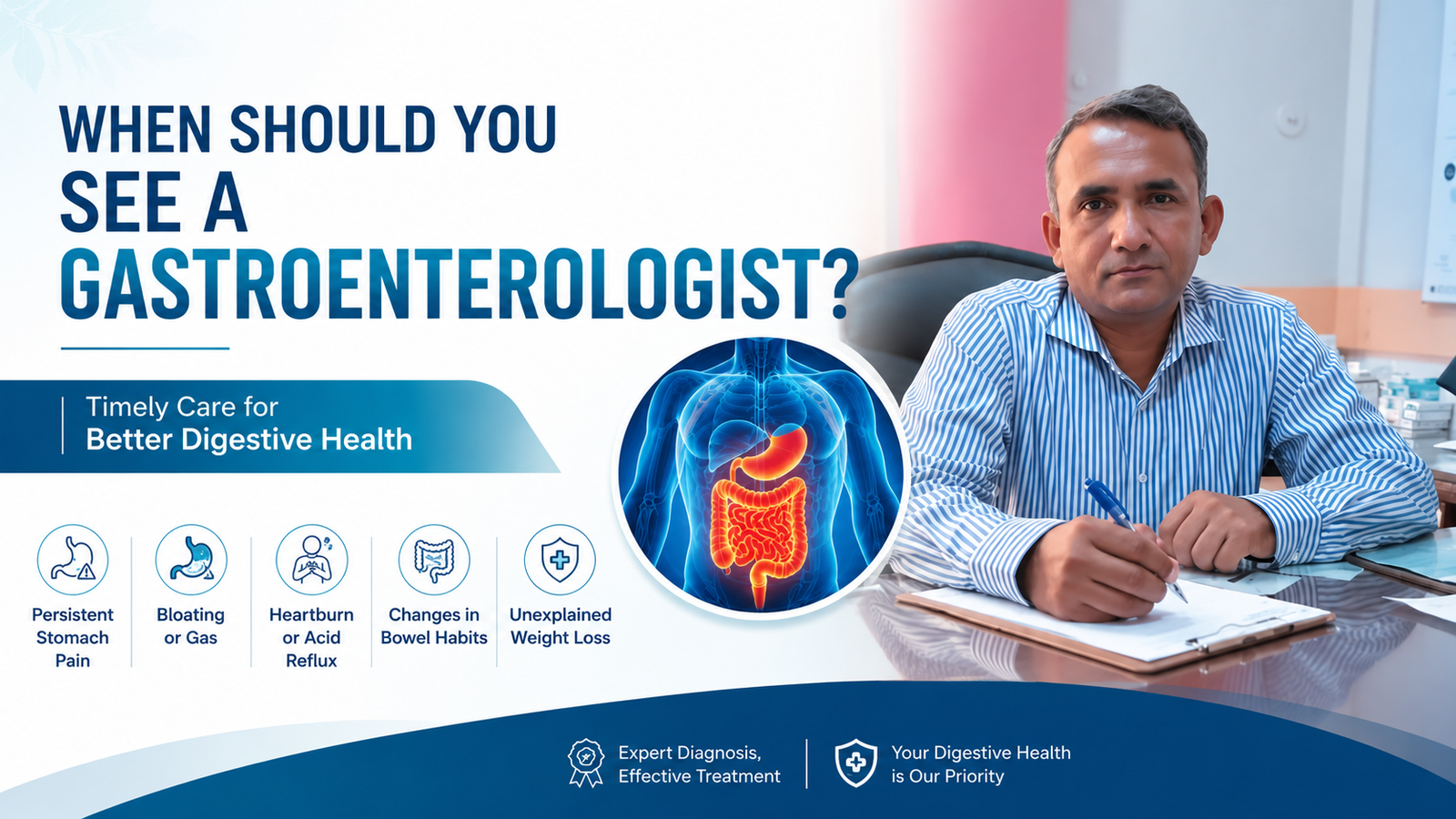
Many people ignore digestive symptoms for months, assuming they will disappear on their own.
Unfortunately, delaying medical care may allow minor conditions to become more serious.
You should consult a gastro doctor in Karachi if symptoms last more than two weeks or frequently return.
Common Warning Signs
- Persistent stomach pain
- Frequent acidity
- Heartburn
- Acid reflux
- Difficulty swallowing
- Bloating after meals
- Chronic constipation
- Ongoing diarrhea
- Blood in stool
- Black colored stool
- Unexplained weight loss
- Loss of appetite
- Persistent nausea
- Vomiting
- Yellowing of skin or eyes
- Fatigue associated with liver disease
These symptoms may indicate conditions that require evaluation by a digestive health specialist Karachi.
What Diseases Does a Gastroenterologist Treat?
A gastroenterologist specializes in disorders affecting the digestive tract and associated organs.
This includes:
Esophagus
- GERD
- Acid reflux
- Difficulty swallowing
- Barrett’s esophagus
Stomach
- Gastritis
- Peptic ulcers
- H. pylori infection
- Chronic indigestion
- Stomach inflammation
Small and Large Intestine
- Irritable Bowel Syndrome (IBS)
- Crohn’s disease
- Ulcerative colitis
- Celiac disease
- Chronic diarrhea
- Chronic constipation
- Colon polyps
Liver
A liver disease specialist in Karachi may diagnose and manage:
- Fatty liver disease
- Hepatitis B
- Hepatitis C
- Liver cirrhosis
- Elevated liver enzymes
Gallbladder
- Gallstones
- Gallbladder inflammation
- Bile duct disorders
Pancreas
A pancreas specialist in Karachi treats:
- Acute pancreatitis
- Chronic pancreatitis
- Pancreatic cysts
- Pancreatic digestive disorders
Because these organs work together, gastroenterologists evaluate the complete digestive system rather than treating a single symptom.
How Do You Choose the Right Gastroenterologist in Karachi?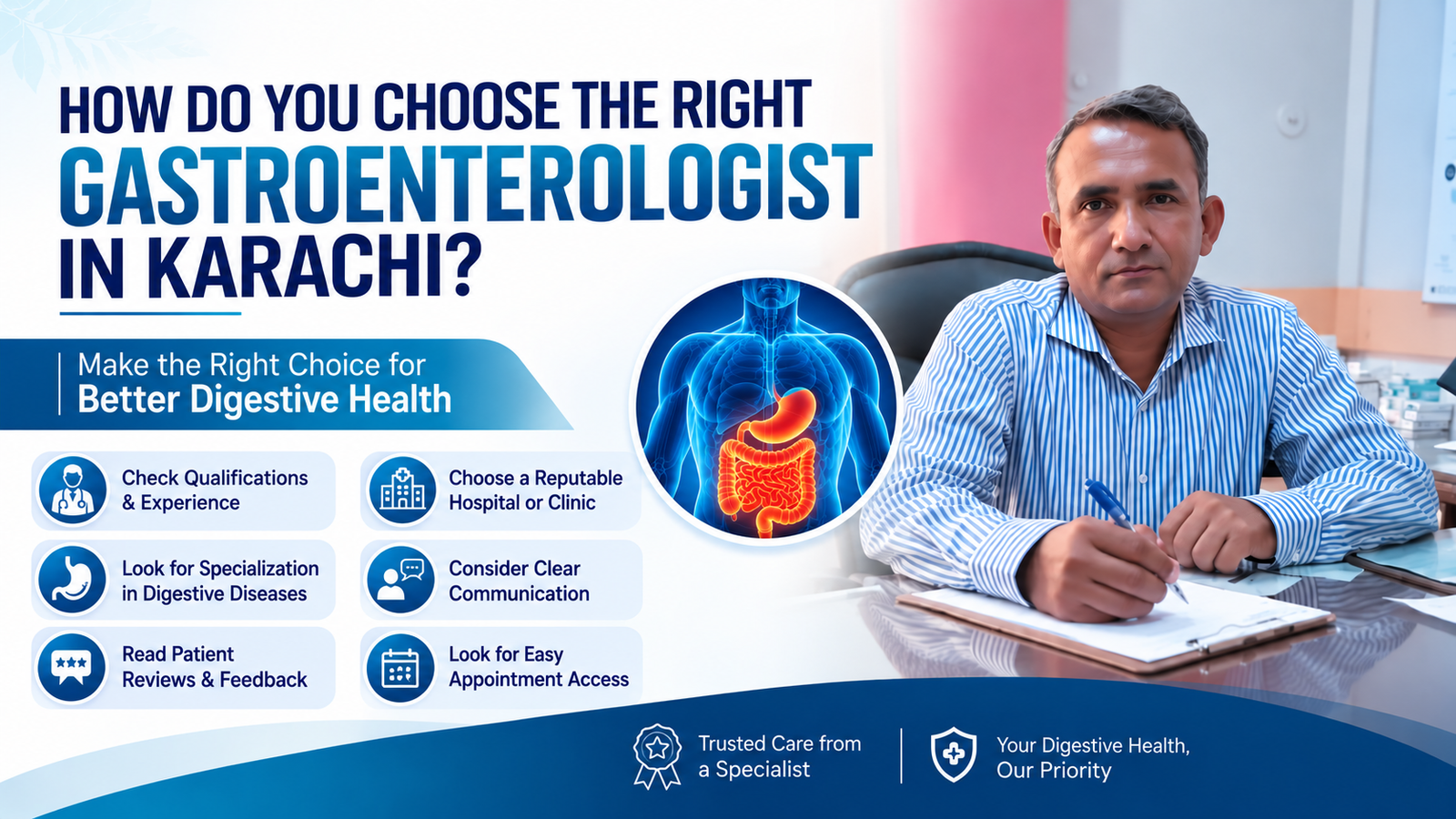
Selecting the right doctor involves more than searching online ratings.
Consider these factors before booking an appointment.
|
Factor |
Why It Matters |
|
Qualifications |
Look for FCPS or board certified specialists |
|
Clinical Experience |
Experienced doctors often recognize complex digestive diseases earlier |
|
Hospital Affiliation |
Modern hospitals provide advanced diagnostic facilities |
|
Endoscopy Expertise |
Important for accurate diagnosis |
|
Communication |
Patients should clearly understand diagnosis and treatment |
|
Patient Reviews |
Can provide insights into patient experience |
|
Follow Up Care |
Long term monitoring improves chronic disease management |
Expert Tip
Instead of choosing the first doctor you find online, compare experience, hospital facilities, consultation approach, and specialization in your specific digestive condition.
What Is the Difference Between a Gastroenterologist and a General Physician?
Many patients wonder whether they should first visit a family doctor or directly consult a gastro specialist.
|
General Physician |
Gastroenterologist |
|
Treats common illnesses |
Focuses exclusively on digestive diseases |
|
Provides initial assessment |
Performs advanced digestive evaluation |
|
Prescribes basic medications |
Offers specialized treatment plans |
|
Refers patients when needed |
Performs endoscopy and colonoscopy |
|
Manages routine health conditions |
Treats complex gastrointestinal disorders |
A general physician is often the first point of contact.
However, persistent digestive symptoms usually require evaluation by a gastroenterology specialist Karachi.
Why Is Early Diagnosis So Important?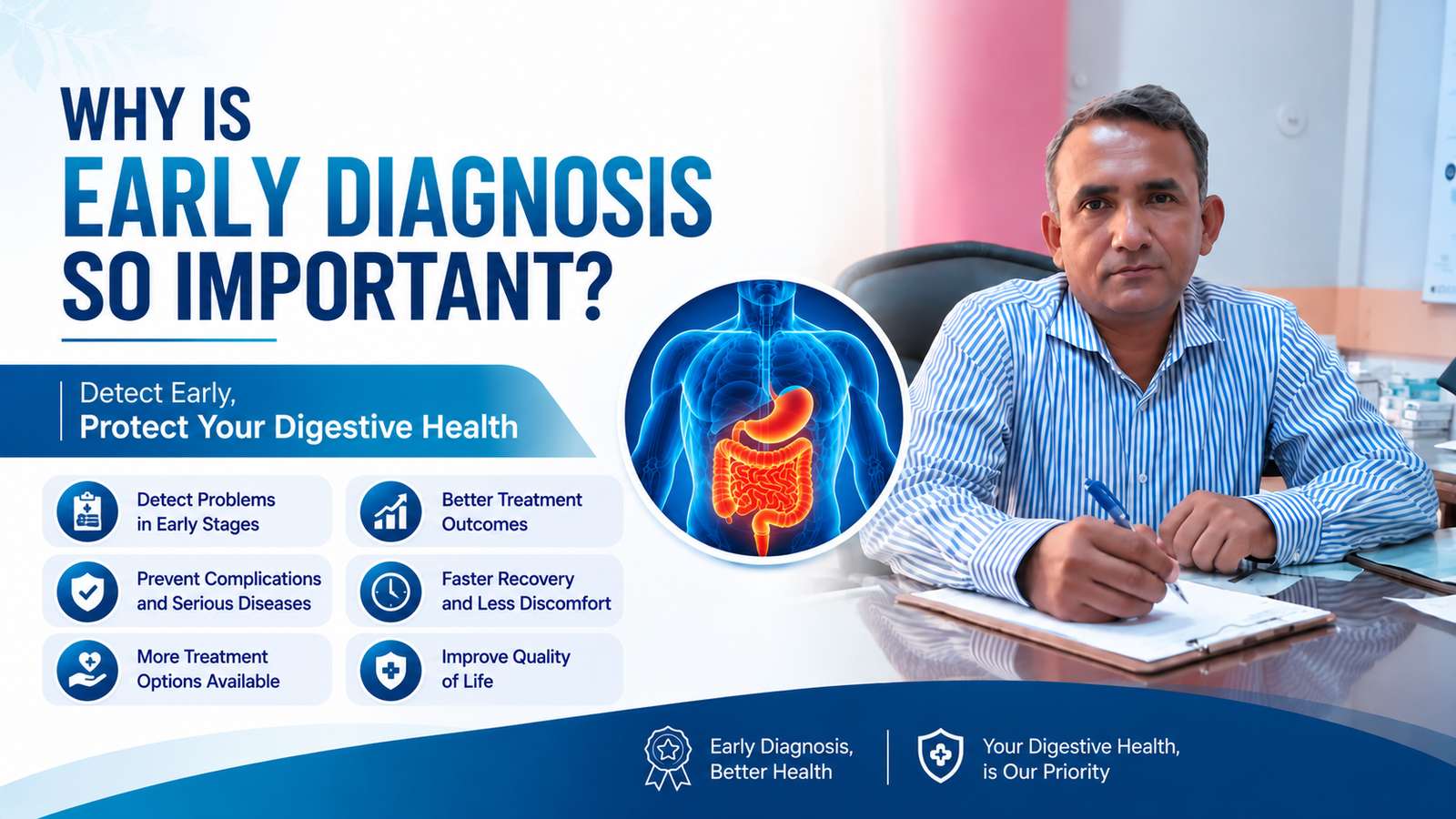
Many digestive disorders begin with mild symptoms.
For example:
- Mild acidity may develop into severe GERD.
- Untreated H. pylori infection may increase the risk of stomach ulcers.
- Persistent blood in stool could indicate inflammatory bowel disease or colorectal disease.
- Fatty liver disease can progress to cirrhosis if left untreated.
Early diagnosis often means:
- Less invasive treatment
- Faster recovery
- Lower healthcare costs
- Better long term outcomes
- Improved quality of life
Many digestive diseases respond well to lifestyle changes and medication when identified early.
When is an endoscopy recommended?
An upper GI endoscopy is one of the most useful procedures for diagnosing problems in the esophagus, stomach, and upper small intestine.
A specialist may recommend it when symptoms persist despite medication or when there are warning signs that need direct visualization.
An endoscopy may be recommended if you have:
- Persistent heartburn or acid reflux
- Difficulty swallowing
- Chronic stomach pain
- Unexplained nausea or vomiting
- Suspected stomach ulcer
- Gastrointestinal bleeding
- Black stools
- Unexplained weight loss
- Suspected H. pylori infection
During an upper GI endoscopy procedure, the doctor inserts a thin, flexible tube with a camera through the mouth.
The procedure is usually short, and many patients return home the same day.
What can an endoscopy detect?
- Gastritis
- Peptic ulcers
- GERD-related damage
- Esophageal inflammation
- Barrett’s esophagus
- Stomach bleeding
- H. pylori-related ulcers
- Tumors or abnormal growths
A skilled endoscopy specialist in Karachi can often identify the exact cause of persistent upper digestive symptoms.
What is a colonoscopy used for?
A colonoscopy examines the large intestine and rectum. It helps diagnose conditions affecting the lower digestive tract.
A colonoscopy specialist in Karachi may recommend the procedure for:
- Blood in stool
- Chronic diarrhea
- Persistent constipation
- Unexplained abdominal pain
- Inflammatory bowel disease
- Colon polyps
- Colorectal cancer screening
- Family history of colorectal disease
Why is colonoscopy important?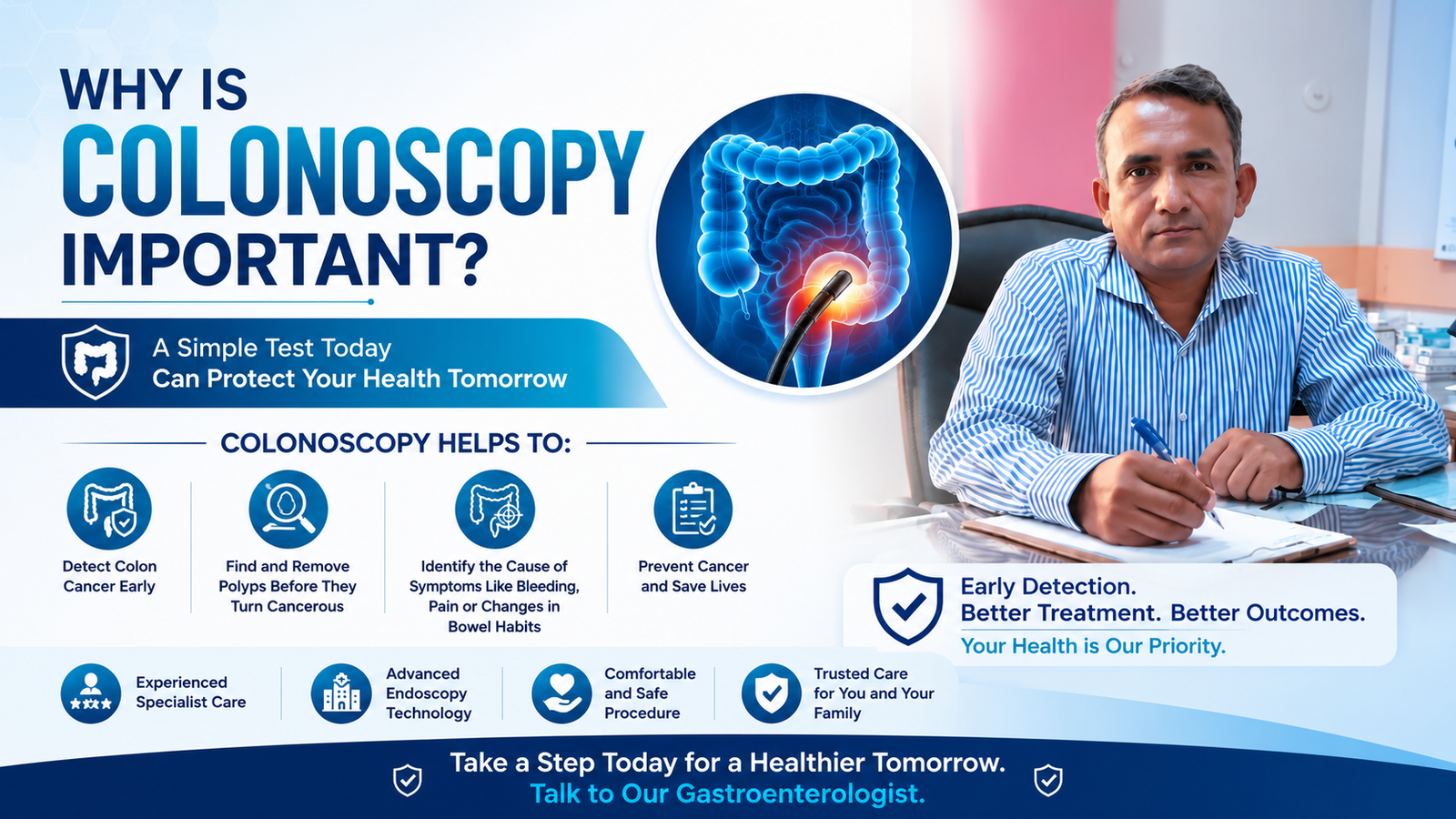
Colonoscopy can detect polyps before they become cancerous.
In many cases, the doctor can remove small polyps during the same procedure.
This makes colonoscopy both a diagnostic and preventive procedure.
How is IBS diagnosed?
Irritable Bowel Syndrome is a common digestive disorder that affects bowel habits and abdominal comfort.
There is no single test that confirms IBS.
A gastroenterologist usually diagnoses IBS by:
- Reviewing symptoms
- Checking symptom duration
- Evaluating bowel pattern changes
- Ruling out infections
- Ruling out inflammatory bowel disease
- Assessing food triggers
- Considering stress-related symptoms
Common IBS symptoms
- Abdominal cramps
- Bloating
- Gas
- Constipation
- Diarrhea
- Alternating constipation and diarrhea
- Relief after bowel movement
An IBS specialist in Karachi will first rule out more serious conditions before confirming the diagnosis.
What causes chronic acidity and acid reflux?
Chronic acidity usually occurs when stomach acid repeatedly flows back into the esophagus.
This condition is called GERD.
Common causes
- Large meals
- Late night eating
- Obesity
- Smoking
- Pregnancy
- Hiatal hernia
- Spicy foods
- Caffeine
- Certain medications
When to seek specialist care
Occasional heartburn is common. However, consult a GERD specialist Karachi if symptoms occur more than twice a week or continue despite medication.
Persistent GERD may damage the esophagus over time.
What are the most common digestive conditions treated?
Gastritis
Gastritis is inflammation of the stomach lining.
Symptoms may include:
- Burning stomach pain
- Nausea
- Bloating
- Loss of appetite
- Indigestion
Gastritis treatment Karachi may involve medication, dietary changes, and treatment of H. pylori infection.
Peptic ulcers
Peptic ulcers are sores in the stomach or upper small intestine.
Common symptoms include:
- Burning stomach pain
- Pain between meals
- Nausea
- Bloating
- Dark stools
Many ulcers are linked to H. pylori infection or long term use of pain relievers.
Fatty liver disease
Fatty liver disease has become increasingly common, especially among people with obesity, diabetes, or high cholesterol.
A liver and stomach specialist may recommend:
- Weight management
- Dietary changes
- Exercise
- Liver function monitoring
- Regular follow up
Early fatty liver treatment can prevent progression to liver damage.
Hepatitis B and Hepatitis C
A hepatitis specialist in Karachi manages viral hepatitis, monitors liver health, and recommends antiviral treatment when necessary.
Regular monitoring is important because liver disease may progress silently.
Inflammatory bowel disease
Crohn’s disease and Ulcerative colitis are chronic inflammatory conditions of the digestive tract.
Symptoms may include:
- Chronic diarrhea
- Blood in stool
- Abdominal pain
- Weight loss
- Fatigue
These conditions require long-term care from an inflammatory bowel disease specialist.
What diagnostic tests may a gastroenterologist recommend?
|
Test |
Purpose |
|
Upper GI Endoscopy |
Examines the esophagus and stomach |
|
Colonoscopy |
Examines the colon and rectum |
|
Liver Function Tests |
Checks liver health |
|
Ultrasound |
Evaluates the liver and gallbladder |
|
CT Scan |
Assesses abdominal organs |
|
Stool Tests |
Detects infection or bleeding |
|
H. pylori Test |
Detects bacterial infection |
|
Biopsy |
Examines tissue samples |
An experienced digestive specialist chooses tests based on symptoms rather than ordering unnecessary investigations.
What treatment options are commonly available?
Treatment depends on the diagnosis.
A good gastroenterologist focuses on the root cause rather than temporary symptom relief.
Common treatment approaches
- Prescription medications
- Acid-reducing therapy
- Antibiotics for H. pylori
- Dietary modification
- Lifestyle changes
- Probiotics when appropriate
- Endoscopic treatment
- Polyp removal
- Long term monitoring for chronic disease
The best treatment plans are personalized according to the patient’s symptoms, test results, age, and medical history.
How can digestive problems be prevented?
While not every digestive disease can be prevented, healthy habits can reduce the risk of many common conditions.
Prevention tips
- Eat balanced meals
- Avoid overeating
- Limit very spicy and fried foods if they trigger symptoms
- Drink enough water
- Exercise regularly
- Maintain a healthy weight
- Avoid smoking
- Limit alcohol consumption
- Manage stress
- Do not ignore persistent digestive symptoms
What mistakes do patients commonly make?
Many digestive problems become harder to treat because patients delay proper evaluation.
Common mistakes
- Self-medicating for months
- Using antacids continuously without medical advice
- Ignoring blood in stool
- Ignoring unexplained weight loss
- Skipping follow-up appointments
- Stopping prescribed medication early
- Avoiding recommended endoscopy or colonoscopy
Early consultation with a qualified gastroenterologist can prevent complications and improve treatment success.
What should you expect during your first visit?
During your first appointment, the doctor will usually:
- Ask about your symptoms
- Review your medical history
- Review previous test results
- Ask about diet and lifestyle
- Perform a physical examination
- Recommend further tests if needed
- Discuss treatment options
Bringing previous reports and a list of medications can make the consultation more productive.
Can lifestyle changes improve digestive health?
Yes. Medication is important for many digestive conditions, but healthy daily habits also play a major role in managing symptoms and preventing future complications.
In many cases, simple lifestyle changes can significantly improve quality of life when combined with medical advice.
Best practices for a healthy digestive system
- Eat a balanced diet rich in fruits, vegetables, and whole grains.
- Include fiber gradually to support healthy bowel movements.
- Drink at least 2 to 3 liters of water daily, unless advised otherwise by your doctor.
- Eat smaller meals instead of large portions.
- Avoid lying down immediately after eating.
- Exercise for at least 30 minutes on most days.
- Maintain a healthy body weight.
- Get adequate sleep every night.
- Manage stress through relaxation techniques, walking, or mindfulness.
- Avoid smoking and limit alcohol consumption.
Real Life Example
A 42-year-old office worker experienced frequent heartburn and bloating for several months.
Instead of relying only on over-the-counter medicines, he consulted a gastroenterologist. After evaluation, he was diagnosed with GERD. By combining prescribed medication with weight management, avoiding late-night meals, and reducing caffeine intake, his symptoms improved significantly within a few weeks.
This example highlights why professional evaluation and lifestyle modifications often work best together.
How do you choose the right hospital or gastroenterology clinic?
Choosing the right gastroenterology clinic in Karachi is just as important as selecting the right doctor.
Look for a clinic or hospital that offers:
- Consultant gastroenterologists with FCPS or equivalent qualifications
- Advanced endoscopy services
- Colonoscopy facilities
- Modern diagnostic imaging
- Laboratory testing
- Liver disease management
- Emergency care if required
- Clear follow-up plans
- Good patient reviews
- Transparent consultation and procedure information
A well-equipped clinic allows faster diagnosis and coordinated treatment, especially for patients with complex digestive disorders.
What questions should you ask during your consultation?
Preparing questions before your appointment helps you make informed decisions about your care.
Consider asking:
- What is the most likely cause of my symptoms?
- Do I need an endoscopy or colonoscopy?
- Are there any warning signs I should watch for?
- Which foods should I avoid?
- Will I need long-term medication?
- Are lifestyle changes enough, or do I need further treatment?
- When should I schedule a follow-up visit?
Good communication between doctor and patient is an essential part of patient-centered digestive care.
What are the key takeaways?
Choosing the right digestive specialist is about more than finding a well-known name.
It involves selecting a qualified professional who listens carefully, uses evidence-based medicine, and recommends the most appropriate diagnostic tests and treatments for your condition.
Whether you have chronic acidity, IBS, gastritis, liver disease, ulcers, or unexplained stomach pain, early diagnosis and timely treatment can prevent complications and improve your long-term health.
If your symptoms persist or worsen, do not delay seeking medical advice.
Consulting an experienced digestive disease specialist can help you receive the right diagnosis and a personalized treatment plan.
Frequently Asked Questions
How do I choose the best gastroenterologist in Karachi?
Look for an FCPS-qualified or board-certified consultant with experience in treating digestive diseases, positive patient feedback, access to advanced diagnostic facilities, and expertise in procedures such as endoscopy and colonoscopy.
Which symptoms require a stomach specialist?
You should consult a stomach specialist if you have persistent abdominal pain, chronic acidity, heartburn, bloating, constipation, diarrhea, blood in the stool, difficulty swallowing, unexplained weight loss, or ongoing nausea and vomiting.
Is an endoscopy a painful procedure?
An upper GI endoscopy is generally well tolerated. Most patients receive a sedative, making the procedure comfortable.
Mild throat discomfort may occur afterward but usually resolves quickly.
Can digestive diseases be treated without surgery?
Yes. Many conditions such as GERD, gastritis, IBS, peptic ulcers, fatty liver disease, and H. pylori infection, can often be managed with medications, dietary changes, and lifestyle modifications.
Surgery is only required in selected cases.
How can I keep my digestive system healthy?
Maintain a balanced diet, stay physically active, drink enough water, manage stress, avoid smoking, limit alcohol, maintain a healthy weight, and seek medical advice if digestive symptoms continue for more than two weeks.
Conclusion
Finding who is the best gastroenterologist in Karachi starts with identifying a qualified consultant who has the expertise, experience, and facilities to manage your specific digestive condition.
Instead of choosing a doctor based only on popularity, focus on professional qualifications, clinical experience, patient-centered care, and access to advanced diagnostic procedures like endoscopy and colonoscopy.
Persistent digestive symptoms should never be ignored.
Early consultation can lead to accurate diagnosis, effective treatment, and better long-term digestive health.
If you or a loved one is experiencing ongoing stomach or liver-related concerns, schedule an appointment with a trusted gastroenterology specialist and take the first step toward better health.