
Endoscopy & Colonoscopy
Safe, Painless, and Precise: Endoscopy and Colonoscopy Services in Karachi
A very important aspect of your body is your digestive health. Our clinic is a safe, painless, and best Endoscopy and Colonoscopy services provider, which offers efficient diagnosis and treatment of stomach, intestinal, and colorectal issues in Karachi, Pakistan. Modern imaging technology is applied by our qualified gastroenterologists to offer the correct results and to make the experience of all patients comfortable.
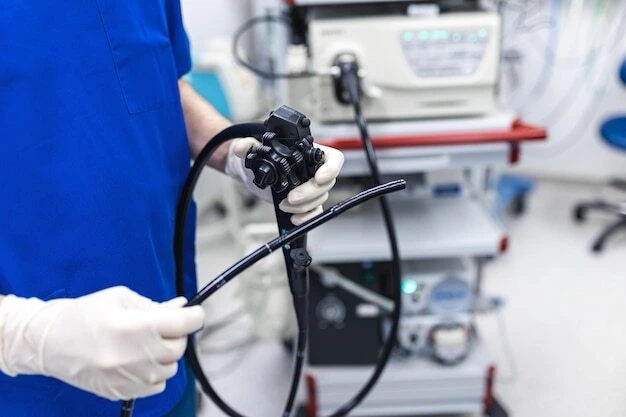
Understanding Endoscopy: What It Is and Why It’s Done
Endoscopy is a procedure through which the endoscope is a small and lengthy, flexible tube complete with a camera and a light, which enables the doctor to peep inside the digestive system.
It helps in detecting different digestive disorders and anomalies that are not visible with the help of normal scans.
What Is an Endoscopy Test?
An endoscopy test is one that is conducted in order to make a visualization of the inner lining of the esophagus, stomach, and the upper part of the small intestine. It assists physicians in locating ulcers, hemorrhage, infections, inflammation, or tumors in the digestive tract.
Endoscopy Meaning and Definition
The endoscopy name is an abbreviation of the Greek: endo (inside) and skopein (to look). In simple terms, it means “to look inside the body” using specialized instruments.
Endoscopy Procedure: Step-by-Step Overview
Patients should be told not to eat or drink for 6 to 8 hours before the test to provide a clear view of the stomach. Drugs are normally administered to make you calm.
- The doctor inserts the endoscope gently through your mouth or nose.
- The camera sends real-time images to a monitor.
- If needed, small tools can be passed through the scope for an endoscopy biopsy, a small tissue sample for testing.
- The whole procedure of endoscopy lasts approximately 15 to 30 minutes.
What Diseases Can Be Detected by an Endoscopy?
Endoscopy helps in diagnosing a wide range of gastrointestinal problems, such as:
- Peptic ulcers and gastritis
- Gastroesophageal reflux disease (GERD)
- Stomach or esophageal cancer
- Internal bleeding
- Celiac disease
- Infections or inflammation
- Hiatal hernia
It also assists doctors in monitoring the progress of ongoing treatments or verifying recovery after surgery.
Types of Endoscopy
Endoscopic procedures are of many different types, depending on what part of the body is under examination:
- Upper GI Endoscopy (Gastroscopy): Inspected the upper small intestine, esophagus, and stomach.
- Capsule Endoscopy: When it is swallowed, it consists of a small camera capsule that takes pictures on its way through your digestive system.
- Nasal Endoscopy: Viewing nasal passages and sinuses.
- Endoscopic Ultrasound (EUS): Combines ultrasound and endoscopy to image in detail.
All types have their own functions; they should assist specialists in identifying certain conditions in time.
Endoscopy Side Effects and Safety
Endoscopy is considered one of the safest diagnostic tests. Minor endoscopy side effects include:
- Temporary sore throat
- Mild bloating or nausea
- Slight drowsiness after sedation
- Severe complications like bleeding or perforation are extremely rare.
Our Karachi clinic is located in a place that provides maximum safety to the patients through the use of advanced sterilization and monitoring methods.
Endoscopy Indications: When Is It Needed?
Doctors recommend an endoscopy if you experience:
- Persistent stomach pain
- Difficulty swallowing
- Unexplained weight loss
- Vomiting or bleeding
- Chronic acid reflux
- Suspected ulcers or tumors
Endoscopy helps to avoid significant complications and provides early detection, with the help of which major complications are prevented.
What Is a Colonoscopy?
Another diagnostic test is a colonoscopy, which is a test that is conducted to examine the large intestine (colon) and the rectum with the help of a camera tube that is long and made of a flexible camera tube known as a colonoscope.
Its common application is in the screening of colorectal cancer, polyps, bleeding, and inflammatory bowel disease (IBD).
Colonoscopy Meaning and Definition
The term colonoscopy refers to the observation of the colon. Colonoscopy is the gold-standard examination that identifies the early stages of colon cancer or incomplete growths.
Colonoscopy Procedure and Preparation
Colonoscopy is a non-invasive procedure that is performed with sedation, is safe, and easy.
However, proper preparation is essential for clear visualization.
Colonoscopy Prep
Before the test:
- You’ll be asked to drink a colonoscopy solution the day before to cleanse your intestines.
- Avoid solid foods 24 hours before the test.
- Hydrate well with clear fluids.
During the procedure:
- You’ll be sedated for comfort.
- The doctor gently inserts the colonoscope through the rectum.
- Real-time images of the colon appear on a monitor.
- If polyps or suspicious tissue are found, they can be removed or biopsied immediately.
Colonoscopy Side Effects
Colonoscopy is very safe when performed by trained professionals. Temporary side effects include:
- Mild bloating or gas
- Drowsiness after sedation
- Rarely, slight bleeding if a biopsy is taken
Severe side effects are uncommon and can be prevented with expert care.
Endoscopy vs Colonoscopy: Key Differences
Although both are diagnostic tools, they target different areas of the digestive tract:
Feature | Endoscopy | Colonoscopy |
Examines | Esophagus, stomach, duodenum | Colon and rectum |
Purpose | Detects ulcers, GERD, and stomach cancer | Detects colon cancer, polyps, and inflammation |
Insertion Point | Mouth or nose | Rectum |
Duration | 15–30 minutes | 30–45 minutes |
Preparation | Fasting required | Bowel cleaning required |
Sigmoidoscopy is a procedure that has a limited scope and only covers the end of the colon, and the colonoscopy gives a full picture of the large intestine.
Endoscopy vs Colonoscopy: Which One Do You Need?
In case of upper abdominal pain, nausea, or acid reflux, an Endoscopy is likely to be suggested to you by your doctor.
A Colonoscopy is recommended to screen for cancer in case of rectal bleeding or alteration in bowel habits, or for individuals aged 45 years and above.
In other instances, these two procedures can be suggested to conduct a full evaluation of the digestive system.
Why Choose Our Endoscopy and Colonoscopy Services in Karachi?
We are proud of the fact that we are one of the best Endoscopy and Colonoscopy services and gastrointestinal diagnostic centers in Karachi. Here’s why patients choose us:
- Experienced Gastroenterologists with years of expertise
- State-of-the-art Endoscopy Units with HD imaging
- Safe Sedation and Sterile Environment
- Comprehensive Testing & Reporting
- Patient-Centered Care from consultation to recovery
Our goal is to ensure that your diagnostic experience is comfortable, informative, and stress-free.