
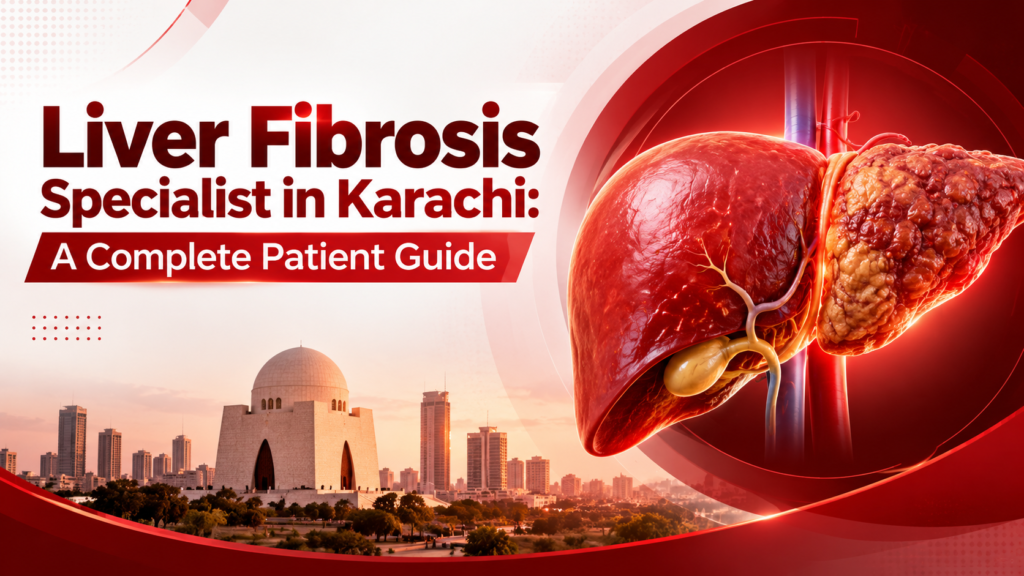
Liver fibrosis happens when scar tissue builds up in the liver after repeated injury or long term inflammation.
It can develop because of fatty liver disease, hepatitis B, hepatitis C, or other liver conditions.
A liver fibrosis specialist in Karachi can help identify the cause, assess liver damage, and guide patients towards suitable treatment and follow up care.
Many people with early liver fibrosis do not notice any symptoms. They may discover the condition after a blood test, ultrasound, or another medical examination.
Early assessment matters because treating the underlying cause can slow the progression of liver damage. In some cases, fibrosis may also improve with proper treatment.
This guide explains the causes, symptoms, stages, diagnosis, and treatment options for liver fibrosis. It also explains when patients in Karachi should consult a liver specialist and how they can prepare for an appointment.
What Is Liver Fibrosis?
Liver fibrosis is the formation of scar tissue in the liver. It develops when the liver tries to repair itself after repeated injury.
During this process, the body produces extra proteins and other materials that form scar tissue. Over time, too much scar tissue can affect the liver’s normal structure and function.
The liver performs many important jobs. It helps process nutrients, removes harmful substances from the blood, produces bile, and makes proteins that the body needs.
When scar tissue builds up, these functions may become affected, especially in advanced disease.
Liver fibrosis is not the same as liver failure. It describes scarring that can range from mild to severe. If the scarring becomes extensive and changes the structure of the liver, the condition may progress to cirrhosis.
What Are the Main Causes of Liver Fibrosis?
Liver fibrosis can develop for several reasons. Finding the cause is an important part of treatment because the right approach depends on the condition that is damaging the liver.
1. Fatty Liver Disease
Fat can build up inside liver cells and cause inflammation in some people. This condition is often linked to obesity, type 2 diabetes, high cholesterol, and insulin resistance.
When fatty liver disease causes ongoing inflammation and damage, fibrosis may develop.
Doctors may assess a patient’s weight, blood sugar, cholesterol, liver blood tests, and imaging results to determine whether fatty liver disease could be contributing to liver damage.
2. Hepatitis B and Hepatitis C
Chronic hepatitis B and hepatitis C infections can cause long term inflammation in the liver. If the inflammation continues without effective treatment, scar tissue may build up.
Blood tests can help identify these infections. Effective antiviral treatment is available for hepatitis C, while hepatitis B can often be controlled with appropriate medicines and regular monitoring.
3. Alcohol Related Liver Disease
Frequent or heavy alcohol use can damage liver cells. Continued damage may lead to inflammation and fibrosis. Stopping alcohol use is an important part of care when alcohol contributes to liver disease.
4. Other Medical Conditions
Some less common causes include autoimmune hepatitis, certain inherited conditions, bile duct diseases, and particular medicines or toxic substances.
A doctor may investigate these possibilities when the patient’s medical history or test results suggest them.
Not everyone with a risk factor develops fibrosis. A medical assessment helps identify the likely cause and determine the next steps.
What Are the Symptoms of Liver Fibrosis?
Early liver fibrosis often causes no clear symptoms. A person may feel healthy even when scarring has started.
For this reason, people with chronic hepatitis, fatty liver disease, diabetes, or unexplained abnormal liver blood tests may need medical assessment even if they feel well.
As liver disease progresses, some people may experience tiredness, weakness, reduced appetite, or discomfort in the upper right side of the abdomen.
These symptoms are not specific to fibrosis and can occur with many other health problems.
Advanced liver scarring may cause more serious signs, including:
- Yellowing of the skin or eyes, known as jaundice.
- Swelling of the abdomen, legs, or ankles.
- Easy bruising or unusual bleeding.
- Persistent itching.
- Unexplained weight loss or muscle loss.
- Confusion, unusual sleepiness, or changes in alertness.
These symptoms do not automatically mean that a person has liver fibrosis. However, they should be evaluated by a healthcare professional.
Vomiting blood, passing black or bloody stools, or developing sudden confusion requires emergency medical care. Severe or rapidly worsening abdominal swelling, particularly with fever or pain, also needs urgent assessment.
What Are the Stages of Liver Fibrosis?
Liver fibrosis is commonly described using stages from F0 to F4. These stages help doctors describe the amount of scarring, although the exact staging method and interpretation may vary according to the test and underlying liver condition.
F0: No fibrosis
At this stage, no significant scar tissue is detected. However, a person may still have another liver condition, such as excess fat or inflammation.
F1: Mild fibrosis
A small amount of scar tissue has formed. Treating the underlying cause may help prevent further damage.
F2: Moderate fibrosis
Scarring is more noticeable. Medical follow-up is important to manage the cause and monitor changes in liver health.
F3: Advanced fibrosis
Extensive scarring is present, but the condition has not necessarily progressed to cirrhosis. Specialist care is particularly important at this stage.
F4: Cirrhosis
This stage represents advanced scarring that has altered the liver’s structure. Patients may need regular monitoring for complications.
These stages provide a general guide rather than a diagnosis for an individual patient. A specialist interprets test results alongside medical history, blood tests, and other findings. Some tests estimate scarring, while a liver biopsy can directly show tissue changes.
How Is Liver Fibrosis Diagnosed?
A liver fibrosis specialist evaluates the patient’s medical history, possible causes of liver injury, blood test results, and imaging findings.
The aim is to estimate the amount of scarring, identify the cause, and determine whether the liver is still functioning properly. Not every patient needs every test.
1. Liver Function and Other Blood Tests
Blood tests may include ALT, AST, bilirubin, albumin, platelet count, and other measurements based on the patient’s condition.
Doctors may also request tests for hepatitis B, hepatitis C, diabetes, or other possible causes.
Some blood test results can be combined into scoring tools, such as FIB 4, to estimate the likelihood of advanced fibrosis.
These scores are not a complete diagnosis and must be interpreted in the right clinical context.
2. Ultrasound and Liver Elastography
An abdominal ultrasound can help identify fatty changes, changes in liver appearance, and certain signs of advanced liver disease. However, a routine ultrasound cannot reliably determine every stage of fibrosis.
Liver elastography measures liver stiffness and helps estimate the extent of scarring. One commonly used option is FibroScan, a specialised test based on transient elastography. Magnetic resonance elastography is another option in selected cases.
These tests can help a specialist assess the liver without taking a tissue sample. However, results can be affected by factors such as active inflammation and other medical conditions.
3. Liver Biopsy
A liver biopsy involves taking a small sample of liver tissue for examination under a microscope.
It may be considered when non-invasive tests do not provide clear answers, when the cause of liver disease remains uncertain, or when more detailed information could change treatment.
A biopsy is not necessary for every patient. The specialist weighs its possible benefits and risks against the information already available.
Which Tests May Be Used?
Test | Main purpose | Important limitation |
Blood tests | Assess liver injury and function and investigate possible causes | Cannot measure scarring directly in every case |
Routine ultrasound | Examine liver appearance and look for certain abnormalities | Cannot reliably stage fibrosis |
FibroScan or other elastography | Estimate liver stiffness and possible scarring | Results need clinical interpretation |
Liver biopsy | Examine liver tissue directly | Invasive and not required for everyone |
The choice depends on symptoms, risk factors, earlier results, and the doctor’s assessment.
When Should You Visit a Liver Fibrosis Specialist in Karachi?
You should consider an appointment with a gastroenterologist or hepatologist if you have ongoing liver problems, risk factors for chronic liver disease, or test results that suggest possible scarring.
A hepatologist is a doctor who specialises in liver diseases, while a gastroenterologist treats conditions affecting the digestive system, including the liver and bile ducts.
A specialist appointment may be appropriate if:
- Your liver enzymes remain abnormal on repeated blood tests.
- An ultrasound or elastography report suggests liver damage or fibrosis.
- You have chronic hepatitis B or hepatitis C.
- You have fatty liver disease along with diabetes, obesity, or other metabolic risk factors.
- You have previously been diagnosed with advanced fibrosis or cirrhosis.
- Your doctor recommends further assessment after reviewing your test results.
In Karachi, patients can look for a qualified gastroenterologist or hepatologist through hospital outpatient departments or specialist clinics.
Before booking, check the doctor’s relevant qualifications, experience with liver disease, clinic location, appointment availability, and access to appropriate diagnostic testing.
You can visit Dr Aziz Ur Rehman to check the available medical services and appointment information. Verify the doctor’s current specialty, qualifications, and available services directly before making a booking.
How Is Liver Fibrosis Treated?
Treatment focuses on the cause of liver damage, the stage of fibrosis, and the patient’s overall health.
There is no single treatment suitable for every patient. Early assessment and appropriate care can help slow further scarring, and some fibrosis may improve when the underlying cause is successfully treated.
Established cirrhosis requires careful management because its complications can be serious.
Treating Fatty Liver Disease
When excess liver fat and metabolic problems contribute to fibrosis, doctors may recommend gradual weight loss for patients who are overweight, regular physical activity, and a balanced diet.
Managing diabetes, high cholesterol, and blood pressure is also important.
Crash diets and unverified weight loss products are not safe substitutes for medical care. A sustainable plan is generally more useful than rapid changes that are difficult to maintain.
Treating Hepatitis B and Hepatitis C
Patients with hepatitis B may need antiviral medicines and regular monitoring, depending on their condition. Hepatitis C can often be cured with a course of direct acting antiviral medicines prescribed by a qualified clinician.
Treating viral hepatitis can reduce ongoing liver injury. The doctor will decide which treatment is appropriate after reviewing infection tests, liver health, and other medical factors.
Managing Alcohol Related Liver Damage
If alcohol is contributing to liver injury, stopping alcohol use is a key part of treatment. Patients who find it difficult to stop should discuss safe support options with a healthcare professional.
People who may be physically dependent on alcohol should seek medical advice before attempting withdrawal without supervision.
Managing Advanced Fibrosis and Cirrhosis
People with advanced fibrosis need follow up based on the cause and severity of their liver disease.
If cirrhosis is present, the specialist may monitor for fluid buildup, bleeding from enlarged veins, changes in mental alertness, and liver cancer.
Some patients need medicines or procedures to manage complications. Liver transplantation may be considered for selected people with advanced liver failure. These decisions require specialist assessment.
Important: Do not start liver supplements, herbal remedies, or prescription medicines without medical advice.
Some products can harm the liver or interact with existing treatment.
What Can You Do to Protect Your Liver?
Daily habits can support liver health, but they do not replace medical treatment when fibrosis is present. The most useful approach is to address the cause of liver injury and follow a plan suited to your health needs.
Practical steps include:
- Choose balanced meals: Eat a varied diet with vegetables, fruit, whole grains, and suitable protein sources. Limit excess sugar and highly processed foods.
- Stay physically active: Choose regular activity that matches your ability and your doctor’s advice.
- Manage long term conditions: Keep diabetes, cholesterol, and blood pressure under appropriate control.
- Avoid alcohol when advised: Alcohol can worsen several forms of liver disease. People with liver fibrosis should discuss alcohol avoidance with their specialist.
- Check medicines and supplements: Tell your doctor about prescription medicines, pain relievers, vitamins, and herbal products.
- Attend follow up appointments: Repeat blood tests or liver stiffness assessments may be needed to monitor your condition.
- Ask about hepatitis prevention: Discuss hepatitis testing and vaccination where appropriate.
These steps can help reduce further liver injury. However, the best plan depends on the cause and stage of the disease.
How to Prepare for a Liver Specialist Appointment in Karachi
Preparing for your consultation can help you make better use of your appointment. Bring previous medical reports, a list of current medicines, and details of any symptoms you have noticed.
Tell the doctor when your symptoms started, whether they have changed, and whether you have a history of fatty liver, hepatitis, diabetes, or other relevant conditions.
Mention any supplements or traditional remedies you use, even if you consider them natural.
It can also help to ask these questions:
- What is the likely cause of my liver fibrosis?
- Do I need a FibroScan, another elastography test, or a liver biopsy?
- What does my fibrosis stage mean for my health?
- Which treatment or lifestyle changes are suitable for me?
- How often should I repeat my tests?
- Do I need screening for complications?
- Which symptoms should prompt urgent medical attention?
If you are travelling across Karachi for care, confirm the clinic address, appointment time, required reports, and test preparation instructions beforehand.
Not every clinic offers all liver tests on site, so ask whether any investigations need to be arranged separately.
Frequently Asked Questions
Which doctor treats liver fibrosis?
A hepatologist or a gastroenterologist with experience in liver disease can assess liver fibrosis. The right specialist will review your medical history, investigate the cause, interpret test results, and recommend treatment or follow up care.
Can liver fibrosis be reversed?
Some liver fibrosis may improve when the cause of liver damage is treated successfully. The chances depend on the stage of scarring and the underlying condition. Advanced cirrhosis is more difficult to reverse, so early medical assessment is valuable.
Can liver fibrosis occur without symptoms?
Yes. Early fibrosis often causes no noticeable symptoms. Some people discover it after blood tests or an assessment for fatty liver disease or viral hepatitis. People with relevant risk factors should discuss appropriate screening with their doctor.
Is FibroScan enough to diagnose liver fibrosis?
FibroScan can estimate liver stiffness and help assess the likelihood of fibrosis. However, results must be interpreted alongside medical history, blood tests, and other findings. Some patients need additional investigations, but a liver biopsy is not required in every case.
What is the difference between liver fibrosis and cirrhosis?
Liver fibrosis refers to scar tissue that forms after liver injury. Cirrhosis is the most advanced stage of liver scarring, in which the liver’s structure becomes significantly altered. Both conditions require appropriate medical assessment and management.
When should I see a liver fibrosis specialist in Karachi?
Consider an appointment if you have persistent abnormal liver tests, chronic hepatitis, fatty liver disease with additional risk factors, or imaging results that suggest scarring. Seek emergency care for vomiting blood, black or bloody stools, or sudden confusion.
What should I bring to my first liver specialist appointment?
Bring previous blood tests, ultrasound or FibroScan reports, current prescriptions, and a list of supplements. Write down your symptoms and relevant medical history. This information helps the doctor decide which additional tests or treatments may be appropriate.
Conclusion
Liver fibrosis can develop silently, but finding and treating its cause may help protect the liver from further damage.
The right care depends on the amount of scarring, the underlying disease, and the patient’s overall health.
If you are looking for a liver fibrosis specialist in Karachi, consider a qualified hepatologist or gastroenterologist who can assess your condition and guide you through diagnosis, treatment, and follow up care.
You can visit drazizurrehman.com to check the available medical services and appointment details, and verify that the services you need are offered.
Do not ignore abnormal liver tests or signs of advanced liver disease. Timely medical advice can help you make informed decisions about your liver health.