
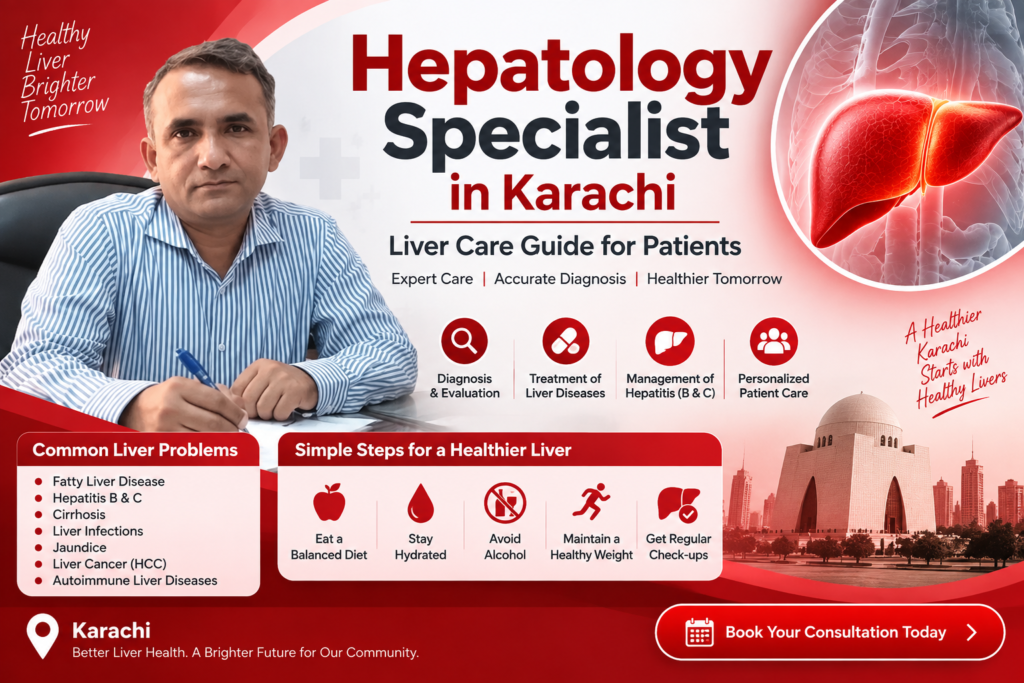
What Does a Hepatology Specialist Do?
The hepatologist specializes in the diagnosis and treatment of liver, bile duct, and digestive organ diseases.
They may treat common conditions such as fatty liver disease, viral hepatitis, cirrhosis, liver inflammation, and complications of advanced liver disease.
A hepatologist is not a symptom man. The specialist searches for the cause of abnormal liver function, persistent symptoms, or changes in imaging or blood tests. Treatment varies by condition, severity, and overall health of the patient.
For instance, if a person’s liver enzymes are elevated, they would require additional testing before treatment is started.
This may be associated with fatty liver, viral hepatitis, side effects of medication, alcohol abuse, metabolic conditions, or other liver disease.
When Should You See a Liver Specialist in Karachi?
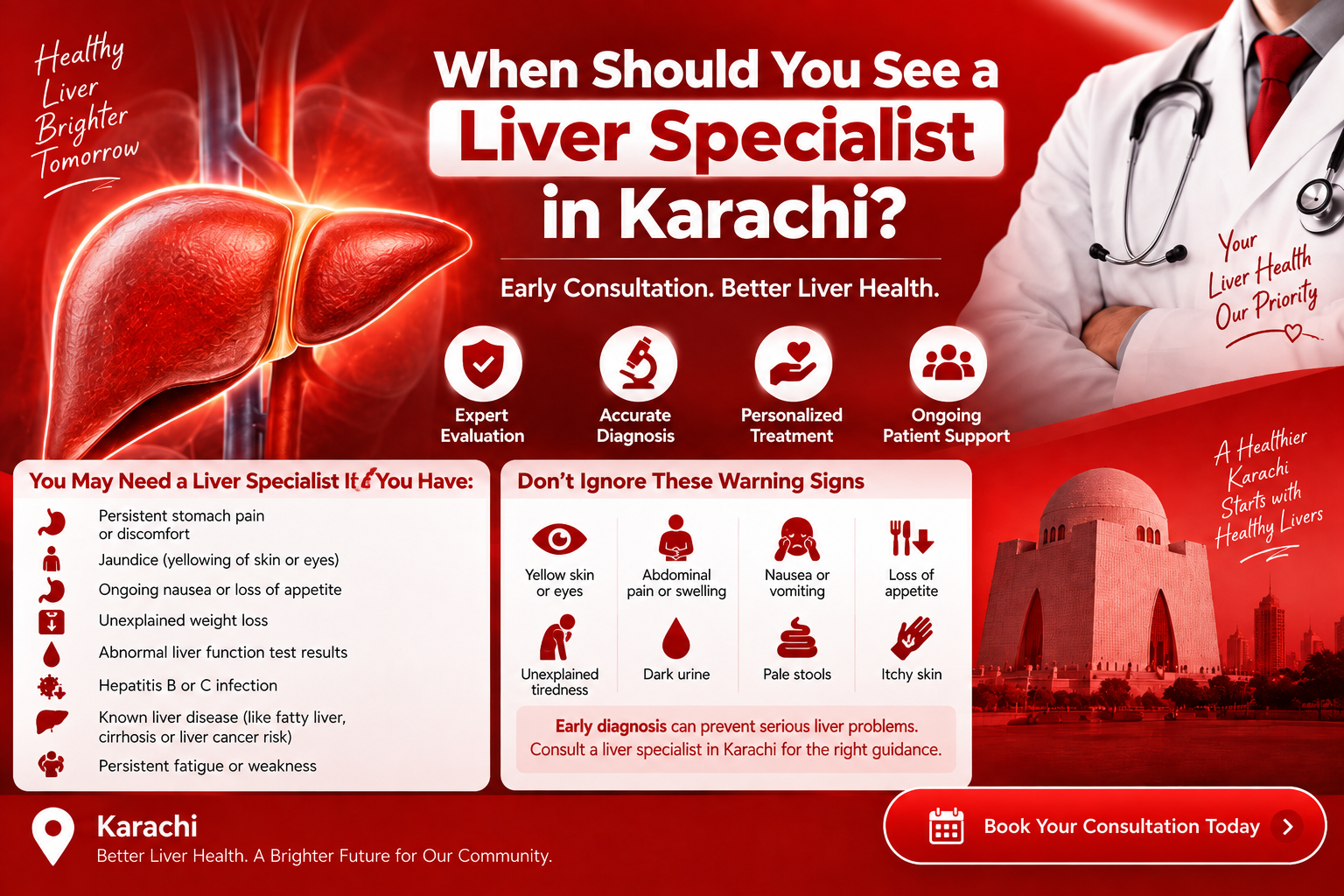
If you have liver-related symptoms that are ongoing, abnormal liver tests, a known liver disease, or risk factors for liver disease, you should see a hepatology specialist for an appointment.
In the beginning stages, some liver diseases do not have symptoms at all or only mild ones. One of the reasons is that abnormal blood tests or imaging should not just be disregarded.
If you have: a doctor may refer you to see a specialist.
- High levels of liver enzymes or other abnormal liver markers that last for a long time
- Hepatitis B or hepatitis C
- A fatty liver disease or suspected metabolic liver disease.
- Jaundice (yellow color of the skin or eyes)
- Sudden bump in the abdomen or ongoing abdominal pain that cannot be explained
- Liver scarring (cirrhosis) or suspected liver scarring
- Unusual variations from liver imaging studies
- Medical history of issues that impact liver function.
- Liver injury that may be caused by drugs or substances.
The signs do not necessarily mean that you have severe liver disease. The complete clinical situation should be assessed by a health care professional to decide the cause.
Common Conditions Managed by Hepatology Specialists
Liver doctors treat a wide variety of liver diseases. Some are temporary and can be controlled with proper management; others must be monitored over time.
Fatty Liver Disease
Fatty liver is the condition in which excess fat gets deposited in the liver. It is often linked to metabolic issues like overweight, type 2 diabetes, insulin resistance, and abnormal cholesterol or triglyceride levels, but there are other factors.
However, there are individuals with fatty liver who are symptom-free. Some people may also feel tired or uncomfortable in the upper right side of their abdomen, but this is not a symptom of fatty liver.
Evaluation will include a medical history, blood tests, ultrasound or other imaging, and assessment of metabolic risk factors.
Treatment is often directed at the underlying causes and hopefully towards preventing liver inflammation or the further progression of liver scarring.
Hepatitis B, C
Hepatitis is the inflammation of the liver. Sometimes, viral hepatitis, especially hepatitis B and C, will not show any symptoms for years.
Chronic infection may lead to liver damage, cirrhosis, and liver cancer. Medications or more testing and monitoring may be necessary, and a specialist will be able to decide if this is appropriate.
Individuals diagnosed with hepatitis should seek guidance from their health care provider instead of symptoms. Even if a person is feeling well, regular monitoring can be important.
Cirrhosis
Cirrhosis results from long term liver damage, which causes extensive scarring and alterations in the normal structure of the liver.
Cirrhosis can occur due to a number of diseases; these include chronic viral hepatitis and metabolic/alcohol related liver disease.
Early cirrhosis can have no symptoms. Complications may occur as liver function is impaired and will need specialist management.
Treatment is aimed at finding the underlying cause and treating it, watching liver function, preventing complications, and solving any complications that arise.
Liver Inflammation
Liver inflammation can be caused by various factors. The liver may be damaged by viruses, metabolic liver disease, some drugs, autoimmune diseases, and other diseases.
Given that others can experience the same symptom for a variety of reasons, treatment should not be based on assumptions but based on a proper medical evaluation.
Liver cysts, lesions, and abnormal imaging findings.
Sometimes an ultrasound, CT scan, or MRI will show an enlargement, change, or lesion in the liver, such as a cyst.
Not all of the results are necessarily a serious disease. The meaning of the significance, however, depends upon the appearance, size, location, symptoms, medical history, and other test results.
You may need further tests or monitoring, which a hepatologist/gastroenterologist can assist with.
What Symptoms Can Be Linked to Liver Disease?
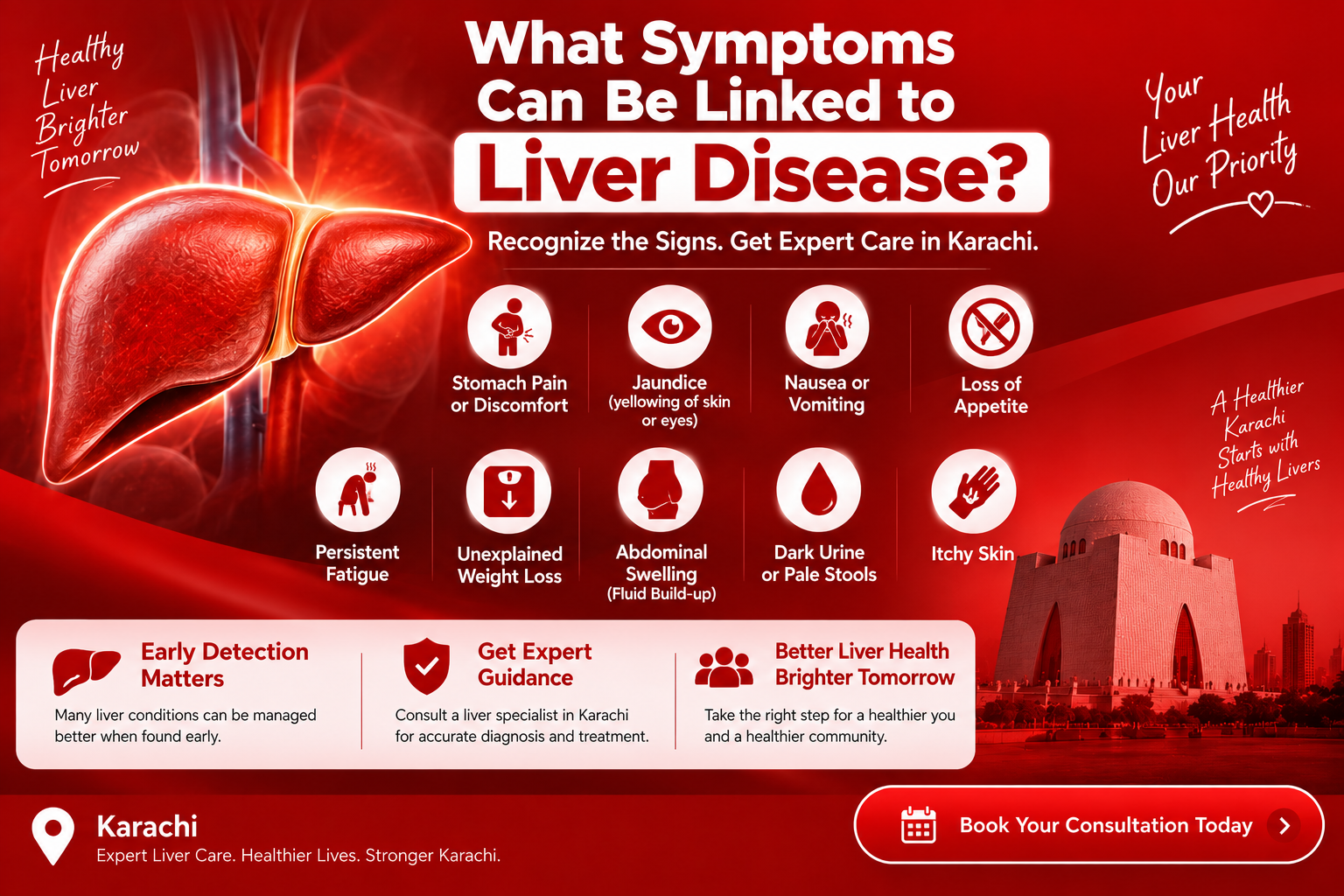
Liver disease may present with numerous symptoms, and some people may not experience symptoms in the early stages.
Symptoms may include fatigue, nausea, loss of appetite, abdominal discomfort, itching, dark urine, pale stool, or jaundice. In more severe liver disease, abdominal swelling, leg swelling, easy bruising, confusion, or other changes may occur.
Liver disease can’t be confirmed by symptoms. For instance, fatigue is a common symptom of many illnesses. A doctor might then use symptoms along with the physical exam, blood tests, imaging, and history to make a diagnosis.
What are the symptoms of liver that require immediate medical attention?
There are certain symptoms that are not an ordinary tidbit of information. If you have symptoms that are severe or getting worse quickly, such as a lot of confusion, vomiting blood, black or bloody stools, a lot of swelling or pain in your abdomen, collapse, or marked yellowing and feeling very unwell, seek urgent health care.
If cirrhosis or any serious liver disease has been diagnosed, people should follow the emergency plan they were given by their treating healthcare professional.
How Is Liver Disease Diagnosed?
There are no single tests to diagnose all liver disorders. Physicians typically use multiple sources to better understand what is going on.
The tests performed on a medical evaluation could include blood tests for liver enzymes, bilirubin, viral hepatitis, metabolic testing, and others depending on the suspected condition.
It can also be helpful to use imaging to get information. A scan of the abdomen is usually performed using an ultrasound to look at the liver and other organs, and other scans may be performed if more detailed information is required.
Sometimes more tests are needed to evaluate liver fibrosis or to better understand the cause of liver problems if there is an abnormal finding.
The specific testing program varies from patient to patient.
What Happens During a Hepatology Appointment?
A first appointment typically involves a thorough discussion of symptoms, past diagnosis, medications, lifestyle, family history, and available test results.
The doctor can then do a physical exam and determine if further laboratory tests or imaging are necessary.
Bringing previous reports can help make the consultation more useful if these are available, as the doctor can compare results over time.
In addition, the patient will need to discuss over-the-counter medications, herbal remedies, supplements, and any prescription medications used. Some substances have a negative impact on the liver, and the doctor should have all information before making the assessment.
Hepatologist vs Gastroenterologist: What Is the Difference?
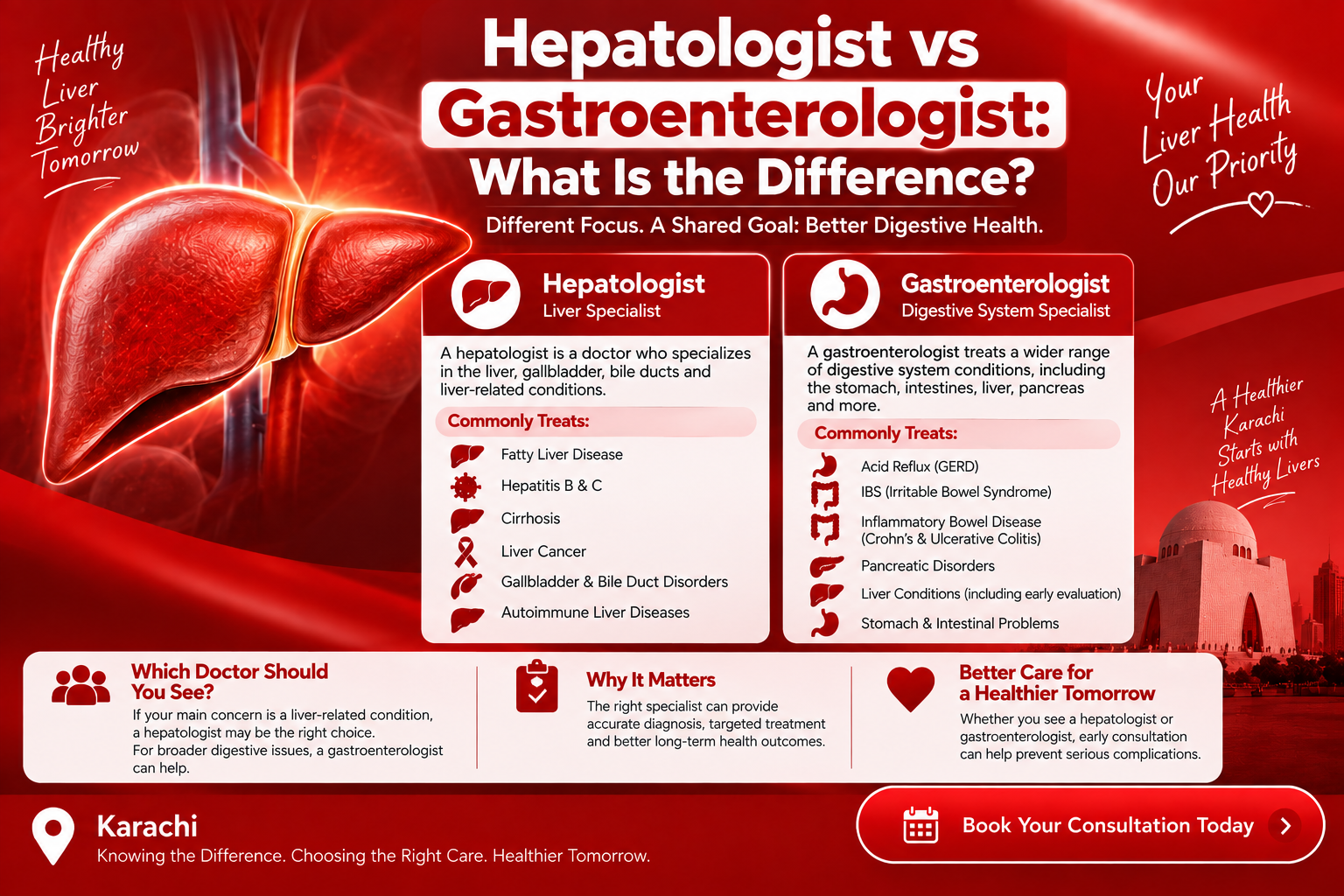
A gastroenterologist manages disorders of the digestive system, including the stomach, intestines, pancreas, gallbladder, and liver.
A hepatologist has a more focused interest in liver and biliary diseases.
The two specialties overlap significantly, and many patients with liver concerns may initially be assessed by a gastroenterologist or a doctor with a specific focus on hepatology.
Factor | Hepatology Specialist | Gastroenterologist |
Main focus | Liver and related biliary conditions | Digestive system and related organs |
Common concerns | Hepatitis, fatty liver, cirrhosis, liver inflammation | Reflux, ulcers, bowel disorders, digestive diseases |
Liver care | Highly focused | Part of broader digestive care |
Bile duct and gallbladder issues | May be managed depending on the condition | Commonly managed |
Advanced liver problems | Specialist evaluation may be appropriate | May manage or refer depending on expertise |
The most suitable specialist depends on the patient’s symptoms and diagnosis. In some situations, coordinated care between specialists may be useful.
How to Choose a Hepatology Specialist in Karachi
Selecting a liver specialist isn’t just about finding a doctor who has a good-looking internet profile or high ranking.
Choices about medical treatment are individual ones and depend on your health, the kind of assessment you need, availability, and the physician’s expertise.
Ask the doctor if he/she routinely checks the type of liver condition you are having.
It is also important to ask if the clinic/hospital has access to a suitable laboratory, imaging, and specialist referral service when necessary.
Patients should also inquire about follow-up care. As chronic liver conditions may need to be monitored on a regular basis, effective communication and easily accessible care can make the treatment process easier.
When you are looking for a hepatology specialist in Karachi, you can consider Dr Azizurrehman as one of your doctors to explore.
Patients should verify the doctor’s current credentials, specialty, clinic location, availability, and services offered independently prior to booking the appointment.
Questions to Ask During Your Liver Consultation
It is helpful to come to an appointment with a few questions in mind to make you more aware of your situation.
Don’t focus on the diagnosis alone; focus on what might have happened, and what information is required to determine the diagnosis.
Useful questions include:
- So what might be leading to my liver issue or abnormal test results?
- What tests should I get and what does each test check?
- Is there a need for treatment or regular monitoring?
- Are there any medications or supplements that can cause problems with my liver?
- What changes do I need to make to my lifestyle?
- How often should I have my blood tests or imaging done again?
- What are the signs that would require immediate treatment?
It is not important to know all the medical details prior to your appointment.
If you don’t understand what is being said, ask the doctor to say it again in easy-to-understand terms.
Preparing for a Hepatology Appointment
Proper preparation can facilitate the consultation process.
Have up-to-date blood tests, ultrasound, CT or MRI reports, previous medical records, and a list of medications and supplements (if available).
Record the time that symptoms began and whether they have changed.
If applicable, talk about past hepatitis screenings, medical conditions, previous surgeries, and/or significant liver disease in the family.
It’s also important to be honest about lifestyle and drug usage.
Having complete information helps the physician to think about causes more accurately and decreases the risk of missing an important cause.
Can Liver Disease Be Prevented?
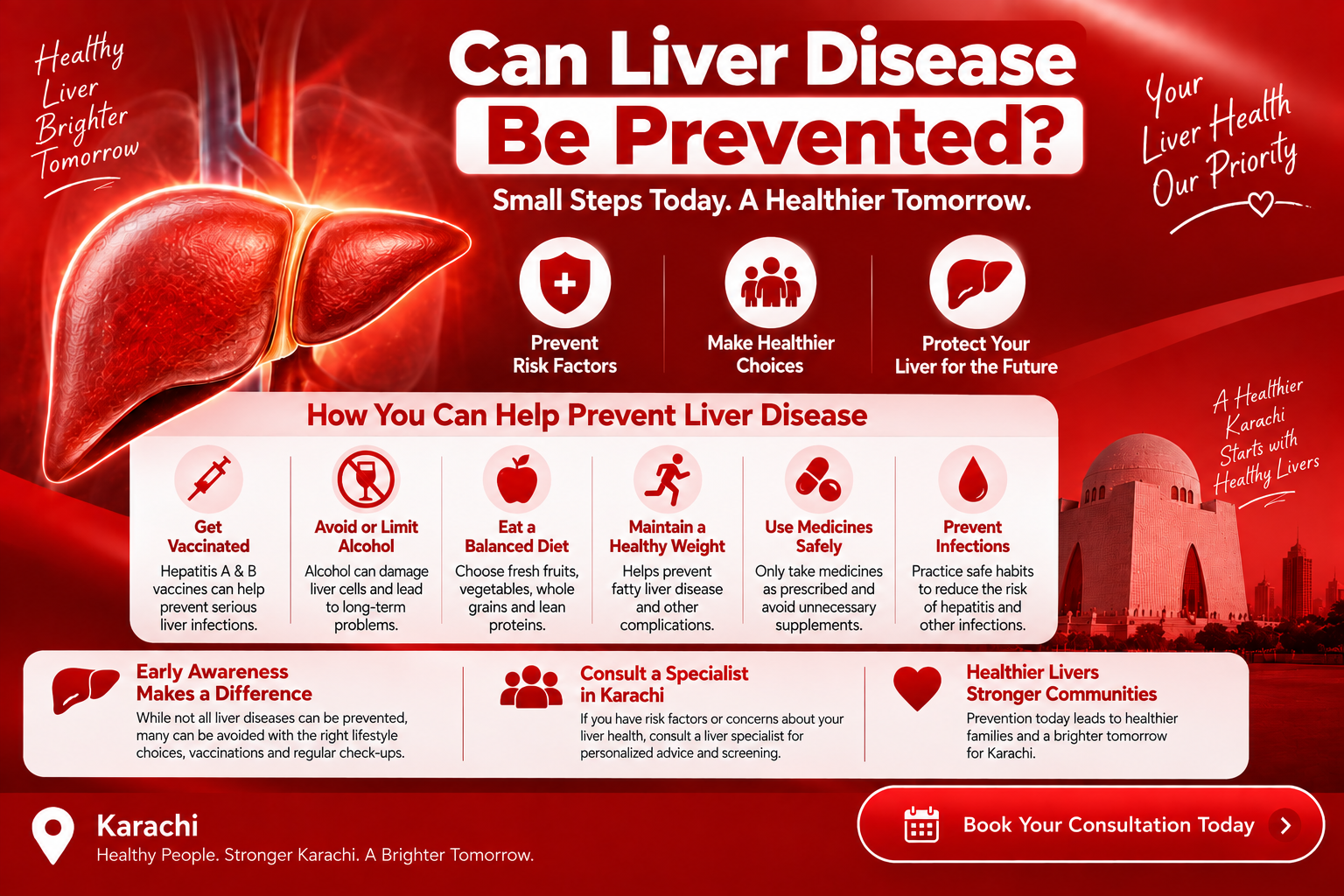
While some liver diseases cannot be prevented, there are steps you can take to minimize liver damage.
Prevention depends on the particular condition and personal risk factors.
Some types of viral hepatitis can be prevented by safe practices, and vaccination can help prevent hepatitis B. Eating a nutritious diet, keeping blood sugar under control (if needed), not taking unnecessary medications or supplements, and consulting with a healthcare professional about alcohol use can also help to keep the liver healthy.
People with existing liver disease may need a more specific prevention and monitoring plan.
Something that is suitable for one may not be suitable for another.
Common Mistakes People Make About Liver Health
A frequent error is to put off action until the liver problem is painful. Liver diseases may occur without any symptoms, and an abnormal liver test could warrant further monitoring even if you feel healthy.
The other error is to resort to herbal remedies and supplements without consulting a health care provider.
Natural does not necessarily mean harmless – some products may damage the liver or interact with medicines.
The third error is to discontinue treatment when symptoms are better.
In some cases, the liver disease does not cause any symptoms but does need to be monitored or treated. Prescribed medication should not be altered without consulting the care professional.
Why Follow-Up Matters for Chronic Liver Conditions
It is not always possible to treat an individual for liver disease only once.
Some people with conditions like hepatitis, fatty liver disease with high risk factors, and cirrhosis may need to be monitored on an ongoing basis.
Follow-up enables the healthcare professional to determine if the condition is stable, getting better, or worse. This could include more frequent blood tests, imaging, fibrosis testing, medication review, or screening for complications, depending on the diagnosis.
Follow-up should be at regular intervals, depending on the diagnosis and risk factors of the patient, and not be timed to a specific schedule for all patients.