
A diagnosis of hepatitis B can leave anyone feeling anxious and uncertain. Many people immediately ask, Can hepatitis B be cured?
Will I need lifelong medication? Can I live a normal life? The good news is that modern medicine has made tremendous progress in managing hepatitis B virus (HBV) infection.
While not every patient requires medication, timely diagnosis, regular monitoring, and the right treatment plan can significantly reduce the risk of liver damage, cirrhosis, and liver cancer.
According to the World Health Organization (WHO), nearly 254 million people worldwide live with chronic hepatitis B, and more than one million deaths occur each year from complications related to viral hepatitis.
Early diagnosis and appropriate care remain the most effective ways to protect long-term liver health.
This comprehensive guide explains the available treatment options, antiviral medicines, who needs treatment, lifestyle recommendations, monitoring, and prevention strategies.
Whether you have recently been diagnosed or are supporting someone with HBV infection, this article provides practical, evidence-based information to help you make informed decisions.
What Is Hepatitis B and Why Does It Need Treatment?
Hepatitis B is a viral infection caused by the Hepatitis B Virus (HBV) that primarily attacks the liver.
Some people experience only a short-term infection, known as acute hepatitis B, while others develop chronic hepatitis B, which can persist for decades if left untreated.
The main goals of treatment are to:
- Reduce the amount of virus in the body (viral suppression)
- Prevent liver inflammation
- Slow or stop liver fibrosis
- Reduce the risk of cirrhosis
- Lower the chances of developing liver cancer
- Improve quality of life
It’s important to remember that not every person diagnosed with HBV requires medication immediately.
Doctors first evaluate liver damage, viral load, and overall health before recommending therapy.
Featured Snippet:
Hepatitis B treatment focuses on controlling the virus rather than eliminating it completely.
Doctors use antiviral medicines, regular blood tests, liver monitoring, and healthy lifestyle changes to prevent liver damage and reduce long-term complications.
Who Needs Hepatitis B Treatment?
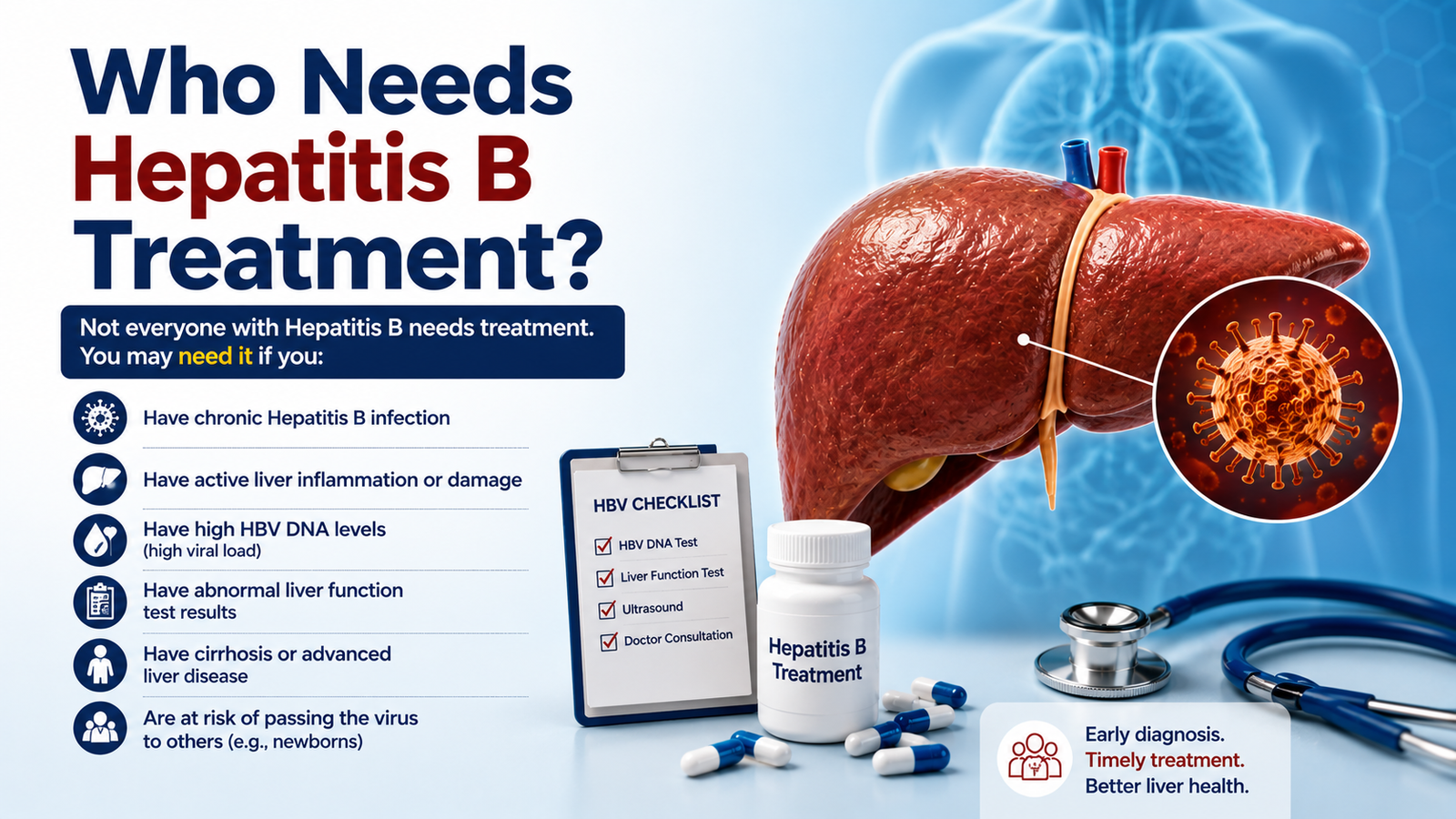
Treatment decisions depend on several medical factors rather than symptoms alone.
Your healthcare provider may recommend therapy if you have:
- High HBV DNA (viral load)
- Elevated liver enzymes (ALT and AST)
- Chronic hepatitis B infection
- Liver fibrosis or cirrhosis
- Family history of liver cancer
- Evidence of ongoing liver inflammation
- Coinfection with hepatitis D or HIV
- Suppressed immune system due to medication or illness
Some patients with inactive HBV infection only require regular monitoring instead of immediate medication.
Doctors usually combine several tests before deciding on treatment, including:
- Liver Function Test (LFT)
- HBV DNA Test
- HBsAg Test
- HBeAg Test
- Liver Ultrasound
- Fibrosis Assessment
- FibroScan or Liver Biopsy (when needed)
What Are the Best Hepatitis B Treatment Options?
The most effective treatment depends on whether the infection is acute or chronic.
Condition | Recommended Approach |
Acute Hepatitis B | Supportive care and monitoring |
Chronic Hepatitis B | Long-term antiviral therapy when indicated |
Liver Cirrhosis | Lifelong antiviral treatment with close follow-up |
High Viral Load | Oral antiviral medication |
Pregnancy with High Viral Load | Antiviral therapy during late pregnancy (if recommended by a specialist) |
Doctors personalize treatment because every patient’s liver condition is different.
How Is Acute Hepatitis B Managed?
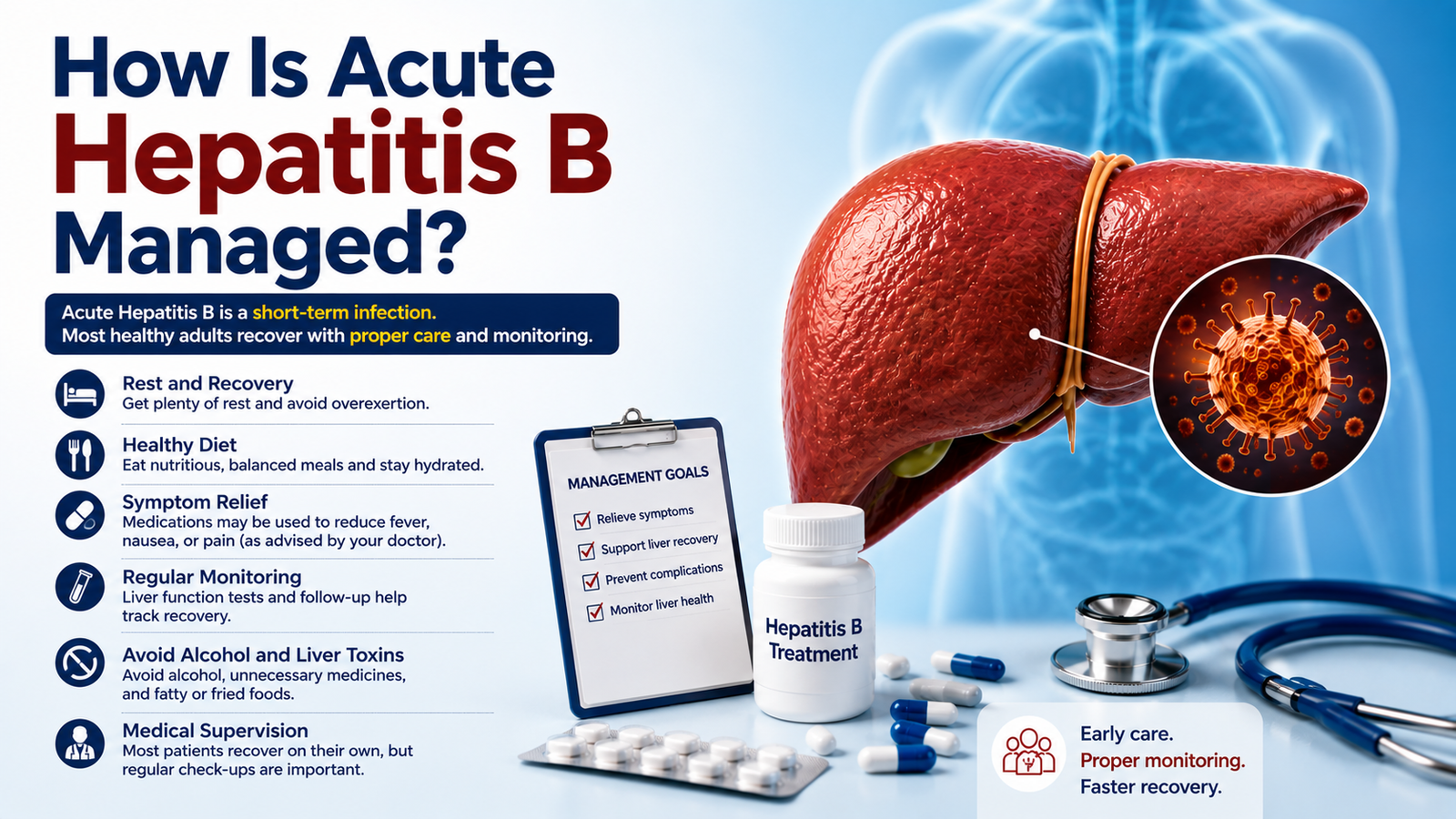
Most healthy adults recover naturally from acute hepatitis B without antiviral medication. The immune system often clears the infection within six months.
Treatment mainly focuses on supportive care, including:
- Adequate rest
- Staying hydrated
- Eating balanced meals
- Avoiding alcohol completely
- Avoiding unnecessary medicines that may affect the liver
- Regular follow-up blood tests
Patients with severe liver inflammation or signs of liver failure may require hospitalization and specialist care.
Recovery Tips
- Drink plenty of fluids.
- Eat small, nutritious meals if nausea is present.
- Avoid herbal supplements unless approved by your doctor.
- Never stop follow-up appointments after symptoms improve.
How Is Chronic Hepatitis B Treated?
Chronic hepatitis B requires long-term management rather than a one-time cure.
The primary goal is viral suppression, which reduces liver inflammation and prevents permanent liver damage.
Doctors may recommend:
- Oral antiviral therapy
- Routine liver function monitoring
- HBV DNA testing
- Ultrasound screening
- Lifestyle modifications
- Regular consultation with a hepatologist or gastroenterologist
Many people live long, healthy lives with chronic hepatitis B by following their treatment plan consistently.
One of the biggest mistakes patients make is stopping medication once they feel better.
HBV can become active again if treatment is discontinued without medical supervision.
Which Antiviral Medicines Are Commonly Prescribed?
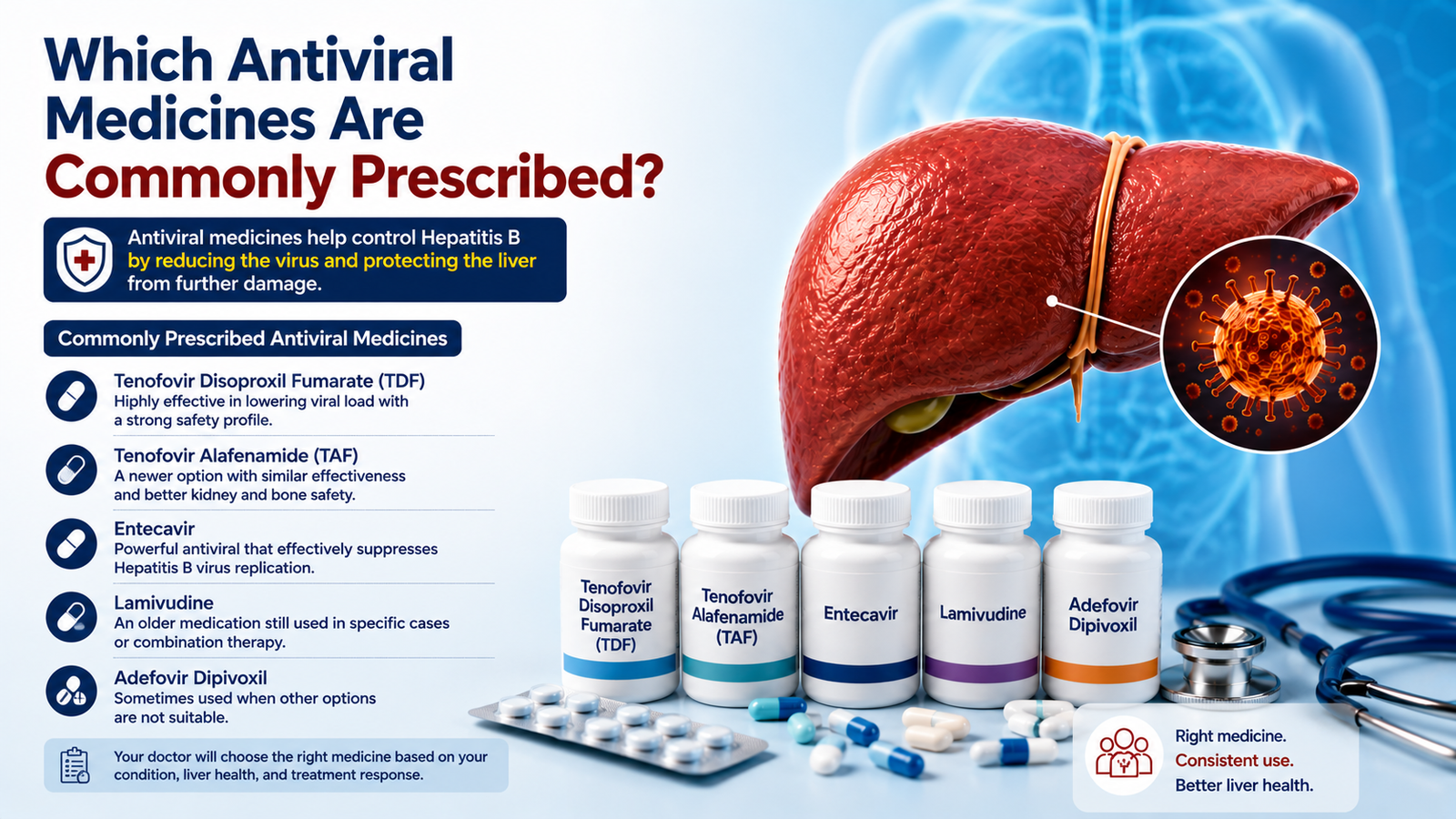
Several antiviral medicines are highly effective at controlling hepatitis B infection.
The most commonly prescribed medications include:
Tenofovir
Often considered a first-line treatment, Tenofovir effectively suppresses HBV replication and has a high barrier to drug resistance.
It is widely recommended for many adults with chronic hepatitis B.
Entecavir
Entecavir is another first-line antiviral medication. It is especially suitable for treatment-naïve patients and has demonstrated strong long-term viral suppression.
Peginterferon Alfa-2a
Unlike oral antivirals, Peginterferon stimulates the body’s immune response. Treatment is usually time-limited, but it is not suitable for every patient because of potential side effects.
The choice of medication depends on factors such as:
- Age
- Pregnancy status
- Kidney function
- Liver condition
- Viral load
- Previous treatment history
- Other medical conditions
Can Hepatitis B Be Cured?
This is one of the most common questions patients ask after diagnosis.
Short Answer
There is no complete cure for chronic hepatitis B at present. However, modern antiviral medicines can effectively suppress the virus to very low or undetectable levels, helping prevent liver damage and allowing many people to live long, healthy lives.
For acute hepatitis B, most healthy adults recover naturally within six months as their immune system clears the infection.
Featured Snippet:
Chronic hepatitis B cannot usually be cured completely, but antiviral therapy can control the virus, reduce liver inflammation, prevent complications, and significantly lower the risk of cirrhosis and liver cancer.
How Do Antiviral Medicines Work?
Antiviral drugs do not kill HBV directly. Instead, they slow or stop the virus from replicating.
When the viral load decreases:
- Liver inflammation improves.
- Liver enzymes often return to normal.
- The risk of fibrosis and cirrhosis declines.
- The chance of developing liver cancer becomes much lower.
- Overall liver function is better protected.
Consistent medication use is essential. Skipping doses can reduce treatment effectiveness and increase the risk of drug resistance.
How Long Does Treatment Usually Last?
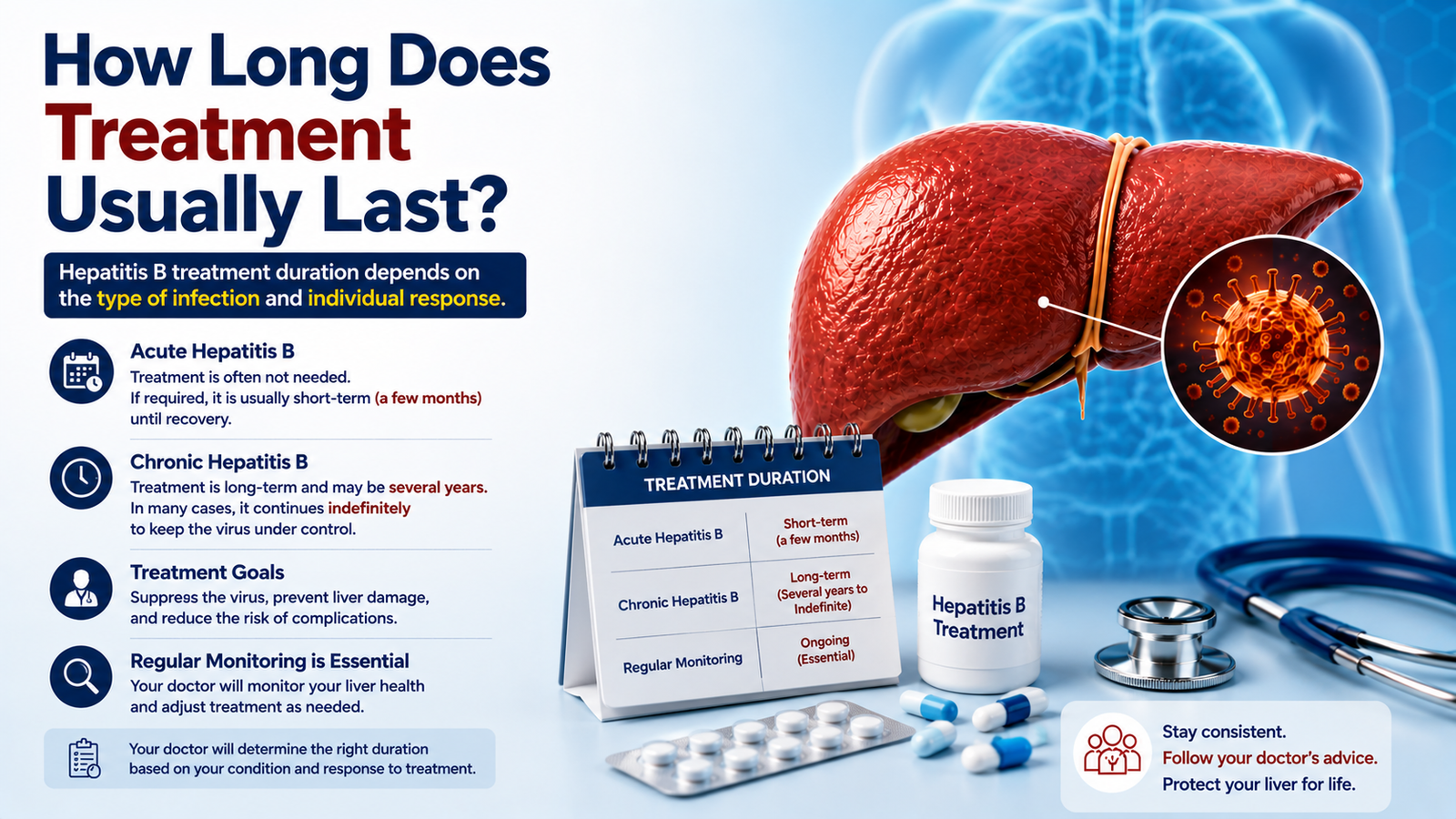
The duration varies from person to person.
Some patients require medication for only a few years, while others may need long-term or lifelong antiviral therapy.
Doctors consider several factors before stopping treatment:
- HBV DNA levels
- Liver enzyme results
- HBsAg status
- HBeAg conversion (when applicable)
- Liver fibrosis stage
- Overall liver health
Never stop antiviral medication without consulting your healthcare provider, even if you feel well.
Is Lifelong Treatment Always Necessary?
No. Lifelong treatment is not necessary for every patient.
Some people:
- Recover completely after acute infection.
- Remain inactive carriers who only need monitoring.
- May eventually stop treatment under close medical supervision.
However, patients with advanced liver disease, cirrhosis, or persistent viral activity often require long-term treatment to keep the virus under control.
Which Tests Monitor Treatment Progress?
Regular monitoring enables doctors to assess the effectiveness of treatment and determine if any adjustments are necessary.
Common tests include:
Liver Function Test (LFT)
Measures liver enzymes such as ALT and AST to detect liver inflammation.
HBV DNA Test
Determines the amount of virus in the bloodstream (viral load).
HBsAg Test
Confirms ongoing hepatitis B infection and helps monitor disease status.
HBeAg Test
Provides additional information about viral activity and infectivity.
FibroScan or Fibrosis Assessment
Checks for liver scarring without surgery in many cases.
Liver Ultrasound
Used periodically to monitor liver health and screen for liver cancer in high-risk patients.
What Lifestyle Changes Support Recovery?
Medication works best when combined with healthy daily habits.
Eat a Liver-Friendly Diet
Choose foods such as:
- Fresh fruits
- Green vegetables
- Whole grains
- Beans and lentils
- Fish
- Skinless chicken
- Healthy fats from nuts and seeds
Stay well hydrated throughout the day.
Avoid Alcohol Completely
Alcohol can accelerate liver damage, especially in people living with chronic hepatitis B.
Even small amounts may increase the risk of complications.
Maintain a Healthy Weight
Being overweight increases the risk of fatty liver disease, which can further damage the liver.
Aim for:
- Regular physical activity
- Balanced nutrition
- Portion control
Exercise Regularly
Moderate exercise helps improve:
- Energy levels
- Immune function
- Weight management
- Overall well-being
Most adults benefit from at least 150 minutes of moderate exercise each week, unless advised otherwise by their doctor.
Get Enough Sleep
Quality sleep supports immune function and recovery.
Most adults should aim for 7–9 hours of sleep each night.
Which Foods Should Hepatitis B Patients Avoid?
Certain foods can place additional stress on the liver.
Limit or avoid:
- Alcohol
- Sugary beverages
- Deep-fried foods
- Processed meats
- Excess salt
- Fast food
- Highly processed snacks
- Excessive sweets
Also, avoid taking herbal supplements or over-the-counter medicines without medical advice, as some products can harm the liver.
Can Natural Remedies Replace Medical Treatment?
Many websites promote herbal products as cures for hepatitis B.
There is no strong scientific evidence that herbal remedies can eliminate HBV.
Some supplements may even cause liver injury.
Natural approaches can complement medical care by supporting overall health through:
- Balanced nutrition
- Regular exercise
- Stress management
- Adequate sleep
However, they should never replace prescribed antiviral medication.
What Happens If Hepatitis B Is Left Untreated?
Untreated chronic hepatitis B can gradually damage the liver over many years, even in people who feel healthy.
Possible complications include:
- Liver fibrosis
- Liver cirrhosis
- Liver failure
- Portal hypertension
- Liver cancer (hepatocellular carcinoma)
Early diagnosis and regular monitoring greatly reduce these risks.
How Can Hepatitis B Treatment Help Prevent Liver Cancer?
People with chronic hepatitis B have a higher risk of developing liver cancer.
The good news is that effective antiviral therapy significantly lowers this risk by reducing viral activity and protecting liver cells from ongoing inflammation.
Doctors may also recommend:
- Routine ultrasound screening
- Alpha-fetoprotein (AFP) blood tests in selected patients
- Regular specialist follow-up
- Healthy lifestyle habits
- Vaccination for household members who are not already protected
Early detection greatly improves treatment outcomes if liver cancer develops.
Expert Tips for Better Hepatitis B Management
 Take your medication at the same time every day.
Never skip follow-up appointments.
Keep copies of your blood test reports.
Inform every healthcare provider that you have hepatitis B.
Avoid sharing razors, toothbrushes, or needles.
Encourage close family members to get tested and vaccinated.
Discuss pregnancy planning with your doctor if applicable.
Seek medical advice immediately if you notice jaundice, severe abdominal swelling, confusion, or vomiting blood.
How Can You Prevent Hepatitis B and Protect Your Liver?
Prevention is one of the most effective ways to reduce the global burden of hepatitis B.
Even if you already have HBV infection, taking preventive measures can help protect your liver and reduce the risk of transmitting the virus to others.
Get Vaccinated
The hepatitis B vaccine is one of the safest and most effective vaccines available. It provides long-lasting protection and is recommended for:
- Newborn babies
- Healthcare workers
- Family members of HBV-positive patients
- People with multiple sexual partners
- Individuals with chronic kidney disease
- Travelers to high-risk regions
Practice Safe Habits
Reduce the risk of HBV transmission by:
- Using sterile needles and medical equipment.
- Practicing safe sex.
- Avoiding the sharing of razors, nail clippers, or toothbrushes.
- Ensuring tattoo and piercing equipment is properly sterilized.
- Receiving screened blood products only.
Protect Your Liver Every Day
Healthy habits play an important role in long-term liver health.
- Eat a balanced diet rich in fruits, vegetables, whole grains, and lean protein.
- Exercise regularly.
- Maintain a healthy body weight.
- Avoid alcohol completely.
- Use medications only as directed by your healthcare provider.
- Schedule routine liver checkups if you have chronic HBV.
How Can You Live a Healthy Life With Chronic Hepatitis B?
A chronic hepatitis B diagnosis does not mean you cannot enjoy a normal life.
With proper medical care, many people work, travel, have families, and remain active for decades.
Build Healthy Daily Habits
- Take prescribed medication consistently.
- Attend all follow-up appointments.
- Monitor liver function and viral load regularly.
- Stay physically active.
- Manage stress through relaxation techniques or hobbies.
- Get adequate sleep every night.
Prevent Transmission
If you live with hepatitis B:
- Inform healthcare providers before medical procedures.
- Encourage household members to get vaccinated.
- Cover open wounds.
- Avoid donating blood or organs.
- Follow your doctor’s advice regarding pregnancy planning and childbirth.
What Are the Most Common Mistakes Patients Should Avoid?
Many complications can be prevented by avoiding these common mistakes:
 Stopping antiviral medication without medical advice.
Skipping regular blood tests and liver monitoring.
Assuming you are cured because symptoms have disappeared.
Drinking alcohol while living with chronic hepatitis B.
Using herbal supplements without consulting your doctor.
Ignoring fatigue, jaundice, abdominal swelling, or unexplained weight loss.
Missing liver cancer screening appointments if recommended.
Comparison Table: Acute vs. Chronic Hepatitis B
Feature | Acute Hepatitis B | Chronic Hepatitis B |
Duration | Less than 6 months | More than 6 months |
Recovery | Most adults recover naturally | Often requires long-term monitoring |
Antiviral Medication | Rarely needed | May be recommended |
Liver Damage Risk | Usually low | Higher if untreated |
Follow-up | Short-term | Lifelong monitoring for many patients |
Main Goal | Support recovery | Prevent liver damage and complications |
Expert Recommendations for Long-Term Liver Health
Healthcare specialists recommend the following to improve outcomes:
- Get diagnosed early through hepatitis B blood tests.
- Follow your treatment plan exactly as prescribed.
- Keep all appointments with your hepatologist or gastroenterologist.
- Monitor HBV DNA, liver enzymes, and liver health regularly.
- Stay vaccinated against hepatitis A if advised.
- Avoid smoking and alcohol.
- Maintain a healthy weight.
- Seek immediate medical care if symptoms suddenly worsen.
Early intervention is one of the strongest predictors of better long-term liver health.
Frequently Asked Questions
What is the best treatment for hepatitis B?
The best treatment depends on your condition. Many people with chronic hepatitis B benefit from first-line antiviral medications such as Tenofovir or Entecavir, while acute hepatitis B often requires supportive care rather than antiviral drugs.
Can chronic hepatitis B be controlled successfully?
Yes. With regular monitoring, antiviral therapy when needed, and healthy lifestyle habits, many people keep the virus under control and prevent serious liver complications.
Does hepatitis B treatment stop liver damage?
Treatment can significantly reduce ongoing liver inflammation and slow or prevent further liver damage. Starting therapy early usually provides the best outcomes.
What foods should hepatitis B patients eat?
A liver-friendly diet includes:
- Fresh fruits
- Green vegetables
- Whole grains
- Lean protein
- Fish
- Nuts
- Plenty of water
Avoid alcohol, processed foods, sugary drinks, and excessive salt.
When should someone start hepatitis B treatment?
Doctors consider several factors before starting treatment, including:
- HBV DNA (viral load)
- Liver enzyme levels
- Liver fibrosis or cirrhosis
- Age
- Overall health
- Family history of liver cancer
A hepatologist or gastroenterologist can determine the most appropriate treatment plan based on these findings.
Conclusion
Modern hepatitis b treatment has transformed the outlook for people living with HBV infection.
Although a complete cure for chronic hepatitis B is not yet available, antiviral medicines, regular monitoring, and healthy lifestyle choices can successfully control the virus, reduce liver inflammation, and dramatically lower the risk of cirrhosis and liver cancer.
If you have been diagnosed with hepatitis B or believe you may be at risk, don’t delay seeking medical advice.
Early testing, personalized care, and consistent follow-up can make a significant difference in protecting your liver and improving your long-term health.