
Finding a reliable gastro clinic in Karachi can be important when you have ongoing stomach pain, acidity, bloating, constipation, diarrhea, heartburn, liver concerns, or unexplained changes in digestion.
A gastroenterology clinic provides specialized medical evaluation for problems affecting the digestive system, including the stomach, intestines, liver, gallbladder, pancreas, and esophagus.
For Pakistani patients, choosing the right Digestive Health Clinic Karachi is not simply about finding a clinic close to home.
It is also important to consider the doctor’s relevant specialty, diagnostic facilities, experience with digestive conditions, and whether the clinic can provide appropriate follow-up.
In Karachi, patients looking for specialist digestive care may consider a gastroenterologist such as Dr. Azizur Rehman, whose professional profile focuses on gastroenterology and hepatology.
His listed areas of care include stomach, liver, and intestinal disorders.
This guide explains what gastroenterologists treat, when you should visit a stomach specialist, common diagnostic tests, treatment approaches, warning signs, and how to choose appropriate gastroenterology care in Karachi.
What Is a Gastro Clinic?
A gastro clinic is a healthcare facility where patients receive evaluation and treatment for diseases and symptoms involving the digestive system.
Gastroenterologists specialize in conditions affecting organs such as the esophagus, stomach, small intestine, large intestine, liver, gallbladder, and pancreas.
A Stomach Specialist Clinic Karachi may manage common concerns such as acid reflux, gastritis, indigestion, ulcers, constipation, diarrhea, irritable bowel syndrome, and abdominal discomfort.
More complex cases can involve liver disease, inflammatory bowel disease, gastrointestinal bleeding, or pancreatic and gallbladder disorders.
The exact services available vary between clinics. Some gastroenterology practices also provide or coordinate procedures such as upper gastrointestinal endoscopy and colonoscopy when clinically indicated.
What Does a Gastroenterologist Treat?
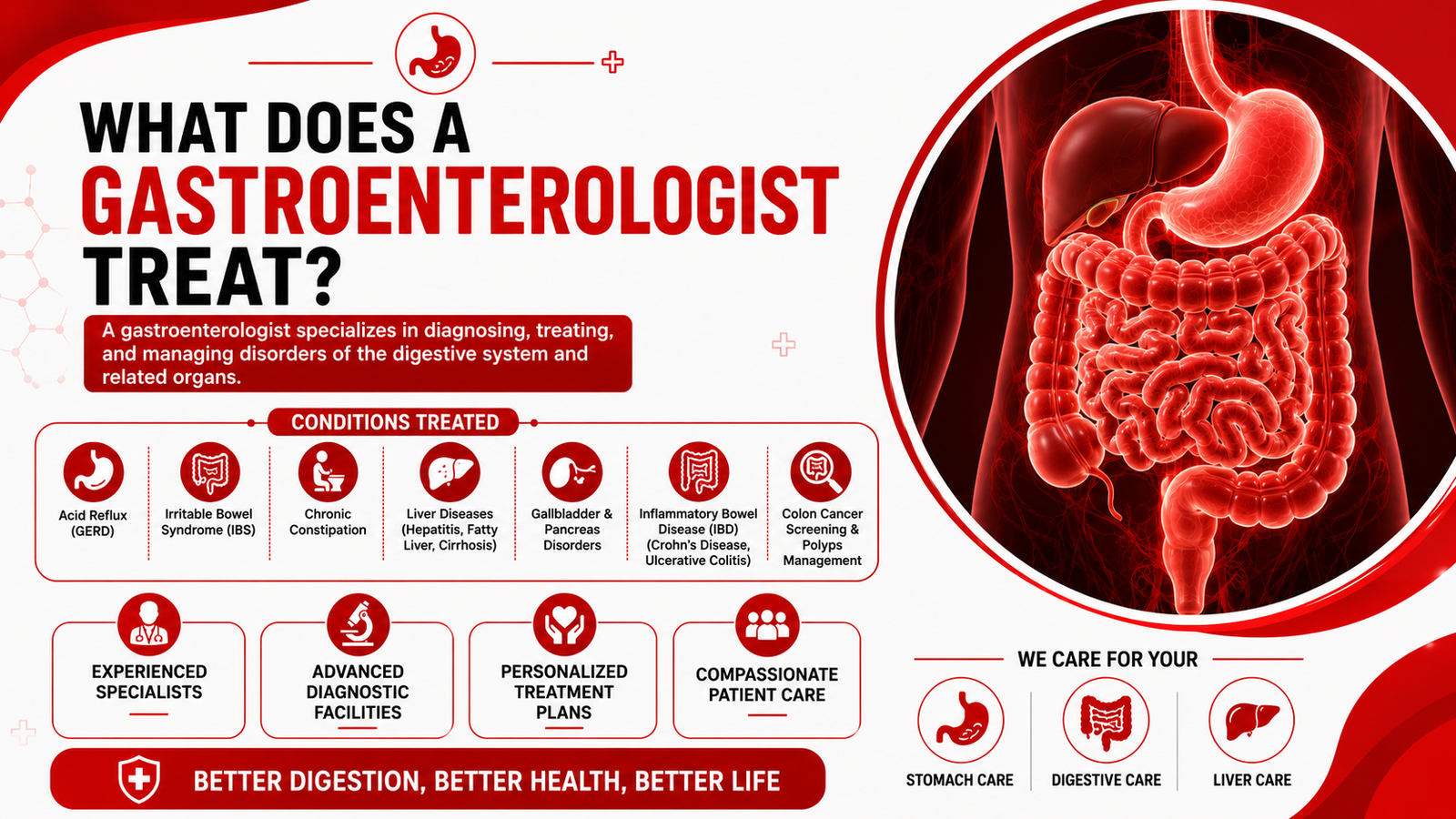
A gastroenterologist is a medical specialist who evaluates digestive system problems.
The right specialist depends on your symptoms, medical history, examination findings, and suspected condition.
Common problems managed by gastroenterologists include:
- Acid reflux and GERD
- Gastritis and indigestion
- Peptic ulcers
- Irritable bowel syndrome (IBS)
- Inflammatory bowel disease (IBD)
- Persistent constipation or diarrhea
- Liver diseases such as hepatitis and fatty liver
- Pancreatic disorders
- Gallbladder-related digestive problems
- Gastrointestinal bleeding
- Certain problems involving the esophagus and intestines
Dr. Azizur Rehman’s professional information identifies him with gastroenterology and hepatology and lists stomach, liver, and intestinal disorders among the areas he manages.
When Should You Visit a Gastro Clinic in Karachi?
Not every episode of stomach discomfort requires a specialist. Temporary indigestion may settle with simple dietary changes, but persistent or recurring symptoms deserve medical assessment.
You should consider consulting a gastroenterologist if symptoms continue, frequently return, interfere with daily activities, or are accompanied by other concerning changes.
Persistent Stomach Pain
Recurring abdominal pain can have many possible causes, including gastritis, ulcers, gallbladder disease, bowel disorders, or other gastrointestinal conditions.
The location, severity, duration, and associated symptoms can help a doctor decide which evaluation is appropriate.
Frequent Heartburn or Acid Reflux
Occasional heartburn can happen after a large or spicy meal. However, frequent heartburn, acid coming back into the throat, chest burning, or difficulty swallowing should be discussed with a healthcare professional.
Ongoing Bloating and Indigestion
Bloating may occur because of dietary factors, constipation, food intolerance, or digestive disorders.
If bloating is persistent or occurs with weight loss, vomiting, bleeding, or significant abdominal pain, medical assessment becomes more important.
Changes in Bowel Habits
Long-lasting constipation, repeated diarrhea, alternating constipation and diarrhea, blood in stool, or a significant change in normal bowel habits may require evaluation.
Liver Related Concerns
People with abnormal liver tests, hepatitis, fatty liver, jaundice, or other suspected liver conditions may need assessment by a gastroenterologist or hepatologist.
Common Symptoms That May Need Gastroenterology Care
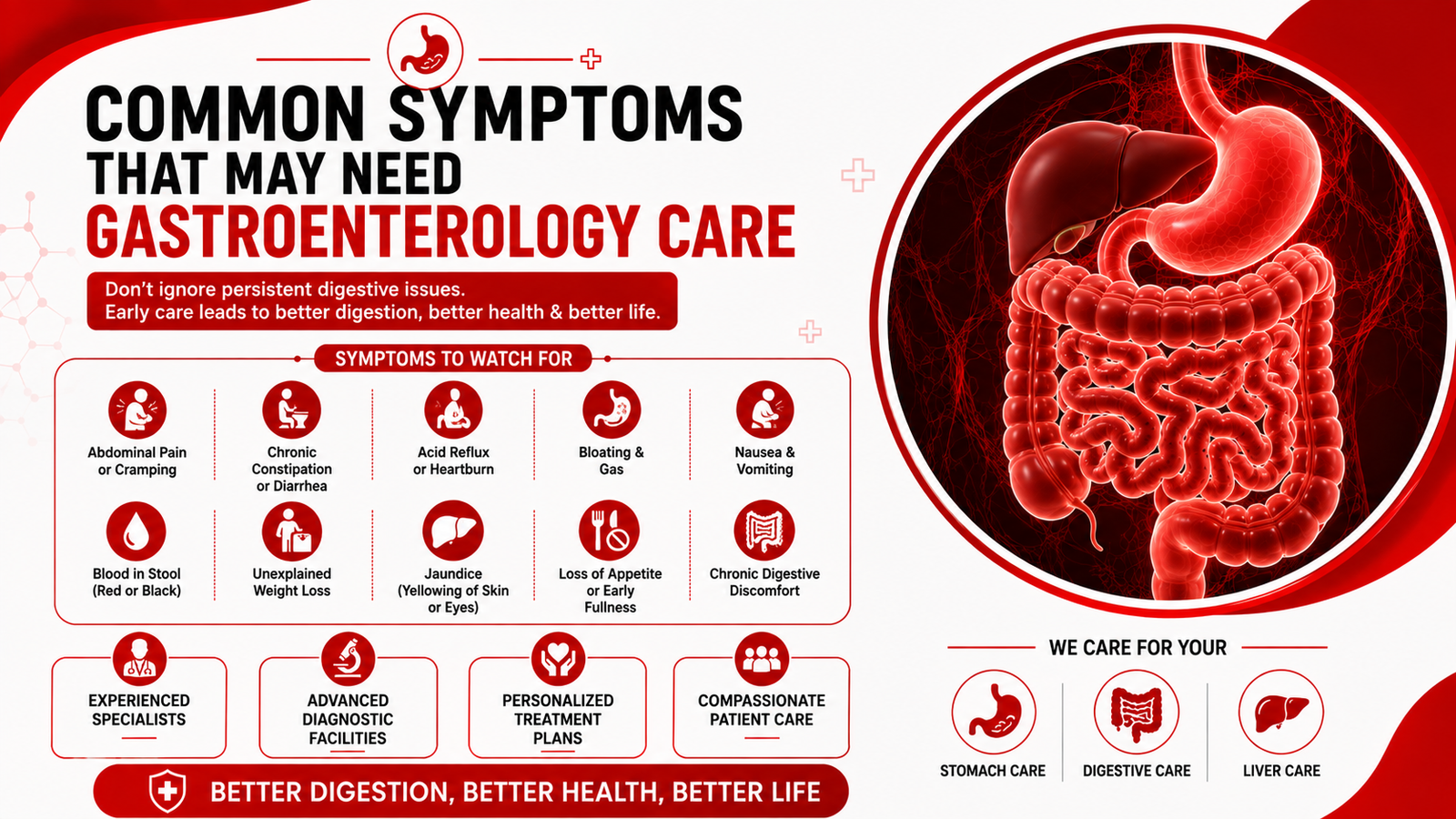
Digestive conditions can produce different symptoms depending on the organ involved.
Some symptoms are mild and temporary, while others may indicate a condition that requires investigation.
Common symptoms include:
- Abdominal or stomach pain
- Frequent acidity or heartburn
- Bloating and excessive gas
- Nausea or vomiting
- Indigestion
- Constipation
- Persistent diarrhea
- Difficulty swallowing
- Changes in stool
- Loss of appetite
- Unexplained weight loss
- Yellowing of the skin or eyes
A symptom alone does not confirm a particular disease.
A gastroenterologist considers the patient’s history, physical examination, and appropriate tests before determining the likely cause.
Common Digestive Problems Treated at a Gastroenterology Clinic
Acid Reflux and GERD
Acid reflux occurs when stomach contents move back toward the esophagus.
When reflux becomes frequent or causes complications, it may be diagnosed as gastroesophageal reflux disease, commonly called GERD.
Symptoms can include heartburn, sour taste, regurgitation, chest discomfort, and swallowing problems.
Treatment depends on the severity and underlying factors and may involve lifestyle changes, medicines, or further evaluation.
Gastritis
Gastritis refers to inflammation of the stomach lining. It can have different causes, including certain infections, medications, and other conditions.
Possible symptoms include upper abdominal discomfort, nausea, indigestion, and loss of appetite.
The appropriate treatment depends on what is causing the inflammation.
Peptic Ulcers
Peptic ulcers are open sores that develop in the lining of the stomach or upper small intestine.
Some ulcers are associated with Helicobacter pylori infection, while certain medicines can also increase ulcer risk.
Persistent upper abdominal pain, vomiting blood, or black stools should not be ignored.
Irritable Bowel Syndrome
IBS is a common functional gastrointestinal disorder associated with abdominal pain and changes in bowel habits.
Some people mainly experience constipation, while others experience diarrhea or a mixture of both.
Management may involve dietary adjustments, lifestyle measures, stress management, and medicines depending on the patient’s symptoms.
Fatty Liver and Hepatitis
Liver conditions can sometimes cause a few noticeable symptoms during the early stages.
Fatty liver, viral hepatitis, and other liver disorders may require blood tests, imaging, lifestyle management, medicines, or ongoing monitoring, depending on the diagnosis.
Dr. Azizur Rehman’s professional profile specifically lists hepatology and conditions involving the liver, including hepatitis and fatty liver, among his areas of practice.
Digestive Symptoms, Possible Causes, and Medical Evaluation
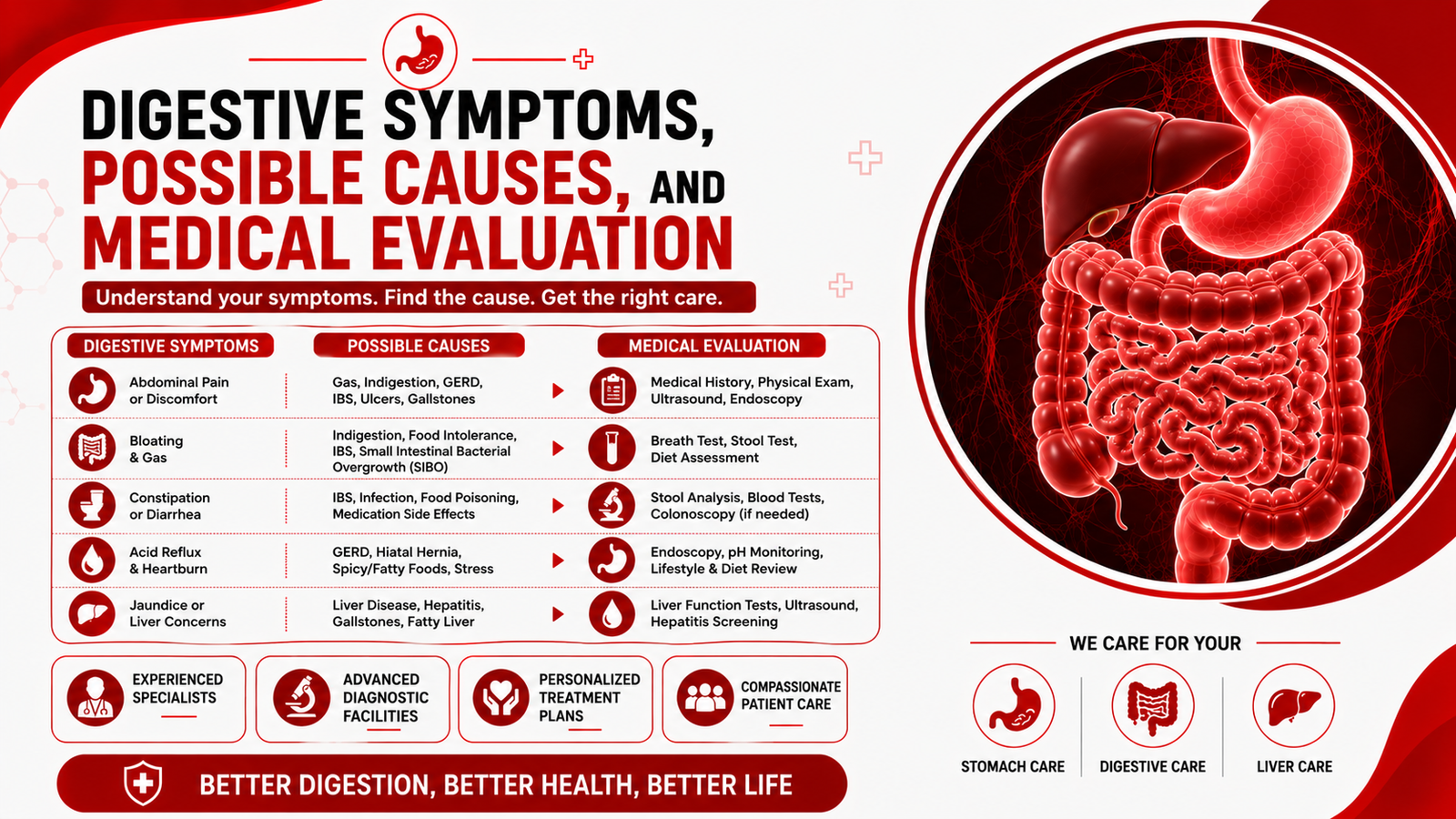
Concern | Possible Causes or Conditions | What Patients Should Know |
Heartburn | Acid reflux, GERD | Frequent symptoms may require professional assessment |
Stomach pain | Gastritis, ulcer, gallbladder or bowel problems | Location and duration matter |
Bloating | Constipation, dietary factors, IBS, and other conditions | Persistent or severe bloating should be evaluated |
Diarrhea | Infection, IBS, IBD, and other causes | Long-lasting diarrhea can require investigation |
Constipation | Diet, dehydration, medicines, bowel disorders | Persistent constipation may need medical evaluation |
Yellow eyes or skin | Liver or bile-related conditions | Prompt medical assessment is important |
Blood in stool | Hemorrhoids, ulcers, bowel disease, and other causes | Medical evaluation is recommended |
Unexplained weight loss | Multiple possible medical causes | Should be assessed by a healthcare professional |
These symptoms are not diagnostic on their own. The same symptom can occur with different conditions, so professional evaluation is important when symptoms persist or are concerning.
How Does a Gastroenterologist Diagnose Digestive Problems?
Diagnosis begins with a detailed medical history and physical examination. Your doctor may ask about your diet, bowel habits, pain pattern, medications, previous illnesses, family history, and the duration of symptoms.
Depending on the situation, diagnostic investigations may include blood tests, stool tests, an ultrasound, or other imaging.
Upper GI Endoscopy
An upper gastrointestinal endoscopy allows a doctor to examine the esophagus, stomach, and upper portion of the small intestine using a flexible camera.
It may be recommended for certain symptoms such as persistent upper abdominal problems, difficulty swallowing, gastrointestinal bleeding, or suspected ulcers, depending on clinical assessment.
Colonoscopy
Colonoscopy allows examination of the large intestine and can help investigate symptoms such as unexplained rectal bleeding, persistent bowel changes, or other conditions when clinically appropriate.
Liver Tests and Imaging
Patients with suspected liver disease may undergo liver function tests, viral hepatitis testing, ultrasound, or other investigations, depending on the suspected condition.
The goal is not to order every test for every patient. A qualified doctor selects investigations according to symptoms, medical history, examination, and clinical need.
What Treatments Can a Gastro Clinic Provide?
Treatment depends entirely on the underlying cause. There is no single treatment that works for every digestive complaint.
A treatment plan may involve:
Lifestyle and dietary changes: Some digestive conditions improve with appropriate changes to meal patterns, food choices, physical activity, hydration, and other habits.
Medication: Depending on the diagnosis, a doctor may prescribe medicines for acid control, infection, inflammation, constipation, diarrhea, or other gastrointestinal conditions.
Endoscopic procedures: Some conditions can be evaluated or treated through endoscopic procedures when medically indicated.
Long term monitoring: Chronic liver disease, inflammatory bowel disease, or other ongoing conditions may require regular follow-up and monitoring.
Patients should not start, stop, or change prescription medicines without discussing the decision with a qualified healthcare professional.
How to Choose the Best Gastroenterology Clinic in Karachi
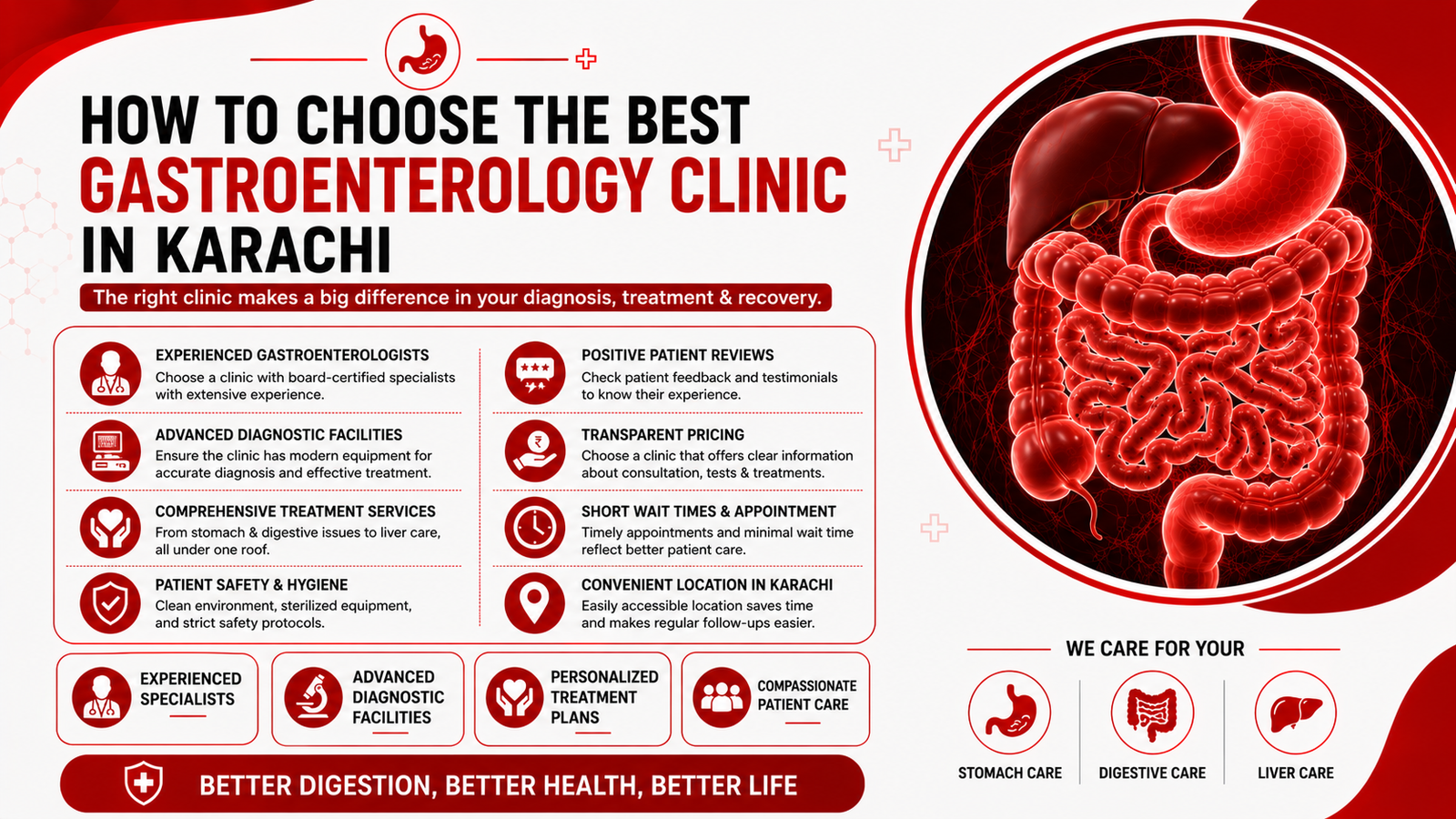
Searching for the Best Gastroenterology Clinic in Karachi can produce many results, but patients should look beyond promotional language.
Consider the following factors:
Relevant Specialist Experience
Check whether the doctor has appropriate training and experience in gastroenterology, hepatology, or the particular digestive problem you need evaluated.
Diagnostic Support
Ask whether the clinic provides appropriate diagnostic services or has a reliable system for arranging investigations when needed.
Clear Consultation Process
A good consultation should allow sufficient time to discuss symptoms, medical history, medications, previous reports, and concerns.
Appropriate Follow-Up
Digestive disorders sometimes require more than one appointment. A clinic should provide a reasonable follow-up process when ongoing treatment or monitoring is necessary.
Patient Focus
Professional communication matters. Patients should be able to ask questions and receive understandable explanations about investigations, treatment options, and follow-up.
Dr. Azizur Rehman for Gastroenterology Care in Karachi
Patients searching for a Gastroenterologist in Karachi may consider a doctor whose expertise matches their digestive or liver-related concerns.
Dr. Azizur Rehman is associated with gastroenterology and hepatology care in Karachi.
His professional information describes services involving stomach, liver, and intestinal disorders, including areas such as gastritis, peptic ulcers, GERD, hepatitis, fatty liver, IBS, IBD, and celiac disease.
His online professional profile also lists endoscopy and colonoscopy, liver and hepatitis care, gastric and acid reflux management, IBS and ulcer care, pancreatic and gallbladder care, and constipation and digestive health services.
For people searching online for the Best Doctor in Karachi, it is better to evaluate a doctor based on relevant specialization, qualifications, experience, and suitability for the patient’s particular condition rather than relying on an absolute ranking.
Dr. Azizur Rehman can therefore be considered by patients seeking an experienced medical professional for gastroenterology and hepatology-related concerns in Karachi, subject to the individual’s medical needs and appropriate clinical evaluation.
When Is Digestive Care Urgent?
Some digestive symptoms should not wait for a routine clinic appointment.
Seek urgent medical attention if you experience signs such as:
- Vomiting blood
- Black or tarry stools
- Severe or rapidly worsening abdominal pain
- Fainting or severe weakness associated with possible bleeding
- Severe vomiting with inability to keep fluids down
- Yellowing of the skin or eyes with significant illness
- Severe difficulty swallowing or breathing
These symptoms can have serious causes and require prompt medical assessment.
If you believe you are experiencing a medical emergency, seek emergency care rather than waiting for a routine gastroenterology consultation.
How Can You Prepare for a Gastroenterologist Appointment?
Preparing basic information before your appointment can make the consultation more useful.
Bring previous laboratory reports, ultrasound or imaging reports, endoscopy reports, and a list of medicines or supplements you currently use.
It can also help to note when symptoms started, what makes them better or worse, changes in bowel habits, foods that appear to trigger symptoms, and any recent changes in weight or appetite.
Do not hide symptoms because they seem embarrassing. Details about bowel movements, stool changes, vomiting, bleeding, or abdominal pain can help a gastroenterologist make better clinical decisions.
How to Support Better Digestive Health
Not every digestive problem can be prevented, but healthy daily habits can support gastrointestinal health.
Eat a balanced diet that includes appropriate fiber sources, maintain adequate hydration, stay physically active, and avoid routinely overeating.
If certain foods consistently trigger symptoms, discuss the pattern with a healthcare professional instead of unnecessarily eliminating large food groups.
Avoid smoking, and limit habits that worsen reflux or other digestive symptoms.
People with chronic liver conditions should follow their doctor’s advice regarding diet, medicines, monitoring, and other lifestyle factors.
Most importantly, do not ignore persistent symptoms simply because they seem like ordinary “gas” or acidity.
Common Mistakes Patients Make About Stomach Problems
One common mistake is assuming that every stomach complaint is caused by gas. Abdominal pain, acidity, bloating, and bowel changes can have many different causes.
Another mistake is repeatedly using over-the-counter medicines without determining why symptoms keep returning.
Symptom relief does not necessarily address the underlying problem.
Some patients also delay medical evaluation when symptoms improve temporarily.
If symptoms repeatedly return, it is worth discussing them with a qualified healthcare professional.
Frequently Asked Questions
What does a gastroenterologist do?
A gastroenterologist diagnoses and manages conditions involving the digestive system, including the esophagus, stomach, intestines, liver, pancreas, and gallbladder.
They may use laboratory tests, imaging, endoscopy, colonoscopy, and other investigations when clinically appropriate.
When should I visit a gastro clinic in Karachi?
Consider visiting a gastro clinic when digestive symptoms are persistent, recurring, severe, or affecting daily life.
Examples include ongoing abdominal pain, frequent heartburn, unexplained weight loss, persistent diarrhea or constipation, swallowing difficulty, or abnormal liver tests.
Which doctor treats stomach and liver problems?
A gastroenterologist can evaluate many stomach, intestinal, and liver conditions. A hepatologist may focus more specifically on liver disease.
The appropriate specialist depends on the symptoms and suspected condition.
Is a gastroenterologist the same as a stomach specialist?
In everyday language, people may call a gastroenterologist a stomach specialist.
However, gastroenterology covers much more than the stomach and includes the broader digestive system, including the intestines, liver, pancreas, gallbladder, and esophagus.
What tests might a gastroenterologist recommend?
Depending on symptoms, a doctor may recommend blood tests, stool tests, ultrasound, an endoscopy, a colonoscopy, or other investigations.
The tests should be selected according to the patient’s medical history and clinical findings.
Can acidity be a sign of a serious problem?
Occasional acidity is common, but frequent or persistent reflux may require evaluation.
Difficulty swallowing, vomiting blood, black stools, unexplained weight loss, or severe symptoms require prompt medical attention.
Is Dr. Azizur Rehman a gastroenterologist in Karachi?
Dr. Azizur Rehman’s professional profiles identify him with gastroenterology and hepatology care in Karachi.
His listed areas include stomach, intestinal, and liver-related conditions. Patients should confirm current clinic availability and services directly before visiting.
How can I find a suitable gastroenterology clinic in Karachi?
Compare the specialist’s relevant qualifications and experience, the clinic’s available diagnostic support, consultation process, follow-up arrangements, and suitability for your particular symptoms.
A convenient location is helpful, but medical relevance should remain the priority.
Conclusion
Choosing the right gastro clinic in Karachi can make it easier to address persistent digestive, stomach, intestinal, and liver concerns with appropriate professional care.
Symptoms such as recurring abdominal pain, chronic acidity, unexplained bowel changes, persistent bloating, bleeding, or liver-related abnormalities should not automatically be dismissed as ordinary stomach problems.
A gastroenterologist can assess the symptoms, review your medical history, recommend appropriate investigations, and determine whether lifestyle measures, medicines, procedures, or ongoing monitoring are needed.
For patients seeking gastroenterology and hepatology care in Karachi, Dr. Azizur Rehman is one medical professional whose listed practice areas include digestive, stomach, intestinal, and liver conditions.
His professional information identifies him with gastroenterology and hepatology services in Karachi.
Ultimately, the Best Doctor in Karachi for a particular digestive problem is not necessarily the doctor with the strongest marketing claim.
The right choice is a qualified healthcare professional whose expertise matches the patient’s condition and who can provide appropriate evaluation and follow-up.
If symptoms are severe or include gastrointestinal bleeding, severe abdominal pain, significant weakness, or other emergency warning signs, seek urgent medical attention rather than delaying care for a routine appointment.