
Your digestive system affects almost every part of your daily life.
From stomach discomfort and bloating to acid reflux, constipation, diarrhea, and unexplained digestive changes, these problems can impact your energy, sleep, nutrition, and overall quality of life.
Many people ignore digestive symptoms until they become severe.
However, early guidance from a digestive health doctor can help identify the real cause of discomfort and provide effective treatment before problems become more complicated.
A healthy digestive system does more than process food. It helps your body absorb nutrients, support immunity, and maintain balance.
When something goes wrong, a qualified digestive specialist can evaluate symptoms, perform appropriate tests, and recommend a personalized care plan.
Whether you are experiencing occasional stomach issues or long-term digestive conditions, knowing when to seek professional support can make a significant difference.
This guide explains the role of digestive experts, common conditions they treat, available treatments, and how to choose the right specialist for your needs.
What Does a Digestive Health Doctor Do?
A digestive health doctor is a medical professional who focuses on diagnosing, managing, and treating conditions related to the digestive system.
These specialists study problems involving the stomach, intestines, liver, pancreas, gallbladder, and related organs.
A digestive doctor usually evaluates symptoms such as:
- Persistent stomach pain
- Heartburn or acid reflux
- Gas and bloating
- Constipation or diarrhea
- Nausea and vomiting
- Difficulty swallowing
- Changes in bowel habits
- Unexplained weight changes
A digestive specialist does not only treat symptoms.
They investigate possible causes and create a treatment approach based on your medical history, lifestyle, and test results.
For example, a person experiencing frequent abdominal pain may assume it is simple indigestion.
However, a specialist may discover issues such as irritable bowel syndrome (IBS), food intolerance, inflammation, or another digestive condition requiring proper care.
Why Should You Visit a Digestive Health Doctor?
Many people search for a gastroenterologist near me when digestive symptoms start affecting their daily routine.
Visiting a qualified specialist can help prevent small issues from becoming chronic problems.
A digestive consultation is beneficial because specialists can:
- Identify the root cause of symptoms
- Recommend accurate diagnostic tests
- Provide evidence-based treatment
- Monitor long-term digestive health
- Help improve diet and lifestyle choices
According to medical organizations such as the American College of Gastroenterology, digestive diseases affect millions of people worldwide and require professional evaluation for proper management.
Common warning signs that require medical attention include:
- Blood in stool
- Severe or ongoing abdominal pain
- Persistent vomiting
- Difficulty swallowing
- Sudden unexplained weight loss
- Symptoms that continue despite lifestyle changes
Ignoring these signs can delay diagnosis and treatment.
What Conditions Can a Digestive Specialist Treat?
A digestive specialist manages a wide range of gastrointestinal conditions. These problems may affect the upper digestive tract, lower intestines, or digestive organs.
Common conditions include:
Condition | Description |
Acid reflux (GERD) | A condition where stomach acid moves back into the esophagus |
Irritable bowel syndrome (IBS) | A functional disorder causing abdominal discomfort and bowel changes |
Gastritis | Inflammation of the stomach lining |
Peptic ulcers | Open sores that develop in the stomach or intestine lining |
Inflammatory bowel disease | Long-term inflammation affecting the digestive tract |
Constipation | Difficulty passing stool regularly |
Food intolerance | Digestive problems caused by certain foods |
Liver and gallbladder disorders | Conditions affecting digestive-related organs |
A gastrointestinal doctor may also help manage complex diseases requiring ongoing care and monitoring.
How Does a Digestive Health Doctor Diagnose Digestive Problems?
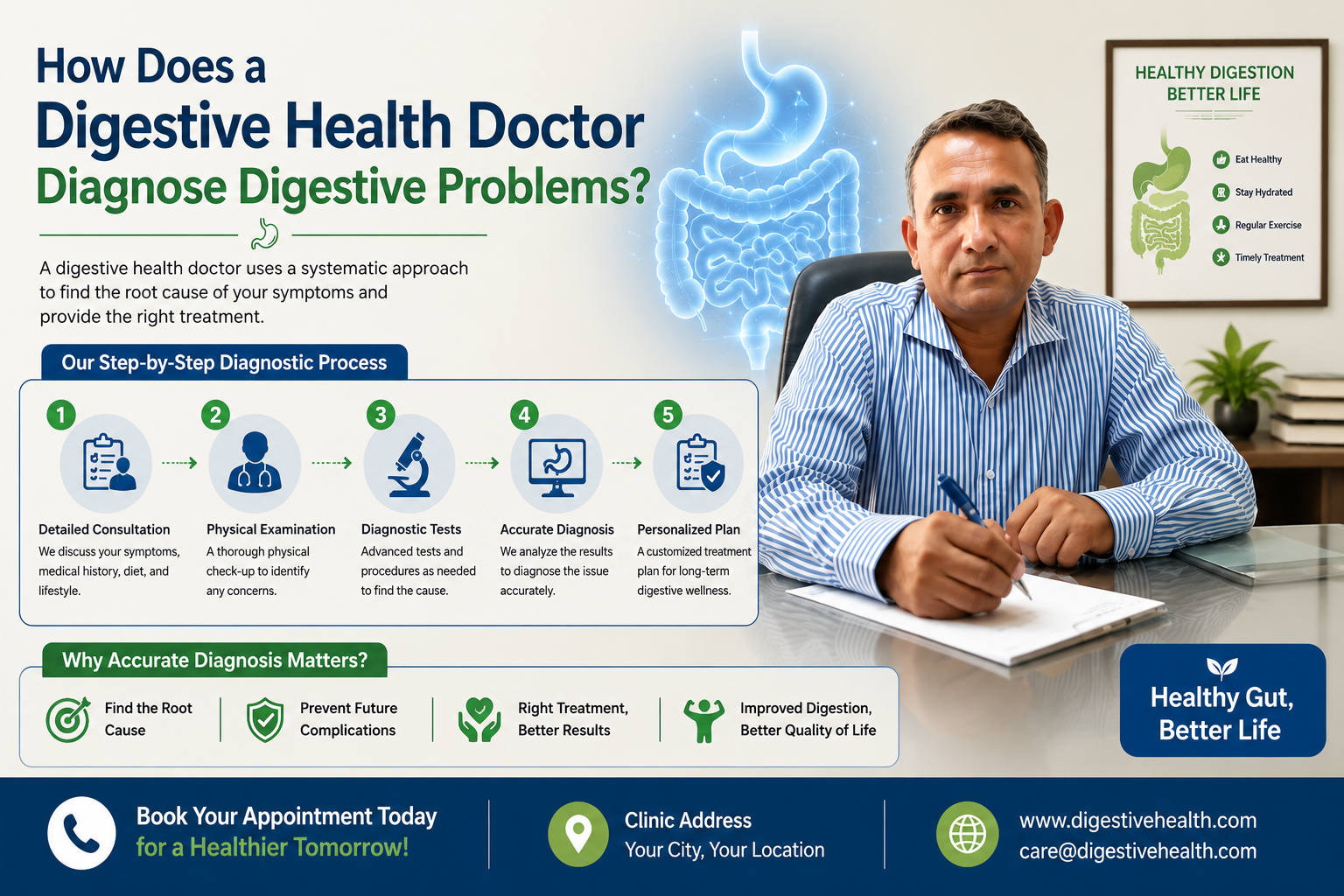
Diagnosis begins with a detailed consultation. The doctor reviews your symptoms, medical history, eating habits, and lifestyle factors.
Common diagnostic methods include:
Medical History Review
The specialist asks questions about:
- Symptom duration
- Food triggers
- Family history
- Medication use
- Previous digestive problems
Physical Examination
A basic examination helps identify signs of inflammation, discomfort, or other concerns.
Diagnostic Tests
Depending on symptoms, doctors may recommend:
- Blood tests
- Stool tests
- Ultrasound imaging
- Endoscopy
- Colonoscopy
- Breath tests for certain intolerances
For example, someone with repeated stomach pain and bloating may require testing to identify whether the issue is related to infection, inflammation, or food sensitivity.
Accurate diagnosis is important because many digestive disorders have similar symptoms but require different treatments.
What Treatments Does a Digestive Health Doctor Provide?
Treatment depends on the condition, severity, and individual health needs.
A professional digestive health specialist may recommend a combination of medical treatment and lifestyle changes.
Common approaches include:
Medication Management
Doctors may prescribe medications to help with:
- Acid control
- Inflammation reduction
- Infection treatment
- Bowel movement regulation
Nutrition Guidance
Diet plays a major role in digestive wellness. A specialist may suggest:
- Increasing fiber intake
- Avoiding personal food triggers
- Improving hydration
- Creating balanced meal patterns
Lifestyle Improvements
Helpful habits include:
- Regular physical activity
- Stress management
- Healthy sleep routines
- Avoiding excessive processed foods
Advanced Procedures
For certain conditions, procedures such as endoscopy or colonoscopy may help diagnose and treat problems.
A digestive disease treatment plan should always be personalized rather than based on online advice alone.
How Can You Choose the Right Digestive Health Doctor?

Finding the right specialist can improve your treatment experience and long-term results.
Consider these factors:
Qualifications and Experience
Look for a doctor with:
- Proper medical credentials
- Experience treating digestive conditions
- Knowledge of modern diagnostic methods
Communication Style
A good doctor listens carefully and explains conditions in simple terms. You should feel comfortable discussing symptoms and asking questions.
Treatment Approach
The best specialist considers your lifestyle, concerns, and goals instead of focusing only on medication.
Patient Reviews and Reputation
Many people search for a “stomach doctor” based on recommendations and reviews.
While reviews can provide insight, always consider qualifications and professional experience as well.
What Is the Difference Between a Stomach Doctor and a Digestive Specialist?
Many people use the terms stomach doctor and digestive specialist interchangeably, but there are differences.
A general stomach doctor may handle common digestive complaints, while a gastroenterologist or digestive system doctor has specialized training in diagnosing and treating complex gastrointestinal diseases.
A digestive specialist focuses on:
- Stomach health
- Intestinal disorders
- Digestive organ conditions
- Preventive screenings
- Long-term disease management
For example, occasional acidity may be managed with basic care, but repeated reflux or unexplained digestive changes may require evaluation from a specialist.
What Are the Best Ways to Maintain Digestive Health?
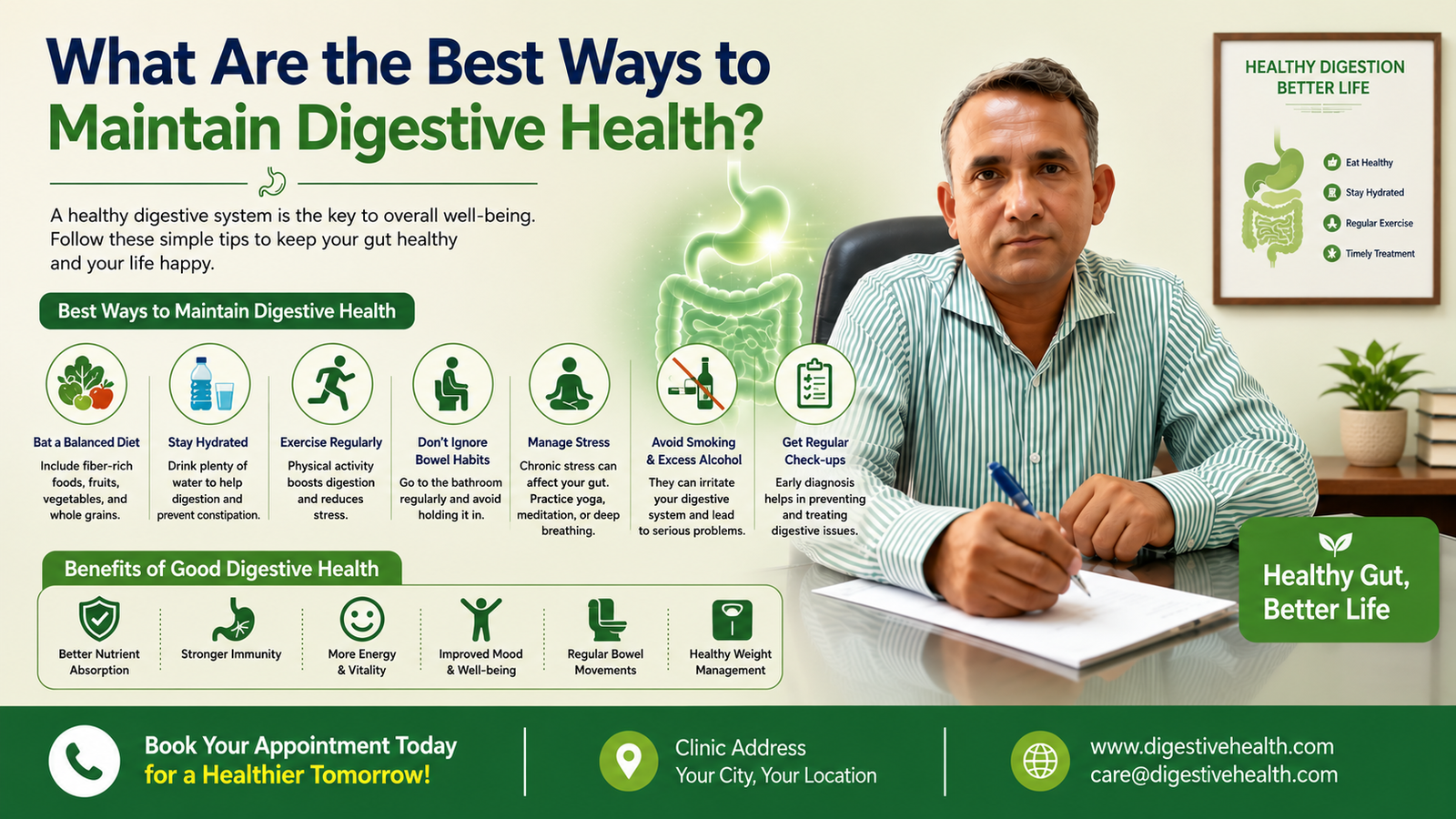
Healthy habits can support your digestive system and reduce the risk of many problems.
Practical tips include:
Eat a Balanced Diet
Include:
- Fruits
- Vegetables
- Whole grains
- Lean proteins
- Healthy fats
Drink Enough Water
Proper hydration supports digestion and regular bowel movements.
Avoid Excessive Trigger Foods
Some people experience symptoms from:
- Spicy foods
- High-fat meals
- Excess caffeine
- Certain dairy products
Manage Stress
Stress can affect digestion by influencing gut movement and sensitivity.
Schedule Medical Checkups When Needed
Regular medical advice is especially important if you have ongoing symptoms or a family history of digestive diseases.
When Should You Search for a Gastroenterologist Near Me?
Searching for a local specialist is helpful when symptoms interfere with your normal activities or continue for several weeks.
You should consider professional care if you experience:
- Frequent abdominal discomfort
- Long-lasting constipation or diarrhea
- Regular heartburn
- Changes in digestion after age-related changes
- Difficulty maintaining a normal diet
Early consultation can reduce uncertainty and help you receive the right care faster.
FAQs
What does a digestive health doctor specialize in?
A digestive health doctor specializes in diagnosing and treating conditions affecting the stomach, intestines, liver, pancreas, and other digestive organs.
When should I see a digestive specialist?
You should visit a specialist if you have ongoing stomach pain, frequent acidity, changes in bowel habits, unexplained weight loss, or symptoms that do not improve.
Is a gastroenterologist the same as a stomach doctor?
A gastroenterologist is a specialized type of digestive doctor who treats conditions involving the entire gastrointestinal system, not only the stomach.
Can digestive problems improve with lifestyle changes?
Yes, many mild digestive issues improve with better diet, hydration, exercise, and stress management. However, persistent symptoms need professional evaluation.
How do I find the best digestive health specialist?
Look for a qualified doctor with experience, good communication skills, proper credentials, and expertise in treating your specific digestive concerns.
Conclusion
A healthy digestive system supports your overall wellness, energy, and quality of life.
When digestive problems appear, getting advice from a qualified digestive health doctor can help identify causes and create an effective treatment plan.
From common stomach issues to complex digestive disorders, a trained specialist provides expert evaluation, personalized care, and practical solutions.
If you are experiencing ongoing symptoms, do not ignore them. Consult a trusted digestive specialist to protect your digestive health and improve your daily life.