
Persistent stomach discomfort can affect every part of your daily life.
Whether it is recurring abdominal pain, acid reflux, bloating, indigestion, or changes in bowel habits, digestive symptoms often signal an underlying issue that should not be ignored.
Many people try home remedies for weeks or even months before seeking medical advice, only to discover that early treatment could have prevented complications.
A stomach doctor specializes in diagnosing and treating conditions that affect the digestive system.
From common issues such as heartburn and gastritis to complex gastrointestinal diseases, these specialists help patients find lasting relief and improve their quality of life.
In this guide, you will learn who treats digestive disorders, when to seek medical care, what conditions these specialists manage, and how to maintain better digestive health for the long term.
What Does a Gastroenterologist Do?
A Gastroenterologist is a physician who specializes in diseases of the digestive tract, including the:
- Esophagus
- Stomach
- Small intestine
- Large intestine
- Rectum
- Liver
- Gallbladder
- Pancreas
These experts diagnose and treat a wide range of digestive conditions.
A Digestive Health Doctor often uses advanced procedures such as endoscopy and colonoscopy to identify the root cause of symptoms.
Common conditions treated include:
- Acid reflux
- Gastritis
- Peptic ulcers
- Irritable bowel syndrome
- Inflammatory bowel disease
- Liver diseases
- Gallstones
- Digestive infections
- Gastrointestinal bleeding
Their goal is not only symptom relief but also prevention of long-term digestive complications.
When Should You Visit a Stomach Doctor?
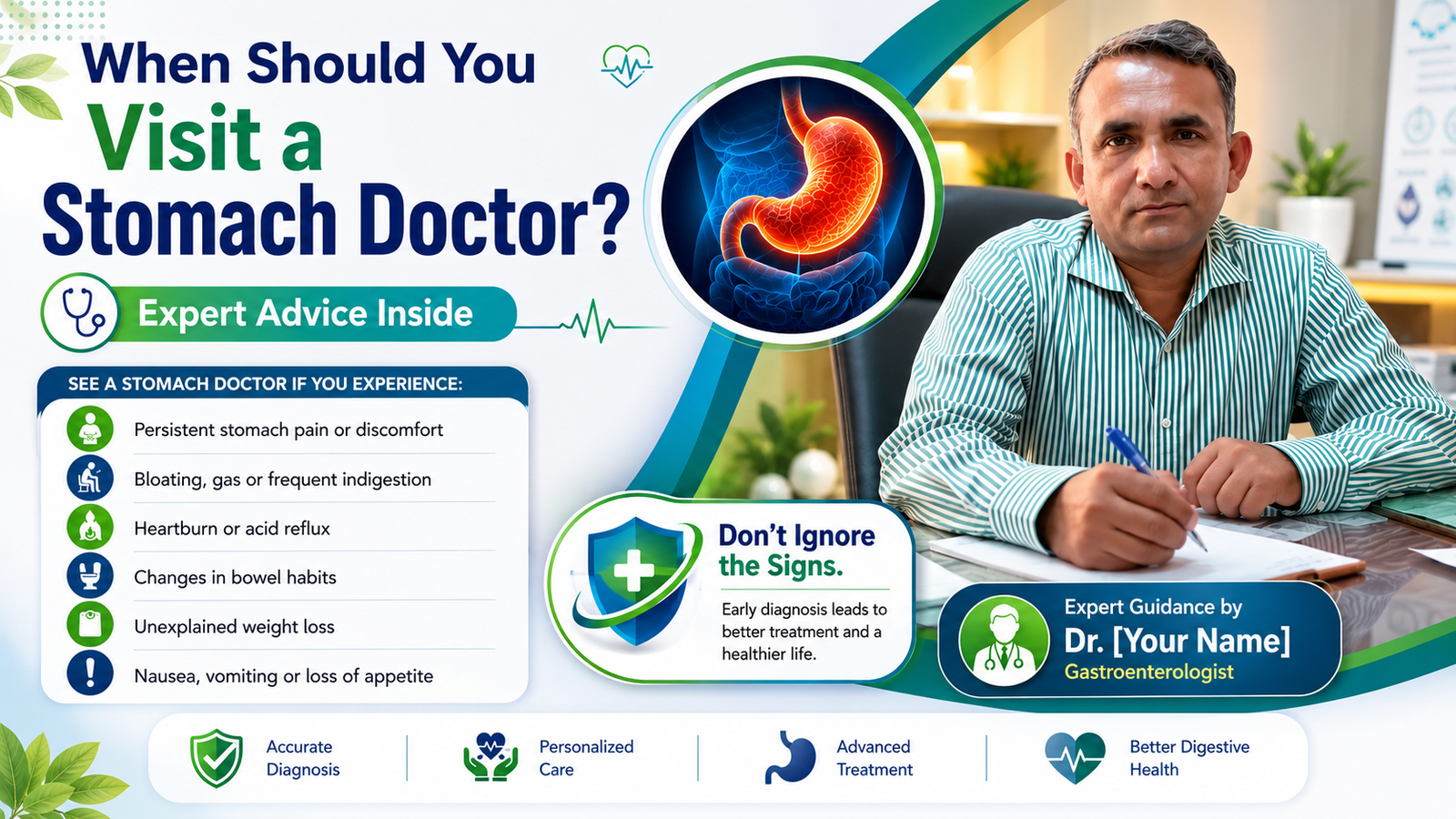
Many digestive symptoms may seem harmless at first. However, some warning signs indicate the need for professional evaluation.
You should seek medical attention if you experience:
- Persistent abdominal pain
- Frequent heartburn
- Difficulty swallowing
- Unexplained weight loss
- Blood in stool
- Chronic constipation
- Chronic diarrhea
- Severe bloating
- Persistent nausea or vomiting
For example, occasional indigestion after a large meal is common.
However, if symptoms occur several times a week, a Gastric Doctor can identify whether acid reflux, ulcers, or another condition is responsible.
Early diagnosis often leads to faster recovery and better outcomes.
How Can a Stomach Doctor Help With Acidity and Heartburn Treatment?
Acidity and heartburn affect millions of people worldwide.
While occasional episodes are normal, frequent symptoms may indicate Gastroesophageal Reflux Disease, commonly known as GERD.
A specialist may recommend:
- Lifestyle modifications
- Dietary adjustments
- Prescription medications
- Diagnostic testing
- Endoscopy when necessary
Helpful lifestyle changes include:
- Avoiding late night meals
- Reducing spicy foods
- Limiting caffeine intake
- Maintaining a healthy weight
- Stopping tobacco use
These strategies often work alongside medical treatment to provide long term relief.
What Conditions Cause Chronic Abdominal Pain?
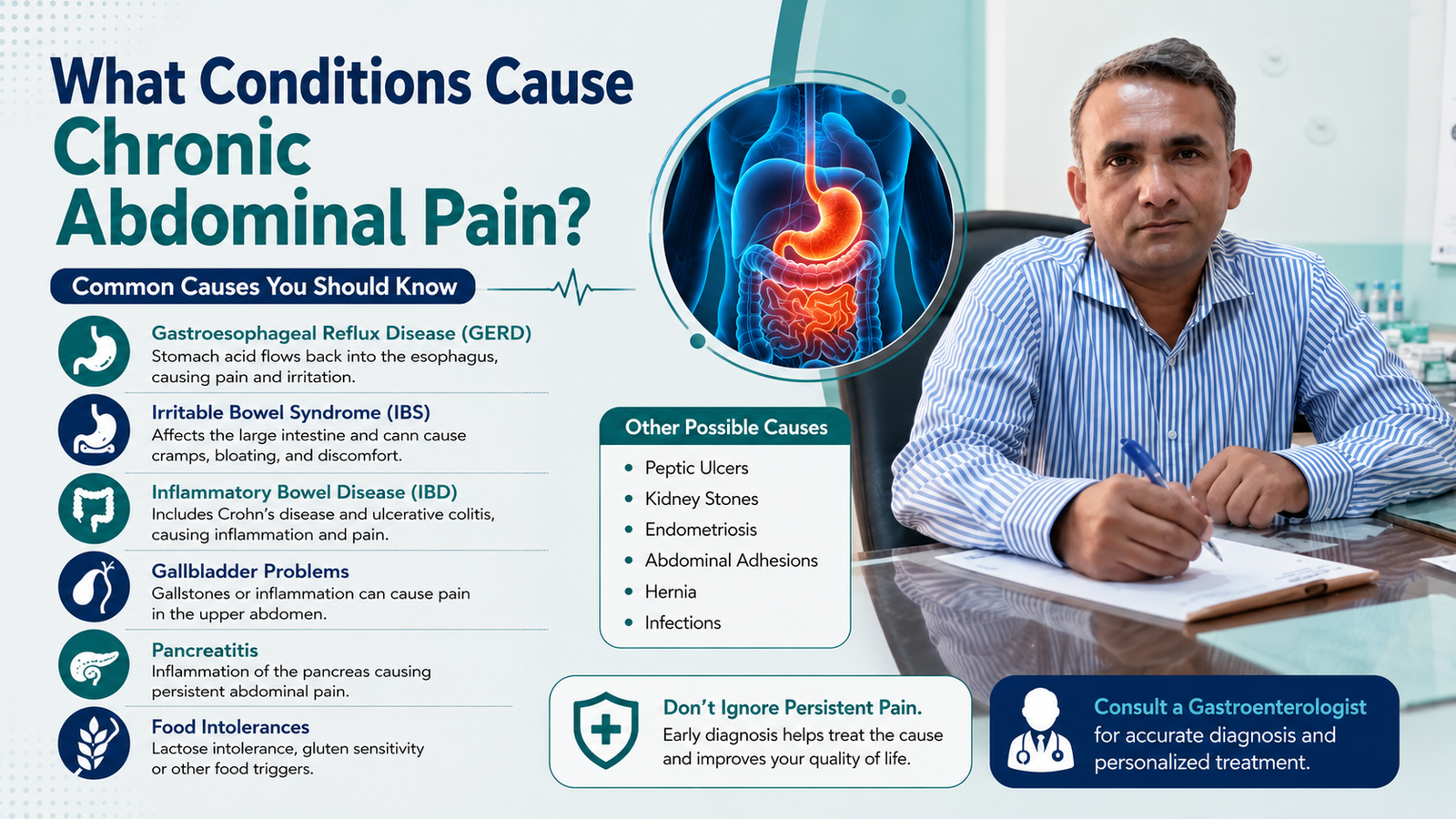
Abdominal pain can originate from various digestive disorders. Identifying the source is essential because treatment differs significantly between conditions.
An Abdominal Pain Specialist may evaluate:
Condition | Common Symptoms |
Gastritis | Burning stomach pain, nausea |
Peptic Ulcer Disease | Upper abdominal pain, bloating |
Gallstones | Sharp pain after meals |
Irritable Bowel Syndrome | Cramping, bowel changes |
Pancreatitis | Severe abdominal pain |
Inflammatory Bowel Disease | Pain, diarrhea, fatigue |
Diagnostic testing helps pinpoint the exact cause and ensures proper treatment.
Why Is Gas and Bloating Treatment Important?
Many people dismiss gas and bloating as minor issues. However, persistent symptoms can significantly affect daily comfort and social confidence.
Common causes include:
- Food intolerances
- Irritable bowel syndrome
- Constipation
- Digestive infections
- Small intestinal bacterial overgrowth
A thorough evaluation may include dietary review, laboratory testing, imaging studies, or endoscopic procedures.
Simple dietary modifications often provide substantial improvement.
For instance, reducing carbonated beverages and highly processed foods may decrease bloating in many patients.
What Tests Does a Digestive Health Doctor Perform?
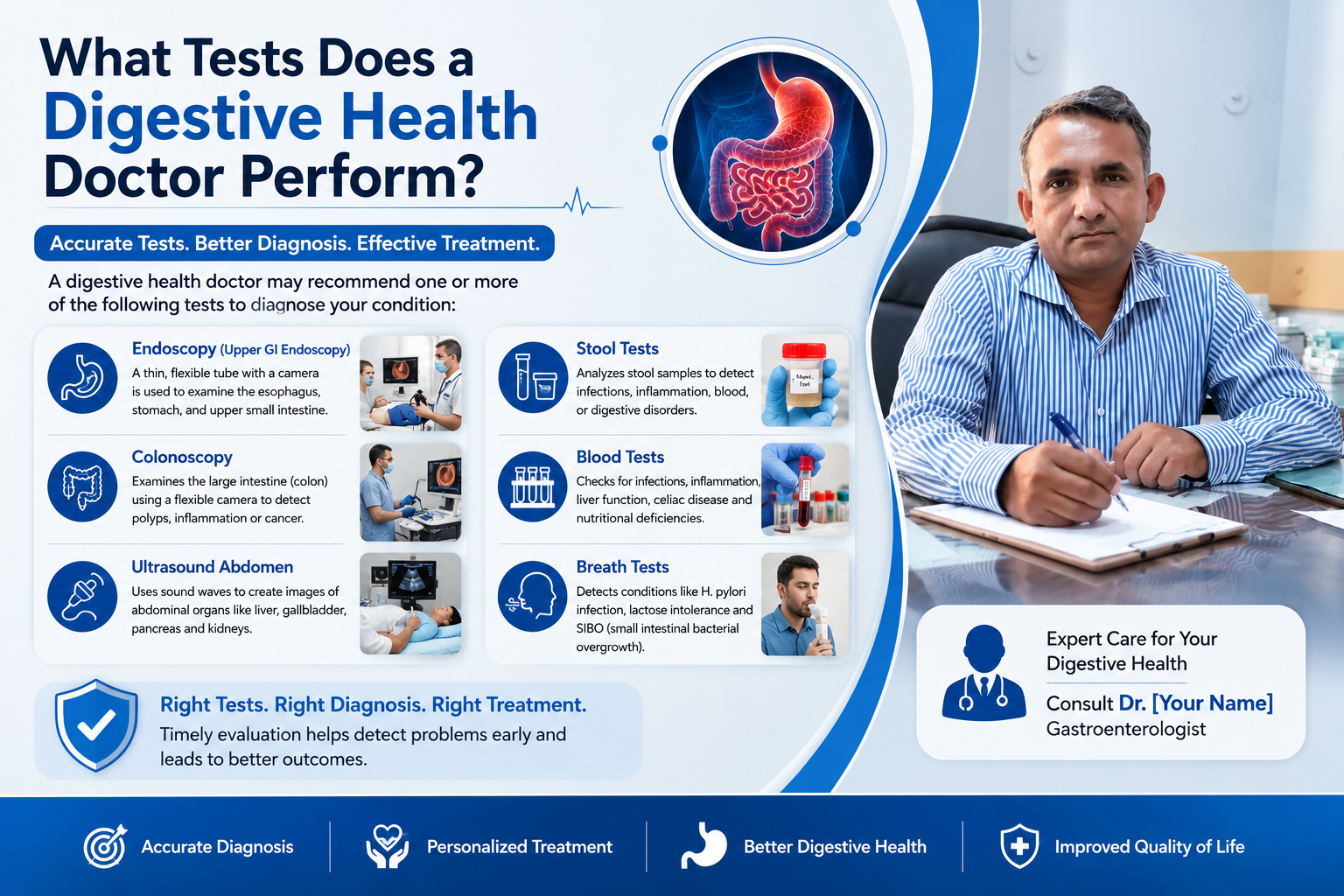
Modern digestive medicine relies on several advanced diagnostic tools.
Common tests include:
Endoscopy
A flexible camera examines the esophagus, stomach, and upper digestive tract.
Colonoscopy
This procedure evaluates the large intestine and helps detect polyps, inflammation, and colorectal cancer.
Ultrasound
Useful for assessing the liver, gallbladder, and pancreas.
Laboratory Tests
Blood and stool tests help identify infections, inflammation, and digestive disorders.
Imaging Studies
CT scans and MRI scans provide detailed views of abdominal structures.
These tools allow specialists to make accurate diagnoses and create personalized treatment plans.
What Are the Most Common Digestive Disorders Treatment Options?
Treatment depends on the underlying condition, severity of symptoms, and overall health status.
Common approaches include:
Medication Therapy
Doctors may prescribe:
- Acid-reducing medications
- Antibiotics
- Anti-inflammatory drugs
- Digestive enzyme supplements
Nutritional Management
Diet plays a major role in digestive health.
Patients may benefit from:
- Increased fiber intake
- Balanced meal planning
- Hydration improvement
- Elimination diets
Endoscopic Procedures
Some digestive conditions require minimally invasive treatment through endoscopy.
Surgery
Certain cases involving gallstones, severe ulcers, or gastrointestinal cancers may require surgical intervention.
A Gastrointestinal Disease Specialist determines the most appropriate approach based on individual needs.
How Can You Maintain Better Digestive Health?
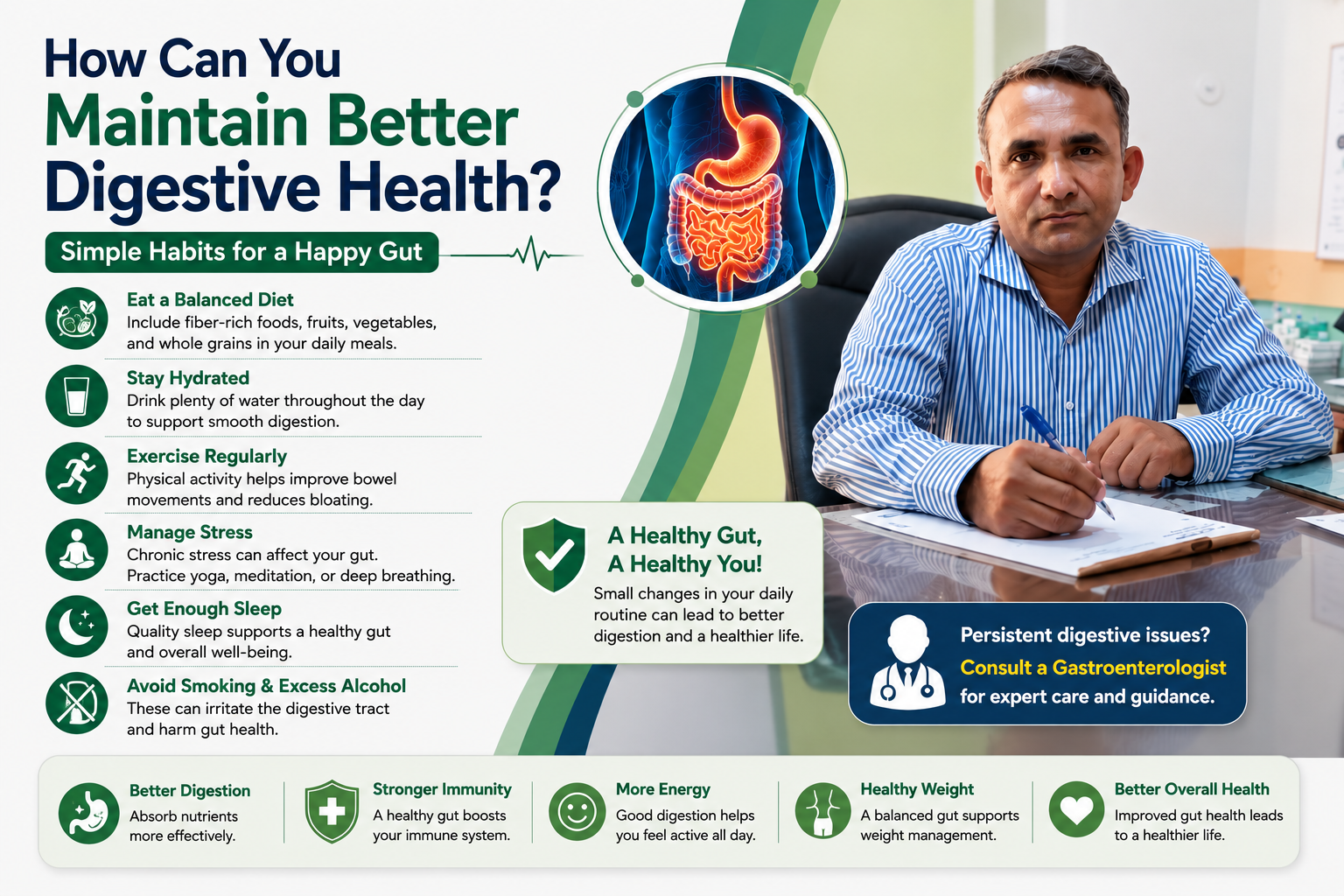
Preventive care remains one of the most effective ways to protect your digestive system.
Consider these evidence based habits:
Eat a Balanced Diet
Focus on:
- Fruits
- Vegetables
- Whole grains
- Lean proteins
Stay Hydrated
Water supports digestion and healthy bowel movements.
Exercise Regularly
Physical activity helps stimulate normal digestive function.
Manage Stress
Chronic stress can worsen digestive symptoms and affect gut function.
Prioritize Sleep
Quality sleep supports overall health, including digestive wellness.
Schedule Routine Checkups
Regular evaluations can identify problems before they become serious.
Can Lifestyle Changes Reduce the Need for Medical Treatment?
In many cases, yes. Lifestyle improvements often complement medical therapy and may reduce symptom severity.
Examples include:
- Maintaining a healthy body weight
- Limiting alcohol consumption
- Avoiding tobacco products
- Eating smaller meals
- Practicing mindful eating
However, lifestyle changes should never replace professional medical evaluation when warning signs are present.
Early intervention remains critical for serious digestive conditions.
What Questions Should You Ask During Your Appointment?
Preparing questions beforehand helps maximize the value of your visit.
Consider asking:
- What is causing my symptoms?
- Do I need diagnostic testing?
- Are dietary changes recommended?
- What treatment options are available?
- How long will recovery take?
- Are there any warning signs I should watch for?
Open communication helps ensure better outcomes and patient satisfaction.
FAQs
What is the difference between a gastroenterologist and a general physician?
A gastroenterologist has advanced training in digestive system diseases and performs specialized procedures such as endoscopy and colonoscopy.
Can a stomach specialist help with chronic acidity?
Yes. Specialists diagnose the cause of recurring acidity and provide targeted treatment plans to prevent complications.
How often should I get a digestive health checkup?
The frequency depends on age, medical history, symptoms, and family history. Your physician can recommend an appropriate schedule.
Is bloating always a sign of a serious disease?
No. Bloating often results from dietary factors or digestive disorders, but persistent symptoms should be evaluated by a specialist.
What foods promote better digestive health?
Fiber-rich fruits, vegetables, whole grains, lean proteins, and adequate water intake support healthy digestion and gut function.
Conclusion
Digestive symptoms should never be ignored, especially when they become persistent or interfere with daily life.
A qualified stomach doctor can identify the cause of abdominal pain, acid reflux, bloating, digestive disorders, and other gastrointestinal concerns.
Through accurate diagnosis, personalized treatment, and preventive guidance, these specialists help patients achieve lasting digestive wellness.
If you have ongoing digestive symptoms, schedule a professional evaluation and take the first step toward better health today.