
The liver is one of the most important organs in the human body, yet many people do not pay attention to its health until serious symptoms appear.
Since liver disease can develop quietly over time, many individuals remain unaware of the problem until significant damage has occurred.
Fatigue, abdominal discomfort, yellowing of the skin, unexplained weight loss, and digestive issues can all signal underlying liver concerns.
A liver specialist plays a crucial role in diagnosing, treating, and managing liver conditions before they become severe.
Whether you have fatty liver disease, hepatitis, cirrhosis, or unexplained liver enzyme abnormalities, seeking expert medical care can help protect your long term health.
This comprehensive guide explains the role of liver specialists, common liver diseases, diagnostic procedures, treatment options, and practical steps you can take to maintain a healthy liver.
What Does a Liver Specialist Doctor Do?
A liver specialist focuses on diagnosing and treating diseases that affect the liver, gallbladder, bile ducts, and pancreas.
These physicians often have advanced training in gastroenterology and hepatology.
Their responsibilities include:
- Diagnosing liver diseases
- Monitoring liver function
- Managing chronic liver conditions
- Treating viral hepatitis
- Evaluating fatty liver disease
- Managing cirrhosis complications
- Coordinating liver transplant care
- Advising patients on lifestyle changes
Because liver disorders can affect the entire body, specialists work closely with primary care physicians, radiologists, surgeons, and nutrition experts.
Why Is the Liver So Important for Overall Health?
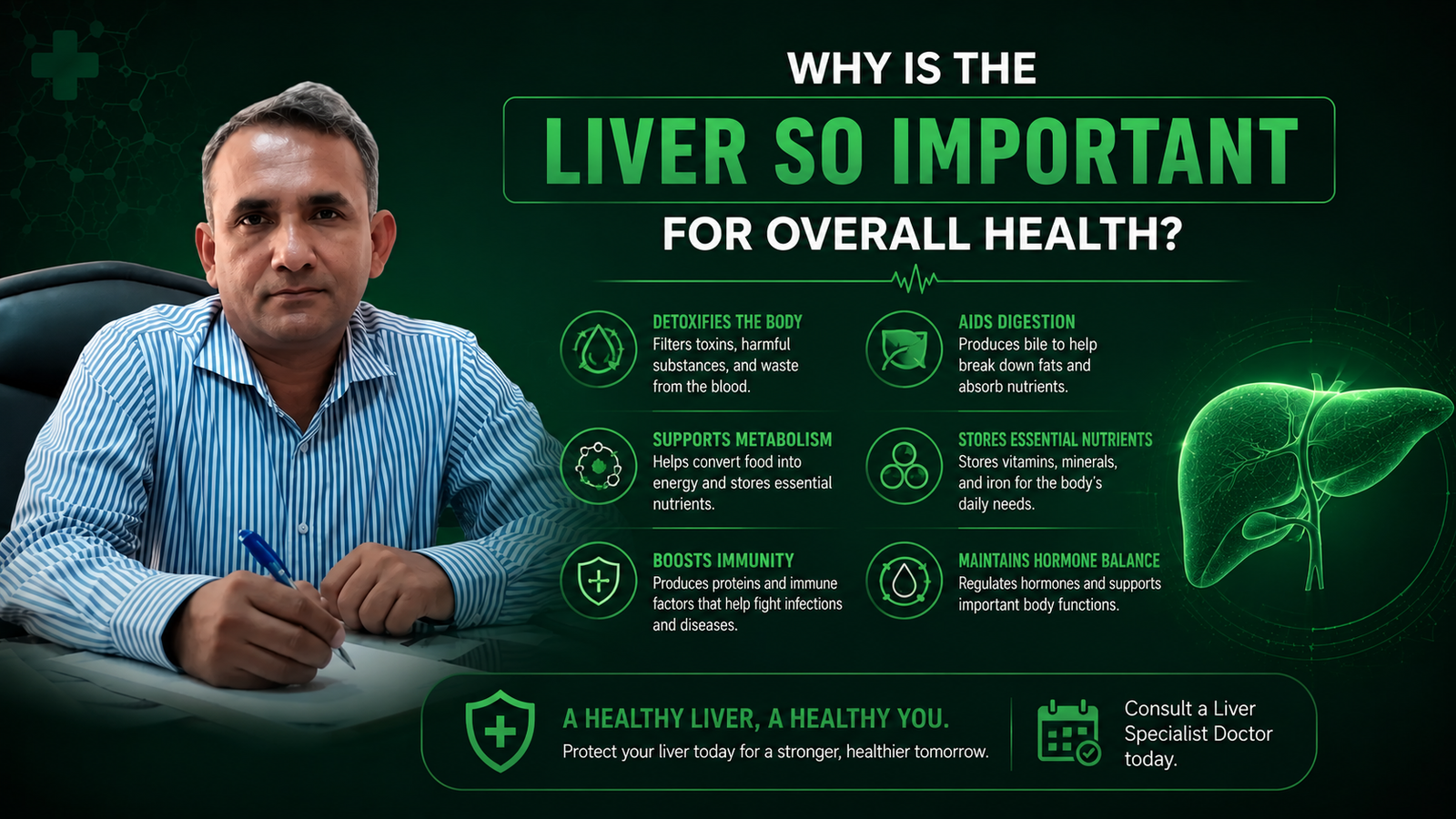
The liver performs hundreds of vital functions every day.
Some of its key roles include:
- Filtering toxins from the blood
- Producing bile for digestion
- Storing vitamins and minerals
- Regulating blood sugar levels
- Processing nutrients
- Producing proteins needed for blood clotting
- Supporting immune function
When liver function declines, multiple body systems can be affected, leading to serious health complications.
What Are the Most Common Liver Diseases?
Several conditions can impact liver health.
Fatty Liver Disease
Fatty liver disease occurs when excess fat accumulates inside liver cells. It is increasingly common due to obesity, diabetes, and sedentary lifestyles.
Hepatitis
Hepatitis refers to inflammation of the liver. Viral hepatitis includes hepatitis A, hepatitis B, and hepatitis C.
Cirrhosis
Cirrhosis develops when healthy liver tissue becomes scarred. Advanced scarring can interfere with normal liver function.
Liver Cancer
Primary liver cancer often develops in individuals with chronic liver disease or cirrhosis.
Autoimmune Liver Disease
In autoimmune conditions, the immune system mistakenly attacks liver tissue, causing inflammation and damage.
Genetic Liver Disorders
Certain inherited conditions can affect liver function and require ongoing medical management.
What Symptoms Should Never Be Ignored?
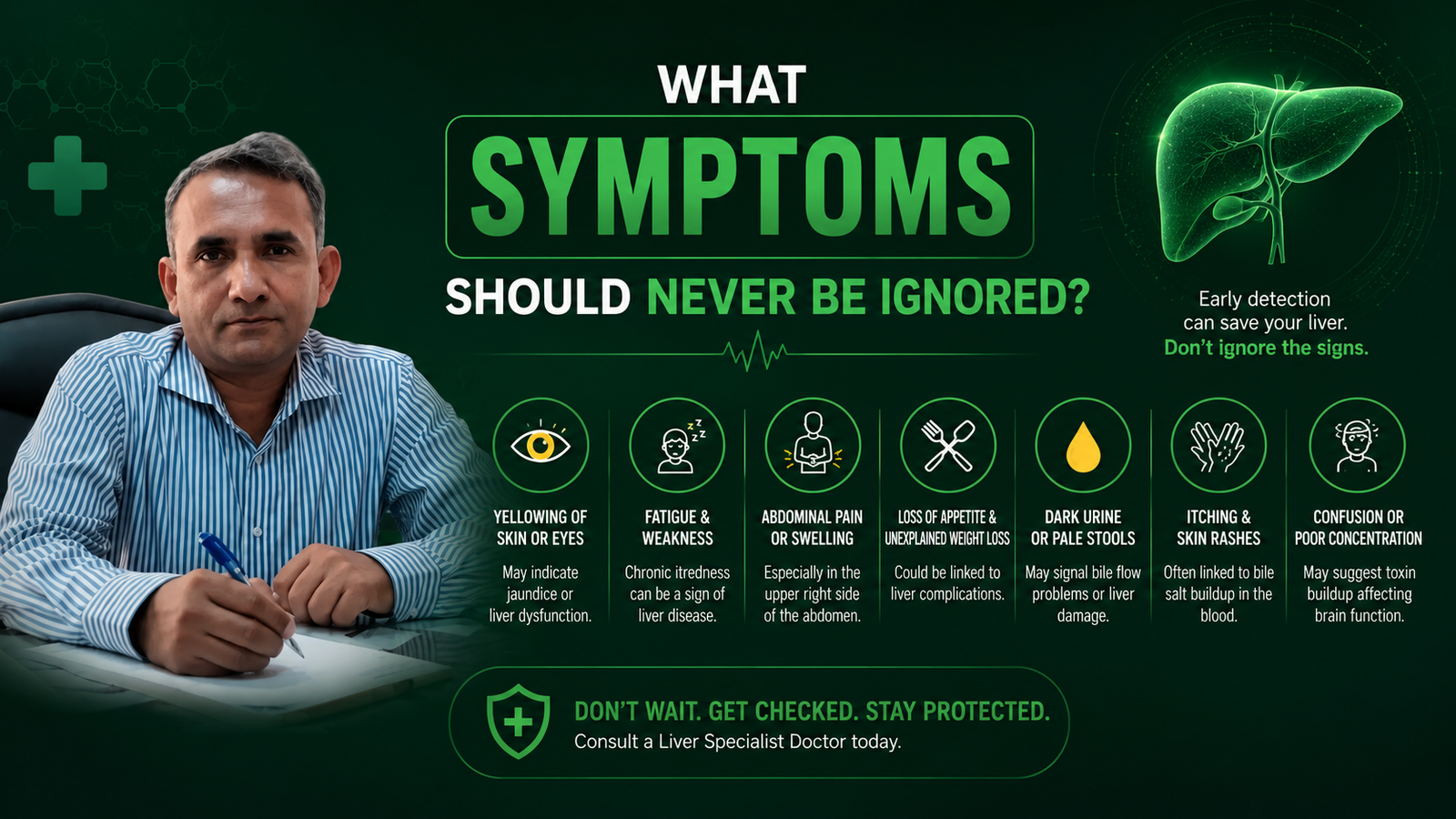
Many liver diseases develop gradually and may not cause symptoms during the early stages.
However, medical attention is important if you experience:
- Persistent fatigue
- Yellow skin or eyes
- Dark urine
- Pale stools
- Nausea
- Loss of appetite
- Unexplained weight loss
- Swelling in the abdomen
- Swelling in the legs
- Easy bruising
- Chronic itching
These symptoms may indicate liver dysfunction and should be evaluated promptly.
When Should You Visit a Liver Specialist Doctor?
Many patients wonder when specialist care becomes necessary.
You should consider consulting a liver specialist doctor if:
- Blood tests show abnormal liver enzymes
- You have chronic hepatitis
- You are diagnosed with fatty liver disease
- You have cirrhosis
- You experience jaundice
- You have a family history of liver disease
- Imaging studies reveal liver abnormalities
- Symptoms persist despite treatment
Early evaluation often leads to better outcomes and can help prevent permanent liver damage.
How Are Liver Diseases Diagnosed?
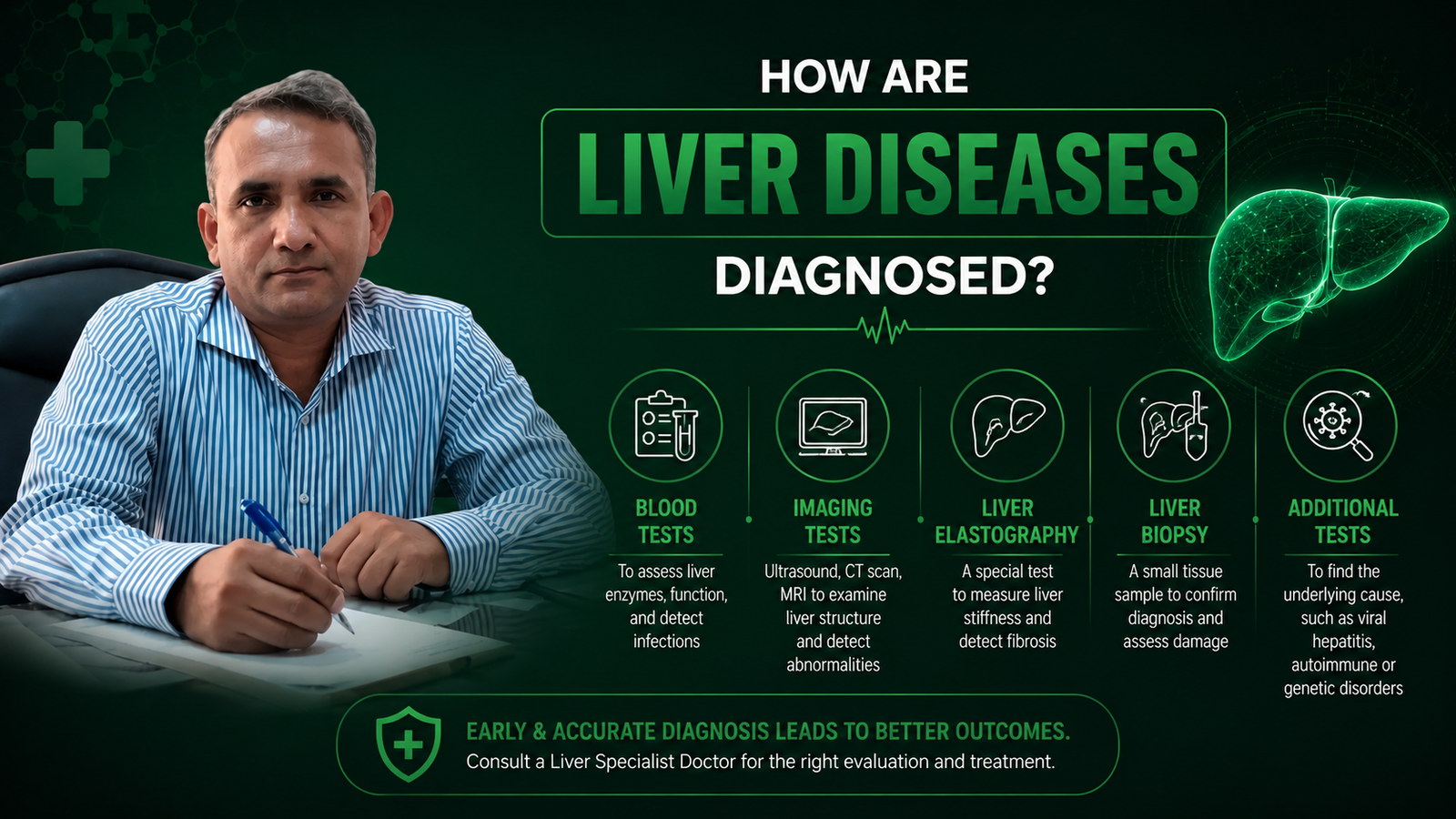
Accurate diagnosis is essential for effective treatment.
Doctors may use several diagnostic methods.
Blood Tests
Blood tests help evaluate liver enzymes, protein levels, bilirubin levels, and overall liver function.
Imaging Studies
Ultrasound, CT scans, and MRI scans provide detailed views of liver structure.
Fibrosis Assessment
Specialized tests can measure liver stiffness and assess scar tissue formation.
Liver Biopsy
In some situations, a small tissue sample is collected to examine liver cells under a microscope.
Viral Screening
Testing for hepatitis viruses helps identify infectious causes of liver disease.
These tools allow specialists to determine the severity and cause of liver problems.
Can Liver Disease Be Reversed?
The answer depends on the specific condition and its stage.
Many liver conditions improve significantly when diagnosed early.
For example:
- Early fatty liver disease can often improve through weight management and lifestyle changes.
- Hepatitis may respond to antiviral medications.
- Some autoimmune conditions can be controlled with medication.
- Early fibrosis may improve when the underlying cause is addressed.
Advanced cirrhosis is generally not reversible, but proper treatment can slow progression and reduce complications.
What Treatments Are Available for Liver Conditions?
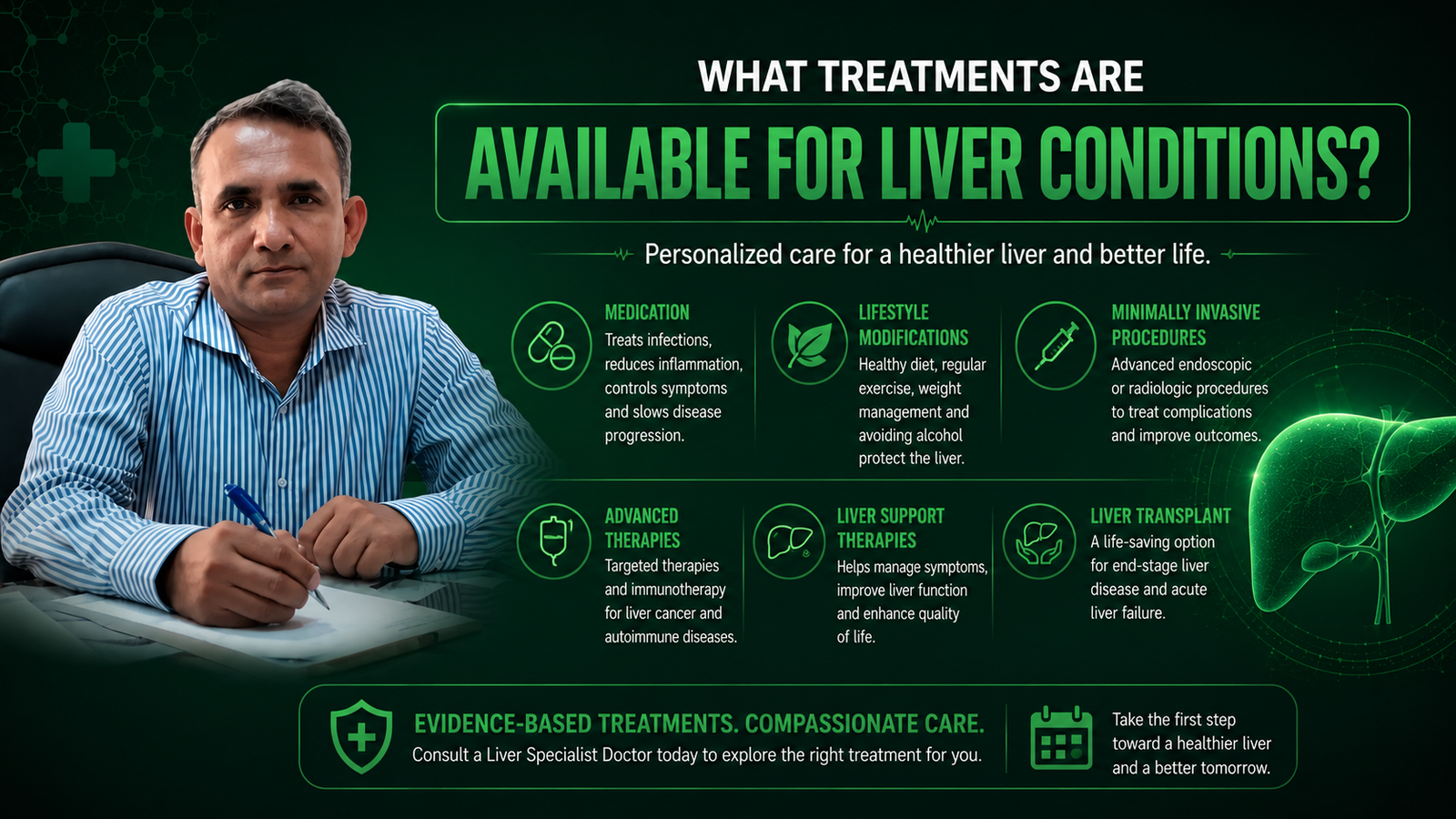
Treatment plans vary according to the underlying disease.
Common options include:
Lifestyle Modifications
Doctors often recommend:
- Healthy eating habits
- Weight management
- Regular exercise
- Limiting alcohol consumption
- Avoiding harmful substances
Medications
Prescription medications may treat viral infections, autoimmune diseases, and complications related to liver disease.
Monitoring Programs
Regular blood tests and imaging studies help track disease progression.
Endoscopic Procedures
Some complications require specialized procedures to manage bleeding or bile duct problems.
Liver Transplantation
For severe liver failure, transplantation may offer the best long-term solution.
A qualified liver specialist doctor carefully develops a treatment plan based on each patient’s condition and health status.
How Can You Protect Your Liver Every Day?
Preventive care plays a major role in maintaining liver health.
Consider these practical strategies:
- Maintain a healthy weight
- Exercise regularly
- Follow a balanced diet
- Limit alcohol intake
- Get vaccinated against hepatitis
- Practice safe hygiene habits
- Avoid unnecessary medications
- Manage diabetes effectively
- Control cholesterol levels
- Attend regular medical checkups
Small daily choices can significantly reduce the risk of liver disease.
Why Is Early Detection So Important?
Liver disease often progresses silently for years before symptoms appear.
Early detection offers several benefits:
- More treatment options
- Better disease control
- Reduced risk of complications
- Improved quality of life
- Lower risk of liver failure
- Better long term outcomes
Regular health screenings are especially important for individuals with risk factors such as obesity, diabetes, viral hepatitis, or a family history of liver disease.
What Questions Should You Ask During Your Appointment?
Being prepared for your appointment can improve communication and treatment outcomes.
Helpful questions include:
- What is causing my liver problem?
- What tests do I need?
- How severe is my condition?
- What lifestyle changes should I make?
- Do I need medication?
- How often should I have follow up visits?
- What complications should I watch for?
- Can my condition improve over time?
These discussions help patients make informed healthcare decisions.
FAQs
What type of doctor treats liver diseases?
A liver specialist, often trained in hepatology and gastroenterology, diagnoses and treats liver-related conditions.
Can fatty liver disease be cured?
In many cases, early fatty liver disease can improve significantly through weight management, exercise, and dietary changes.
How often should liver function tests be performed?
The frequency depends on your health condition and risk factors. Your physician can recommend an appropriate schedule.
Does alcohol always cause liver disease?
No. Many liver diseases result from viral infections, obesity, autoimmune conditions, genetic disorders, and metabolic diseases.
Can liver damage heal itself?
The liver has a remarkable ability to repair itself. Early damage may improve when the underlying cause is treated, and healthy habits are adopted.
Conclusion
Your liver performs vital functions that support nearly every aspect of health.
Ignoring symptoms or delaying medical care can allow liver disease to progress and become more difficult to manage.
A liver specialist doctor can identify liver problems early, provide accurate diagnoses, recommend effective treatments, and guide you toward healthier lifestyle choices.
If you experience symptoms, have abnormal liver tests, or possess risk factors for liver disease, seeking professional evaluation is an important step toward protecting your long term health.