
Do you often feel tired even after getting enough sleep?
Have you noticed unexplained weight gain, digestive discomfort, or a lack of energy throughout the day?
Many people experience these symptoms and assume they are caused by stress or a busy lifestyle.
In reality, these signs may point to a liver condition that is becoming increasingly common around the world.
Fatty liver disease often develops silently.
Most people do not realize they have it until it appears during a routine medical examination.
Because symptoms can remain hidden for years, the condition may continue to progress without warning.
This is why learning about fatty liver treatment is important for anyone who wants to protect their long term health.
The good news is that early diagnosis and proper management can significantly improve liver health and reduce the risk of serious complications.
In this guide, you will discover everything you need to know about fatty liver disease, its causes, symptoms, diagnosis, treatment options, and prevention strategies.
What Is Fatty Liver Treatment And Why Is It Important?
Fatty liver treatment refers to the medical and lifestyle approaches used to reduce excess fat stored in the liver.
The goal is to restore healthy liver function and prevent further damage.
When fat accumulates inside liver cells, the liver may become inflamed and less effective at performing its essential tasks.
Without proper care, fatty liver disease can progress to liver fibrosis, liver cirrhosis, and even liver failure.
Effective treatment focuses on identifying the underlying cause and making sustainable changes that support liver recovery.
What Is Fatty Liver Disease And How Does It Affect The Body?
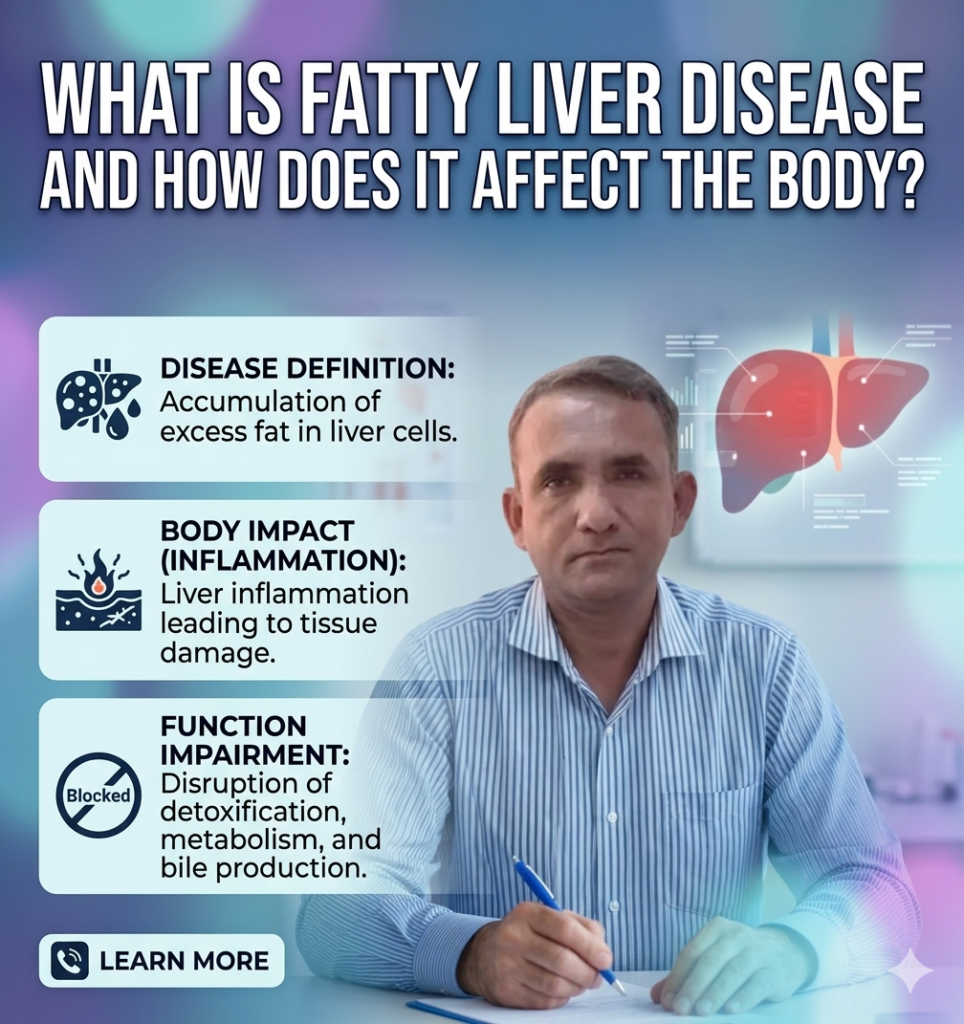
Fatty liver disease occurs when excess fat builds up inside liver cells.
A small amount of fat in the liver is normal, but too much fat can interfere with normal liver function.
The liver plays a vital role in:
- Filtering toxins from the blood
- Processing nutrients
- Supporting digestion
- Regulating metabolism
- Producing important proteins
When fat accumulates excessively, these functions may become impaired, affecting overall health and wellbeing.
What Are The Main Types Of Fatty Liver Disease?
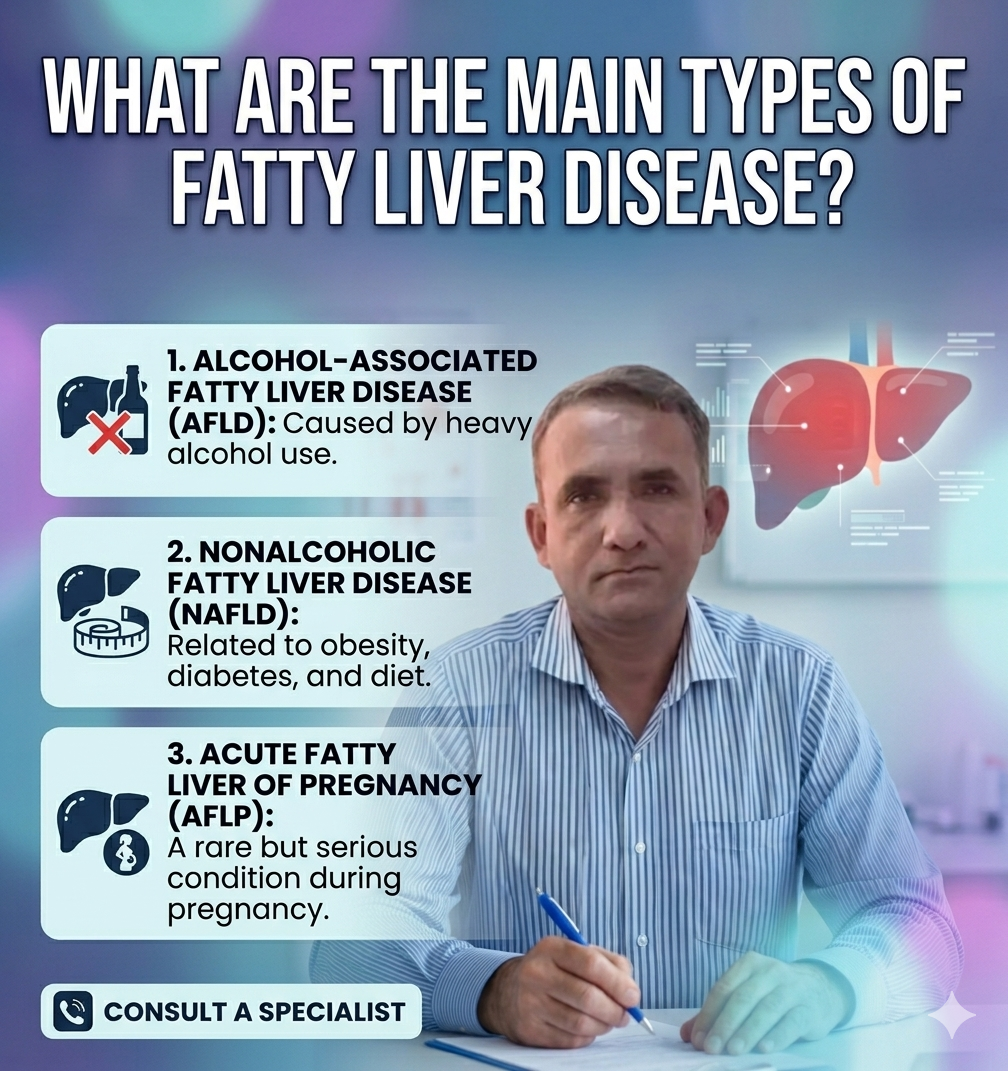
There are two major forms of fatty liver disease.
Non Alcoholic Fatty Liver Disease
This condition occurs in people who consume little or no alcohol. It is often linked to obesity, diabetes, high cholesterol, and metabolic disorders.
Alcohol Related Fatty Liver Disease
This form develops due to excessive alcohol consumption. Continued alcohol use can lead to severe liver damage over time.
Both conditions require proper medical attention and lifestyle modifications.
What Causes Fatty Liver Disease To Develop?
Several factors can increase the risk of fatty liver disease.
Common causes include:
- Obesity
- Type two diabetes
- High cholesterol
- High triglycerides
- Poor eating habits
- Lack of physical activity
- Insulin resistance
- Excessive alcohol consumption
- Certain medications
Addressing these risk factors is an essential part of successful fatty liver treatment.
What Symptoms Should You Never Ignore?
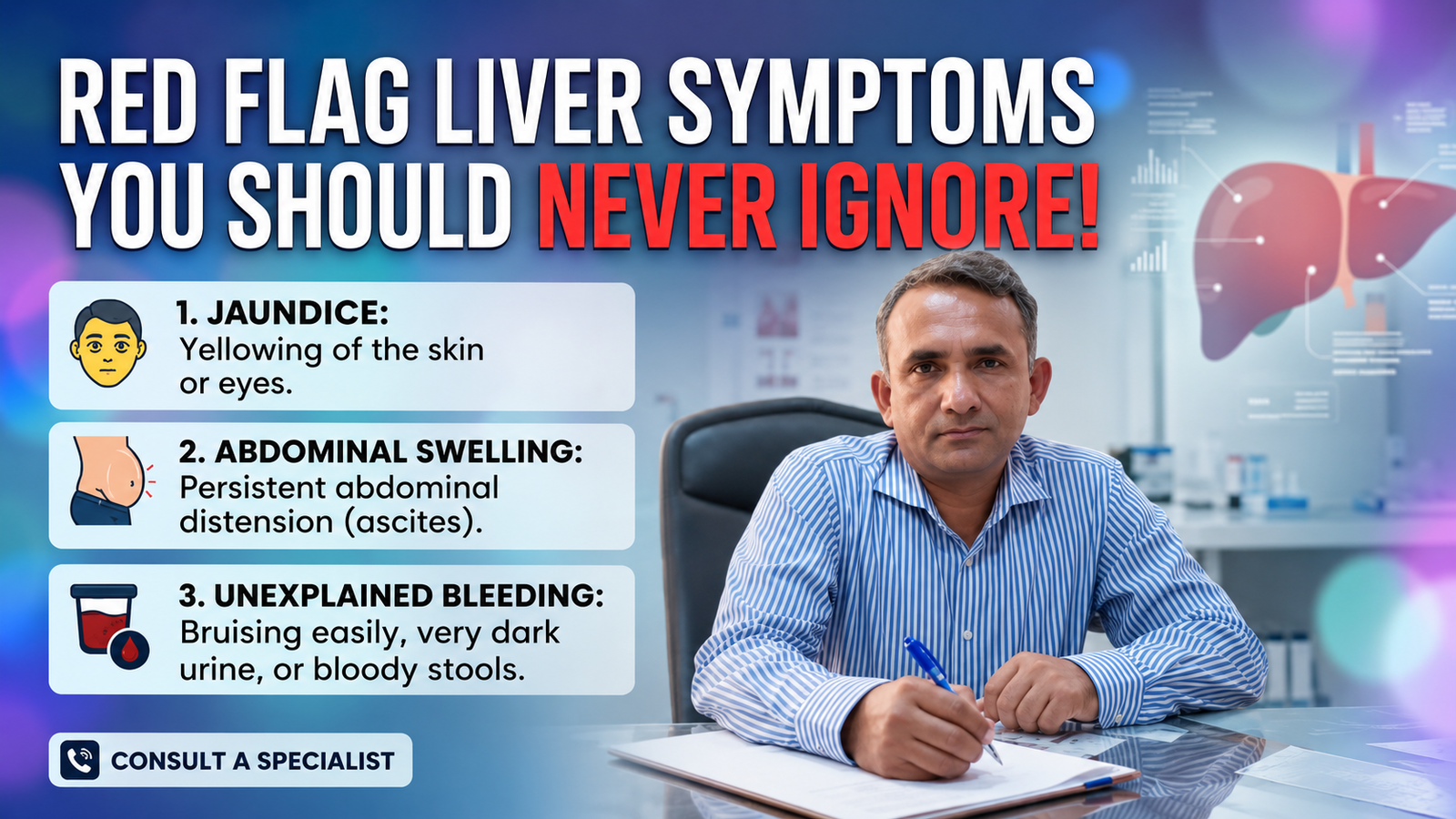
Many people with fatty liver disease experience no symptoms during the early stages. However, as the condition progresses, symptoms may begin to appear.
Common symptoms include:
- Constant fatigue
- Weakness
- Abdominal discomfort
- Feeling full quickly
- Unexplained weight changes
- Difficulty concentrating
- Mild pain in the upper abdomen
In advanced stages, patients may experience:
- Yellowing of the skin
- Swelling in the abdomen
- Swelling in the legs
- Severe tiredness
Recognizing these symptoms early can help prevent serious complications.
Who Is Most At Risk Of Developing Fatty Liver Disease?
Certain groups of people face a higher risk of developing fatty liver disease.
Risk factors include:
- Obesity
- Diabetes
- High blood pressure
- High cholesterol
- Sedentary lifestyle
- Family history of liver disease
- Poor dietary habits
Individuals with these risk factors should consider regular medical evaluations to monitor liver health.
How Do Doctors Diagnose Fatty Liver Disease?
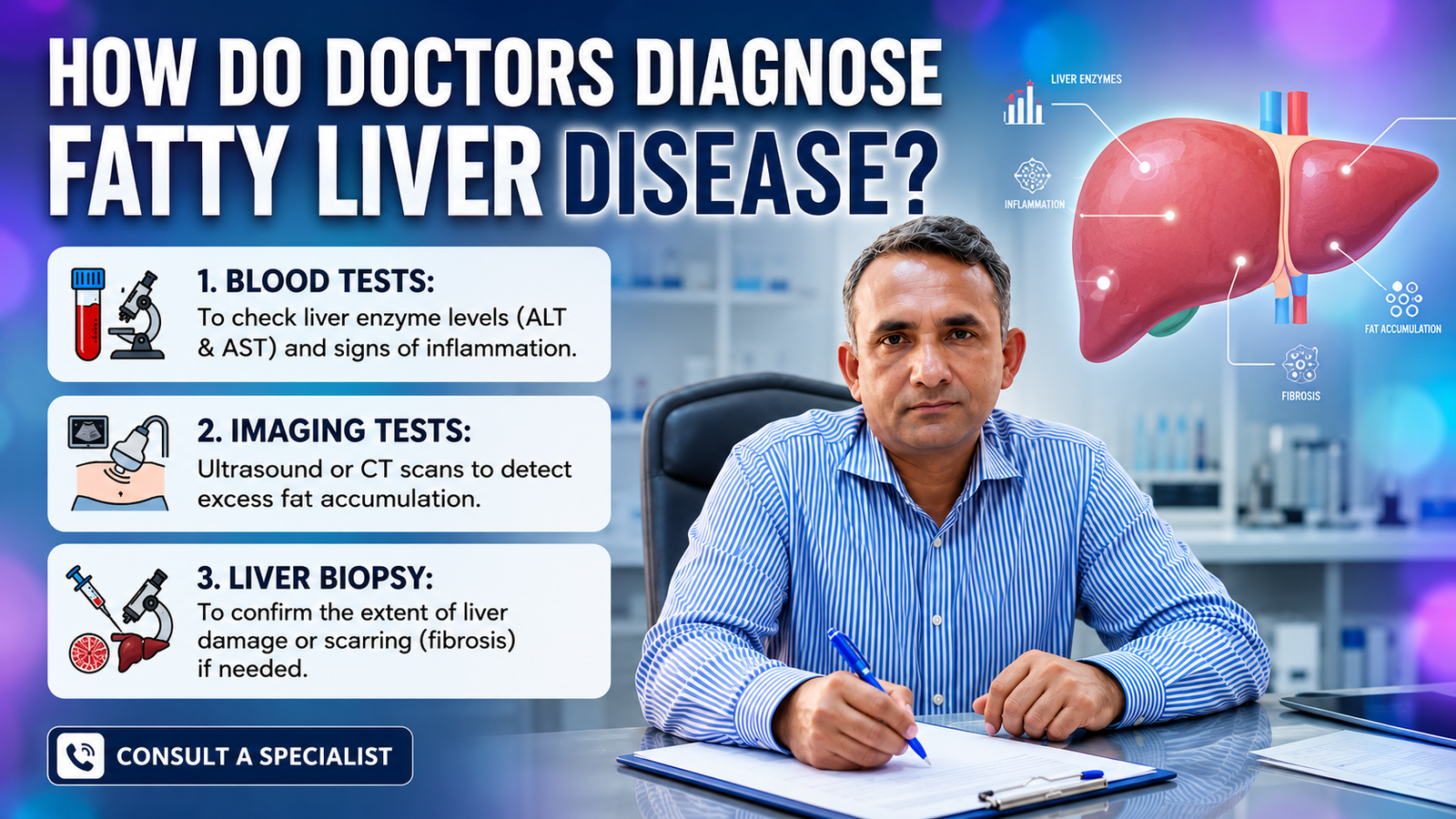
Accurate diagnosis is essential for creating an effective treatment plan.
Doctors may use several methods to diagnose fatty liver disease.
These include:
- Physical examination
- Medical history review
- Liver function tests
- Blood tests
- Ultrasound imaging
- CT scan
- MRI scan
- Liver biopsy when necessary
These diagnostic tools help determine the severity of the condition and guide appropriate treatment decisions.
What Lifestyle Changes Can Improve Liver Health?
Lifestyle improvement remains one of the most effective approaches for managing fatty liver disease.https://www.houseofhealth.org.uk/blog/treatment-for-fatty-liver-disease
Important changes include:
Maintaining A Healthy Weight
Gradual weight loss can significantly reduce liver fat and improve liver function.
Increasing Physical Activity
Regular exercise helps improve metabolism and reduce fat accumulation in the liver.
Eating A Balanced Diet
Nutritious foods support liver recovery and overall health.
Avoiding Excess Alcohol
Reducing alcohol intake helps prevent additional liver damage.
Managing Medical Conditions
Controlling diabetes, cholesterol, and blood pressure can improve treatment outcomes.
These measures play a major role in successful fatty liver treatment.
Which Foods Support Liver Recovery?
A healthy diet can help reduce liver fat and improve overall wellbeing.
Recommended foods include:
- Fresh fruits
- Green vegetables
- Whole grains
- Lean protein sources
- Fish
- Nuts
- Seeds
- Healthy fats
Patients should limit:
- Sugary beverages
- Processed foods
- Excessive fried foods
- Refined carbohydrates
Consistent healthy eating habits can contribute significantly to liver improvement.
Can Fatty Liver Disease Be Reversed?
In many cases, early stage fatty liver disease can be reversed.
When patients adopt healthier lifestyle habits and follow medical advice, the liver often has the ability to heal itself.
The earlier treatment begins, the greater the chances of successful recovery.
However, advanced liver damage may require more intensive medical management.
What Medical Treatments Are Available For Fatty Liver Disease?
The exact treatment plan depends on the underlying cause and severity of the condition.
Doctors may recommend:
- Weight management programs
- Diabetes control strategies
- Cholesterol lowering medications
- Nutritional counseling
- Regular liver monitoring
A healthcare professional will determine the most appropriate approach based on individual patient needs.
What Happens If Fatty Liver Disease Is Left Untreated?
Ignoring fatty liver disease can lead to serious complications.
Possible consequences include:
- Liver inflammation
- Liver fibrosis
- Liver cirrhosis
- Liver failure
- Increased risk of liver cancer
Seeking timely medical care can significantly reduce these risks.
How Can You Prevent Fatty Liver Disease In The Future?
Prevention is often easier than treatment.
Simple steps include:
- Maintaining a healthy weight
- Exercising regularly
- Eating nutritious foods
- Limiting alcohol consumption
- Managing diabetes effectively
- Monitoring cholesterol levels
- Attending regular health checkups
These habits support long term liver health and overall wellbeing.
FAQs
Can fatty liver disease be cured completely?
Many early stage cases can improve significantly and may even be reversed through lifestyle changes and proper medical care.
What is the most common cause of fatty liver disease?
Obesity, diabetes, poor diet, and lack of physical activity are among the most common causes.
How long does it take to improve fatty liver disease?
Improvement varies from person to person, but many patients see positive changes within a few months of consistent lifestyle modifications.
Is exercise helpful for fatty liver disease?
Yes, regular physical activity can reduce liver fat and improve overall liver function.
Can fatty liver disease cause serious complications?
Yes, untreated fatty liver disease may progress to liver fibrosis, cirrhosis, or liver failure.
Conclusion
Fatty liver treatment is most effective when the condition is identified early and managed properly.
Fatty liver disease may develop quietly, but it can have serious consequences if left untreated.
By adopting healthier lifestyle habits, following medical guidance, and monitoring liver health regularly, many people can improve their condition and reduce the risk of complications.
Taking action today can help protect your liver and support a healthier future.