
Stomach pain can disrupt your life. A lot of people will overlook stomach issues initially because they believe that they are minor.
However, if the pain, acidity, bloating, constipation, vomiting, or indigestion become regular and frequent, life becomes stressful.
It is hard for the person to eat, sleep is disrupted and even everyday tasks can become challenging.
That is the time when folks begin looking for the right doctor, but can be bewildered as to which specialist to go to.
The doctor who specializes in the stomach is known as a Gastroenterologist. This doctor performs treatment for stomach, liver, intestine, digestive system, and food pipe diseases.
A gastroenterologist can assist in identifying the actual cause of stomach issues and can offer correct treatment to obtain long-term alleviation.
People can use home remedies for months and months, and they’re unaware of the actual issue.
There are stomach diseases that can get worse if left untreated for a prolonged time.
Prompt diagnosis and appropriate treatment can prevent patients from suffering from life-threatening complications and can enhance their quality of life.
This article will provide you with a simple explanation of all you need to know about stomach specialists and when you should visit them, and how they can help you to recover faster.
Why Do People Need a Gastroenterologist?
The digestive system is very important to maintain a healthy body. If the digestive system is weakened or upset, the entire body can be affected.
There are a number of digestive issues that can be treated by a gastroenterologist for people of all ages.
Typical complaints for people seeking a stomach doctor are:
- Constant stomach pain
- Acidity and heartburn
- Gas and bloating
- Constipation
- Diarrhea
- Vomiting
- Blood in stool
- Ulcers
- Liver diseases
- Difficulty swallowing food
Not treating them could worsen the condition over time. Some stomach ailments start with subtle signs and then escalate to serious troubles.
What Problems Can a Stomach Specialist Treat?
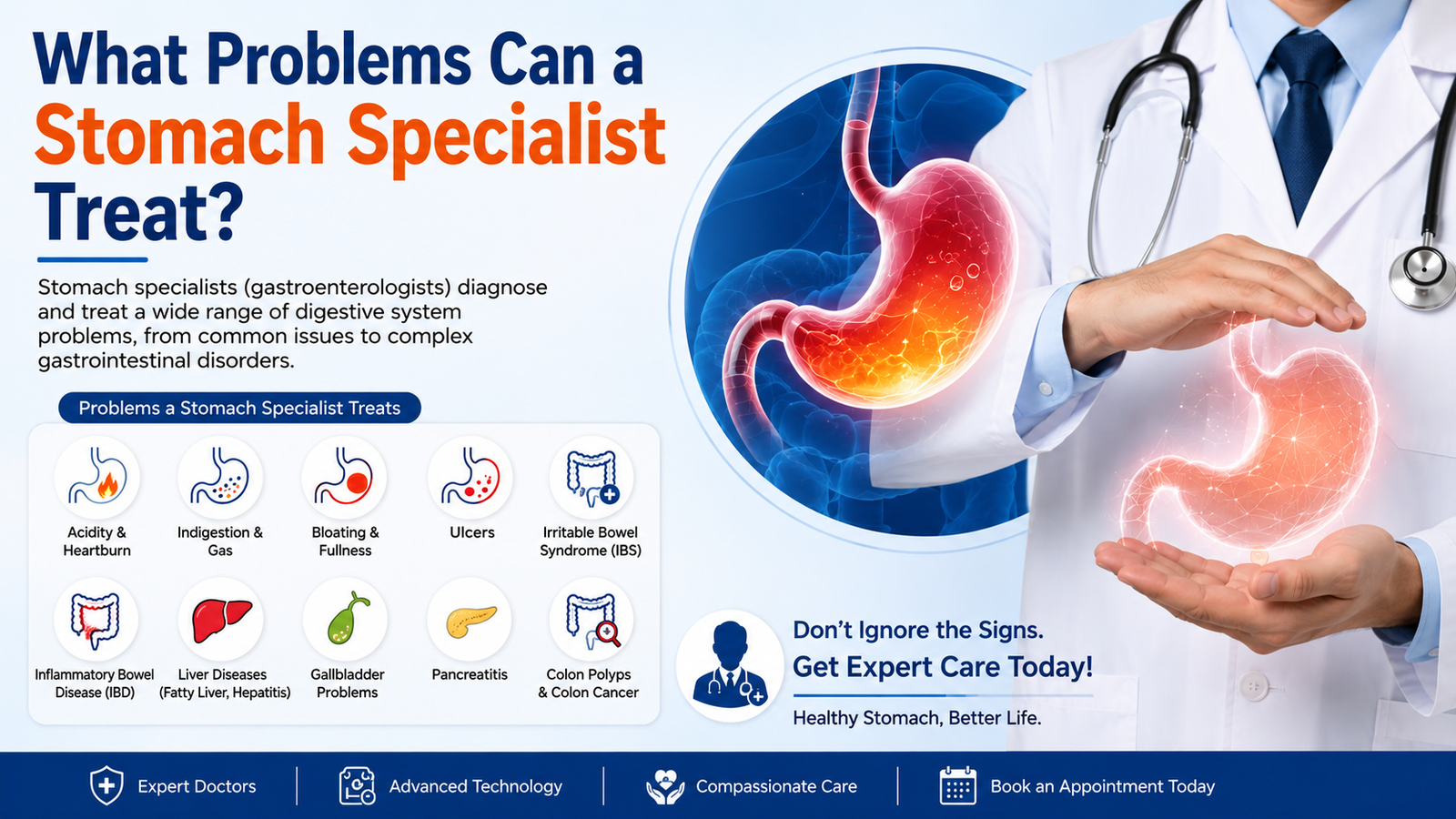
Gastroenterologist A treats numerous stomach and digestive issues. Some issues will only need short-term treatment, and others will require long-term treatment.
What is Acidity and what causes it?
Acidity is one of the most frequently occurring digestive problems. This typically occurs when the stomach acid travels up into the food pipe. This can cause a burning sensation in the chest or throat.
Common causes include:
- Eating spicy food
- Oily meals
- Overeating
- Stress
- Smoking
- Eating late at night
When acidity happens, a doctor of the stomach can help determine the cause of the acidity and prescribe the right treatment.
What Causes Recurrent Stomach Pain?
Stomach pain should never be taken lightly. Gas, infection, ulcers, constipation or intestinal issues can cause pain.
Your gastroenterologist may suggest tests to determine the exact cause of the pain. Diagnosis is important so that the chances of future complications can be avoided.
What is the cause of Constipation?
Constipation is a condition in which stool passing is difficult or fewer than normal. Common symptoms include hard stool, pain when passing stool and bloating.
Causes may include:
- Low fiber diet
- Lack of water
- Physical inactivity
- Digestive disorders
- Stress
Many suffer from constipation for years without realizing it and without proper medical attention.
What are the consequences of liver diseases?
The liver is a vital organ that filters out of the body. Treatment of liver diseases can become hazardous if not done in time.
Here are some common liver diseases:
- Fatty liver disease
- Hepatitis
- Liver infection
- Liver swelling
When Should You Visit a Stomach Specialist?
A gastroenterologist also manages liver-related issues and educates patients on lifestyle changes that will improve their health.
Many people don’t seek medical advice because they believe the symptoms will go away. But some signs clearly indicate the need for medical attention.
See a gastroenterologist if you have:
- Failure to stop stomach pain that lasts for days and days
- Frequent vomiting
- Severe acidity
- Blood in stool
- Sudden weight loss
- Difficulty swallowing
- Continuous constipation
- Ongoing diarrhea
If treatment is started early, the severity of the disease and its duration of treatment may be reduced.
How Does a Gastroenterologist Diagnose Digestive Problems?
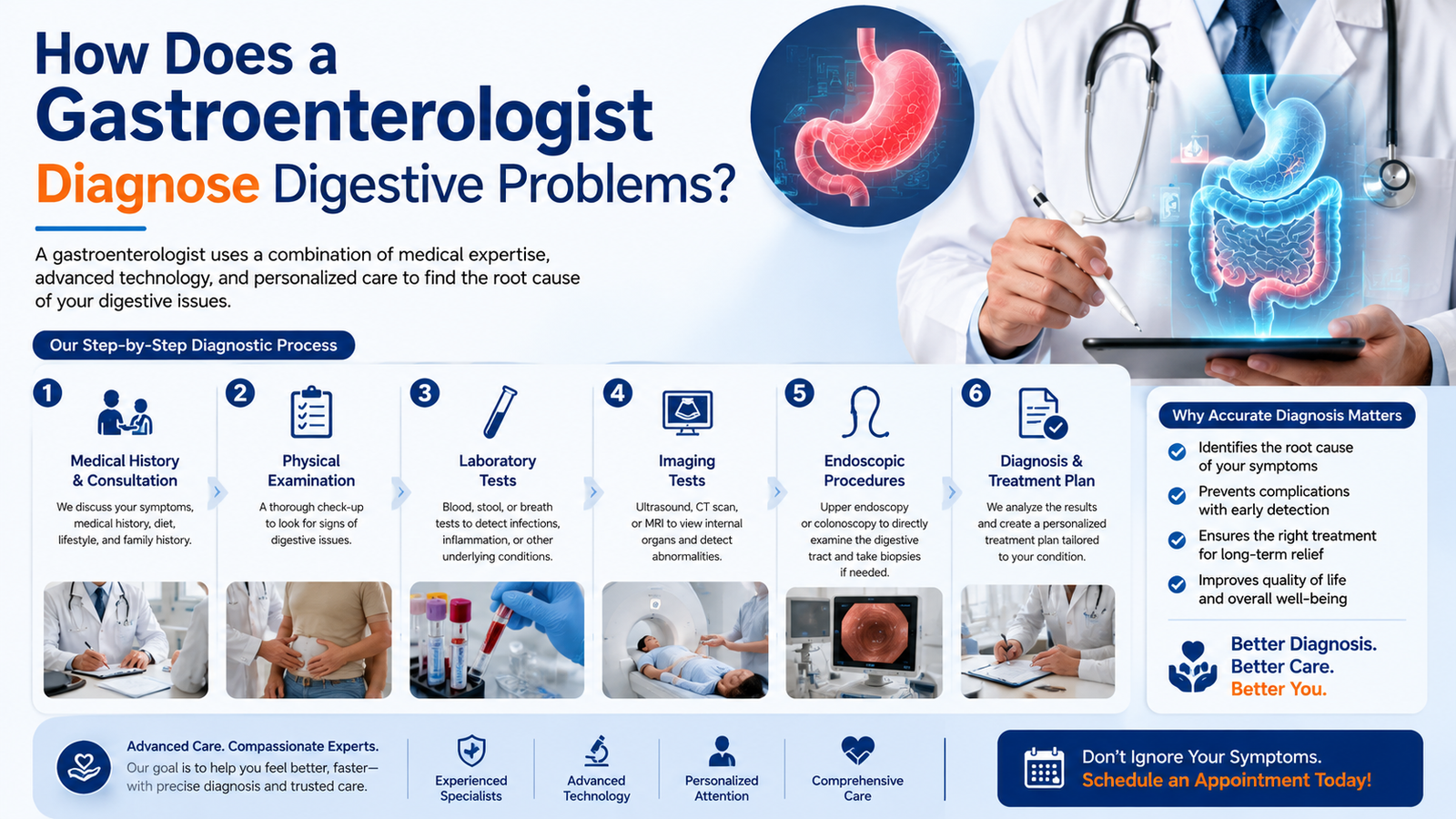
It’s crucial to determine the exact cause of stomach problems to get treatment right. There are various ways to diagnose digestive diseases.
Which questions does the Doctor have to ask?
The doctor will ask about the symptoms, eating habits, pain, and medical history. The following information can help limit the cause.
What tests can reveal the true cause of the problem?
Your stomach specialist might recommend the following tests:
- Blood tests
- Ultrasound
- Stool tests
- Endoscopy
- Colonoscopy
These tests can enable a doctor to look carefully into the digestive system and determine if there is a hidden problem.
What Is an Endoscopy and Why Is It Done?
An endoscopy is a usual procedure to examine your stomach and food pipe. The thin tube containing a camera is carefully placed to view the digestive organs.
Doctors usually recommend endoscopy for:
- Severe acidity
- Ulcers
- Stomach bleeding
- Difficulty swallowing
- Long term stomach pain
The process helps the doctor to correctly identify the problem and start the appropriate treatment as early as possible.
Can Diet Improve Digestive Health?
Yes, the diet has a big impact on stomach health. The not-so-good food choices make digestive issues worse.
There are natural remedies for digestion, which include making healthy food choices that can lessen symptoms.
What foods are good for the digestive system?
The foods that make it easier to digest are:
- Fruits
- Vegetables
- Yogurt
- Whole grains
- Water-rich foods
These foods aid bowel action and alleviate stomach discomfort.
What foods to avoid?
Some foods can aggravate stomach problems, such as:
- Spicy meals
- Fried food
- Too much tea and coffee
- Carbonated drinks
- Junk food
People with acidity or ulcers particularly need to prevent unhealthy eating habits.
How Does Stress Affect the Stomach?
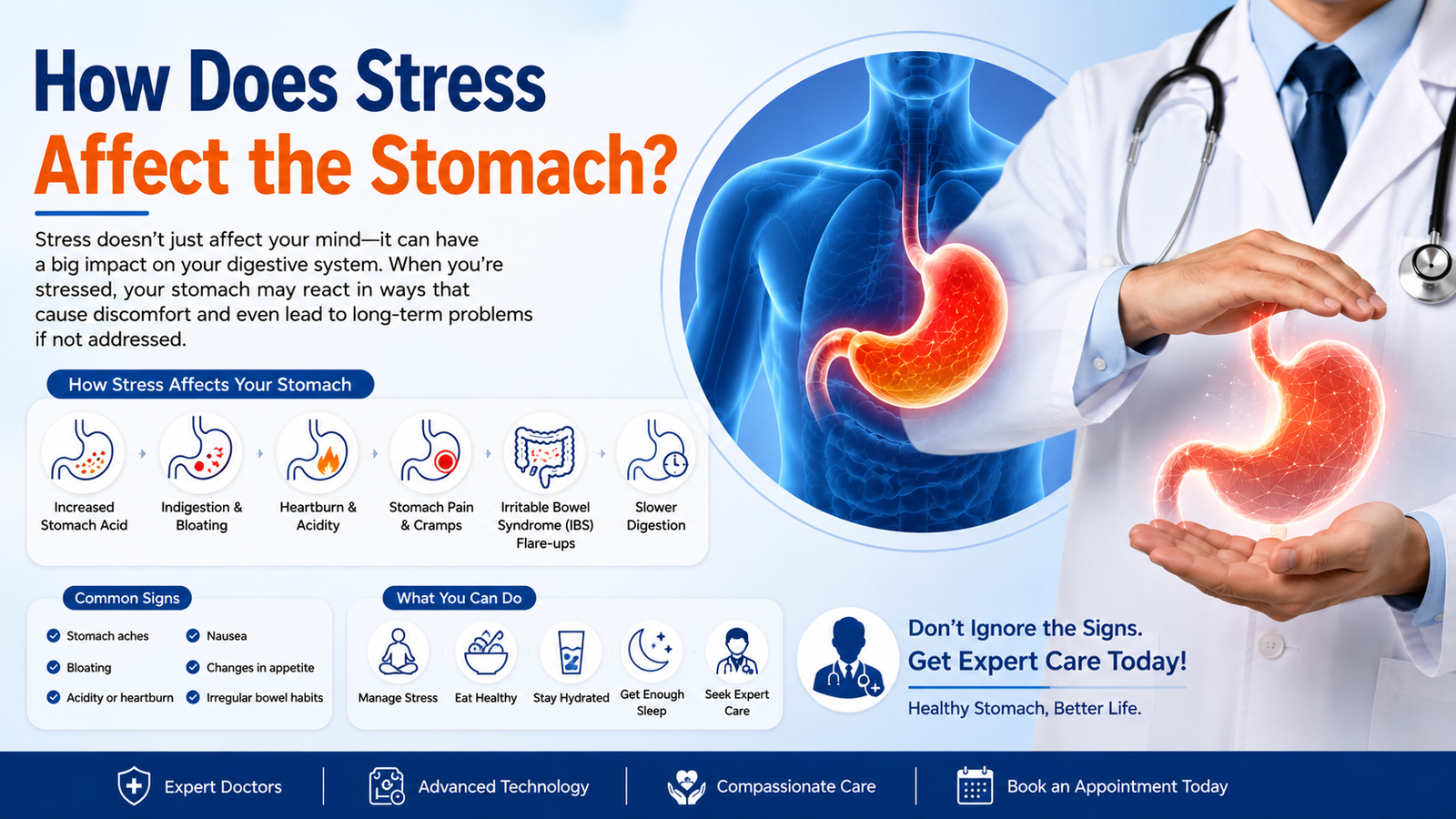
Stress isn’t just a mental condition. It also has a poor impact on digestion. During stress, many people will have stomach aches, acidity, or stomach and bowel complaints.
Stress can:
Increase stomach acid
Slow digestion
Trigger constipation
Cause bloating
Having a healthy tummy is greatly improved when stress is properly managed with sleep, exercise, and relaxation techniques.
Yes, children indeed suffer from digestive disorders as well.
If your child vomits often, has abdominal pain, has trouble digesting food, and has constipation, consult a specialist.
Can Children Also Need a Gastroenterologist?
Early medical treatment is crucial for preventing growth and nutritional difficulties in children.
Why Is Early Treatment Important for Digestive Diseases?
Many digestive diseases can become dangerous if left untreated. Even minor signs and symptoms can escalate into serious health issues.
Early diagnosis helps:
- Prevent complications
- Reduce treatment time
- Improve recovery
- Lower medical expenses
- Protect overall health
By going to the gastroenterologist at the appropriate time, patients can avoid serious pain and disease.
How Can You Keep Your Digestive System Healthy?
The following are some Good natural ways to keep stomach healthy and aid digestion.
Simple tips include:
- Drink enough water
- Eat fresh food
- Avoid overeating
- Exercise regularly
- Sleep properly
- Reduce stress
- Avoid smoking
Adopting healthy habits will help improve digestion and prevent stomach diseases.
FAQs
What is the English name for a stomach specialist?
The English name for a stomach specialist is a gastroenterologist.
What diseases does a gastroenterologist treat?
A gastroenterologist treats stomach pain, acidity, ulcers, constipation, liver diseases, diarrhea, and other digestive disorders.
When should I visit a stomach specialist?
You should visit a specialist if you have severe stomach pain, continuous acidity, blood in stool, vomiting, or digestive problems for many days.
Can acidity become dangerous?
Yes, frequent acidity can damage the food pipe and may lead to serious digestive complications if ignored.
Does stress affect digestion?
Yes, stress can increase acidity, bloating, constipation, and stomach discomfort.
Conclusion
There are many people who have digestive issues daily that they hardly pay attention to until it gets more serious.
If you experience pain, acidity, constipation, and bloating or stomach discomfort, don’t take them for granted.
Appropriate medical attention at the right time can keep you healthy and help enhance the quality of life.
A gastroenterologist is the doctor in England who treats stomach disorders. This physician treats and diagnoses digestive ailments, stomach, liver, and intestinal disorders.
It’s important to consult a qualified gastroenterologist if you notice persistent digestive issues, as this can potentially lead to severe complications down the road.