Constipation | Published: January 08, 2026
Summarize this post with
Constipation is a situation that can easily be viewed as a small gastrointestinal problem, but when it begins to disrupt your everyday routine, energy levels, and comfort, it will become an obvious indication that something is wrong with your body that requires specialist assistance.
Understanding what causes constipation is crucial because it is often linked to poor diet, dehydration, stress, or an underlying digestive disorder that should not be ignored. Constipation is much more prevalent than people think in a busy metropolis such as Karachi, where irregular eating habits and lifestyle stress prevail.
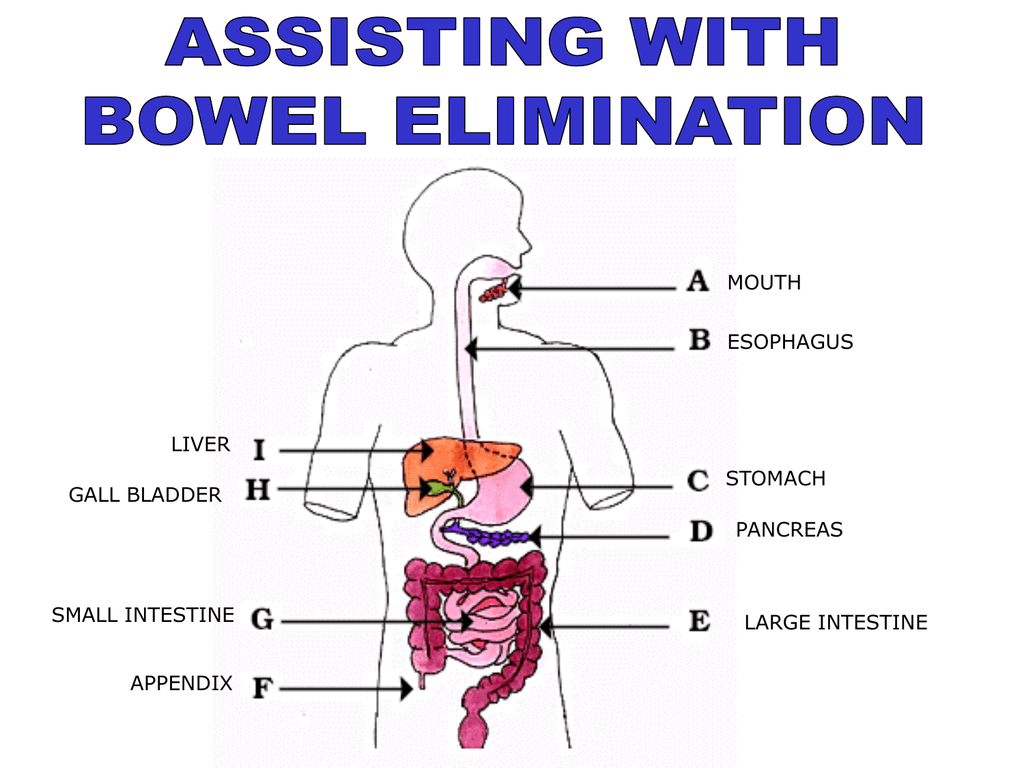
Constipation arises when the stool passes through the large intestine slowly and thus excessive water is absorbed, and the stool becomes hard, dry, and painful to pass. The occasional constipation is often not cause to worry; however, the chronic symptoms of constipation, like bloating, stomach ache, or partial bowel movements, must be examined by specialists.
It is in this situation that it is important to seek the assistance of an expert. Patients in Karachi have confidence in Dr. Aziz ur Rehman to diagnose and treat correctly, and also to provide relief in constipation in a long-lasting manner that does not require patients to use laxatives unnecessarily.
Consultation may avoid complications and allow you to have relief sooner than usual.
To understand what causes constipation, it is important to look at both lifestyle related and medical factors. A low fiber diet is among the most prevalent causal factors. Fiber also makes the stool thick and smooth in passing through the intestines. Highly processed foods, refined flour, and fast food diets do not include proper amounts of fiber and often result in constipation.
Another important factor is poor fluid intake. The lack of water makes the body dehydrated, and thus the colon absorbs more water in the stool, hence making it hard and difficult to pass. Exercise is also a major factor, as exercising aids in the contraction of the intestines. Individuals who sit long hours, mostly those in offices, are more inclined to bowel irregularities.
Some medicines slow the bowel movements. The side effects of painkillers, iron supplements, antidepressants, and a few blood pressure medicines include constipation. Moreover, stress and anxiety may interfere with the connection of the gut brain, which would impact digestion negatively.
It could also be caused by medical problems like irritable bowel syndrome, thyroid disease, diabetes, and colorectal issues, among others, hence the need to always seek the services of a health provider in case of persistent symptoms.
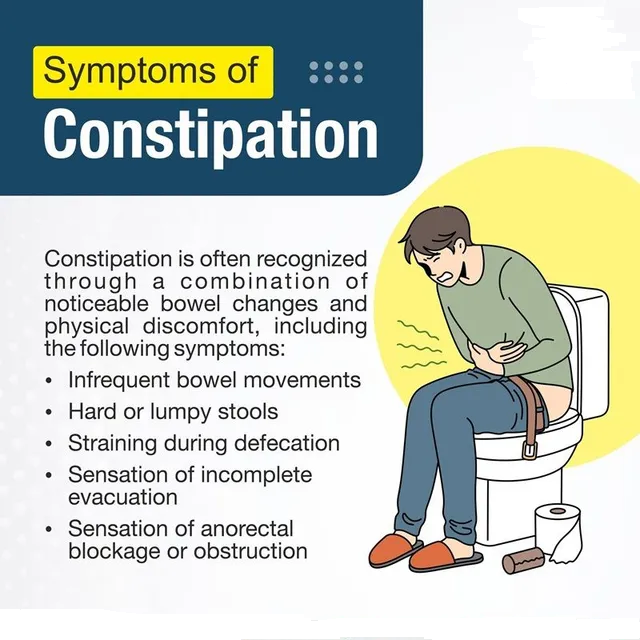
Constipation symptoms can vary from person to person, but the most common signs include difficulty passing stool, passing stool fewer than three times per week, hard or lumpy stools, and excessive straining during bowel movements.
Incomplete evacuation with use of the toilet is also a complaint among many patients who report abdominal discomfort, bloating, gas, and abdominal discomfort. In more severe cases, constipation symptoms may include nausea, loss of appetite, fatigue, and rectal pain.
These symptoms may have a substantial impact on the quality of life and may be signs of the necessity to undergo medical assessment. Blood in stool, loss of weight without any apparent cause, or severe abdominal pain are some of the warning signs that must not be overlooked, as they can indicate the presence of more serious underlying conditions.
Constipation treatment depends largely on the underlying cause and severity of the condition. Lifestyle adjustment is the initial and, in most instances, the most effective one. Improvement of bowel movements can be achieved by increasing the consumption of dietary fiber in the form of fruits, vegetables, whole grains, and legumes.
Proper hydration and exercise are also significant in the normalization of digestion. When lifestyle changes alone are not sufficient, medical constipation treatment may be required. Physicians usually prescribe stool softeners or osmotic agents that serve to keep water in the stool that will easily be expelled.
It is necessary to mention that the treatment itself is always personal, and the long-term use of laxatives without the assistance of a doctor is not encouraged, as it could aggravate bowel dependency.
Chronic constipation patients ought to attend to medical care as opposed to depending on over the counter solutions alone. A detailed assessment also assists in establishing whether the condition is functional or associated with an underlying disease.
Constipation syrup is commonly prescribed to patients who experience difficulty with hard stools. These syrups operate by making the stool soft or adding more water to the intestines so that the bowel movements become easier. While constipation syrup can be effective for short term relief, it should be used only under medical guidance.
Electrolyte imbalance or dependency on laxatives may occur as a result of self medication or long time use. This is the reason why patients should use a qualified doctor before taking a syrup, and this is mainly true of children, the elderly, and pregnant women.
Constipation medicine is usually considered when dietary changes and mild remedies fail to provide relief. Such medications can consist of stool softeners, bulk forming agents, and medications that increase bowel movement. The selection of medicine varies depending on the age, general health, and the extent of the symptoms in a patient.
It is essential to remember that constipation medicine is not a permanent solution. The most important thing is to treat the root cause as far as the long term relief is concerned. A medical worker can lead patients to the most suitable and safe choice depending on their needs.
Constipation in pregnancy is a very common concern due to hormonal changes that slow digestion. A rise in progesterone will make the intestinal muscles loose, causing slowness in bowel movements. The iron supplements, lack of exercise, and pressure exerted by the increasing uterus are other factors that increase cases of constipation during pregnancy.
Managing constipation in pregnancy requires special care. The pregnant women are recommended to consume more fiber, consume lots of water, and perform little exercise, such as walking around. Treatment is only safe when prescribed by a doctor, since not every treatment is safe during pregnancy.
For occasional discomfort, immediate constipation relief at home can be achieved through natural measures. Morning warm water could be used to stimulate bowel movement, and fiber rich fruits, such as papaya and pears, could be used to soften stools. Another natural option that is commonly is psyllium husk, which is taken with water.
Although immediate constipation relief at home can be helpful, it should not replace medical consultation if the problem persists. The constant use of home remedies without treating the root cause might postpone the process of diagnosis and treatment.
If constipation becomes frequent, painful, or resistant to basic measures, consulting a constipation doctor in Karachi is strongly recommended. With adequate evaluation, a specialist is able to evaluate dietary habits, medication history, and potential causes of medical conditions.
Early diagnosis can help avoid complications in the form of hemorrhoids, fissures, and chronic digestive disorders. Seeking professional care ensures that treatment is safe, effective, and tailored to the patient’s condition rather than relying on trial and error remedies.
A gastroenterologist is the best doctor for constipation because they specialize in digestive system disorders and identify the root cause rather than just treating symptoms.
You should see a gastroenterologist if constipation is frequent, painful, or not improving with diet and home remedies, as they can provide proper diagnosis and treatment.
Yes, a gastroenterologist can effectively treat and manage constipation by addressing underlying causes through lifestyle guidance, medication, and targeted treatment plans.
One of the most trusted and well-known names is Dr Aziz ur Rehman, known for treating digestive disorders with a patient-focused and evidence-based approach.
Doctors treat extreme constipation by evaluating the cause and using a combination of diet changes, prescribed medications, bowel regulation therapy, and medical supervision when needed.
Constipation is a red flag when it is persistent, associated with severe pain, blood in stool, unexplained weight loss, or sudden changes in bowel habits, and requires immediate medical consultation.
Understanding what causes constipation is the first step toward effective and long lasting relief. While lifestyle factors play a major role, persistent constipation may indicate an underlying health issue that requires medical attention.
Timely diagnosis, appropriate treatment, and professional guidance can significantly improve digestive health and overall well being. If symptoms persist or worsen, consulting a qualified doctor is always the safest and most reliable approach.