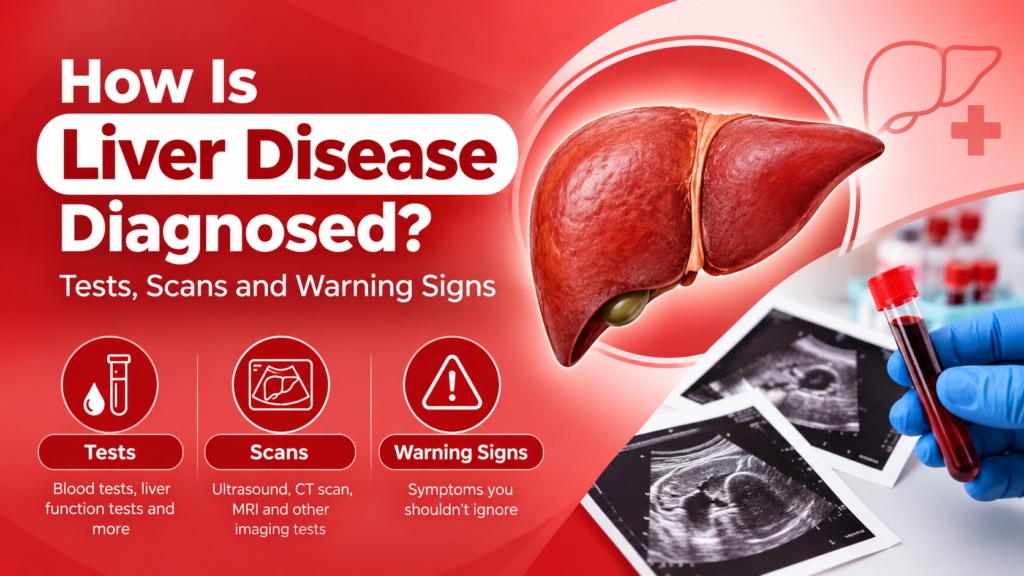
How Is Liver Disease Diagnosed?
Diagnosis of liver disease is made using a combination of medical history, physical examination, laboratory and imaging tests.
Depending on the patient’s symptoms and medical history, doctors may prescribe liver function tests, hepatitis screenings, abdominal ultrasound, CT scans, MRI, or specialized tests.
In some cases, a liver biopsy might be needed if other tests fail to give sufficient information.
There is no single test that can detect all liver diseases. The results are interpreted by the doctor in conjunction with other doctors to understand what is going on and whether more investigation is needed.
What Are the Early Signs of Liver Disease?
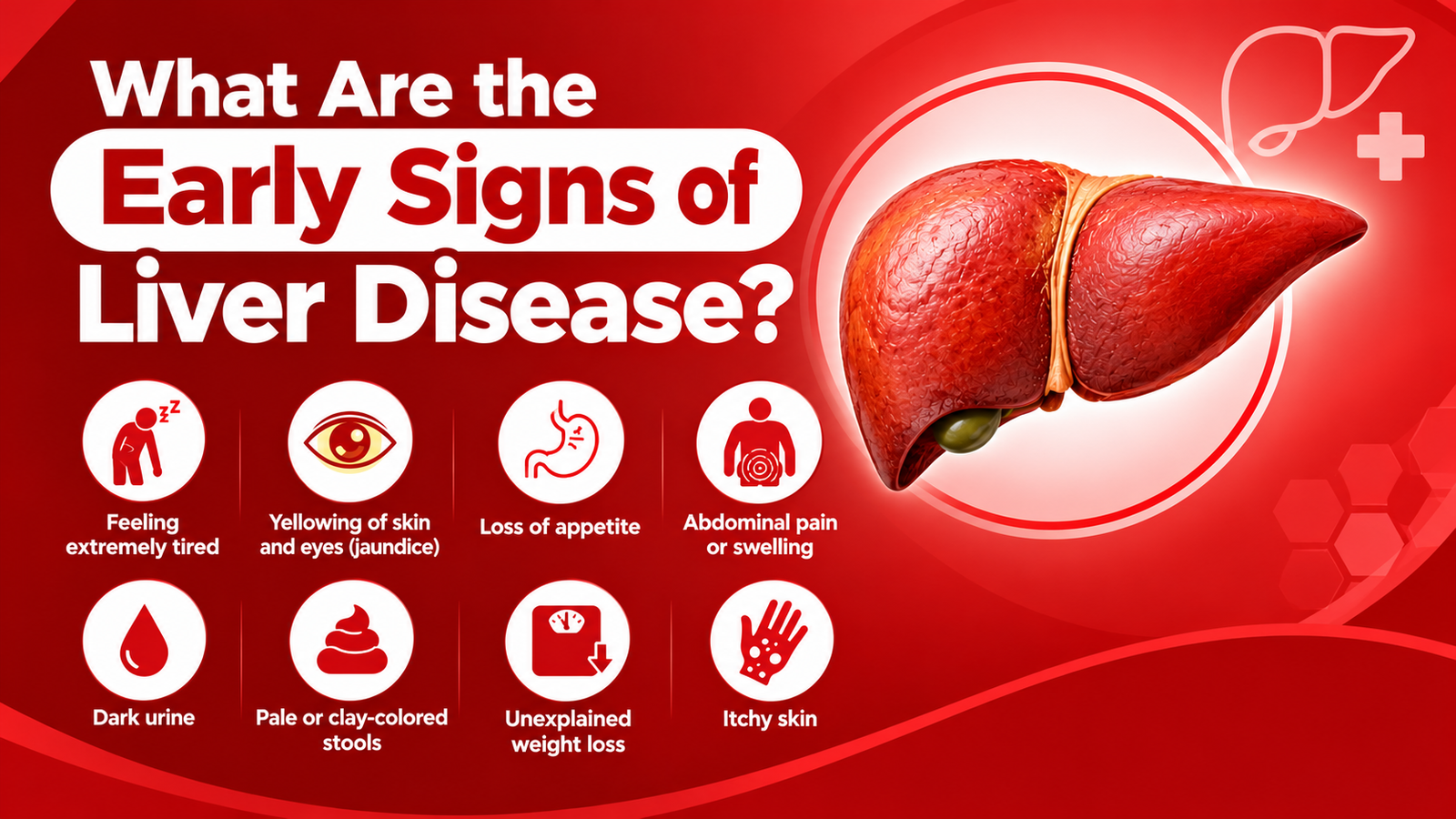
During the early stages of liver disease, there are no obvious symptoms.
Patients may be completely normal until routine blood tests show abnormal levels of liver enzymes or other abnormalities.
Symptoms may be:
- Fatigue or weakness that goes on.
- Pain in the right upper abdomen
- Jaundice (yellowing of the skin and eyes)
- Dark urine
- Pale or unusually light coloured stools
- Loss of appetite or feeling sick to their stomach (nausea)
- Unexplained weight changes
- An itchy rash that is not caused by skin disease.An itchy rash where there is no skin disease present.
- An increase in belly or leg size.
These symptoms may be related to liver disease, but could also be due to other medical issues. No, just because they are there doesn’t mean that a person has a liver disorder.
If symptoms do not resolve, if they worsen, or if they develop in conjunction with abnormal blood test results, patients should seek medical evaluation.
When to get urgent medical attention?
Some symptoms do not need to be seen in a normal clinic setting, but instead need immediate medical evaluation.
If you have any of the following symptoms, please get immediate medical attention:
- New confusion, unusual drowsiness, or trouble staying awake
- Vomiting blood
- Black, tarry stools (gastrointestinal bleeding)
- Very severe abdominal pain with fever.
- Rapidly developing yellowing of the skin or eyes
- Large abdomen with difficulty breathing
These symptoms can be a sign of a serious medical condition and should not be disregarded.
Step 1: Medical History and Physical Examination
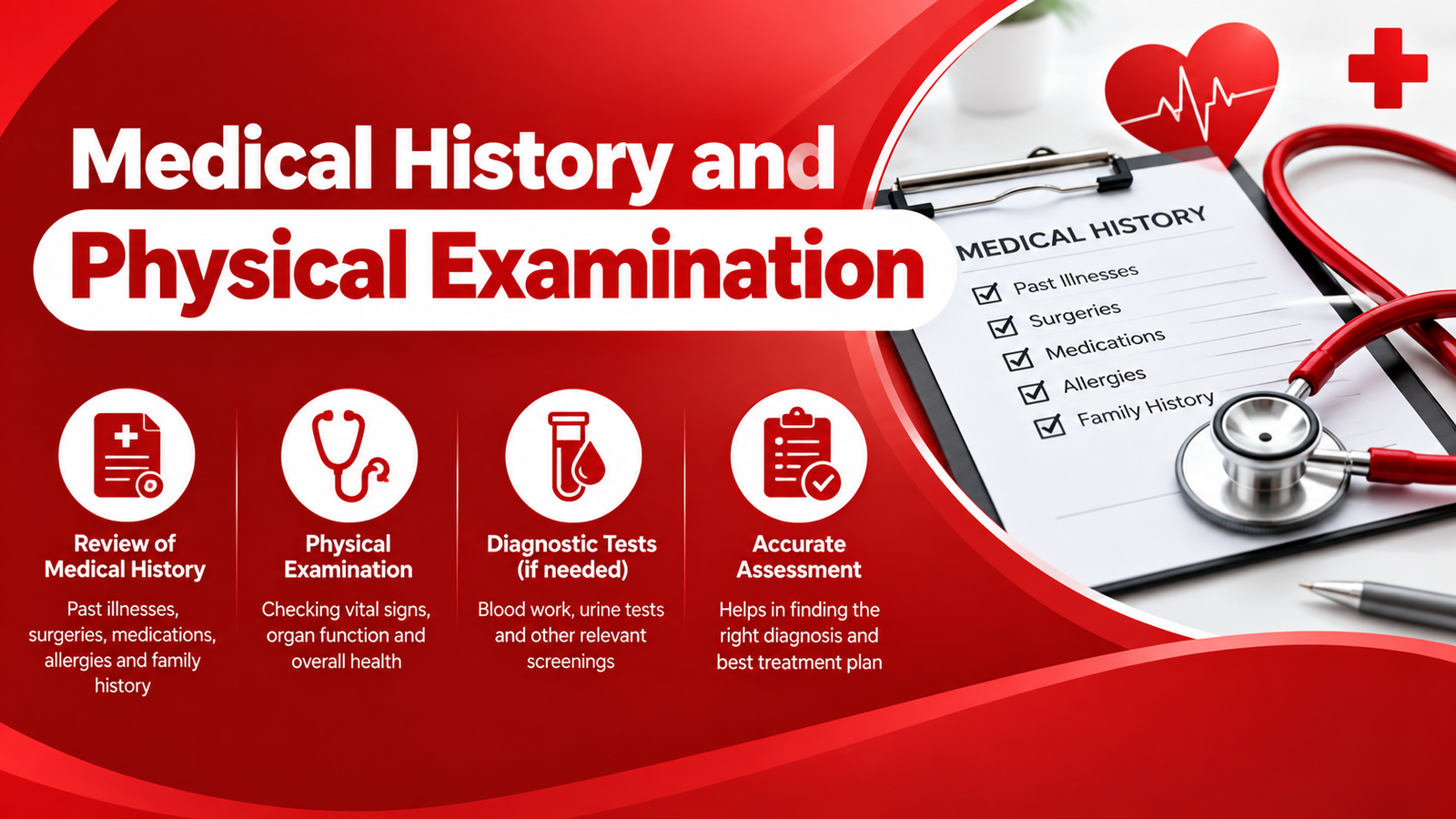
Typically, the diagnostic process starts with a consultation. A doctor will ask questions about symptoms, medical history, lifestyle, and risk factors before ordering tests.
This information will be useful for deciding which liver conditions may require further testing.
What does the doctor ask for information about?
A medical specialist will ask about:
- The length of time and the intensity of symptoms
- A history of liver disease or hepatitis.
- The use of existing drugs and dietary supplements
- If available, information about alcohol consumption
- Diabetes, obesity, or high cholesterol
- A family history of liver disease.
- Blood tests or imaging (X-rays, CT or MRI) reports from the past
- Exposure to hepatitis viruses (A, B, C) may occur.
- Recent illnesses/medical interventions
It is important that patients give a complete list of their medicines and supplements, as some may affect the liver.
How is the Physical Examination Performed?
The doctor may feel for tenderness in the abdomen, enlargement of the liver, or fluid in the abdomen during the examination.
The doctor might also check for jaundice, swelling of the legs or any other symptoms that are indicative of further liver damage.
While a physical exam can be helpful in making a diagnosis, it cannot pinpoint all types of liver disease. Lab tests and imaging still may be needed.
Step 2: Liver Function Tests and Blood Tests
One of the common tests used to evaluate possible liver disease is a blood test. They can help detect patterns of liver injury, give information on liver function, and assist in investigating particular causes.
There are, however, no rules that a person will necessarily have a serious liver problem if the results are abnormal. The results should be considered in relation to symptoms, medical history and other investigations.
Liver Function Tests: What are they?
Blood tests that are used in liver function tests usually measure the levels of enzymes and proteins in the blood.
Blood Test | What It Helps Assess |
ALT | An enzyme that may increase when liver cells are damaged |
AST | An enzyme that may rise with liver injury and certain other conditions |
ALP | An enzyme that can increase with bile duct problems and some other conditions |
Bilirubin | A substance processed by the liver; increased levels may cause jaundice |
Albumin | A protein produced by the liver that can provide information about its synthetic function |
PT/INR | A measure of blood clotting that can help assess liver function in appropriate clinical settings |
Blood clotting time measurement that may be useful in evaluating liver function in certain clinical situations
A complete blood count may also be ordered to monitor the platelet count and other blood components.
These tests offer various kinds of information. For instance, a high ALT and AST level can indicate liver cell damage, and abnormal levels of albumin or PT/INR may help determine if the liver has lost some of its functions.
Normal liver enzyme levels do not completely rule out chronic liver disease. Further tests may be required if the risk factors or symptoms are still worrisome.
Are blood tests helpful to determine the cause of liver disease?
Several blood tests look into particular reasons instead of just liver enzymes.
Depending on the patient’s circumstances, a doctor may recommend:
- Hepatitis B screening
- Hepatitis C screening
- A blood sugar or HbA1c test
- Good for cholesterol and triglyceride tests.Appropriate for cholesterol and triglyceride testing.
- Investigations for autoimmune liver diseases
- Iron studies for iron overload – Check blood iron levels in individuals who are at risk of iron overload.
- Other specific tests that are ordered if a specific condition is suspected
All of these tests are not needed for every patient. Depending on the clinical evaluation, the choice is made.
Step 3: Ultrasound for Liver Disease
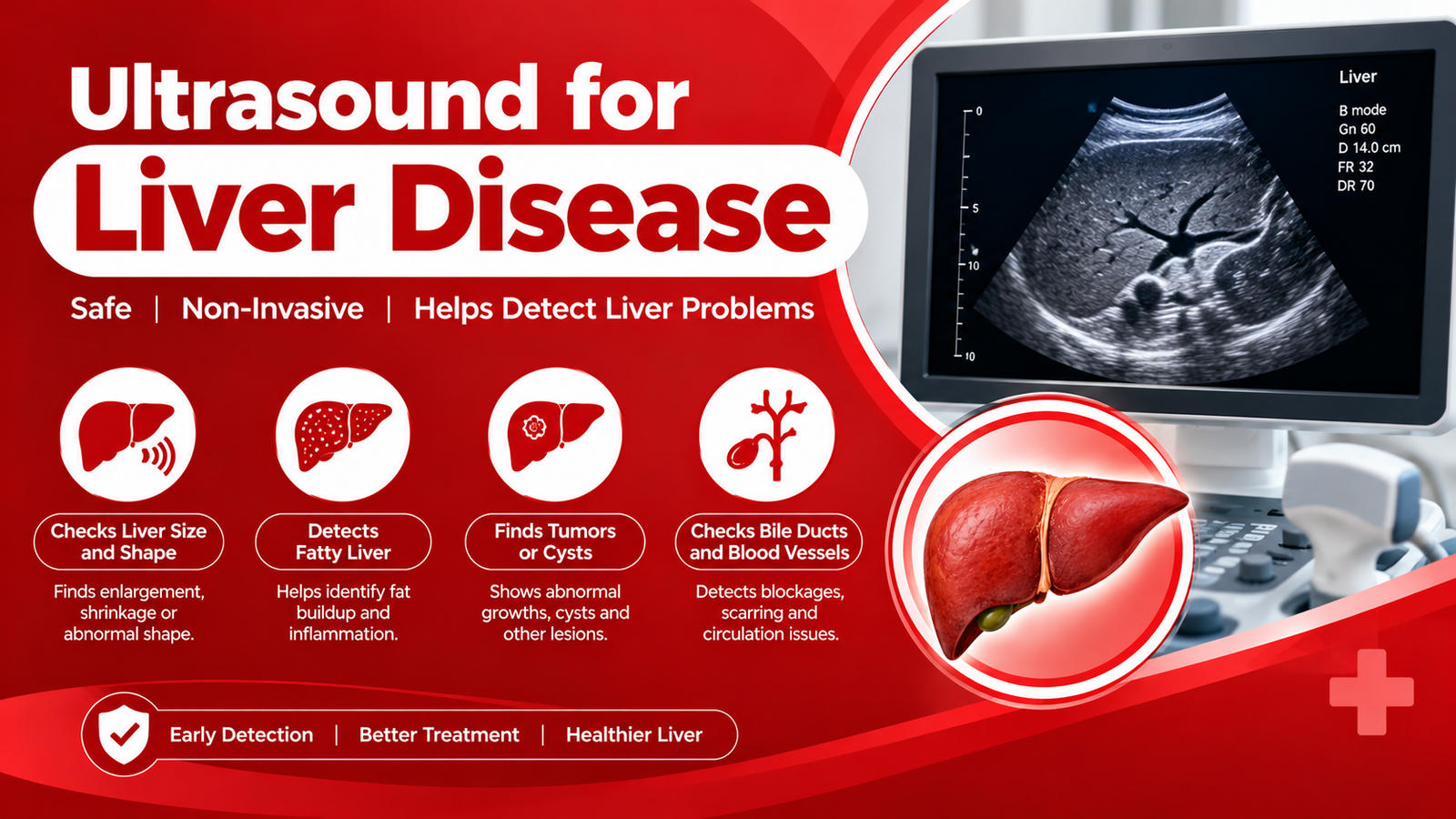
A common imaging test of the liver is an abdominal ultrasound. It is based on the production of images of the internal organs, without the use of ionizing radiation.
An ultrasound might be recommended if your blood work is abnormal, if you have symptoms of the abdomen, or if you suspect fatty liver disease or other structural disease.
What can an Ultrasound of the liver tell you?
An ultrasound can be used to help determine:
- Changes in liver size:
- When fat builds up in the liver.
- Some liver masses or lesions
- Bile duct enlargement
- Abdominal ascites is an accumulation of fluid in the abdomen.
- The following are the signs of chronic liver disease.
- Any gallbladder or related issues
The procedure of ultrasound is usually not painful and does not involve an incision.
It does have some drawbacks, however. It may not reliably identify mild fatty changes or early liver fibrosis, and it is not a useful marker to help identify the cause of all abnormalities. The results might require additional blood tests or other tests.
Is Ultrasound the only option to diagnose fatty liver disease?
However, ultrasound may suggest the presence of fatty liver but may not be a comprehensive assessment in all cases.
Information from doctors may be used to decide if further tests are needed, including information about the risk factors, liver enzymes, and metabolic factors.
If there is concern about scarring (fibrosis) of the liver, a specialist may order a fibrosis assessment in addition to a typical ultrasound.
Step 4: CT Scan and MRI
Some patients need more detailed imaging after their initial evaluation. If the ultrasound findings are inconclusive, or if a certain liver disorder needs further evaluation, a doctor might suggest a CT scan or MRI.
CT Scan of the Liver
Computed tomography (CT) is a radiographic imaging technique that utilizes X-rays and a computer to produce detailed cross-sectional images.
A CT scan might be used to help doctors explore:
- This is caused by masses or tumours of the liver.
- Some cirrhosis side effects
- Abdominal abnormalities
- Blood vessel changes
- Abdominal pain may be caused by
Images might be enhanced with the use of contrast material. The medical team should be informed of previous contrast reactions, kidney issues, pregnancy, and other pertinent medical issues.
MRI of the Liver
Magnetic resonance imaging (MRI) is an imaging technique that uses powerful magnetic fields and radio waves to create detailed images of the inside of the body.
MRI is useful in evaluating liver lesions, measuring the level of fat in the liver, assessing some blood vessels, and examining other abnormalities depending on the type of examination.
Some MRI methods are also useful for evaluating the properties of liver iron or other tissue.
Depending on the condition suspected, the information existing and medical situation of the patient, the choice of ultrasound, CT or MRI is made.
Step 5: Fibrosis Assessment and Elastography
Liver fibrosis is liver damage that develops as a result of repeated injuries that result in the formation of scar tissue. In some people, they may develop cirrhosis due to advanced fibrosis, but some people may not develop cirrhosis even if they have advanced fibrosis.
Doctors can use non-invasive techniques to try and estimate the risk of more serious fibrosis.
Liver Elastography – What It Is?
Elastography is a technique that uses imaging to measure tissue hardness. Some types employ ultrasound technology; some use MRI.
Elastography can be used in some patients to estimate how much liver scarring there is, without having to take a tissue sample.
It is suggested for those who suffer from fatty liver disease, chronic hepatitis, or any disease that can lead to fibrosis.
Is it possible to replace liver biopsy with elastography?
Elastography can decrease the need for biopsy in certain instances, but not all.
Factors like active inflammation, congestion, or other clinical conditions may affect results. If the results are not clear and/or if there is a mismatch with the patient’s clinical situation, further investigations may be suggested.
Step 6: Liver Biopsy
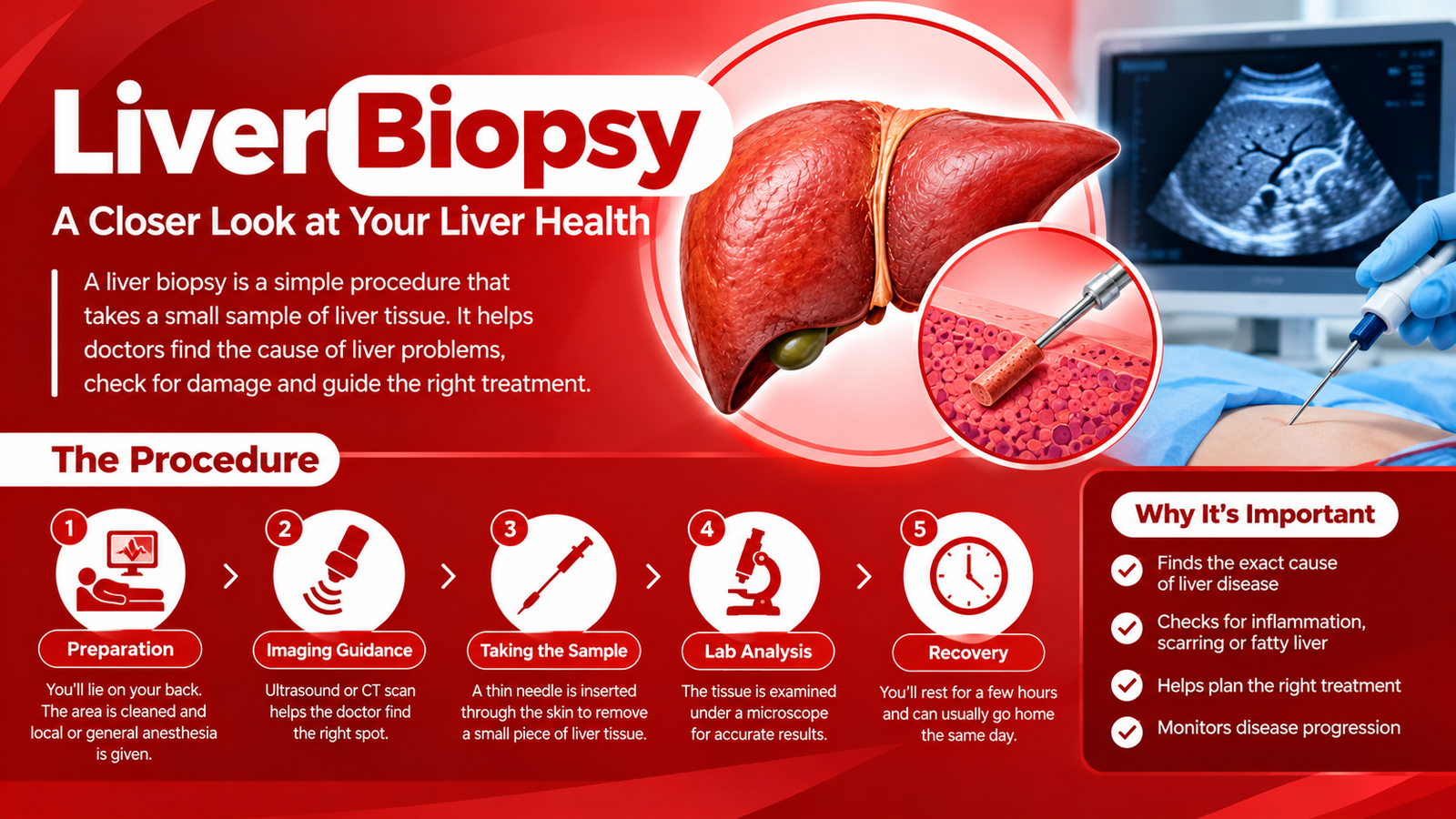
Liver biopsy is the removal of small pieces of liver tissue to be examined in a laboratory using a microscope.
Biopsies may be recommended if other tests do not clearly diagnose the liver condition, if the doctor wants to be sure that a particular liver condition is not another type, or if the doctor needs more detailed information about tissue damage or inflammation.
How is a liver biopsy done?
A biopsy is done in many cases by inserting a thin needle through the skin into the liver under the proper medical supervision.
The procedure may require ultrasound or other imaging modalities to aid the clinician in choosing a sampling site.The sample is then sent to a specialist to diagnose the tissue.
Biopsy can sometimes help determine some inflammatory diseases and the extent of liver damage and the type of scarring. It is a procedure that does not need to be performed on every patient who has liver disease, but it is an invasive procedure.
Will a Liver Biopsy be Harmful?
A liver biopsy is usually done following an evaluation of the patient’s health and any risk of bleeding. Transient discomfort may be experienced, and more severe complications such as bleeding can occur.
Pre-procedure education is conducted by the medical team and includes advantages, risks, preparatory steps, and follow-up information.
Patients should talk to their health care professional about blood-thinning drugs and other medications. Do not put off scheduled medications without being directed to do so.
How Do Doctors Diagnose Different Types of Liver Disease?
The investigations will be based on the suspected condition. Because the symptoms of various liver disorders are similar, physicians rely on a combination of clinical exam and lab results.
Fatty Liver Disease
Fatty liver disease is characterized by fat build-up within liver cells. It has been linked to a range of metabolic risk factors, including obesity, type 2 diabetes, and abnormal blood lipids, but other factors might be involved.
Diagnosis may involve:
- A thorough history of the patient’s medical condition and risk factors assessment.Thorough medical history and assessment of risk factors.
- Liver blood tests
- Abdominal ultrasound or other imaging techniques
- Fibrosis risk assessment
- Elastography when appropriate
A doctor may conduct other tests to determine the risk for inflammation or severe scarring.
Hepatitis
Hepatitis is the medical term for “liver inflammation.” It can be caused by viral infections, autoimmune disorders, some drugs, alcohol, or other.
Liver blood tests and other specific tests depending on the suspected cause may be part of the diagnostic process.
Blood tests are required for certain diseases, such as hepatitis B and hepatitis C. Other types of hepatitis might require different investigations.
It is important to determine the cause because the management and follow-up vary among the conditions.
Cirrhosis
Cirrhosis is the end result of scarring the liver. It can develop as a consequence of chronic liver damage due to various reasons.
A physician can diagnose cirrhosis by reviewing a patient’s medical records, conducting blood tests, performing an imaging scan, a physical exam, and evaluating a patient’s liver fibrosis.
Additional tests may be required to assess for complications and to try to identify the underlying cause. Sometimes, a biopsy is recommended but not always needed.
Specialist monitoring may be required for patients with suspected and/or confirmed cirrhosis.
Liver Tumours
If a liver lesion is detected on imaging, further tests may be required to identify the type of liver lesion.
Depending on the lesion’s appearance and patient’s risk factors, a doctor may recommend contrast-enhanced CT, MRI, selected blood tests or other procedures.
Not all liver lesions are cancerous. Diagnosis is based on the overall clinical picture and, in some selected cases, the examination of the tissues.
Who Is at Higher Risk of Liver Disease?
Certain medical conditions, metabolic problems, or risk factors may increase some people’s risk of liver disease.
These include individuals with the following experience:
- Diabetes or insulin resistance.
- Obesity or excess fat in the abdomen
- High blood cholesterol or high blood triglycerides
- If the person has chronic hepatitis B or hepatitis C
- Family history of some liver diseases
- Exposure for a prolonged period of time that may cause liver damage.
- Some autoimmune or inherited diseases
- A history of heavy drinking.
Liver disease does not always occur if you have one or more risk factors. A healthcare professional will be able to decide if screening or diagnostic testing is needed.
How Should You Prepare for Liver Disease Tests?
Preparation varies according to the test.
Before your appointment, you might want to try the following:
- Provide any previous blood tests and imaging reports.
- Make a list of medications, vitamins and supplements.
- Inform the doctor if you have any other illnesses.
- Discuss the onset and change of your symptoms.
- Whether to fast prior to blood tests or imaging.
- Observe the instructions from the diagnostic place.
There are some blood tests that need to be performed while fasting and some that don’t need to be performed while fasting. The type of preparation that is used for ultrasound may vary by the organs being studied.
If you are to undergo an MRI scan, a CT scan, or biopsy, follow the instructions given by your healthcare team.
Avoid changing medications or starting a restricted diet without your doctor’s advice.
Why Early Diagnosis of Liver Disease Matters
If liver damage is diagnosed early, physicians can determine the cause of liver damage, the severity of the damage, and whether treatment is necessary or monitoring should be done.
If the cause is treated, some liver diseases can be treated successfully. For instance, control of metabolic risk factors may be required, anti-viral drugs may be prescribed for some viral infections, or an adjustment in a medicine may be necessary under medical supervision if it is causing liver damage.
Monitoring is also important in more advanced disease as complications can arise even if the disease is limited.
Early evaluation also aids in ruling out liver disease from other causes that may present with abdominal pain, tiredness, jaundice or abnormal blood tests.
Patients should not delay medical assessment just because they don’t feel pain. There are many liver diseases that may develop without any apparent symptoms.
How to Choose a Liver Specialist in Karachi
If you’re searching for a liver specialist in Karachi, you should take into account the doctor’s relevant qualifications, clinical experience, and the doctor’s capacity to examine the liver condition.
A competent specialist can examine symptoms, interpret tests, suggest further tests, and explain what to expect in subsequent care.
Here are some things to take into account when choosing a healthcare provider:
- Have the appropriate medical qualifications and specialized training
- An opportunity to review liver disease.
- Access to appropriate investigations in the laboratory and imaging.
- Explanations of test results and treatment options are clear.
- Appropriate follow-up and monitoring arrangements
- Desire to learn about diagnosis and treatment
Dr. Azizur Rehman is accessible via the information provided on drazizurrehman.com to explore options for consultation for medical evaluation in Karachi.
The right doctor is based on a patient’s symptoms, medical history, and the complexity of the suspected liver condition.