What Does a Liver Disease Doctor Treat?
A liver disease doctor assesses liver conditions, as the liver is an organ that filters out nutrients from the body, creates bile, aids in blood clotting, and is responsible for removing many substances from the body.
Liver disease can range from temporary inflammation to damage that may need medical checks on a regular basis.
A liver doctor can examine for hepatitis, fatty liver disease, cirrhosis, elevated blood liver enzymes, and other liver disease conditions depending upon their specialty and training.
Gastroenterology is one of the medical specialties that work with the liver, along with hepatology. Gastroenterologists diagnose and treat diseases of the digestive tract, the liver, and the biliary system.
Hepatologists are doctors who specialise in liver diseases and their consequences, although their training might not be the same as their field of work.
When Should You See a Liver Specialist?
If a health-care provider detects abnormal blood tests or an imaging scan reveals fatty liver, or symptoms may be present that could be a sign of a liver problem, an appointment may be necessary.
Individuals who have diabetes, obesity, viral hepatitis, or have a family history of liver disease may also want to talk to a health care professional about their risk.
Not all digestive ailments are a sign of liver disease. An accurate assessment will establish if the symptoms are liver-related or from another organ.
Common Liver Diseases and Their Causes
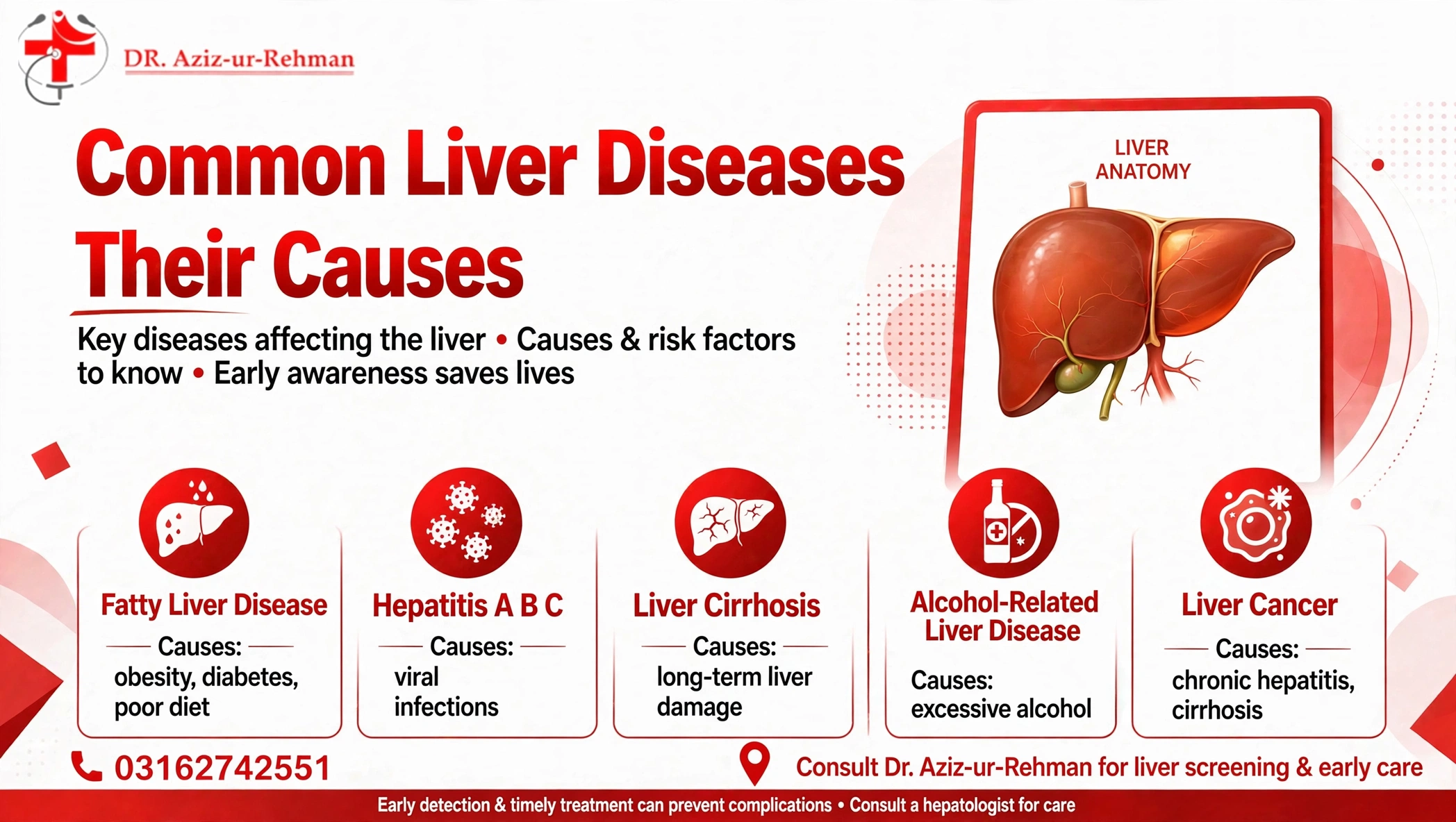
Liver disease can refer to a variety of conditions caused by different factors, and the symptoms and treatment vary.
Knowing what the condition is is important, as viral hepatitis is treated differently from fatty liver disease or advanced cirrhosis.
Fatty Liver Disease
Fatty liver disease is a process where there is an excess of fat in the liver cells. Excess body weight, insulin resistance, type 2 diabetes, abnormal blood fats, and metabolic dysfunction associated steatotic liver disease (MASLD), formerly known as nonalcoholic fatty liver disease (NAFLD), are all related to metabolic dysfunction associated steatotic liver disease.
Sometimes fatty liver does not produce any symptoms. Some patients find out when they have normal blood tests or when there is an echo performed.
The level of intervention required for management will depend on the severity and risk factors associated with the condition and may involve sustainable dietary changes, physical activity, weight management if appropriate, and treatment of any associated conditions.
Just because someone is fat, it does not mean that the liver has been permanently damaged.
Other patients, however, experience inflammation, scarring or more advanced disease and may require medical follow-up.
Hepatitis B and Hepatitis C
Hepatitis is an inflammation of the liver. Hepatitis B and C are viruses which can cause scarring of the liver (cirrhosis) and liver cancer if not treated correctly and adequately.
Hepatitis B may be transmitted via infected blood or other body fluids, such as during birth. Infection with Hepatitis C is primarily spread by exposure to infected blood.
These infections may be silent and may not be detected for several years, so it is crucial for individuals who have appropriate risk factors to be tested.
Treatment will vary according to the virus and the clinical condition. Antiviral treatment and regular monitoring might be needed in chronic hepatitis B, and direct-acting antiviral treatment may be able to cure hepatitis C. A certified practitioner will be able to decide on the testing and treatment option.
Cirrhosis
Cirrhosis is cirrhosis caused by long-term liver damage. Common causes are chronic viral hepatitis, alcohol related liver disease, and advanced fatty liver disease.
Early cirrhosis might not show any signs. As the disease advances, complications may occur such as fluid in the abdomen, swollen legs, bleeding, confusion, and loss of liver function.
Treatment is aimed at the underlying cause, prevention of further injury, surveillance for complications, and determination of the need for specialist care or liver transplantation evaluation.
Even if patients feel well, they may require ongoing medical care when they have cirrhosis.
Alcohol Related Liver Disease
Alcohol abuse can lead to fatty infiltration, inflammation and scarring in the liver. The extent of damage varies depending on a variety of factors such as alcohol consumption, other health issues, and susceptibility of the individual.
Generally, the management of this consists of dealing with alcohol consumption, evaluating liver damage, and the treatment of complications.
If patients are likely to be physically dependent or drink alcohol heavily, they should consult a medical professional before quitting abruptly as withdrawal may be hazardous.
Cystic fibrosis, hematozoon, and liver cirrhosis are other liver and biliary diseases.
Autoimmune liver diseases, inherited metabolic diseases, medication-related liver injury, and bile duct issues can also cause liver-associated symptoms.
Gallstones can block the flow of bile and occasionally lead to pain, jaundice, or infection.
These conditions might necessitate other tests and specialists, but it’s important for the clinician to consider the entire medical history, not just take a person’s liver issues for granted.
What Are the Warning Signs of Liver Disease?
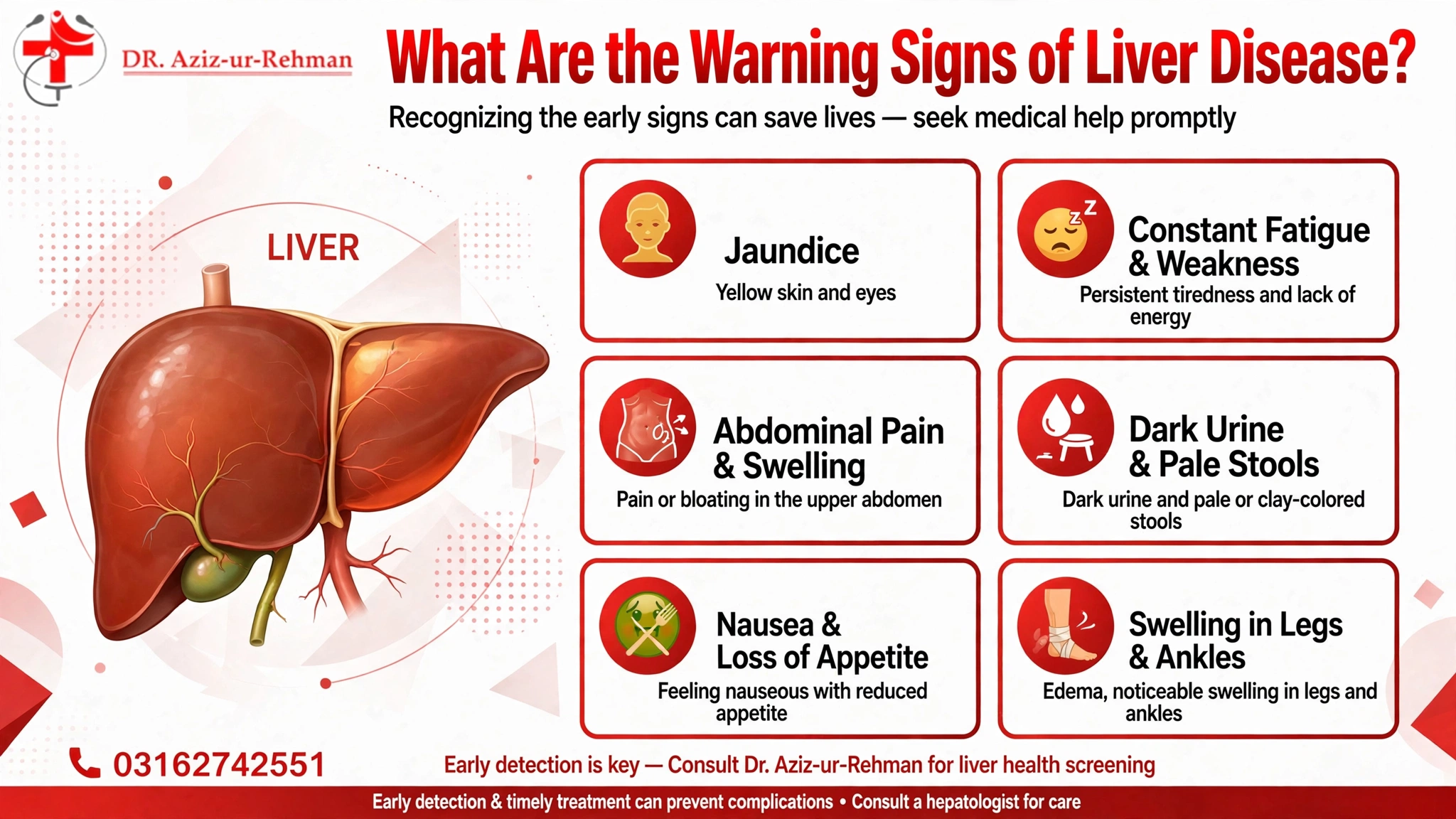
Liver disease can be asymptomatic, particularly in its early stages. Symptoms are tiredness, decreased appetite, nausea, upper right abdominal discomfort, or yellowing of the skin and eyes.
There are some symptoms that imply more serious issues and require immediate evaluation. If symptoms are severe or rapidly worsening, don’t wait for a routine appointment.
When it comes to reaping the benefits of any dose of marijuana, look out for these red flags:
- Yellow eyes or skin (especially sudden yellowing).
- Vomiting blood or black, tarry feces.
- New confusion, unusual sleepiness, or trouble sleeping.
- Abdominal pain that is bad or gets worse when it is there for a long time, or combined with fever or constant vomiting.
- Sudden bloating or trouble breathing.
Any confusion, vomiting blood, difficulty breathing, or other symptoms of serious illness are signs of an emergency situation. A liver specialist appointment should not delay emergency assessment.
How Is Liver Disease Diagnosed?
A liver disease specialist can diagnose the underlying cause of liver disease through medical history, physical exam, blood tests, imaging, and/or other liver tests.
A few tests may not be appropriate for all patients, and abnormal test results do not necessarily indicate advanced liver disease.
Blood tests determine liver function. Blood tests assess liver function.
Typical blood tests may include levels of two enzymes, alanine aminotransferase (ALT) and aspartate aminotransferase (AST), that can help identify liver cell damage.
Other tests may measure bilirubin, alkaline phosphatase, albumin, and blood clotting. The complete blood count can also provide clues to chronic liver disease.
Depending on what the condition is suspected of being, a clinician may ask for tests for hepatitis B or C, blood sugar, cholesterol, or tests for autoimmune or inherited disease.
The outcomes have to be understood in context. For example, the amount of liver enzymes does not always give an accurate indication of the amount of scarring in the liver, and normal liver enzyme levels do not rule out all important liver diseases.
Ultrasound and Other Imaging
Abdominal ultrasound can be used to detect fatty changes of the liver, structural abnormalities, fluid in the abdomen, and some of the bile duct issues.
If further imaging is recommended, it might be either a CT scan, MRI scan or a specialized elastography.
Elastography measures the liver’s stiffness and can aid in determining fibrosis (scars).
Liver biopsy should be considered in selected patients in which other tests have failed to provide adequate information and/or in which the examination of tissue may alter management.
The information you will need during your appointment.
Take old laboratory reports, ultrasound or scan results, a list of medicines and supplements taken, and information about any medical conditions.
Provide information about any family history of the condition, and any previous tests or treatment for hepatitis.
If applicable, it’s important to be honest about drinking alcohol, as this information can influence diagnosis and treatment.
Do not discontinue taking medicines that have been prescribed by a doctor just because you think it may affect the liver, but consult a qualified clinician to determine if you need to modify your medicines.
Liver Disease Treatment Options
No one solution fits all liver diseases. Treatment will vary depending on the cause, the extent of the injury, complications, and the overall health of the patient.
When fatty liver disease is linked to metabolic risk factors, treatment may include slow weight loss (if appropriate), regular exercise, a healthy diet, and diabetes or cholesterol management. The plan should be feasible and sustainable in the long term.
Treatment for viral hepatitis is dependent upon the infection. Management of hepatitis C usually includes a prescription for a direct-acting antiviral drug, and management of hepatitis B may involve monitoring, antiviral treatment, or both.
This will be determined based on the clinical evaluation and pertinent laboratory data.
In autoimmune or medication-induced liver disease, more specialized medications may be used and/or discontinuation or substitution of a causative drug under medical supervision may be warranted.
Cirrhosis must be cared for and watched for complications like fluid buildup, bleeding, and liver cancer.
Unproven herbal products or liver detoxification products should not be used. Other supplements may lead to liver damage or react with certain medications.
Do not use liver cleansing or repair products without consulting a health care provider.
How to Choose a Liver Disease Doctor in Karachi
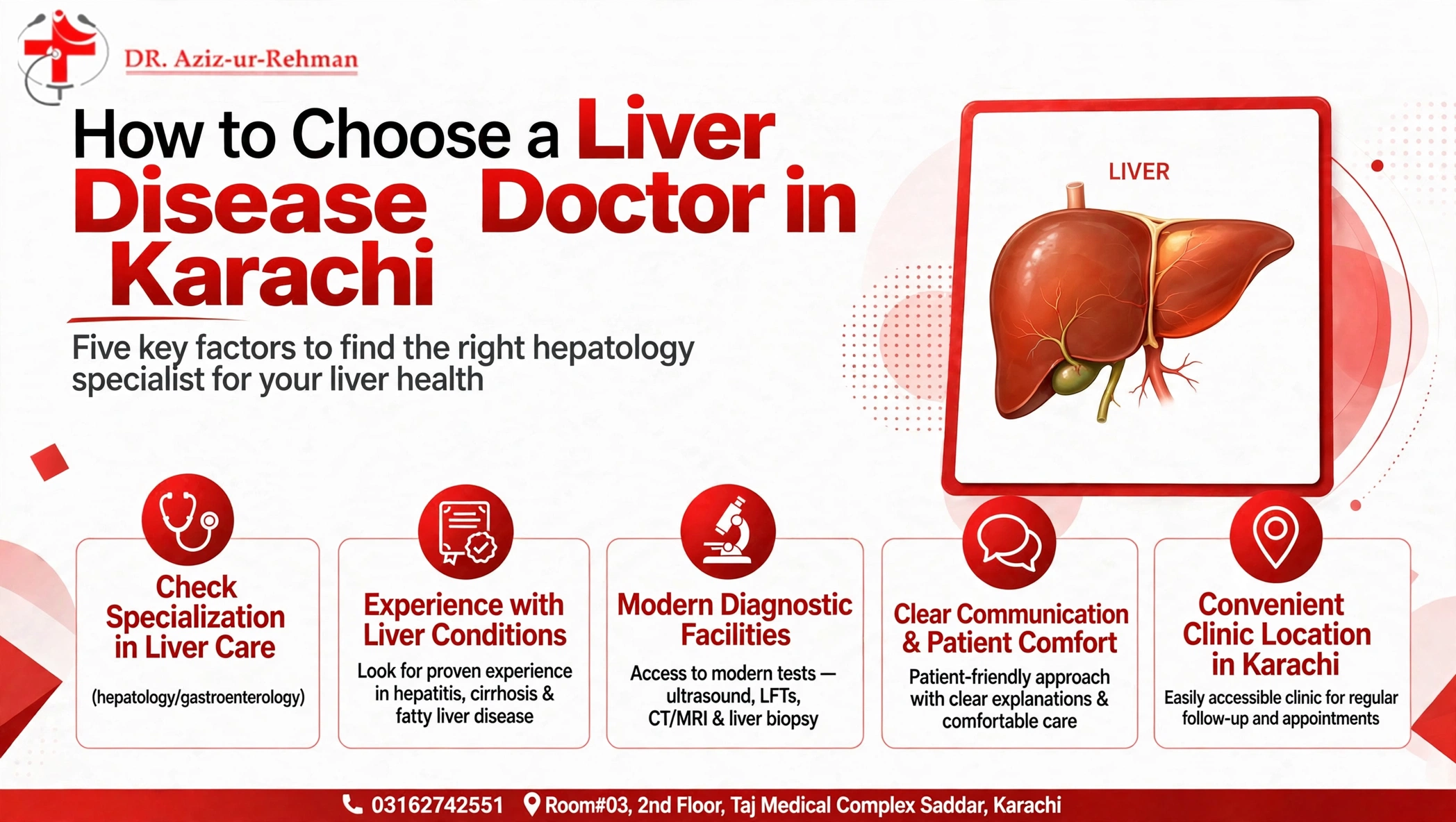
Selecting a liver specialist is not a simple task of finding just a doctor that has a good rank on the internet.
Patients should take into account training, experience with the condition, availability of diagnostic services, communication, and follow-up arrangements.
If you’re having chronic hepatitis, cirrhosis, an unexplained liver condition, or complex liver disease, you may need to see a hepatologist.
Many patients may also be appropriate for a gastroenterologist who has appropriate liver care experience. If there is another disease associated with a liver disorder, the doctor might refer the patient to an endocrinologist, infectious disease specialist, surgeon, or another professional to take care of the other disease.
As you do your research for Dr Aziz Ur Rehman in Karachi, check the specialty he’s focused on, his qualifications, clinic address, availability for consultation, and whether he treats the specific liver disease that you are looking for treatment for.
Relevant details should be verified via a trusted and reliable professional or clinic source before an appointment.
The following comparison can help you decide which type of professional to contact.
Medical professional | Main role | When they may be appropriate |
Hepatologist | Focuses on liver diseases and their complications | Chronic hepatitis, cirrhosis, complex liver conditions |
Gastroenterologist | Treats digestive system conditions, including many liver disorders | Liver test abnormalities and liver problems alongside digestive symptoms |
General physician | Provides initial assessment and coordinates care | First evaluation of symptoms or abnormal blood tests |
Liver transplant team | Evaluates and manages selected patients with advanced liver failure | When transplantation assessment may be needed |
Availability of specialties and services varies by clinic. Confirm the doctor’s scope of practice and referral options before booking.
Preparing for a Liver Specialist Appointment
With a bit of preparation, you can make your consultation more productive.
Record the onset of symptoms (when they started), if they have changed, and if you have observed any changes in the amount of urine, stool, abdomen, and/or body weight.
Make an abbreviated list of questions that will include: What does the test result indicate? What other tests are required?
Does treatment need to be given immediately? How often will follow-up be necessary? Discuss the need for immediate medical care in the presence of certain symptoms.
Bring copies of any diabetes, high blood pressure, high cholesterol, or other long-term condition reports. These conditions can impact liver function and could affect treatment.
How Can You Help Protect Your Liver?
While some liver diseases are not preventable, there are steps you can take to reduce the risk of some liver injury and to manage liver disease.
Eat a well-balanced diet, exercise regularly, and maintain a healthy weight for your situation.
Take diabetes and cholesterol medications as directed, avoid or restrict alcohol intake as directed, and do not exceed recommended dosages of any medications. Avoid sharing needles or equipment that may be contaminated with blood.
Talk to a health care worker about hepatitis B immunizations, hepatitis screening, and prevention. Prevention and testing are important as there is currently no approved vaccine for Hepatitis C.
Even if symptoms go away, continue to follow your plan of care from your clinician if you already have liver disease. There are some conditions that can continue without causing discomfort, and early follow-up can help detect complications.