
What Is a Colonoscopy?
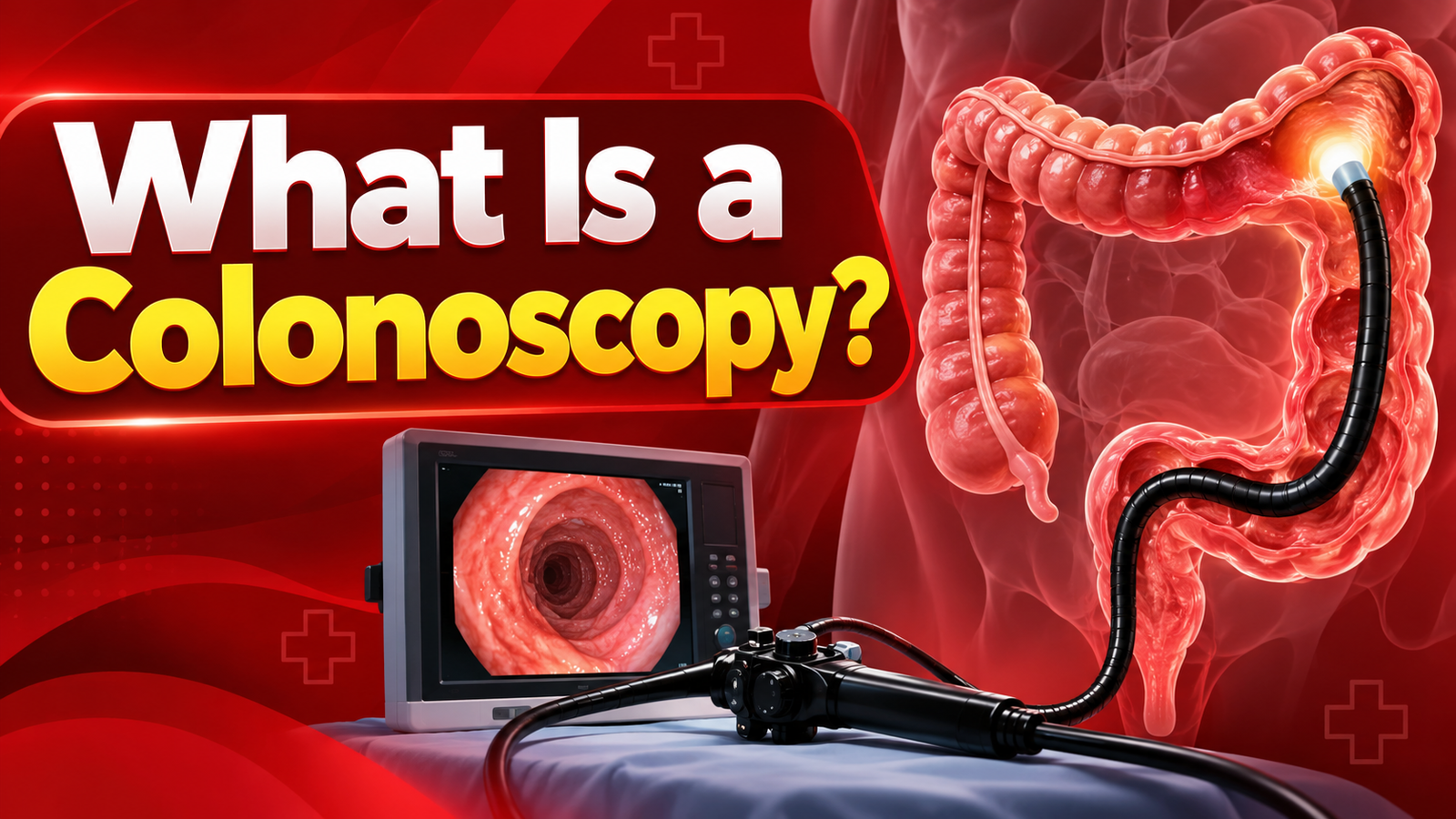
A colonoscopy is a medical procedure used to examine the inside lining of the colon and rectum.
During the procedure, a doctor uses a thin, flexible tube called a colonoscope. A small camera at the tip sends images to a screen. If needed, the doctor can take a small tissue sample called a biopsy or remove certain polyps during the procedure.
This makes colonoscopy useful for both diagnosis and treatment.
For example, a doctor may use it to:
- Investigate unexplained bowel symptoms
- Look for colon polyps
- Investigate rectal bleeding
- Check for colorectal cancer
- Take biopsies
- Monitor inflammatory bowel disease
- Follow up after previous polyps or colorectal cancer
- Investigate an abnormal result from another test
The procedure does not mean that a person has cancer. In many cases, colonoscopy is performed to find the cause of symptoms or to prevent problems by finding and removing precancerous polyps.
When Is a Colonoscopy Needed?
A colonoscopy may be needed for several different reasons. Some people have symptoms that need investigation, while others have no symptoms but need colorectal cancer screening because of their age or risk factors.
The main situations include screening, concerning symptoms, abnormal test results, previous polyps, family history, and certain bowel diseases.
1. When There Is Rectal Bleeding
Blood from the rectum should not always be assumed to be hemorrhoids.
Hemorrhoids and anal fissures can cause rectal bleeding, but bleeding can also occur with polyps, inflammatory bowel disease, diverticular disease, or colorectal cancer.
A doctor may recommend colonoscopy when the bleeding needs further investigation, especially when it is unexplained, persistent, or occurs with other symptoms.
The appearance of blood can also vary. It may be bright red, dark, or mixed with stool. Black, tar-like stool can also indicate bleeding higher in the digestive tract and needs medical evaluation.
2. When Bowel Habits Change for a Long Time
A temporary change in bowel habits is common. Diet, stress, infection, medicines, and changes in routine can all affect bowel movements.
However, persistent changes should be discussed with a doctor.
Examples include:
- Long-lasting diarrhea
- New or persistent constipation
- Alternating diarrhea and constipation
- A noticeable change in stool shape
- Feeling that the bowel does not empty completely
Colonoscopy may help a doctor look for conditions affecting the colon when symptoms are persistent or concerning.
3. When There Is Unexplained Iron Deficiency Anemia
Iron deficiency anemia means the body does not have enough iron to make healthy red blood cells.
In some adults, especially when there is no clear reason for the anemia, doctors may investigate the digestive tract for hidden bleeding.
A colonoscopy can help identify possible causes in the colon, including polyps, inflammation, or other abnormalities.
This does not mean anemia automatically means cancer. There are many possible causes of iron deficiency. The important point is that unexplained anemia may require investigation rather than simply taking iron without finding the cause.
4. When There Is Unexplained Weight Loss
Losing weight without trying can have many causes.
It may be related to diet, stress, thyroid problems, infection, digestive disorders, or other medical conditions. In some cases, digestive tract problems need to be ruled out.
If unexplained weight loss occurs along with abdominal pain, bleeding, persistent bowel changes, anemia, or other concerning symptoms, a doctor may consider colonoscopy as part of the evaluation.
5. When There Is Persistent Abdominal Pain
Not every person with abdominal pain needs a colonoscopy.
Gas, indigestion, constipation, infections, food intolerance, and many other conditions can cause abdominal discomfort.
However, persistent or unexplained abdominal pain may require further testing, particularly when it occurs with bowel changes, bleeding, anemia, weight loss, or other warning signs.
A colonoscopy is one possible investigation. The doctor may choose blood tests, stool tests, ultrasound, CT imaging, endoscopy, or another test depending on the symptoms.
6. For Colorectal Cancer Screening
One of the most important reasons for colonoscopy is colorectal cancer screening.
Screening is different from diagnostic testing.
Diagnostic colonoscopy:
A person has symptoms or an abnormal test and the doctor wants to find the cause.
Screening colonoscopy:
A person may have no symptoms but undergoes testing because of age or increased risk.
For average-risk adults, major international guidelines recommend colorectal cancer screening beginning at age 45. Colonoscopy is one screening option, although it is not the only one.
The USPSTF recommends colorectal cancer screening for adults aged 45 to 75. For adults aged 76 to 85, screening should be individualized based on factors such as overall health, previous screening, and personal preferences.
Screening recommendations can differ between countries and medical organizations. People in Pakistan should discuss the appropriate starting age and screening method with their doctor, especially if they have additional risk factors.
Who May Need Earlier Colonoscopy?
Age is only one factor.
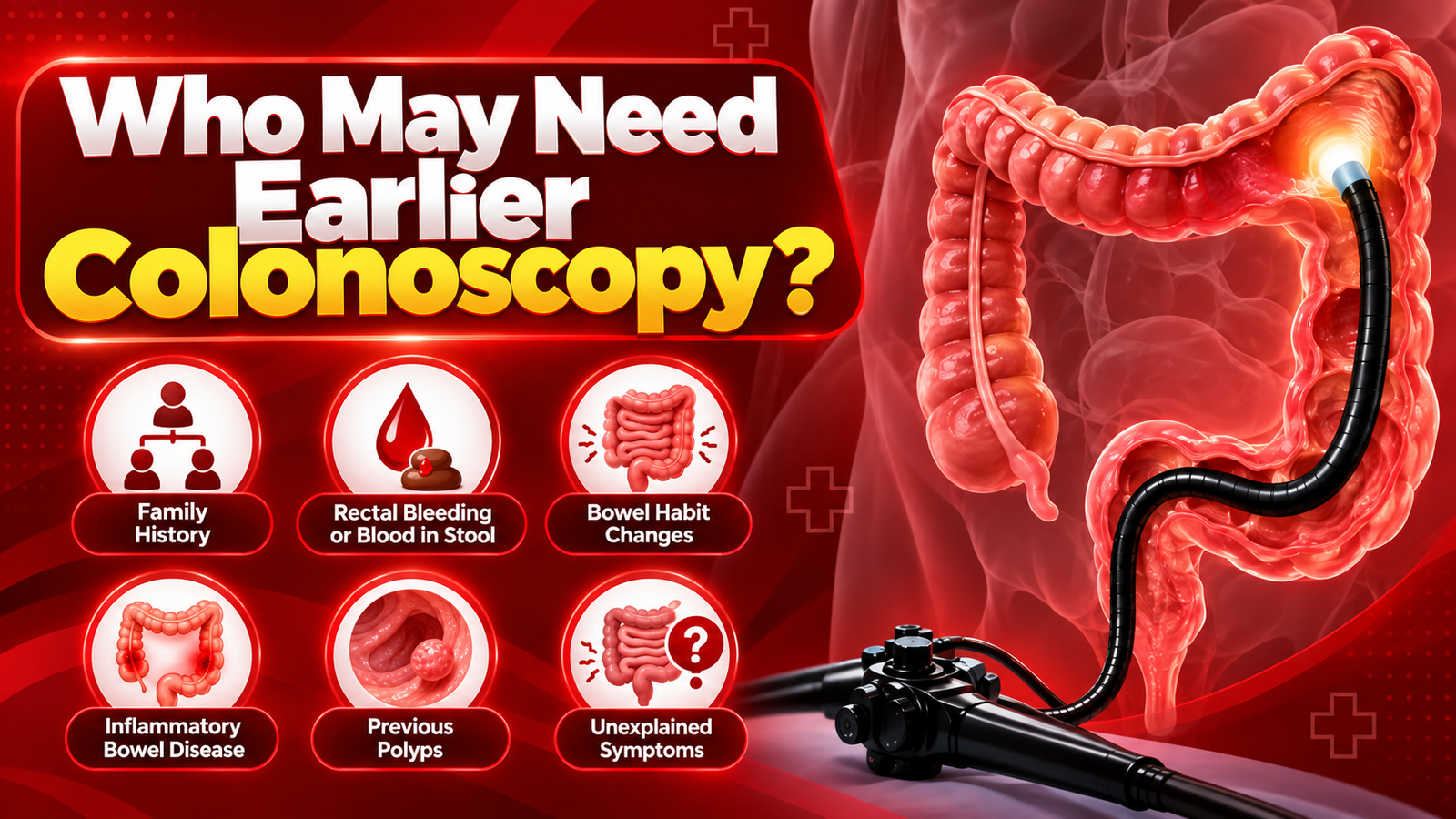
A person may need earlier or more frequent evaluation when they have a higher risk of colorectal disease.
Important factors can include:
- A close family member with colorectal cancer
- A personal history of colorectal polyps
- A previous history of colorectal cancer
- Certain inherited conditions
- Long-standing inflammatory bowel disease
- Previous abnormal colorectal screening results
Family history is particularly important. If a close relative developed colorectal cancer at a young age, the doctor may recommend starting screening earlier than routine average-risk screening.
The exact timing depends on the person’s family history and the age at which the relative was diagnosed.
What Symptoms Should Not Be Ignored?
Some bowel symptoms are common and harmless, but persistent or unexplained symptoms deserve medical attention.
Key warning symptoms
- Blood in the stool or rectal bleeding
- Persistent changes in bowel habits
- Unexplained iron deficiency anemia
- Unexplained weight loss
- Ongoing abdominal pain or discomfort
- Persistent diarrhea
- New and unexplained constipation
- A feeling that the bowel does not empty completely
These symptoms do not automatically mean colorectal cancer. They can occur with many other conditions. But they should be assessed by a healthcare professional rather than ignored.
If bleeding is heavy, a person feels faint or weak, has severe abdominal pain, or develops other signs of serious illness, urgent medical care may be needed.
Colonoscopy for Previous Polyps
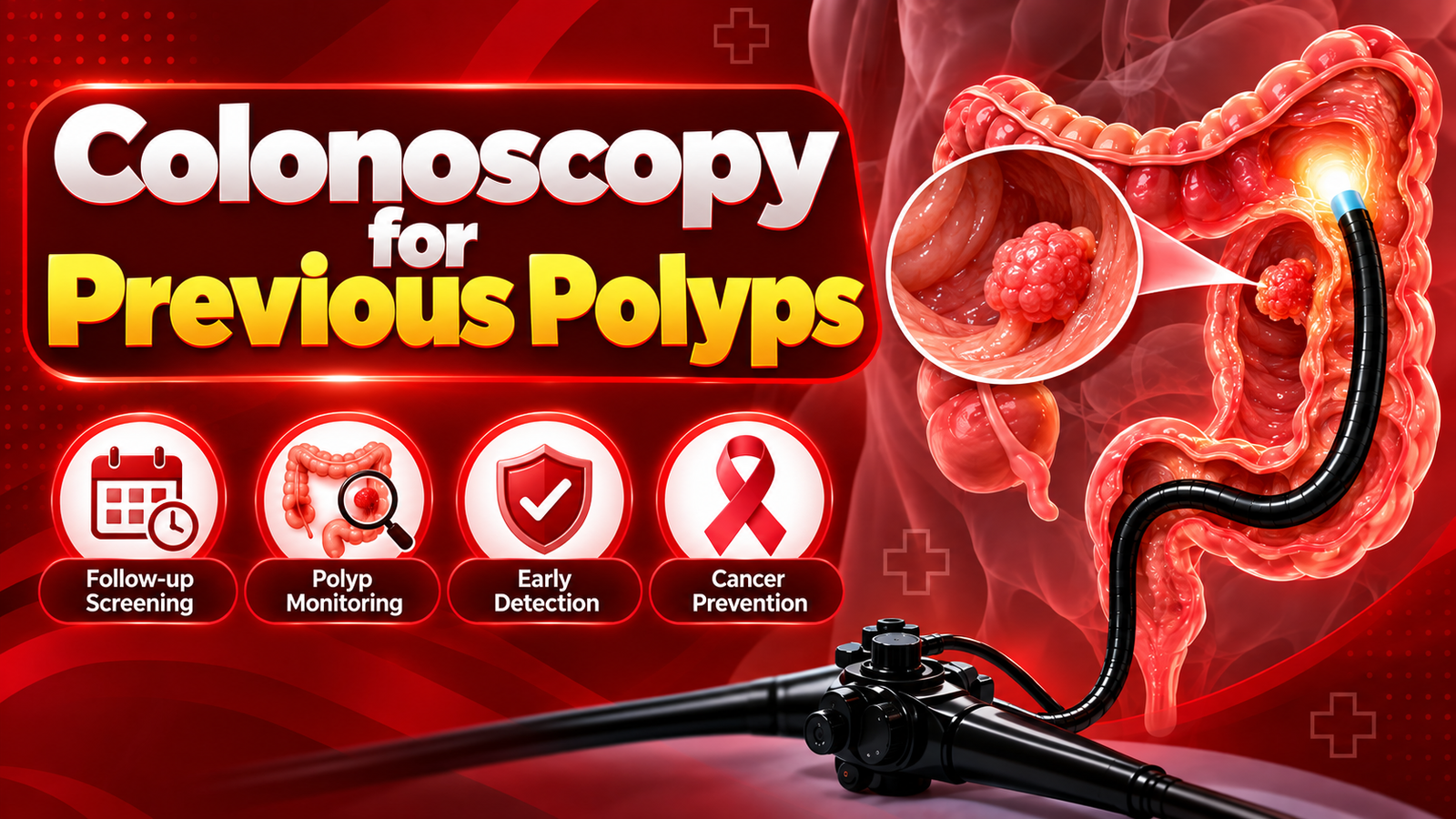
A previous colon polyp can affect future screening plans.
Some types of polyps can develop into colorectal cancer over time. During colonoscopy, doctors can often remove polyps before they cause serious problems.
After a polyp is removed, the next colonoscopy is not necessarily due after the same amount of time for everyone.
The follow-up interval depends on factors such as:
- Number of polyps
- Size of the polyps
- Type of polyp
- Whether the entire polyp was removed
- Quality of the previous colonoscopy
- Personal and family history
Your gastroenterologist should provide the appropriate follow-up schedule based on the pathology report and colonoscopy findings.
Colonoscopy for Inflammatory Bowel Disease
People with conditions such as ulcerative colitis or Crohn’s disease involving the colon may need colonoscopy for diagnosis, monitoring, or cancer surveillance.
Colonoscopy can allow the doctor to examine the bowel lining and take biopsies.
The frequency of follow-up depends on the type and duration of the disease, previous findings, and other risk factors.
It is therefore important for people with inflammatory bowel disease to follow the surveillance plan given by their gastroenterologist.
Colonoscopy After an Abnormal Test
Sometimes colonoscopy is recommended even when a person feels completely well.
For example, a stool-based colorectal cancer screening test may detect blood or other abnormalities. An abnormal screening result may require follow-up colonoscopy.
The purpose is to determine why the test was abnormal and to check for polyps, cancer, or other bowel conditions.
This is one reason why screening should not stop after an abnormal result. Follow-up is an important part of the screening process.
Screening Colonoscopy vs Diagnostic Colonoscopy
Feature | Screening Colonoscopy | Diagnostic Colonoscopy |
Main purpose | Check for colorectal cancer or precancerous changes | Find the cause of symptoms or an abnormal test |
Symptoms present | Usually no symptoms | Often symptoms or abnormal results are present |
Common reason | Age-based or risk-based screening | Bleeding, bowel changes, anemia, etc. |
Polyps can be removed | Yes | Yes |
Biopsy possible | Yes | Yes |
Follow-up | Depends on findings and risk | Depends on diagnosis and findings |
Understanding this difference can help patients know why their doctor has recommended the procedure.
How Is a Colonoscopy Performed?
Before the procedure, the colon must be cleaned so the doctor can clearly see the bowel lining.
The preparation usually involves dietary instructions and a bowel-cleansing medicine. The exact instructions vary by clinic and patient.
During the colonoscopy, the patient is usually given medication for comfort or sedation according to the clinical setting.
The colonoscope is then carefully passed through the rectum into the colon.
The doctor examines the bowel lining. If a polyp is found, it may be removed. If an area looks unusual, a biopsy may be taken.
The tissue is then examined in a laboratory when necessary.
How Should You Prepare for a Colonoscopy?

Good bowel preparation is very important because stool left inside the colon can make it harder to see small polyps or other abnormalities.
Important preparation steps
- Follow the food and drink instructions given by the clinic.
- Take the bowel preparation exactly as instructed.
- Tell the doctor about all medicines and supplements you use.
- Tell the doctor if you take blood thinners or medicines that affect blood clotting.
- Follow instructions about diabetes medicines if applicable.
- Arrange transportation if sedation is used.
- Ask what you should do if you cannot complete the bowel preparation.
Do not change prescription medicines on your own. Your doctor should tell you whether any medicine needs to be adjusted before the procedure.
Is Colonoscopy Painful?
People experience colonoscopy differently.
Sedation or other medication may be used to improve comfort. Some people may notice pressure, cramping, or bloating during or after the procedure.
The level of discomfort can depend on several factors, including the bowel preparation, the individual’s anatomy, the procedure itself, and the sedation used.
If you are worried about discomfort, discuss your concerns with your gastroenterologist before the procedure.
Are There Risks of Colonoscopy?
Colonoscopy is generally considered a useful and established procedure, but like any medical procedure, it has potential risks.
Possible complications include bleeding, particularly after removal of a polyp, and rarely a tear or perforation of the colon. The risk can vary based on the procedure, the patient’s health, age, and whether treatment such as polyp removal is performed.
The doctor should explain the expected benefits and risks before the procedure.
After colonoscopy, seek medical advice if you develop severe abdominal pain, heavy bleeding, persistent vomiting, fever, or other concerning symptoms.
Is Colonoscopy the Only Test for Colon Cancer Screening?
No.
Colonoscopy is one of several colorectal cancer screening options. Depending on the patient’s risk and circumstances, screening may also involve stool-based tests, CT colonography, or flexible sigmoidoscopy.
The right option depends on factors such as:
- Age
- Family history
- Personal medical history
- Previous screening
- Symptoms
- Test availability
- Patient preferences
- The doctor’s assessment
A person with symptoms should not assume that a home stool test is enough. Diagnostic testing may be needed when symptoms require investigation.
When Should You Talk to a Gastroenterologist?
You should consider speaking with a gastroenterologist when bowel symptoms are persistent, unexplained, or associated with warning signs.
A gastroenterologist can review your history, perform an examination, order appropriate tests, and decide whether colonoscopy is needed.
In Karachi, Dr. Azizurrehman provides gastroenterology services that include endoscopy and colonoscopy. His clinic information describes colonoscopy as part of its gastroenterology services.
However, whether you personally need a colonoscopy should be decided after a medical assessment. A procedure should not be scheduled simply because one symptom appears on an online checklist.
What Questions Should You Ask Before Colonoscopy?
Before scheduling the procedure, patients can ask their doctor:
- Why do I need a colonoscopy?
- Is this for screening or to investigate a symptom?
- Are there other tests I should consider?
- How should I prepare?
- Which medicines should I continue or stop?
- Will sedation be used?
- When will I receive the results?
- Will a biopsy or polyp removal be possible during the procedure?
- When will I need another colonoscopy?
These questions can make the process clearer and help you understand what to expect.