What Is Liver Disease?
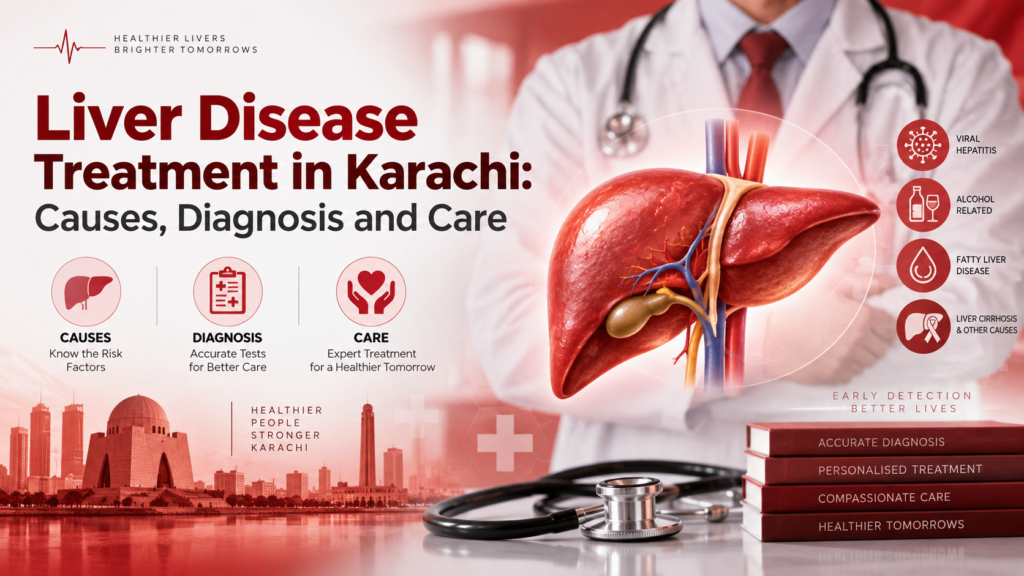
Liver disease is a group of conditions that affect the liver or cause liver abnormalities. The liver aids in the metabolism of food, digestion, elimination of waste products, and carries out a number of other metabolic activities.
Liver disease may be caused by viruses, fat, injury caused by alcohol, autoimmune diseases, inherited diseases, medicine or toxins, or other diseases.
Many liver diseases don’t have signs or symptoms.
Fatty liver or developing liver damage can exist in a person without any visible symptoms. Sometimes, abnormal blood test results or risk factors may trigger more testing even if a patient is feeling fine.
What Are the Common Types of Liver Disease?
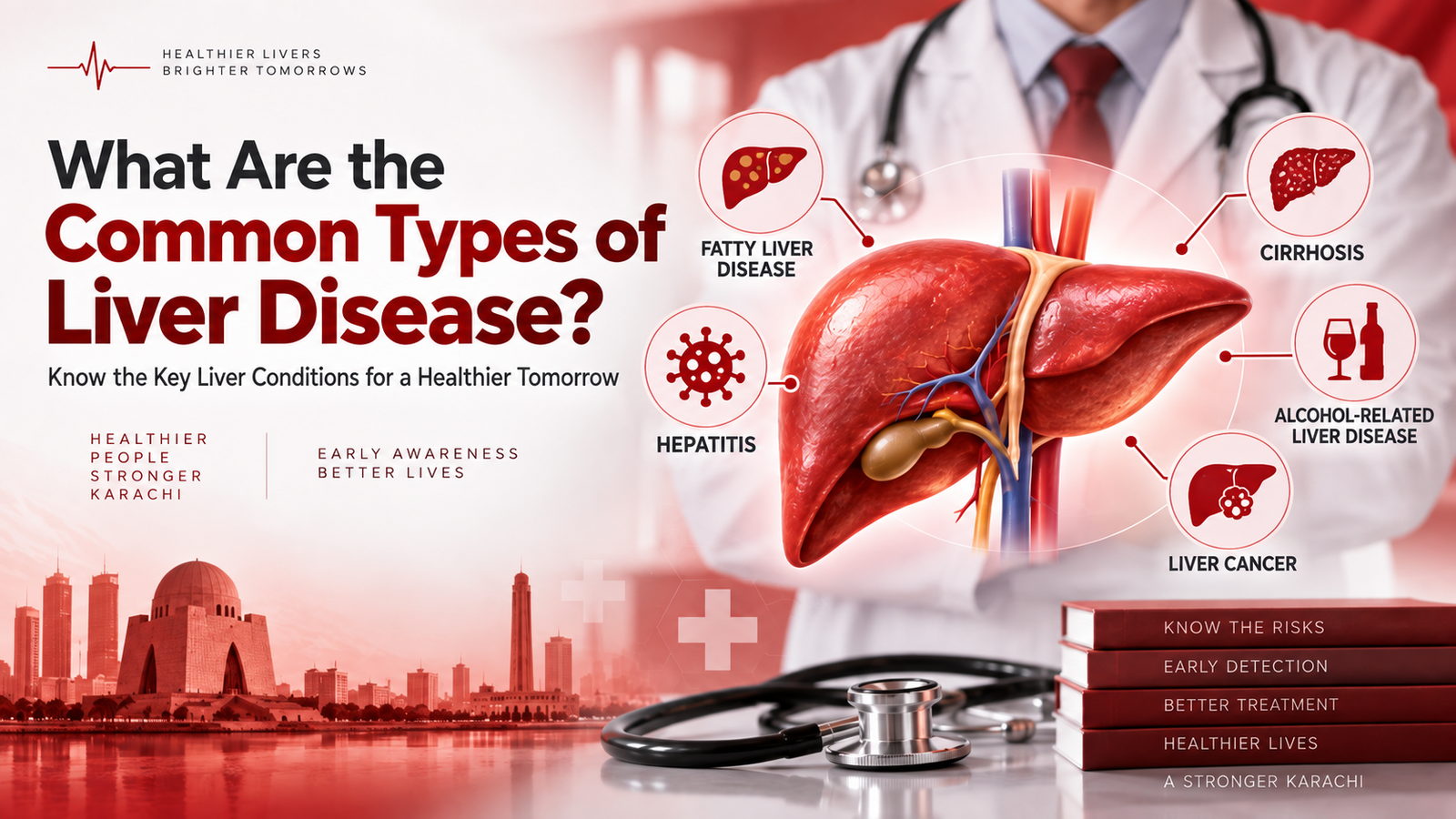
Liver disease is an umbrella term and not a diagnosis in itself. The treatment needs to rely on the condition present.
Fatty Liver Disease
Fatty liver is an accumulation of fat in the liver. MASH is usually a complicated condition that’s linked to overweight or obesity, type 2 diabetes, insulin resistance, and metabolic syndrome.
Early fatty liver may or may not have any symptoms. Slowly gaining or losing weight, exercising, using healthy foods, and treating other metabolic issues may play a significant role in care, if applicable.
Slow weight loss can help to decrease fatty liver and may also help to decrease inflammation and liver fibrosis in individuals with fatty liver disease, notes NIDDK.
Hepatitis B and Hepatitis C
Hepatitis B and C are viral diseases that can lead to long-term liver damage. There may be an increased risk of advanced liver disease and cirrhosis if the infection persists.
Treatment varies for every infection and should be based upon proper testing and medical evaluation. There are antiviral medications available for chronic hepatitis C; treatment for hepatitis B will depend on patient infection status, liver status, and other clinical considerations.
Cirrhosis
Chronic liver injury results in excessive scarring of the liver, which is called cirrhosis. The scar tissue in the liver takes the place of healthy liver tissue and can disrupt liver function.
Some of the most common causes are chronic viral hepatitis, metabolic fatty liver disease, and alcohol associated liver disease, but other diseases can cause cirrhosis.
Liver damage is a serious condition that needs medical monitoring, as complications may arise as the liver progressively becomes damaged.
Treatment is aimed at the cause and on preventing more damage and complications. If liver failure is advanced, the person might need liver transplant evaluation.
Other Liver Conditions
Other liver diseases are due to autoimmune hepatitis, inherited diseases like hemochromatosis and Wilson’s disease, bile duct diseases, some medications, and exposure to toxins.
These conditions may present in varying ways, so it is important to determine the cause of the condition when planning treatment.
What Symptoms Can Liver Disease Cause?
It is not always possible to tell that a person has liver disease in early stages. Symptoms may be different depending on the disease and its severity.
Possible symptoms include:
- Jaundice (skin or whites of the eyes turning yellow)
- Persistent tiredness
- Abdomen pain (abdominal distention)
- Leg or ankle swelling.
- Brown urine or white stool
- Itchy skin
- Loss of appetite or nausea
- Easy bruising
- Losing or gaining weight for no known reason
These symptoms can occur with any type of liver disease, and cannot be used to diagnose liver disease alone. If symptoms continue or are a concern, consult a health care provider.
How Is Liver Disease Diagnosed?
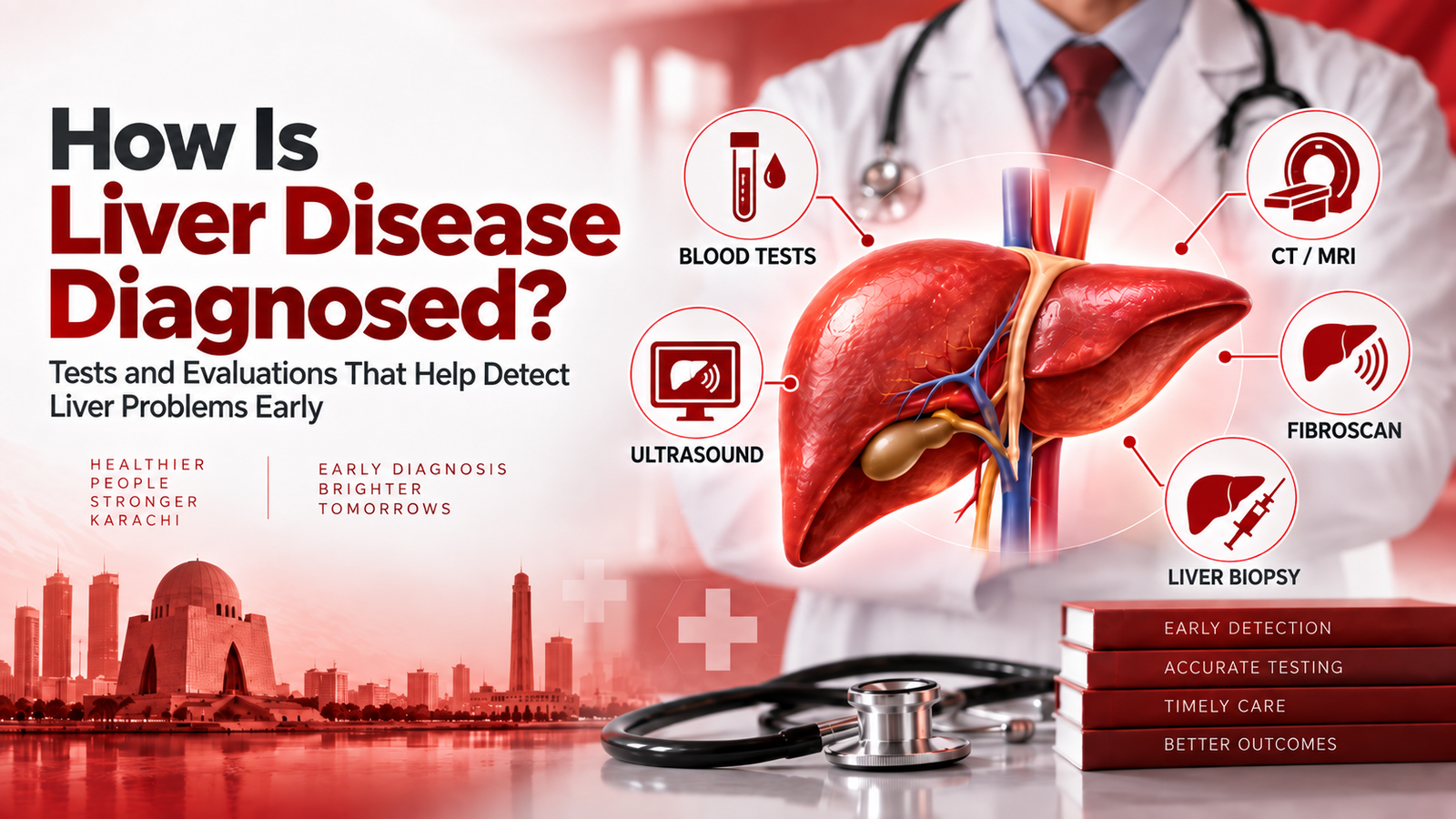
Diagnosis is often initiated by the medical history and physical exam. The doctor will ask about symptoms, medical conditions, medications, supplements, family history, alcohol use, and other risk factors for viral hepatitis.
A blood test and imaging then can help to determine liver damage and its potential cause. Further tests may be required in cases depending on the situation.
Liver Function and Blood Tests
Liver enzymes and other liver markers may be part of the blood tests to help evaluate liver function and health. Viral hepatitis, inflammation, blood disorders or other potential causes can also be studied with a test.
For instance, high ALT or AST levels may mean liver cells are damaged, but liver enzyme tests cannot diagnose any particular condition. These results are used in combination with other tests, medical history, examination and symptoms to diagnose the condition.
Ultrasound and Other Imaging
Ultrasound is frequently used for the liver and other tissues. In some cases, a physician may also order a CT scan, MRI, or elastography.
Elastography can measure liver stiffness and may aid in the evaluation of fibrosis or scarring. These tests can offer information that can’t be gleaned from blood tests exclusively.
Liver Biopsy
Liver biopsy is a procedure that removes a small piece of liver tissue to be examined. This step is not required for all patients, but might be considered if a test is not definitive or if the amount or cause of liver damage is unclear.
What Does Liver Disease Treatment in Karachi Usually Involve?
There is no single treatment that works for every liver disease. The appropriate plan depends on the diagnosis, stage of disease, other health conditions, and whether complications are present.
Liver condition | Common treatment focus | Important consideration |
Fatty liver | Weight management, physical activity, nutrition and management of metabolic conditions | Rapid weight loss should be avoided |
Hepatitis B | Medical assessment, monitoring and treatment when indicated | Long-term follow-up may be required |
Hepatitis C | Direct-acting antiviral treatment when appropriate | Testing confirms infection and guides treatment |
Cirrhosis | Treating the cause and managing complications | Advanced disease requires specialist monitoring |
Autoimmune liver disease | Specialist assessment and disease specific treatment | Treatment differs from viral or fatty liver disease |
Medication related injury | Identifying the responsible medicine or exposure with medical guidance | Do not stop prescribed medicines without discussing them with a clinician |
The table provides broad educational categories rather than a treatment plan for an individual patient. Actual management should be based on clinical evaluation.
How Is Fatty Liver Treated?
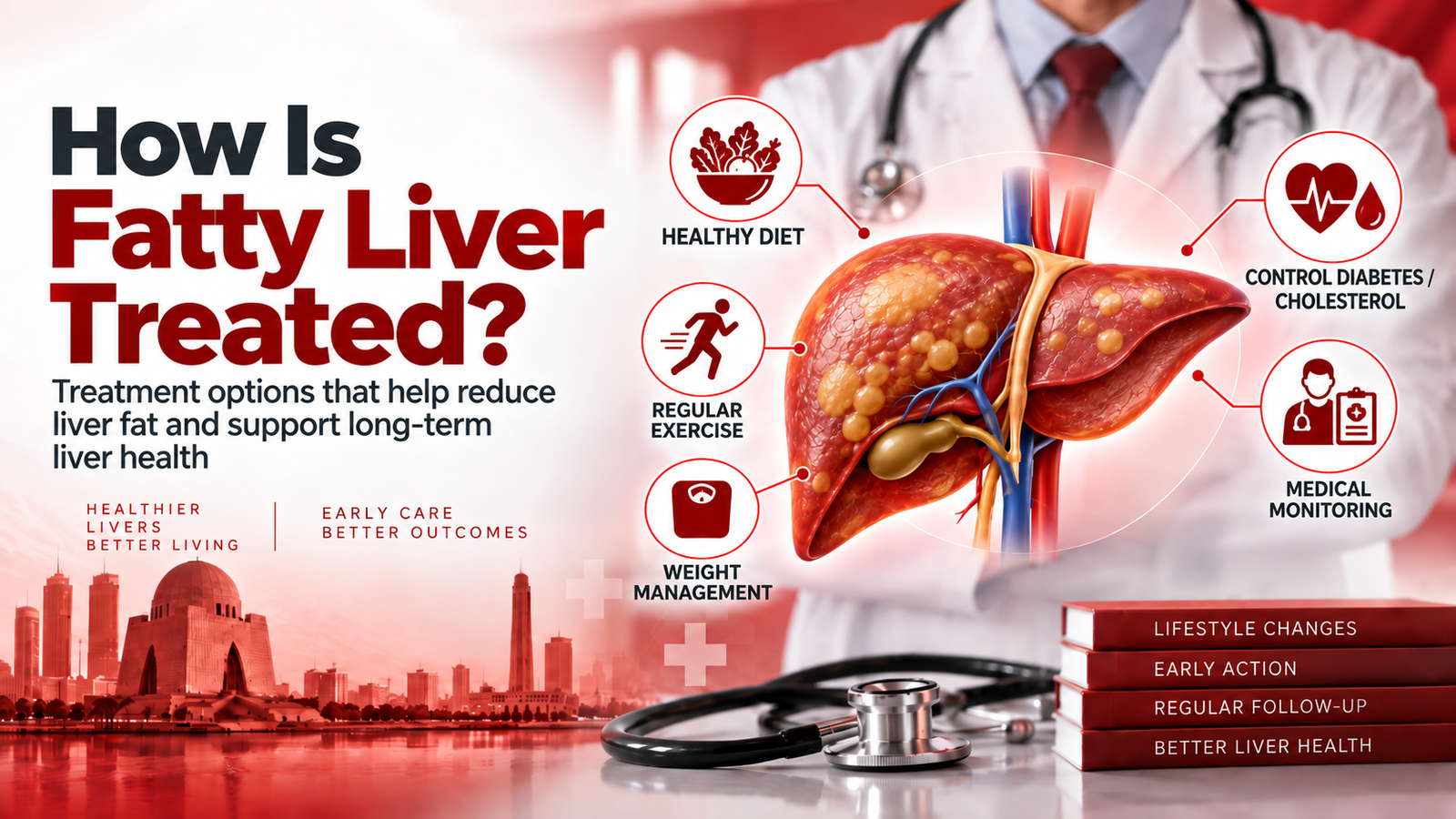
Treatment for fatty liver typically includes treatment of factors that cause fatty liver and liver inflammation. Slow weight loss can decrease liver fat for overweight and obese individuals. Exercise can also aid the health of the liver even if it’s not done with the goal of losing weight.
Treatment of diabetes, abnormal cholesterol and metabolic syndrome can also be part of the strategy. Any dietary changes need to be achievable and viable, not extreme.
Herbal products and supplements should also be avoided. Liver damage may occur with some supplements, and it’s best to talk to a health care provider before beginning to take liver supplements, especially if liver disease exists.
How Is Cirrhosis Managed?
Cirrhosis is not a disease that can be treated with one drug; it is severe scarring of the liver, as a result of some other liver disease. The goal of management is to treat the cause, minimize additional injury, and prevent or treat complications.
In certain patients, viral hepatitis treatment may help prevent chronic liver damage. In metabolic fatty liver disease, weight management with medical supervision might be useful to improve the activity of the disease. Avoiding alcohol entirely and getting medical care are necessary for the treatment of alcohol associated liver disease.
If cirrhosis is advanced and the liver is not functioning well, the specialist might consider liver transplantation.
What Can Patients Do to Protect Liver Health?
Medicines aren’t the only form of treatment. Our daily habits can also have an impact on the health of the liver, especially in the presence of metabolic risk factors and fatty liver.
Important considerations include:
Goal of healthy weight maintenance in a slow and steady manner, if it is medically appropriate.
Take care to exercise at your own level of fitness and health.
Follow your health care professional’s dietary recommendations.
Don’t take unnecessary medicines, lifestyle drugs, vitamins or herbal remedies, particularly “liver-cleansing” or “liver-detox” products.
Talk about drinking openly with your health care provider.
Keep any diabetes or abnormal cholesterol under control.
Do necessary testing and follow-up, rather than waiting for symptoms.
These steps are in addition to medical treatment. They are used in conjunction with condition-specific care if advised by a health care professional.
When Should You See a Liver Specialist in Karachi?
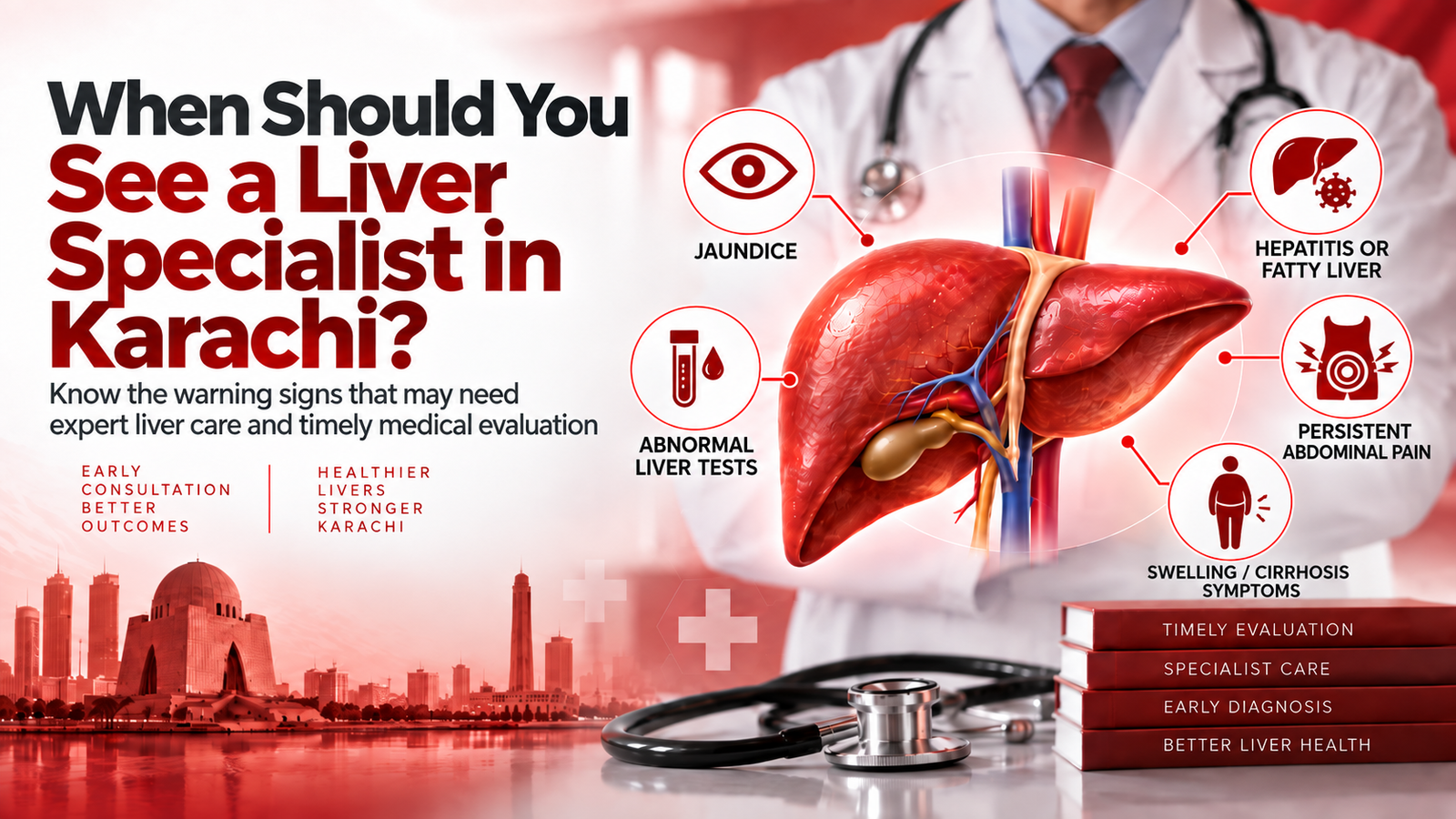
If symptoms last long, liver tests are abnormal on repeated occasions, you have a medical history of hepatitis, fatty liver, liver disease risk factors, possible cirrhosis, or a family history of some liver diseases, consider a medical evaluation.
The doctor with a special interest in gastrointestinal or liver disease can evaluate the likely cause and decide if further testing is needed. The type of specialist chosen may be related to the kind and severity of the liver issue.
Dr. Aziz ur Rehman is a doctor who also has a clinic in Karachi that provides liver and hepatitis treatment for liver diseases like hepatitis B, hepatitis C, fatty liver, and liver cirrhosis.
Do not depend on third-party claims, but refer to the published information on his clinic for current services and appointment details.
What Questions Should You Ask During a Liver Consultation?
It may be helpful to have a liver consultation when you know what the doctor is looking for. Patients might want to ask:
- What could be causing my liver problem?
- What blood tests should I get?
- Should I have an ultrasound, elastography, CT or MRI scan, or other testing?
- Am I having an inflammatory or scarring problem?
- Which lifestyle changes do I need to make?
- Should I be treated for Hepatitis or for any other medical problem?
- How often do I need to check my liver function?
- What medications, vitamins, and natural remedies should I stay away from?
Carry out previous laboratory and imaging reports and, if available, a list of medicines and supplements to the appointment. This can be helpful for the doctor to take a look at more efficiently.
What Are Warning Signs That Need Urgent Medical Attention?
Certain symptoms may be a warning sign of serious liver problems and shouldn’t be taken lightly.
Certain symptoms, such as severe abdominal pain, a large abdomen, vomiting blood, black or bloody stools, severe confusion, unusual sleepiness, or yellowing of the skin/eyes, may need immediate medical evaluation.
Cirrhosis may lead to severe complications such as fluid retention and bleeding, and can lead to liver failure in more chronic liver disease.
When symptoms are severe or are quickly coming on, do not put off getting routine medical care, but get emergency medical care instead.