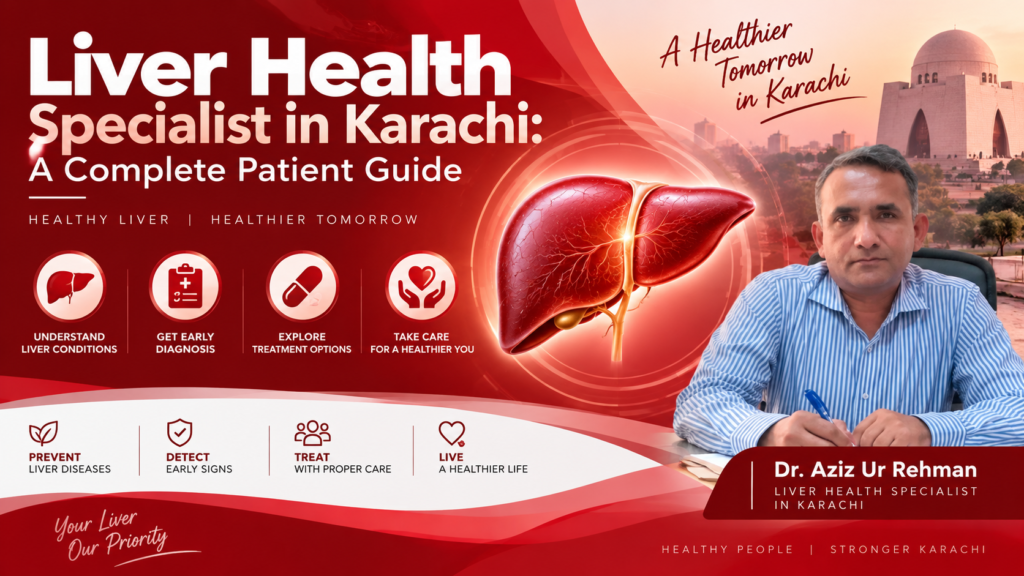
What Does a Liver Health Specialist Do?
A liver health expert assesses diseases of the liver, bile ducts, and digestive system.
Many liver diseases can be treated by a gastroenterologist, but a hepatologist specializes in liver and biliary diseases.
Typically, the evaluation will start with your symptoms, past medical history, medications, supplements, previous diagnosis, family history, and lifestyle.
A blood test and/or imaging tests may then be used to investigate the cause and severity of a liver problem.
The main point isn’t just to find an abnormal liver test! A specialist must be consulted to establish the cause of any abnormality and to check if there is any sign of inflammation, fat deposition, fibrosis, infection, obstruction, or other abnormality.
When Should You See a Liver Specialist in Karachi?
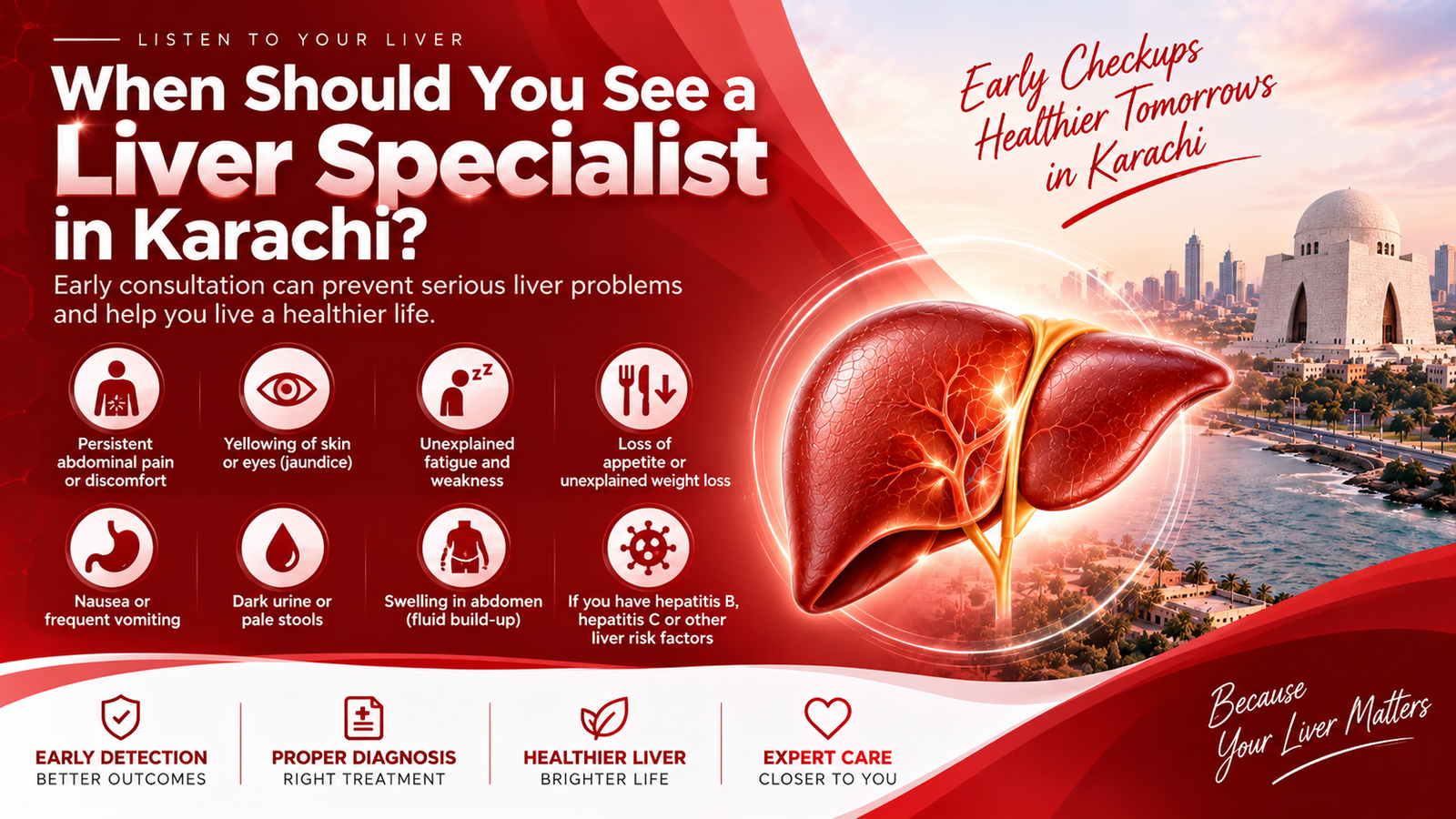
A liver health consultation might be indicated if symptoms persist, liver tests continue to be abnormal, or if there is an abnormal ultrasound, a history of hepatitis, fatty liver, liver fibrosis, cirrhosis, or other liver disease.
When abnormal liver enzymes or liver bilirubin are not known, a consultation may be beneficial.
An isolated abnormal level of liver enzymes doesn’t necessarily indicate a certain disease.
Liver diseases can have very subtle symptoms, and some can have none. Some people might experience no symptoms with fatty liver disease, for instance, or liver damage might not be noticed until cirrhosis has occurred.
There are several typical reasons to seek liver care. Liver care is sought for several reasons.
- Abnormal liver tests that do not go away, or that do not make sense
- FATTY LIVER DETECTED ON IMAGING
- Hepatitis B or C
- Jaundice (yellowing of eyes or skin)
- Unexplained liver enlargement
- Possible liver fibrosis or cirrhosis
- Recurrent abdominal pain with other liver abnormalities
- Abnormal increases in bilirubin or liver enzyme levels that are not explained.
- Chronic liver disease that is known to be present and needs to be monitored.
The specific requirements for specialized treatment will vary according to the patient’s symptoms, test results, medical history, and risk factors.
What Liver Conditions Can a Specialist Evaluate?
Liver disease is not a uniform disease. Each disease has a particular cause, risk, diagnosis, and treatment.
Fatty Liver Disease
Fatty liver is a condition where there is an accumulation of fat in the liver. It is linked to metabolic issues like overweight or obesity, insulin resistance, type 2 diabetes, abnormal cholesterol or triglyceride levels, and metabolic syndrome.
Most people with fatty liver don’t have any symptoms. Some people will feel weak or uneasy in the right upper abdomen.
Assessment can provide information to see if the weight gain is fat or if there is inflammation or scarring in the liver. Depending on the individual, blood tests, ultrasound, and other imaging and/or fibrosis tests may be considered.
Hepatitis
Hepatitis is an inflammation of the liver. Some individuals may have long-term liver damage due to viral hepatitis, such as hepatitis B or C.
Other types are autoimmune hepatitis and liver damage caused by some drugs or other diseases. This is because treatment will depend on the cause.
Liver Fibrosis
Fibrosis is scarring of the liver that occurs when liver damage continues over a period of time. In the early stages, fibrosis may not show any signs or symptoms.
Blood tests and a non-invasive imaging test called elastography can be used to determine the likelihood and severity of liver scarring. A liver biopsy is an option in certain cases.
Cirrhosis
Cirrhosis occurs when the liver has been damaged over a long time and has a lot of scarring. These are usually due to chronic viral hepatitis, alcohol associated liver disease, or metabolic liver disease.
With the onset of cirrhosis, complications can develop that include the presence of fluid in the abdomen, swelling of the legs, bleeding, jaundice, and mental dysfunction.
Jaundice and Abnormal Liver Tests
Jaundice is the yellowing of the skin or whites of the eyes, due to an increase in bilirubin in the body. May be caused by several conditions, including problems with the liver and bile ducts.
In a similar way, rising levels of ALT, AST, alkaline phosphatase, GGT, or bilirubin do not make a definite diagnosis of liver. The results must be combined with symptoms, medical history, medications, examination findings, and other investigations.
What Symptoms May Indicate a Liver Problem?
Unfortunately, liver disease is not always easy to identify since some liver diseases do not cause the patient to experience any symptoms in early stages.
Symptoms may include fatigue, decreased appetite, nausea, itching, discomfort in the upper right abdomen, dark urine, yellow skin/eyes, swelling of legs or abdomen, and unexplained weight changes.
The above symptoms may happen in diseases other than liver disease. This is because it is important to have ongoing symptoms assessed and not self-diagnosed.
How Is Liver Disease Diagnosed?
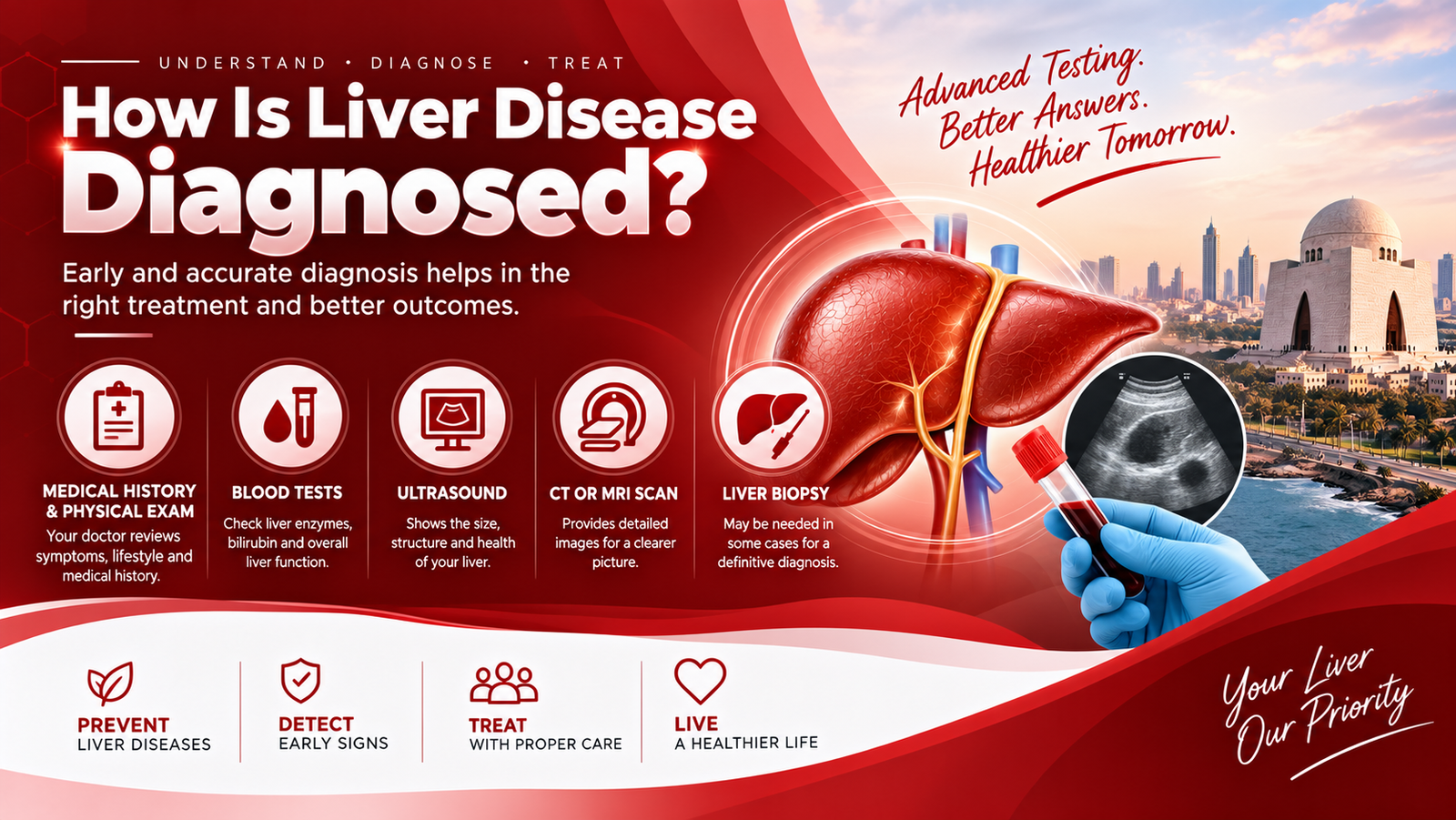
No one blood test can diagnose all liver diseases. Medical history, physical examination, blood tests, and imaging when appropriate are generally used together by a liver health specialist.
Blood Tests
Depending on the situation, tests can include liver enzymes, bilirubin, albumin, blood counts, clotting-related tests, and tests for viral hepatitis.
If a liver disease or disorder is suspected to be caused by an autoimmune, inherited, metabolic, or another specific disease, additional testing may be required.
FIB-4 or APRI can be used to help identify those who might have advanced fibrosis and require additional testing in those with fatty liver disease.
Ultrasound and Other Imaging
An abdominal ultrasound is frequently performed for the liver and other abdominal organs. It can be useful for looking for changes such as fatty infiltration, enlargement, structural changes, or some bile duct issues.
A doctor may suggest CT or MRI, depending on the question at hand. Elastography can also help determine the stiffness of the liver, which can give information regarding fibrosis.
Liver Biopsy
Liver biopsy is the removal and examination of a small piece of liver tissue. Not required for all who have suspected liver disease.
A specialist may consider biopsy when other tests do not provide enough information or when determining the cause or severity of liver injury requires tissue assessment.
Liver Specialist vs Gastroenterologist: What Is the Difference?
The terms can overlap because many gastroenterologists manage liver diseases as part of their practice. A hepatologist has a more focused area of practice involving the liver and biliary system.
Factor | Gastroenterologist | Hepatologist |
Main focus | Digestive system and related organs | Liver and biliary diseases |
Liver care | Commonly manages many liver conditions | Specifically focused on liver conditions |
Digestive problems | Broad range of gastrointestinal conditions | Usually narrower focus |
Suitable for | Digestive symptoms plus many liver concerns | More specialized or complex liver concerns |
Referral | May be the first specialist for abnormal liver findings | May be involved when more specialized liver care is needed |
The appropriate doctor depends on the patient’s condition. A gastroenterologist with relevant liver expertise may be suitable for many liver-related concerns, while complex liver disease may require more specialized hepatology care.
How Is Liver Disease Treated?
Treatment will vary based on the underlying cause, severity of liver damage, if there are complications, and the overall health of the person.
While there is no single treatment that works for every liver condition, certain treatments are known to be safe and effective for a specific subset of liver conditions.
For instance, the treatment of chronic hepatitis is different from that for metabolic fatty liver disease, autoimmune liver disease, or cirrhosis.
If you have fatty liver and extra weight, losing weight slowly, eating healthy, and exercising regularly can lower liver fat and may help to reduce inflammation and fibrosis. Weight loss should not be the general approach for liver disease.
Treatment with antiviral drugs may be considered for viral hepatitis. Treatment of complications associated with cirrhosis may be necessary, including treating fluid retention, portal hypertension, varices, or hepatic encephalopathy.
Patients also should inform their physician of prescription medicines, over-the-counter medicines, vitamins and herbal supplements. Some chemicals may cause harm or damage to the liver.
How Can You Prepare for a Liver Specialist Appointment?
A thorough examination can make it easier for the doctor to understand your medical history.
Include previous blood test results, ultrasound or other imaging reports, medication information, and information regarding previous diagnoses. Older liver enzyme tests may also be used to determine if a liver enzyme abnormality is new or ongoing if you have been doing these tests over the years.
In addition, it can aid in recording when symptoms started, if they are worsening, and any recent weight changes, appetite changes, changes in urine color, changes in bowel movements, and any abdominal swelling.
Useful questions include:
- So what is causing my abnormal liver tests?
- Are there any other tests or scans I should have?
- Do you have evidence of liver inflammation or fibrosis?
- How often do I need to have my liver checked?
- Could any of my medicines or supplements affect my liver?
- Which lifestyle changes do I need to make for my condition?
- Which symptoms would warrant an immediate response by medical professionals?
Choosing Liver Care in Karachi
If you are looking for a liver doctor in Karachi, make sure you don’t rely on the marketing claims of the clinic.
Think about whether the doctor’s practice is the right kind for your medical problem and if there is adequate evaluation and follow-up.
As of now, a quick search for a consultant physician or gastroenterologist with Dr Azizurrehman in Karachi would result in finding citations to his medical qualifications as MBBS and FCPS Medicine, MCPS Medicine.
His practice is also linked to liver diseases and gastroenterology via public listings.
His openly accessible Website outlines his interest in gastroenterology and hepatology as well as liver-related care. Before arranging a consultation, patients should verify the clinic information, availability, and appropriateness of the service for their condition.
The same goes with any doctor for liver problems; whether it is a liver specialist in Karachi or not, you should select the doctor for care according to the issue, relevant qualifications, evaluation requirements, communication, and follow-up, but not according to words such as best or number one.
When Is a Liver Problem an Emergency?
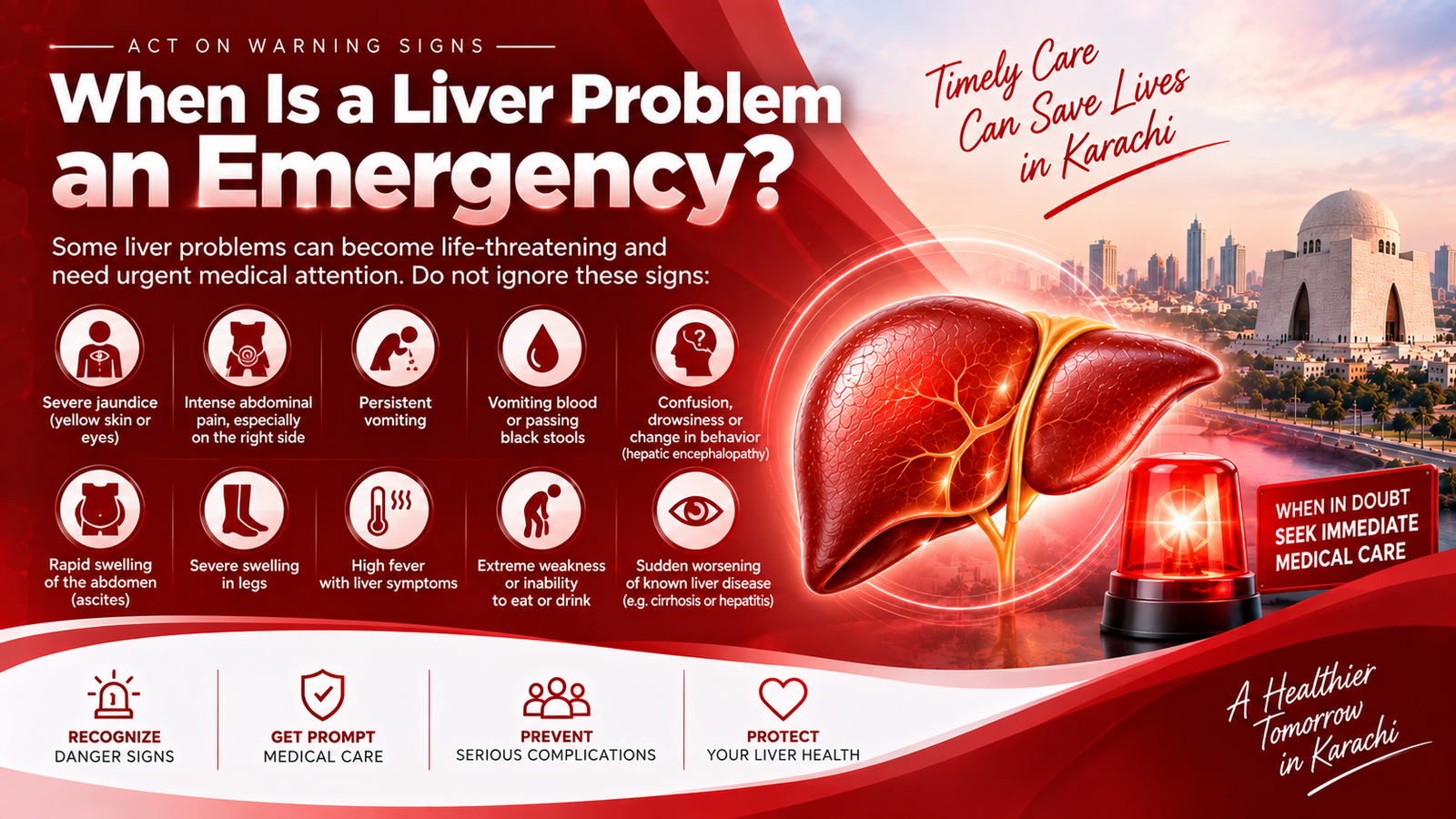
There are symptoms that need immediate evaluation, not a routine office visit.
If a person who has a liver problem throws up blood, passes black or bloody stools, becomes very confused, passes out, has serious swelling of the tummy, or has serious worsening of the jaundice, get emergency medical help.
These symptoms may be a warning sign of more serious liver disease.
An individual with known chronic liver disease should also adhere to the “emergency” instructions given by their health care professional.
Practical Ways to Support Liver Health
Lifestyle tips will vary depending on underlying medical condition and should be tailored to individual patients.
General measures may involve keeping a healthy weight, regular exercise, a balanced diet, treating diabetes (if applicable), and NOT taking unnecessary medicines or supplements.
Any significant changes in diet and lifestyle should be discussed with a healthcare professional if liver disease has been diagnosed.
In the early stages, the liver is not so damaged that many people need to make special dietary changes or monitor their medicines.
There are also vaccines and tests that can help prevent or detect some types of viral hepatitis.
A health care professional can guide them on the measures they should take for a specific patient.