
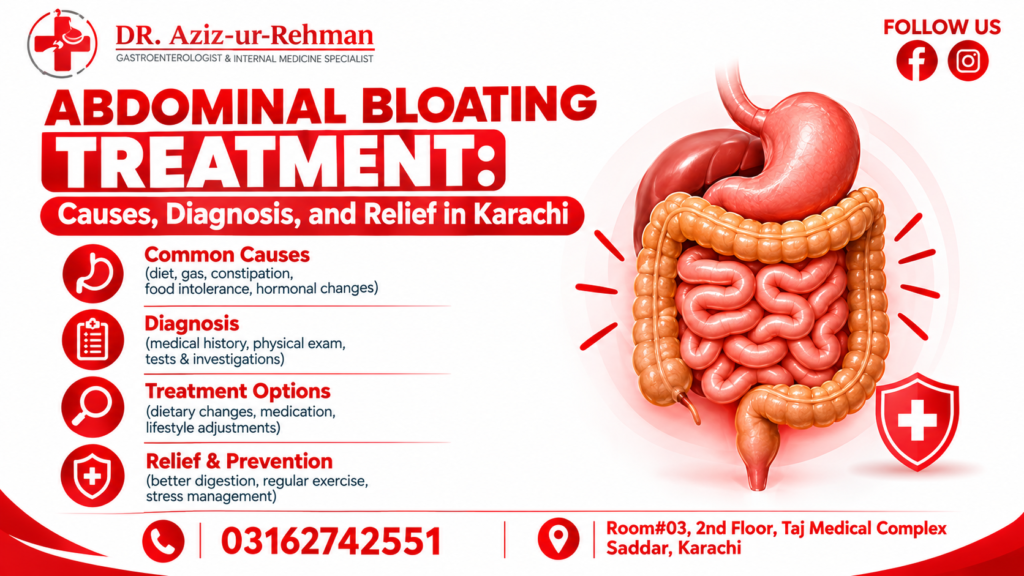
Treatment for abdominal swelling, fullness, gas, or discomfort depends on the cause of the bloating.
Bloating may be caused by diet, constipation, food intolerance, gas, irritable bowel syndrome (IBS), or digestive issues.
The best abdominal bloating treatment is to deal with the cause of the problem, rather than just the symptom.
Occasional bloating can be helped by making simple changes to the way that people eat, such as eating slowly, limiting fizzy drinks, avoiding foods that tend to cause the symptoms, and treating constipation.
If bloating continues, is severe, or doesn’t clear up, it may require evaluation by a qualified health care professional.
What Is Abdominal Bloating?
Abdominal bloating treatment is a feeling of fullness, pressure, tightness, or swelling in the abdomen.
The abdomen also starts to enlarge for some and is known as “abdominal distention.” Bloating and distention are not synonymous and can occur simultaneously.
It is normal to experience bloating, which may occur following heavy meals or meals containing an increased amount of intestinal gas.
If it happens regularly and affects the individual’s daily life, then it is worth looking into, especially in conjunction with other digestive issues.
Treatment is thus dependent on such things as duration of symptoms, foods that aggravate symptoms, bowel habits, medications and medical history as well as other symptoms.
What Causes Abdominal Bloating?
No single cause of abdominal bloating treatment There are several digestive and food-related conditions that also cause the same symptoms.
Excess Gas
Gas is a normal by-product of digestion. Gas is formed by swallowed air and by the breakdown of carbohydrates by bacteria in the intestines when they are not digested sufficiently in the small intestine.
Fast eating, chewing gum, drinking with a straw, fizzy drinks, and eating with conversation can lead to an increased amount of swallowed air and cause gas symptoms.
Constipation
When the abdomen feels full or swollen due to having constipation, it may be because the stool and gas move more slowly in the digestive tract.
Bloating may be coupled with infrequent bowel movements, hard stools, or stool difficulty, in such a case, constipation may be a contributing factor to the issue.
Food Intolerance
Certain foods cause bloating for some people. For instance, lactose intolerance can lead to bloating, gas, abdominal discomfort, diarrhea, nausea, or rumbling after eating lactose-containing foods.
There may also be other carbohydrates that trigger symptoms in susceptible individuals, such as certain fermentable carbohydrates.
Irritable Bowel Syndrome
IBS is a frequent digestive disorder that has some signs and symptoms of abdominal pain, bloating, gas, diarrhea, or constipation, or a combination of these.
The treatment is typically symptom management and can include dietary and lifestyle changes as well as medications.
Indigestion
Bloating can happen along with indigestion, early fullness, belching, nausea, or upper abdominal discomfort. It is important to treat the cause of indigestion and not just the bloating.
Other Digestive Conditions
There are some digestive conditions that are associated with persistent bloating, including celiac disease, gastroesophageal reflux disease (GERD), gastroparesis, small intestinal bacterial overgrowth (SIBO), and others.That is why continuing symptoms need not be considered as “gas.”
What Are the Common Symptoms of Bloating?
The sensation of bloating may vary for each person. Common symptoms include:
- A feeling of fullness or pressure in the abdomen
- Abdominal enlargement and/or distention (swelling)
- Passing gas or belching too often.
- Abdominal discomfort
- Fullness and satiation after meals are immediate. Satiation and fullness after food is rapid.
- A loud, throbbing noise or a humming noise.
- An increase or decrease in bowel movements.Appetite changes.
- Bloating can happen in isolation or in combination with constipation, diarrhea, abdominal pain or discomfort, or nausea.
Evaluation is appropriate if symptoms are new, persistent, or worsening, or are associated with unexplained weight loss or marked abdominal pain.
How Is the Cause of Bloating Diagnosed?
What does a doctor check for bloating?
The first questions a doctor will ask are about symptoms, food intake, bowel movements, medications, vitamin and mineral supplements, previous illnesses, and when the bloating happens.
A physical exam may also be done. More tests might be suggested, depending on the suspected cause.
A food and symptom diary may be helpful. Note the food, time of onset of symptoms, bowel movements, and pain/discomfort.
This can be used to uncover trends that may not be apparent during normal analysis.
Not everyone who occasionally suffers from bloating needs to be tested. The type of tests should be based on clinical circumstances.
These might include blood or stool tests, imaging, breath testing, or gastrointestinal procedures (where clinically appropriate). Investigations for chronic bloating can be chosen based on the suspected causes and associated symptoms, according to Mayo Clinic.
Abdominal Bloating Treatment Options
The treatment depends on the cause. No one pill or food is for everyone.
Improve Eating Habits
For some, the right diet may be a significant factor. Slowing the pace of eating and taking smaller meals can help minimize stomach upset.
You can also cut down on air swallowed by reducing fizzy drinks, chewing gum, and straws.
Some may have to go for smaller meals rather than eating a lot.
Identify Food Triggers
Some foods may cause gas or bloating in people who are sensitive. These include some legumes, cruciferous vegetables, dairy products, some fruits, whole grains, and foods with specific sweeteners.
But a food that triggers symptoms in one person may not affect another at all.
Instead of banning a lot of foods that aren’t necessarily the problem, it’s more effective to recognise problem foods that are likely to be consistent.
If it occurs, treat constipation.
Improving bowel regularity can help if constipation is a cause of bloating. Depending on the situation, the right solution may be a fluid adjustment, fiber modification, exercise, or medication (if the health care professional prescribes it).
For some, too rapid introduction of fibre can lead to gas and bloating. Adjustments should be made in a slow and gradual manner, depending on tolerance.
Consider a Structured Diet When Appropriate
Children and adults with IBS and some digestive symptoms may find it helpful for a short period of time to follow a low FODMAP diet. FODMAPs are carbohydrates that may cause symptoms and are hard to digest for some people.
This is the kind of diet that should be done with professional dietetic advice and not by eliminating many foods just because of no particular reason.
In appropriate people with IBS, a low FODMAP diet may be suggested for a short time, according to NIDDK.
Address Food Intolerances
If bloating is happening regularly after specific foods, a health care provider may consider a food intolerance.
For instance, if a person is lactose intolerant, they can get bloated and gassy from eating lactose. If lactose is found to be the cause of diarrhea, or if it is suspected to be, it may be beneficial to reduce lactose or use appropriate lactose-related strategies.
Medicines can be taken for certain reasons.
Healthcare practitioners may prescribe drugs or supplements, depending on the reason. It may be to treat constipation, IBS, lactose intolerance, SIBO, indigestion, or another underlying digestive problem.
Never take the easy route and think that an OTC gas medicine is a solution to a problem that requires more attention. The medicines or supplements prescribed should be based on the symptoms and health condition being treated, according to the NIDDK.
Treat the Underlying Condition
If a digestive disorder is known and is the cause of bloating, treating the digestive disorder can be more beneficial than continually treating bloating.
The management can vary greatly; for instance, if the abdomal bloating is associated with IBS, lactose intolerance, constipation, celiac disease, or another gastrointestinal disorder.
Simple Lifestyle Measures That May Help
Sometimes, there are practical habits that can help alleviate symptoms during occasional bloating. Try to eat slowly, not so much, avoid fizzy drinks, and try to note down foods that frequently trigger symptoms.
Exercise can also help maintain healthy digestion. When symptoms persist despite lifestyle changes, a professional evaluation can be done to see if there is a problem that requires treatment.
It should not be necessary to follow a diet that is too restrictive. A healthy eating pattern that is sustainable and meets nutritional requirements is more beneficial than the exclusion of foods based only on speculation.
Comparing Common Approaches to Bloating
Approach | Most useful when | Main benefit | Important consideration |
Eating habit changes | Bloating follows large or rapid meals | May reduce swallowed air and digestive discomfort | Results vary between individuals |
Food diary | Specific food triggers are suspected | Helps identify patterns | Patterns should be interpreted carefully |
Treating constipation | Bloating occurs with constipation | Addresses a possible underlying contributor | Fiber changes may need to be gradual |
Food intolerance management | Symptoms follow particular foods | Targets a specific trigger | Avoid unnecessary food restriction |
Low FODMAP approach | Some people with IBS and significant symptoms | May reduce symptoms in suitable patients | Professional guidance can be helpful |
Medical evaluation | Symptoms persist, worsen, or include warning signs | Helps identify underlying conditions | Tests depend on the individual case |
When Should You See a Doctor for Bloating?
The occasional bloating after a meal is generally not a cause for concern. If symptoms are ongoing or problematic, however, it is a good idea to talk to a health care professional.
If bloating, please seek medical advice:
- Fails to return or fails to get better.
- Has severe abdominal pain.
- Happens frequently with ongoing diarrhea or constipation
- Is correlated with weight loss without any apparent cause.
- Emerges or shifts rapidly or significantly
- Disturbs eating, sleeping, work, or daily activities
NIDDK specifically advises to consult a doctor if the gas symptoms are bothersome, change suddenly, or are accompanied by symptoms like abdominal pain, constipation, diarrhea, or weight loss.
When Is Bloating an Emergency?
Abdominal pain that becomes more severe or worse, vomiting that keeps coming back, severe abdominal distention and the inability to defecate or burp, dizziness, blood in vomit or stool, and other serious symptoms do require immediate medical evaluation.
The symptoms should not be treated at home as just “the gas” or just “bloating.” Bloating may occur with pain, vomiting, constipation, or lack of gas or bowel movements and may be caused by conditions that affect the movement of the bowels or blockage of the bowels.
How to Choose a Doctor for Bloating in Karachi
If bloating occurs often and/or is hard to manage, it might be worth talking to a physician who is trained in the evaluation of digestive disorders. If symptoms include recurrent bloating, abdominal pain, bowel changes, indigestion, reflux, or other gastrointestinal symptoms, a gastroenterologist may be needed.
Select a doctor in Karachi who has the required specialist qualifications, treats digestive issues, has access to necessary diagnostic facilities, and whose clinic location or follow-up is convenient.
Dr Azizurrehman is registered as a physician in gastroenterology and internal medicine in Karachi. The public listings include qualifications like MBBS, FCPS (Medicine), and MCPS (Medicine), and his website lists hepatology and gastroenterology services.
Healthcare information may change, and patients should check the current qualifications, clinic hours, availability, and services before scheduling an appointment.
Common Mistakes People Make When Treating Bloating
A frequent error is thinking that all abdominal distention is due to gas. There are many possible causes of bloating, and if this happens again, it should be seriously investigated!
Another common error is to eliminate several foods in one go. This can make it challenging to determine the specific cause and can limit intake of food for no good reason.
Some also use supplements or over-the-counter products over and over again without working out the cause of their symptoms. Some supplements and probiotics may be unsuitable for certain individuals, and it is important to talk with a healthcare professional about using them to treat gas symptoms, as recommended by NIDDK.
Instead, find patterns, make adjustments to lifestyle, and consult a doctor if the symptoms continue or are accompanied by warning signs.
Frequently Asked Questions
What is the best abdominal bloating treatment?
No one treatment is best for all. This will vary according to the cause. Depending on the individual, dietary changes, eating habits, constipation treatment, food intolerance management, IBS treatment, or other medical treatments may be considered.
How can I reduce bloating naturally?
For some, eating slowly, avoiding fizzy drinks, limiting foods that always cause symptoms, eating smaller meals, and keeping up healthy activity may be helpful. When bloating is more common or more intense than usual, lifestyle changes must not be a substitute for medical evaluation.
Can constipation cause abdominal bloating?
Yes. Stool may move more slowly through the digestive system, resulting in constipation, which can help to cause abdominal fullness and bloating. Often constipation and bloating go hand-in-hand, and treatment of the constipation might be a component of the management plan.
Can milk cause bloating?
Those who are lactose intolerant may experience bloating and gassiness when consuming milk and other dairy products. Other symptoms may include diarrhea, discomfort in the abdomen, nausea, and rumbling after eating lactose.
Should I follow a low FODMAP diet for bloating?
While not everyone with bloating may benefit from a low FODMAP diet, it can be beneficial with some people and digestive symptoms that are associated with IBS. It may limit some foods, so dietary advice from a professional may help ensure that the diet is nutritionally adequate.
When should bloating be checked by a doctor?
Medical evaluation is recommended for cases of chronic or recurrent bloating, unexplained sudden change, interfering with daily activities, or abdominal pain or diarrhea, constipation, or weight loss.
Can bloating be a sign of a digestive disease?
Yes. Bloating is a symptom of IBS, constipation, lactose intolerance, celiac disease, SIBO, indigestion, and other gastrointestinal conditions. If symptoms persist, evaluate for the total clinical picture instead of one symptom.
Which doctor treats persistent bloating?
If bloating is a recurring issue and is accompanied by other digestive problems, a gastroenterologist typically will be involved. A doctor can examine the symptoms and determine if more tests are needed or if a specialist needs to be consulted.
Conclusion
Simple dietary causes can be the cause of abdominal bloating; however, if the symptoms continue to recur, it may be a sign of constipation, food intolerance, IBS, indigestion, or another digestive disorder.
It is, therefore, essential to start the treatment for abdominal bloating by figuring out the probable cause instead of constantly treating the sensation of bloating itself.
If symptoms occur, slow your eating pace, avoid carbonated beverages, try to identify food triggers, and maintain good digestive habits.
If your bloating persists or is unexplained, including if it is accompanied by any of the following signs, consult your health care provider: Abdominal pain, Bowel alterations, Weight loss, vomiting, Other warning signs.
If you are looking for a gastroenterology consultation in Karachi, then you should consider Dr Azizurrehman’s services for your digestive needs.
Before making an appointment, always check current credentials, clinic availability, and services offered.