
What Is Chronic Indigestion?
Chronic indigestion is persistent discomfort or other digestive signs and symptoms that persist over weeks or months. This group of symptoms can be referred to by the medical term dyspepsia.
Typical symptoms include:
- Urinary tract pain, burning, or discomfort in the upper abdomen
- Eating rapidly and becoming satiated rapidly
- Being so full that eating causes discomfort or pain.
- Bloating
- Nausea
- Frequent belching
Indigestion is a sign of many diseases. In some cases, a particular digestive disorder is the cause, and in others, no structural disease is discovered, and the problem is called functional dyspepsia.
What Causes Chronic Indigestion?
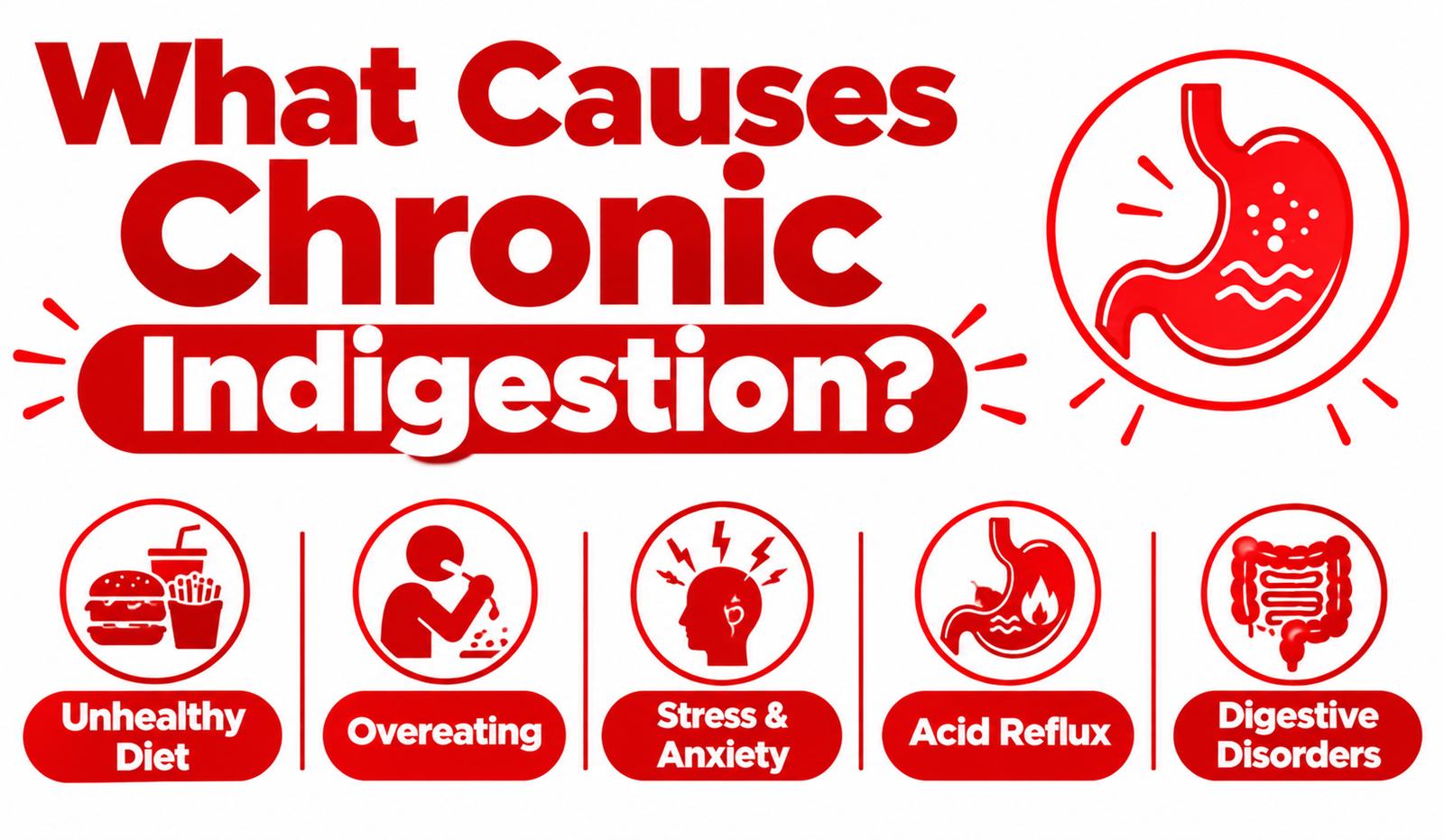
There are several conditions that can present with a similar symptom and treatment should be based on the underlying cause and not the symptoms alone.
Common include functional dyspepsia, Helicobacter pylori infection, gastritis, peptic ulcers, gastroesophageal reflux disease (GERD), gastrointestinal side effects of drugs, and some digestive disorders.
Functional Dyspepsia
If testing turns up no other cause for the indigestion, functional dyspepsia is a frequent cause of persistent indigestion. This may be upper abdominal pain, difficulty with fullness, bloating, nausea, or digestive issues.
In some people, stress and psychological factors can also play a role in the symptoms. This is not to say that the symptoms are “all in his/her mind. Rather, treatment may require to treat digestive symptoms and factors that can exacerbate the symptoms.
- pylori Infection
- pylori or Helicobacter pylori is a bacterium linked to several ailments of the upper digestive tract such as gastritis and peptic ulcers. Depending on the clinical situation, testing can be done with a stool test, urea breath test, blood test or biopsy during the upper GI endoscopy.
Treatment is usually with a combination of medicines chosen by a health care professional, if H. pylori is found. The dosage regimen should not be prescribed by the patient.
Gastritis and Peptic Ulcers
Gastritis refers to the inflammation or damage of the lining of the stomach and peptic ulcers are open sores which may occur in the stomach or duodenum. Both can lead to symptoms similar to normal indigestion such as upper abdominal pain, nausea, bloating and fullness after eating.
Medicines
Certain medications may cause gastrointestinal (GI) upset or exacerbate GI symptoms. One is the nonsteroidal anti inflammatory drugs (NSAIDs). Your medicines may be reviewed by a doctor to see if any given medicine is causing your symptoms.
Never discontinue a prescription medicine without medical advice. Talk to the healthcare provider who gave you the birth control about any possible side effects and other options.
Acid Reflux and GERD
There is a relationship between indigestion and acid reflux but it is not a direct or identical one. Usually, GERD involves heartburn and regurgitation, though others may feel other symptoms like heartburn or chest pain.
Reflux is a possibility that your doctor may consider if your primary concern is burning behind your breast bone, sour fluid entering your mouth or symptoms aggravating when lying down.
What Is the Best Chronic Indigestion Treatment?
Diagnosis typically starts with a thorough symptoms and health history review, description of medications and a physical exam. A doctor may suggest tests for H. pylori and/or a stomach examination (upper GI endoscopy or other tests), depending on the person’s symptoms and risk factors.
A doctor may ask:
When did you start to have symptoms?
Do they have anything to do with food?
Have you ever had a small amount and felt full?
Have heartburn or regurgitation?
Do you have diarrhea?
Can’t gain weight, even when trying?
Any medicines or supplements that you take?
Ever had a test or treatment for H. pylori?
Has anyone in the family had digestive tract cancer?
The information can be used to decide if further testing is needed.
- pylori Testing
Noninvasive testing can be beneficial if there is a suspicion of H. pylori. This can be done in a variety of ways, such as a urea breath test or stool test. Sometimes, biopsies taken during the endoscopy can also be used for testing.
Upper GI Endoscopy
Upper GI endoscopy is a procedure in which a flexible camera is used to look at the inner lining of the esophagus, stomach and first part of the small intestine (duodenum). It can be used to diagnose conditions like gastritis, peptic ulcers, and some other abnormalities. Biopsies can also be taken when necessary.
A decision to have an endoscopy will be made based on the individual. The ACG/CAG dyspepsia guideline suggests that many patients older than 60 with dyspepsia should be investigated with upper gastrointestinal endoscopy, and noninvasive H. pylori testing should initially be performed in younger patients, depending on the circumstances.
Lifestyle Changes That May Help Indigestion
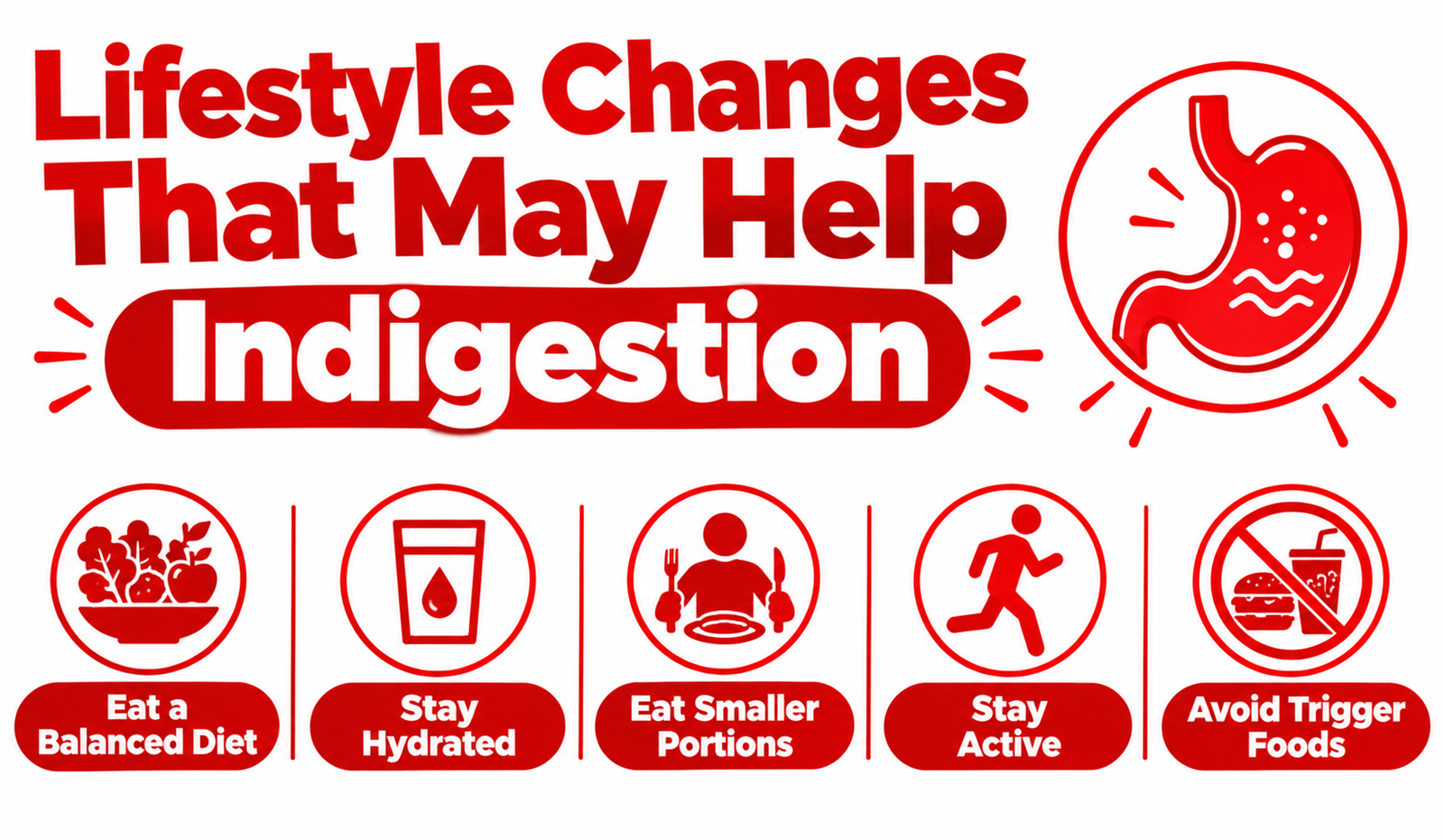
Watch for foods and beverages that always cause symptoms. Fatty or greasy foods, caffeinated beverages, carbonated beverages, some grains, fruits or fruit juices may make symptoms of functional dyspepsia worse in some people. However, the triggers are different for each person and a restrictive diet is not always required.
Practical steps include:
- Maintain a simple symptom and food log.
- Check if discomfort is aggravated by large or heavy feeds.
- Reduce foods that cause symptoms on a frequent basis.
- Don’t self-medicate without a reason.
- Talk to a doctor about any symptoms that do not go away after taking over-the-counter medicine.
A registered dietitian can also assist in developing a well-balanced diet plan if there are dietary restrictions becoming extensive.
Chronic Indigestion Treatment: Medicines vs Lifestyle Changes
Approach | Main purpose | When it may be useful | Important consideration |
H. pylori treatment | Eliminate confirmed infection | When testing identifies H. pylori | Requires appropriate medical treatment |
Acid-reducing medicine | Reduce stomach acid | Selected dyspepsia or reflux-related symptoms | Should be used according to medical advice |
Dietary changes | Reduce individual food triggers | When particular foods worsen symptoms | Avoid unnecessary restrictive diets |
Medicine review | Identify medication-related symptoms | When symptoms may be linked to current medicines | Do not stop prescribed drugs without advice |
Functional dyspepsia treatment | Manage symptoms when no structural cause is found | After appropriate evaluation | Treatment may require more than one approach |
When Should You See a Doctor for Indigestion?
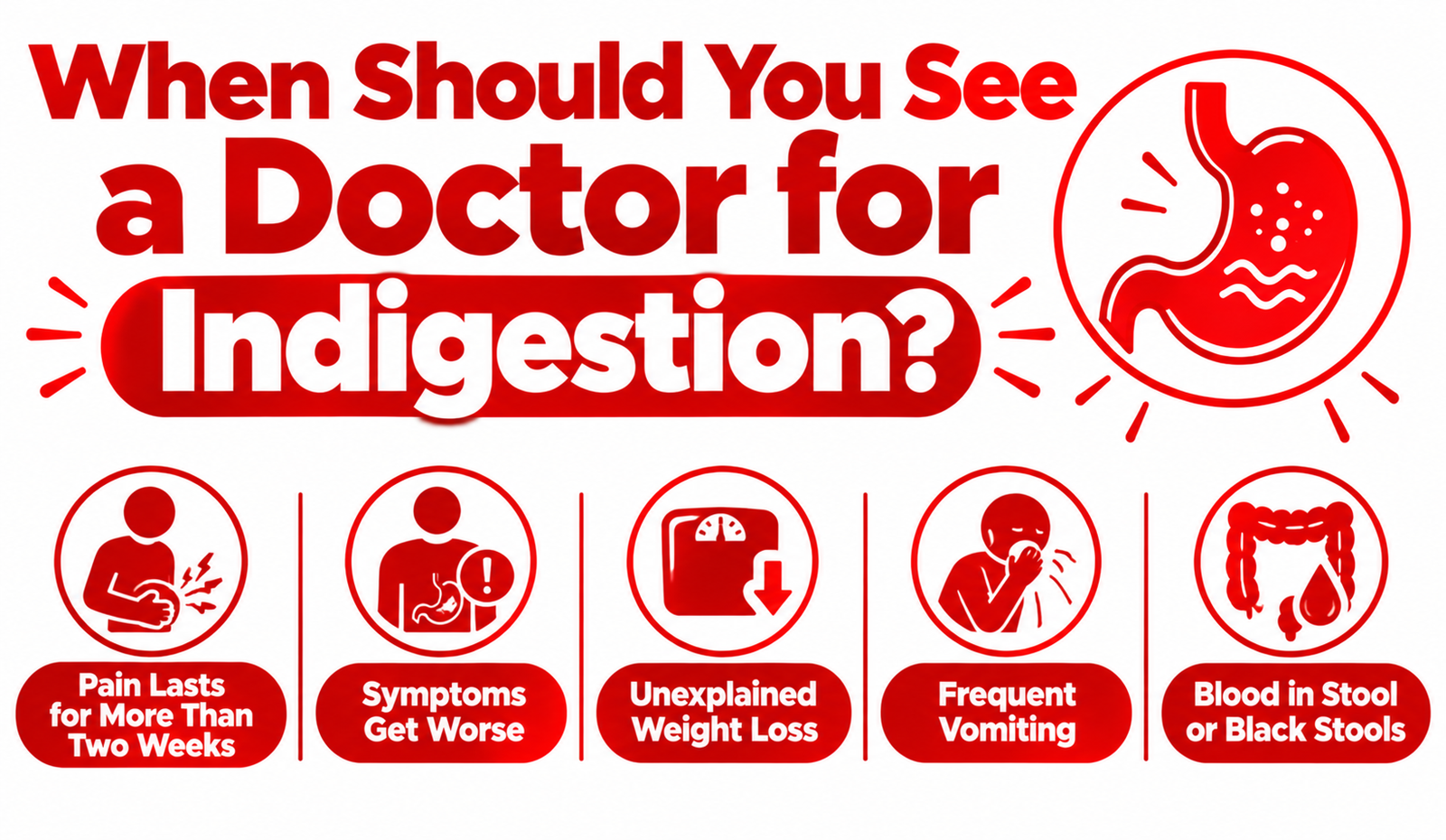
Sometimes people experience indigestion, but persistent symptoms should be investigated, especially if they cause difficulties with eating, sleeping, work, or everyday activities.
A doctor can determine if you need a test or medication adjustment, endoscopy, or other examination.
If indigestion is accompanied by any of the following symptoms, get urgent medical attention: Unexplained weight loss, continued vomiting, trouble or pain with swallowing, any signs of stomach bleeding, or loss of appetite. Vomiting blood or passing coffee-ground vomit or black, tarry stools may be a sign of GI bleeding and should be evaluated immediately.
Chest pain is also a serious symptom to be considered, especially if it is severe, new, or accompanied by symptoms that may signal a heart-related issue. Not all feelings of ‘indigestion’ are related to digestion.
Choosing Digestive Care in Karachi
It is important to seek a proper evaluation and not rely on online recommendations for treatment when getting chronic indigestion treatment in Karachi.
Gastroenterology or medical consultation may be warranted in the case of persistent, recurrent, unexplained symptoms or symptoms accompanied by warning signs. During your appointment, consider talking with Dr. Azizurrehman about how long and how often the symptoms occur, your previous test results, what medicines you are taking, and any warning signs.
A brief symptom record prior to the consultation can be beneficial to the discussion. Record what foods you eat, when they occur, if they get better or worse when eating, if heartburn, vomiting, bowel changes, or weight loss occurs.
Common Mistakes to Avoid
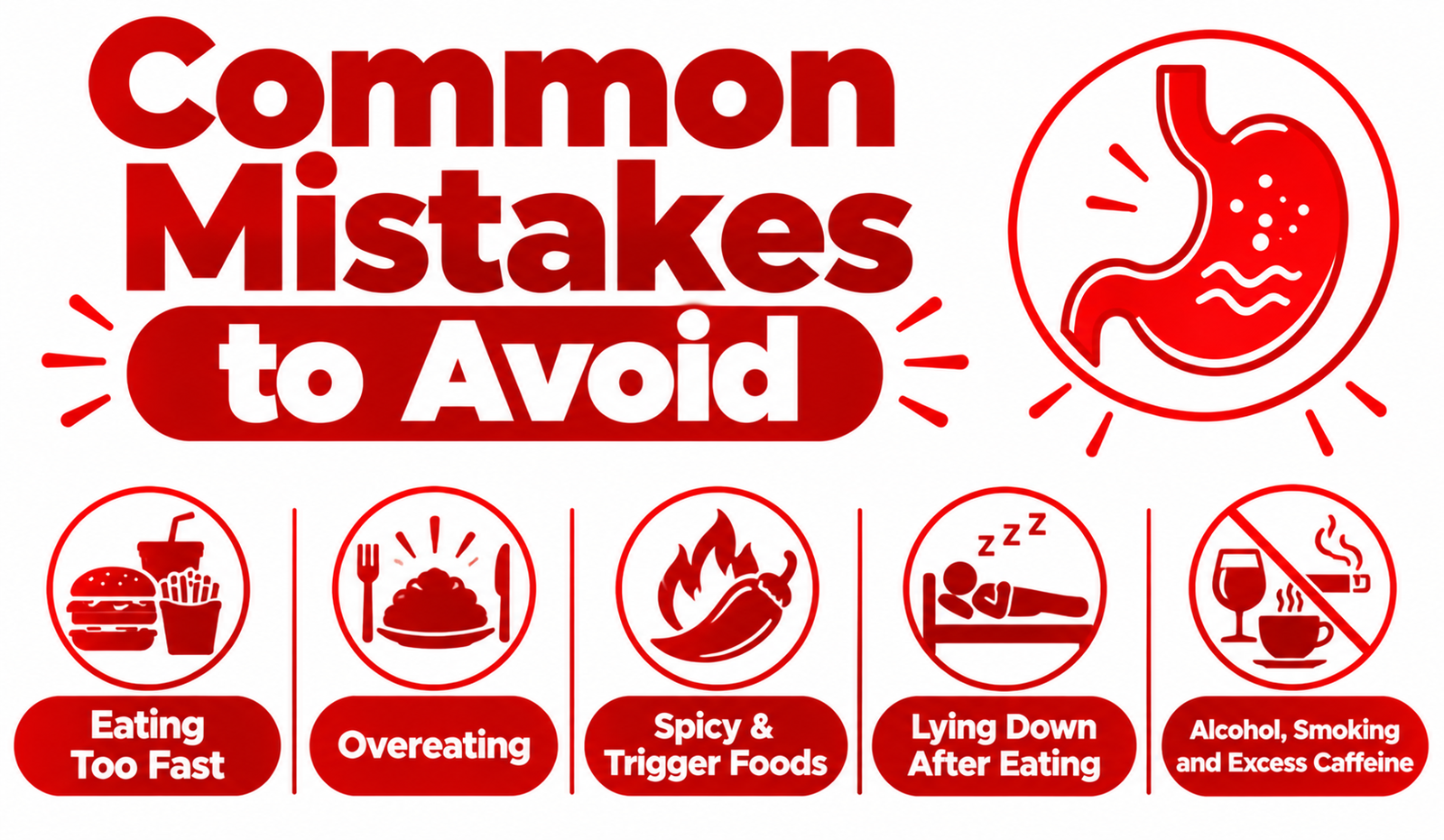
A frequent error is that all indigestion episodes are treated as just excess stomach acid. While acid suppression may alleviate some symptoms, others may be caused by H. pylori, ulcers, gastritis, functional dyspepsia, certain medications, reflux or other issues.
The other error is continuing to change medicines without determining the cause of the symptoms. When symptoms persist with lifestyle changes or over-the-counter treatment, medical evaluation is better than continually trying to add to the remedies.
Any herbal products and supplements should also be discussed with a healthcare professional prior to use. Natural does not equate to appropriate and risk-free.