
The liver is one of the hardest-working organs in the human body.
It filters harmful substances from the blood, helps digest food by producing bile, stores vitamins and minerals, regulates blood sugar, and supports the body’s immune system.
When the liver becomes infected, these vital functions can be affected, leading to inflammation and, in some cases, permanent liver damage if treatment is delayed.
Liver infection treatment depends on the type and severity of the infection.
Some liver infections are caused by viruses such as hepatitis A, B, and C, while others result from bacteria, parasites, or liver abscesses.
Because each type has a different cause, the treatment plan also varies.
Early diagnosis and timely medical care play a major role in preventing complications and improving recovery.
Liver infections remain a significant health concern in Pakistan due to the high prevalence of hepatitis B and hepatitis C, unsafe injection practices, contaminated food and water, and delayed medical attention.
Fortunately, many liver infections can be successfully treated with medication, lifestyle changes, or medical procedures when diagnosed early.
This comprehensive guide explains the symptoms, causes, treatment options, and management of liver infections, including bacterial and viral infections, as well as liver abscesses, hepatitis, fatty liver disease, and recovery time and home care in simple, easy-to-understand language.
What Is a Liver Infection?
A liver infection occurs when harmful microorganisms such as viruses, bacteria, parasites, or fungi enter the liver and cause inflammation or damage.
This inflammation may affect the liver’s ability to perform its normal functions, including filtering toxins, producing proteins, and processing nutrients.
Many people confuse a liver infection with general liver disease, but they are not always the same.
Liver disease is a broad term that includes conditions such as fatty liver disease, cirrhosis, inherited disorders, and infections.
A liver infection specifically refers to damage caused by infectious organisms.
Some liver infections are mild and resolve with supportive care, while others require antiviral medicines, antibiotics, or hospital treatment.
If left untreated, severe infections can lead to liver abscesses, liver failure, or long-term scarring known as cirrhosis.
Quick Answer
A liver infection is an illness caused by viruses, bacteria, parasites, or fungi that inflame the liver.
The most appropriate treatment depends on the underlying cause, making an accurate diagnosis essential for successful recovery.
What Are the Different Types of Liver Infections?
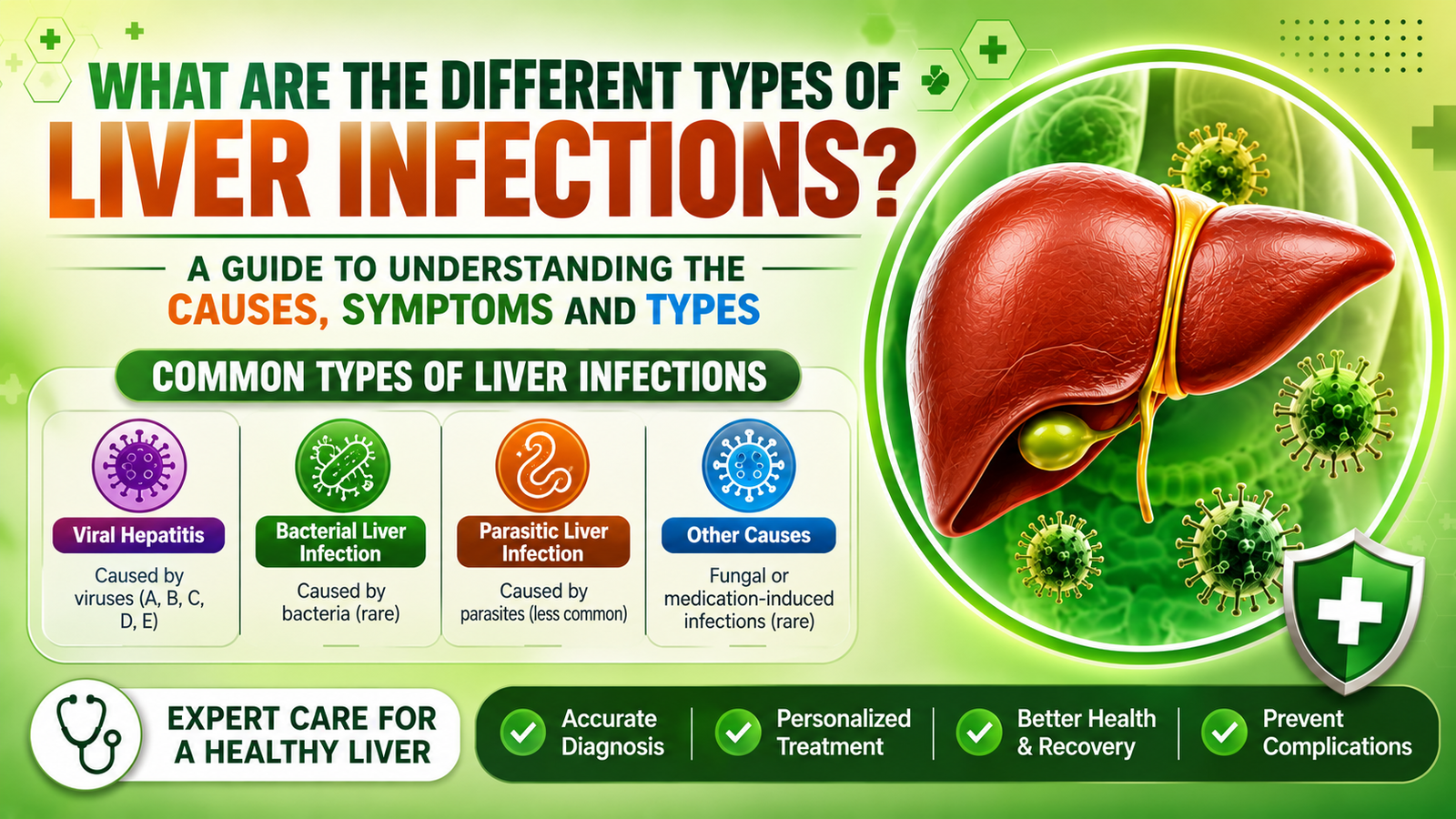
Liver infections are classified according to the microorganism responsible for the infection.
Identifying the exact type helps doctors choose the most effective treatment and reduces the risk of complications.
Viral Liver Infection
Viral infections are the most common cause of liver inflammation worldwide.
Hepatitis viruses attack liver cells and may cause either short-term illness or chronic liver disease.
Hepatitis A and hepatitis E usually spread through contaminated food or water and often resolve without causing permanent liver damage.
In contrast, hepatitis B and hepatitis C are spread mainly through infected blood, unsafe injections, or from mother to child during birth.
These infections can become chronic if not treated promptly.
Bacterial Liver Infection
A bacterial liver infection develops when bacteria travel to the liver through the bloodstream, bile ducts, or nearby abdominal organs.
This type of infection is less common than viral hepatitis but often requires immediate medical attention.
It may occur in people with gallbladder disease, bile duct blockage, diabetes, weakened immunity, or severe abdominal infections.
Most bacterial infections respond well to antibiotics when diagnosed early.
Liver Abscess
A liver abscess is a collection of infected pus inside the liver.
It is usually caused by bacteria but may also develop due to parasites or fungi. Because an abscess can spread infection throughout the body, it is considered a medical emergency.
In many cases, treatment involves both antibiotics and a procedure to drain the abscess.
Parasitic Liver Infection
Parasitic infections are more common in regions where sanitation is poor or clean drinking water is limited.
Parasites enter the body through contaminated food or water and may eventually reach the liver.
Amoebic liver abscess is one of the most common parasitic liver infections seen in developing countries, including Pakistan.
Early diagnosis usually leads to successful treatment with antiparasitic medicines.
Liver Infection Symptoms
The symptoms of a liver infection can vary depending on its cause and severity.
Some people experience only mild discomfort, while others develop a serious illness that requires emergency medical care.
Viral hepatitis may remain silent for months, whereas bacterial infections often produce symptoms quickly.
Common liver infection symptoms include:
Fever and chills
Pain or discomfort in the upper right side of the abdomen
Yellowing of the skin and eyes (jaundice)
Dark urine
Pale-colored stools
Nausea and vomiting
Loss of appetite
Persistent fatigue and weakness
Unexplained weight loss
Swollen abdomen
Itchy skin
Anyone experiencing severe abdominal pain, confusion, persistent vomiting, difficulty breathing, or worsening jaundice should seek immediate medical attention, as these symptoms may indicate a serious liver infection or liver failure.
What Causes a Liver Infection?
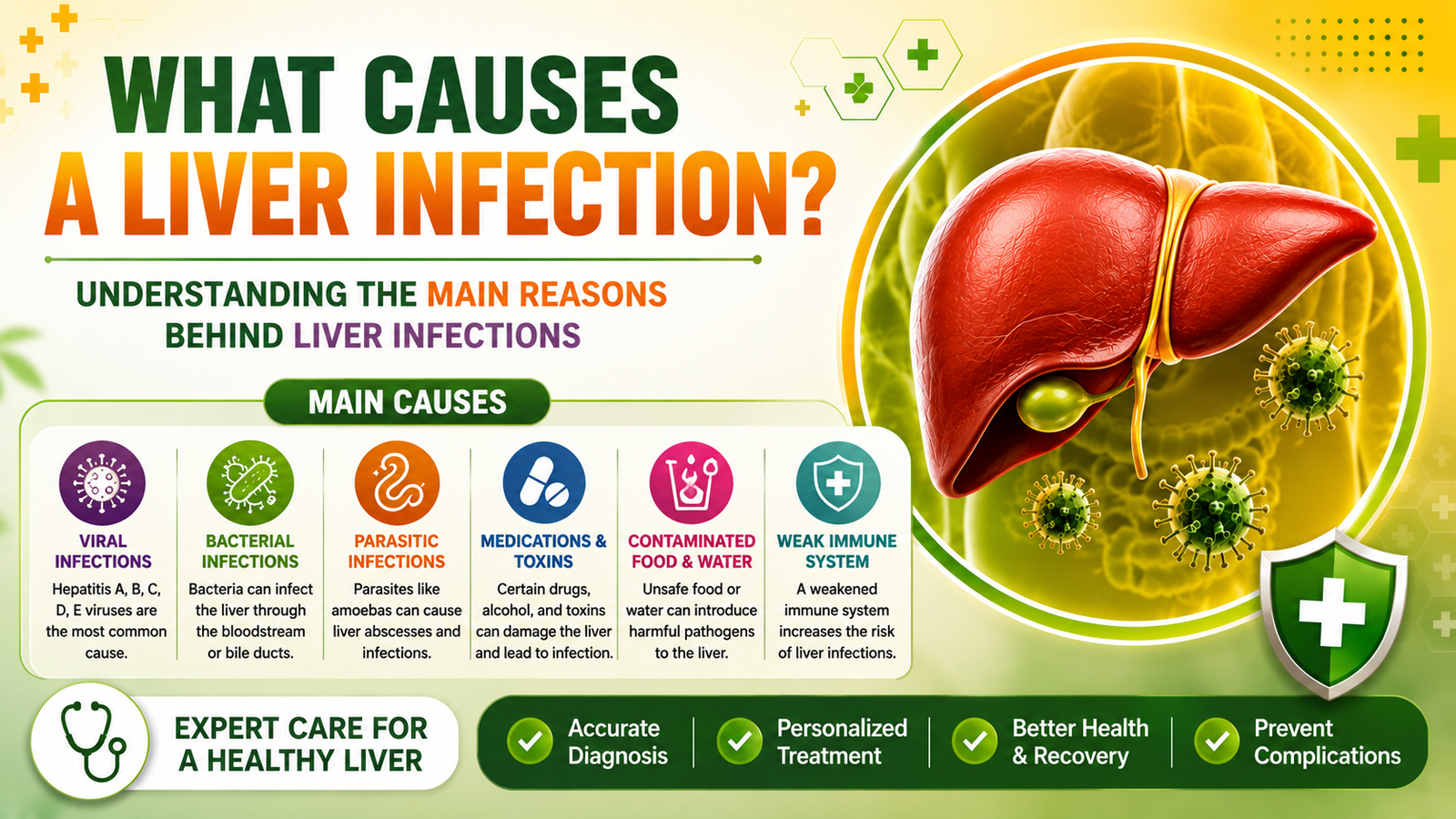
Several factors can lead to liver infections, and the exact cause determines the type of treatment required. Understanding liver infection causes can also help reduce the risk of developing these conditions.
Viruses remain the leading cause of liver infections around the world. Hepatitis A and hepatitis E are commonly spread through contaminated food and drinking water, while hepatitis B and hepatitis C are mainly transmitted through infected blood, shared needles, unsafe medical procedures, or from an infected mother to her baby during childbirth.
Bacterial infections usually occur when bacteria spread from another part of the body into the liver.
Infections of the gallbladder, bile ducts, intestines, or bloodstream can all increase the risk.
People living with diabetes or weakened immune systems are generally more vulnerable to bacterial liver infections.
Parasitic organisms may also infect the liver after entering the body through contaminated food or water.
Amoebic infections remain a recognized cause of liver abscesses in countries where sanitation is limited.
Certain lifestyle and healthcare-related factors can further increase the risk of liver infections.
These include receiving unscreened blood transfusions, using unsterilized medical equipment, sharing needles, consuming unsafe drinking water, and delaying treatment for existing infections.
Practicing good hygiene, ensuring vaccinations where appropriate, and seeking medical care promptly can significantly lower the risk.
Comparison of Common Liver Infections
Condition | Main Cause | Common Symptoms | Typical Treatment |
Viral Hepatitis | Hepatitis viruses | Fatigue, jaundice, nausea | Antiviral medicines or supportive care |
Bacterial Liver Infection | Bacteria from the bloodstream or bile ducts | Fever, chills, abdominal pain | Antibiotics and, in some cases, drainage |
Liver Abscess | Bacterial or parasitic infection | High fever, severe abdominal pain | Antibiotics with image-guided drainage if needed |
Parasitic Liver Infection | Contaminated food or water | Fever, liver pain, weakness | Antiparasitic medicines |
Fatty Liver with Inflammation | Fat accumulation and inflammation | Often no symptoms or mild fatigue | Lifestyle changes and medical management |
This overview highlights that although liver infections may share similar symptoms, their causes and treatments are different.
Accurate diagnosis is essential because the best treatment depends on the underlying condition rather than the symptoms alone.
How Is a Liver Infection Diagnosed?
Diagnosing a liver infection involves identifying both the cause of the infection and the extent of liver damage.
Since symptoms such as fatigue, fever, nausea, and abdominal pain can occur in many illnesses, doctors rely on a combination of medical history, physical examination, blood tests, and imaging studies to make an accurate diagnosis.
During the consultation, your doctor will ask about your symptoms, recent travel, food and water intake, medical history, medications, alcohol consumption, and any possible exposure to hepatitis viruses.
A physical examination may reveal tenderness in the upper right abdomen, jaundice, or an enlarged liver.
Blood tests are usually the first step in diagnosis. Liver function tests (LFTs) help evaluate how well the liver is working by measuring enzymes and proteins in the blood.
If hepatitis is suspected, doctors may order specific viral markers to identify hepatitis A, B, C, D, or E. Additional blood tests can detect bacterial infections, inflammation, or changes in blood clotting that may indicate liver damage.
Imaging tests such as an ultrasound are commonly used to examine the liver and identify abscesses, swelling, gallstones, or bile duct blockages.
In more complex cases, a CT scan or MRI provides detailed images that help determine the size and location of an infection.
Rarely, a liver biopsy may be recommended if the diagnosis remains uncertain or if long-term liver disease is suspected.
Early diagnosis not only improves treatment outcomes but also reduces the risk of complications such as liver failure, cirrhosis, or the spread of infection.
Liver Infection Treatment
Liver infection treatment depends on the exact cause, the severity of the infection, and the patient’s overall health.
There is no single medicine that treats every liver infection.
Viral infections require a different approach than bacterial infections, while liver abscesses may need both medication and medical procedures.
The primary goals of treatment are to eliminate the infection, reduce inflammation, protect healthy liver tissue, relieve symptoms, and prevent permanent liver damage.
Most patients recover well when treatment begins early, but delaying medical care can increase the risk of serious complications.
Doctors create a personalized treatment plan after confirming the diagnosis.
Depending on the condition, treatment may include antiviral medicines, antibiotics, antiparasitic drugs, drainage procedures, supportive care, dietary changes, and regular monitoring of liver function.
Bacterial Liver Infection Treatment
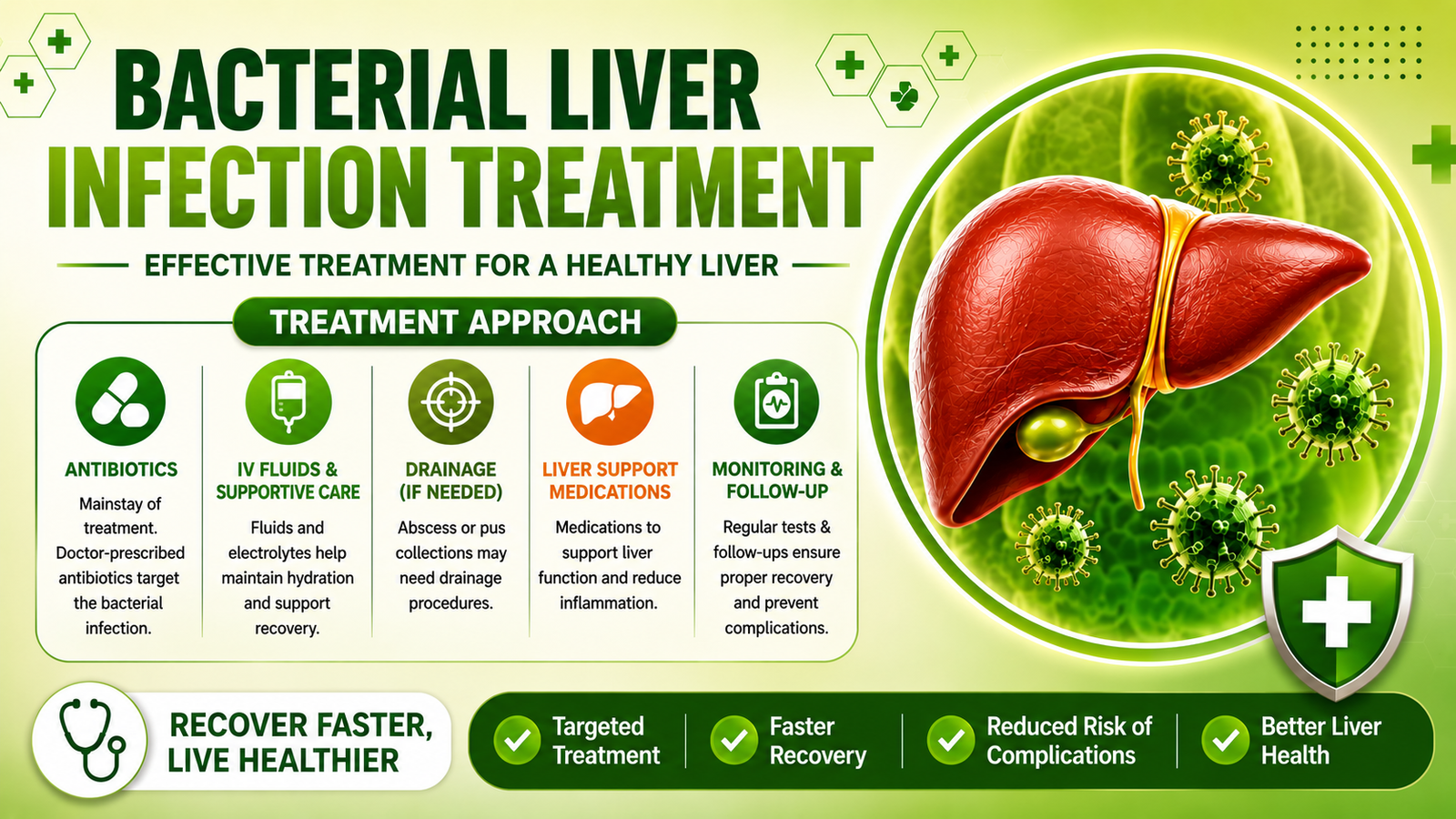
A bacterial infection of the liver requires prompt treatment because bacteria can spread quickly and lead to life-threatening complications if left untreated.
The first line of bacterial liver infection treatment is antibiotic therapy. Doctors select antibiotics based on the suspected bacteria, the severity of the infection, and laboratory results.
In many cases, treatment begins with intravenous antibiotics in the hospital before switching to oral medication once the patient improves.
If imaging tests reveal a liver abscess, antibiotics alone may not be enough.
A radiologist may insert a thin needle or catheter through the skin, guided by ultrasound or CT imaging, to drain the infected fluid.
Larger abscesses or those that do not respond to drainage may occasionally require surgery, although this is less common today.
Most patients recover well when bacterial liver infections are diagnosed and treated promptly.
Viral Liver Infection Treatment
The treatment of viral liver infections depends on the specific virus involved.
Some viral infections resolve naturally, while others require long-term medical management.
Hepatitis A and hepatitis E usually improve with supportive care, including adequate rest, hydration, nutritious meals, and avoiding alcohol until the liver has recovered.
These infections often resolve without causing permanent liver damage.
Hepatitis B and hepatitis C require a different approach. Some patients with hepatitis B need antiviral medicines to reduce viral activity and prevent liver damage.
Hepatitis C is now highly treatable with modern direct-acting antiviral medications that can cure most patients when taken as prescribed.
Regular follow-up is essential because chronic viral hepatitis can silently damage the liver for years before symptoms appear.
Liver Abscess Treatment
A liver abscess is considered a serious medical condition that requires immediate treatment.
Delayed care increases the risk of the abscess rupturing or spreading infection throughout the body.
Liver abscess treatment
usually combines antibiotics with drainage of the infected collection.
Small abscesses may respond to medication alone, but larger abscesses often require image-guided drainage using a needle or catheter inserted through the skin.
During treatment, doctors monitor the patient’s temperature, blood tests, and imaging findings to ensure the infection is resolving.
Most people experience significant improvement within a few days after successful drainage and antibiotic therapy.
Liver Inflammation Treatment
Liver inflammation, also known as hepatitis, is treated by addressing the underlying cause rather than simply reducing inflammation.
For viral hepatitis, antiviral medicines or supportive care may be appropriate depending on the virus. If medications or toxins are responsible for liver inflammation, stopping the offending substance is often necessary.
In autoimmune hepatitis, doctors may prescribe medicines that suppress the immune system to reduce inflammation.
Patients are usually advised to avoid alcohol, limit unnecessary medications, stay well hydrated, and follow a balanced diet while the liver heals.
Regular monitoring helps ensure that inflammation continues to improve.
Hepatitis Treatment
Hepatitis treatment varies according to the type of hepatitis diagnosed.
Hepatitis A generally resolves without specific antiviral medication.
Supportive care focuses on hydration, rest, and symptom relief until recovery.
Hepatitis B may require antiviral therapy in patients with active disease or evidence of ongoing liver damage.
Regular monitoring is important because not every patient needs immediate medication.
Hepatitis C has become one of the most successfully treated liver diseases.
Modern antiviral medicines can eliminate the virus in the majority of patients after a treatment course lasting several weeks, greatly reducing the risk of cirrhosis and liver cancer.
Regardless of the type, avoiding alcohol and attending regular medical follow-up are essential parts of successful hepatitis management.
Liver Disease Treatment
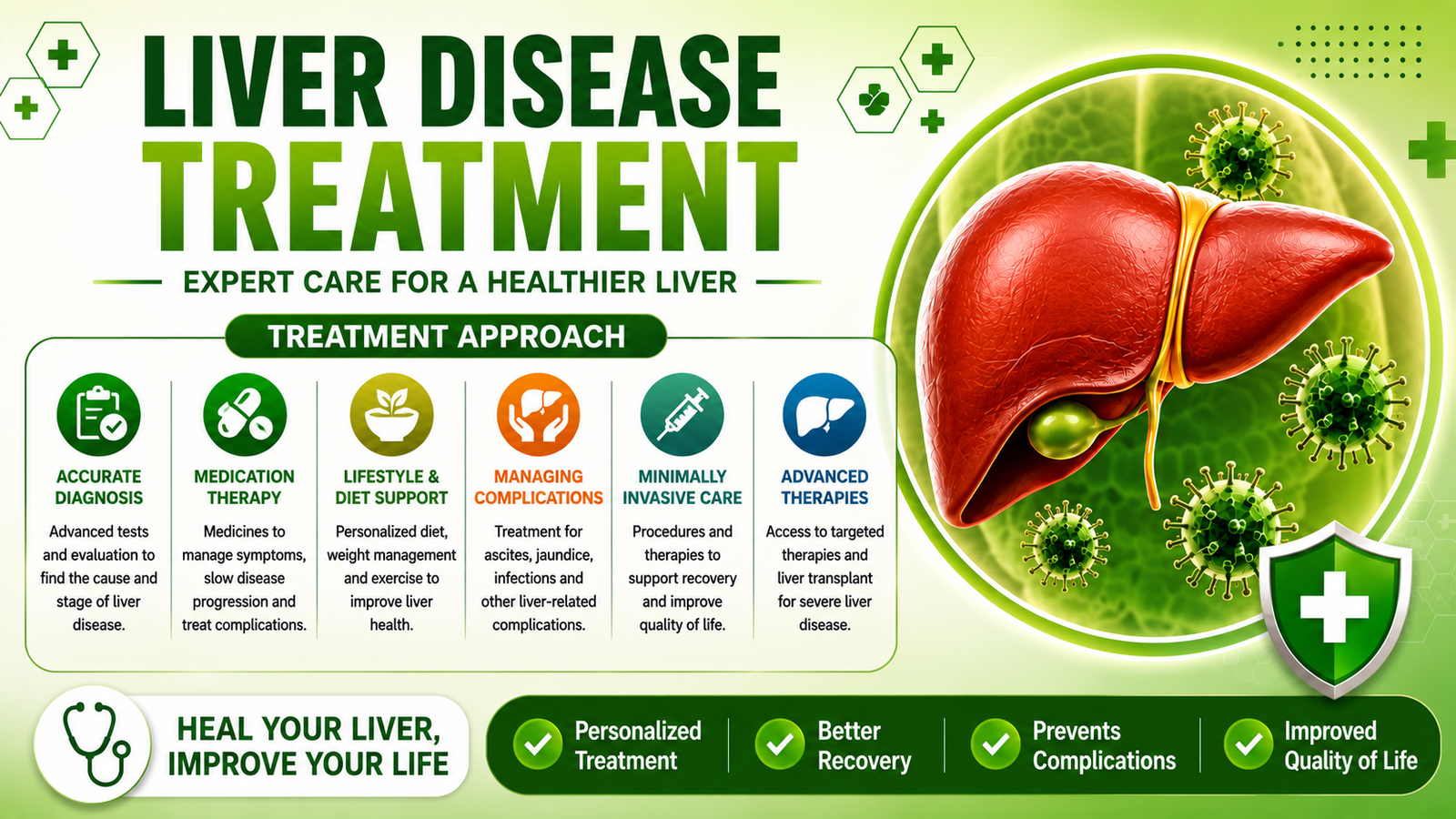
The term liver disease treatment covers many different conditions, including infections, fatty liver disease, cirrhosis, autoimmune disorders, and inherited liver diseases.
Because these conditions have different causes, treatment is always tailored to the individual patient.
For infectious liver diseases, eliminating the infection remains the priority.
For chronic liver disease, doctors focus on slowing disease progression, preventing complications, improving liver function, and addressing the underlying cause.
A healthy lifestyle, maintaining an appropriate body weight, controlling diabetes, avoiding alcohol, and following medical advice all contribute to better long-term liver health.
Fatty Liver Treatment
Although fatty liver disease is not usually caused by an infection, it can lead to liver inflammation and increase the risk of chronic liver damage if left untreated.
Fatty liver treatment
primarily involves lifestyle modification rather than medication alone.
Losing excess body weight gradually, eating a balanced diet rich in vegetables and whole grains, limiting sugary foods, and engaging in regular physical activity can significantly reduce fat accumulation in the liver.
Managing diabetes, high cholesterol, and high blood pressure is equally important because these conditions often contribute to fatty liver disease.
Regular medical check-ups help monitor improvement and prevent complications.
Liver Infection Medicine
There is no single liver infection medicine that treats every type of infection.
The correct medication depends entirely on the cause.
Doctors may prescribe antiviral medicines for hepatitis B or hepatitis C, antibiotics for bacterial liver infections, antiparasitic medicines for amoebic infections, or antifungal medicines in rare fungal infections. Supportive medications may also be used to control fever, nausea, or pain when appropriate.
Patients should never self-medicate because taking the wrong medicine may delay recovery or even worsen liver damage. All medications should be used under the supervision of a qualified healthcare professional.
Antibiotics for Liver Infection
Antibiotics for liver infection are effective only when bacteria are responsible for the infection. They do not work against viruses such as hepatitis B or hepatitis C.
The choice of antibiotic depends on the bacteria involved, the severity of the illness, and local antibiotic resistance patterns.
Hospitalized patients often receive intravenous antibiotics before transitioning to oral medication as their condition improves.
Completing the full course of antibiotics is essential, even if symptoms improve early, because stopping treatment too soon may allow the infection to return.
Liver Infection Treatment at Home
Many people search for liver infection treatment at home, but it is important to understand that home care cannot replace medical treatment for a confirmed liver infection.
Home care should only be used as supportive treatment alongside the plan recommended by a doctor.
Drinking enough water, eating a nutritious diet, getting adequate rest, avoiding alcohol, and taking prescribed medicines exactly as directed can support the body’s healing process.
Herbal remedies and dietary supplements should not be used without medical advice because some products marketed for liver health may actually cause liver injury or interact with prescription medications.
What Is the Best Treatment for Liver Infection?
The best treatment for liver infection is the one that targets the underlying cause.
There is no universal treatment that works for every patient.
A bacterial liver infection responds best to appropriate antibiotics, while viral hepatitis may require antiviral medicines or supportive care, depending on the virus involved.
Liver abscesses often need both antibiotics and drainage, whereas fatty liver disease improves mainly through healthy lifestyle changes.
The most important step is obtaining an accurate diagnosis as early as possible.
Prompt medical treatment, regular follow-up, and healthy lifestyle habits provide the best chance of complete recovery while reducing the risk of long-term liver damage.
Liver Infection Recovery Time
One of the most common questions patients ask is, “How long does it take to recover from a liver infection?” The answer depends on the type of infection, how early treatment begins, the patient’s overall health, and whether any complications have developed.
Liver infection recovery time varies from person to person. Mild viral infections such as hepatitis A often improve within a few weeks, although complete recovery may take several months.
Bacterial liver infections generally begin to improve within a few days after appropriate antibiotics are started, but patients usually need several weeks to recover fully.
Recovery from a liver abscess may take longer, particularly if drainage procedures are required.
Chronic infections such as hepatitis B and hepatitis C have a different course.
While hepatitis C can often be cured with modern antiviral medicines, hepatitis B may require long-term monitoring and treatment to control the virus and prevent liver damage.
Several factors influence recovery, including:
The type and severity of the infection
How quickly treatment begins
Age and general health
Existing liver disease or other medical conditions
Following the prescribed treatment plan
Maintaining a healthy lifestyle during recovery
Patients should continue follow-up appointments even after symptoms improve because liver function may take time to return to normal.
Can Liver Infections Be Prevented?
Many liver infections are preventable. Simple lifestyle habits, good hygiene, and timely vaccination can significantly reduce the risk of infection and protect long-term liver health.
The most effective prevention measures include:
Get vaccinated against hepatitis A and hepatitis B if recommended by your doctor.
Drink clean, safe drinking water and avoid contaminated food.
Wash your hands thoroughly before eating and after using the restroom.
Never share needles, razors, or personal hygiene items.
Ensure blood transfusions and medical procedures are performed using sterile equipment.
Practice safe sex to reduce the risk of hepatitis B transmission.
Maintain a healthy weight to lower the risk of fatty liver disease.
Avoid excessive alcohol consumption.
Take medicines only as prescribed and avoid unnecessary herbal supplements.
Schedule regular health check-ups if you have diabetes, obesity, or chronic liver disease.
Following these preventive measures can reduce the risk of both infectious and non-infectious liver conditions.
When Should You See a Doctor?
Some liver infections cause only mild symptoms initially, while others progress rapidly.
Seeking medical advice early improves the chances of successful treatment and reduces the risk of permanent liver damage.
You should consult a healthcare professional if you experience persistent fatigue, fever, loss of appetite, nausea, pain in the upper right abdomen, or yellowing of the skin or eyes.
These symptoms should never be ignored, especially if they continue for several days.
Emergency medical attention is necessary if you develop severe abdominal pain, confusion, difficulty staying awake, repeated vomiting, heavy jaundice, difficulty breathing, or signs of internal bleeding.
These symptoms may indicate severe liver damage or a serious infection that requires immediate hospital care.
Frequently Asked Questions
Can a liver infection be cured?
Yes. Many liver infections can be treated successfully when diagnosed early. The outcome depends on the underlying cause.
Some viral infections resolve on their own, bacterial infections usually respond well to antibiotics, and hepatitis C can often be cured with modern antiviral medicines.
Which medicine is used for a liver infection?
There is no single medicine for every liver infection. Doctors prescribe antiviral medicines for certain viral infections, antibiotics for bacterial infections, antiparasitic medicines for parasitic infections, or other treatments depending on the diagnosis.
Can liver infection treatment at home cure the disease?
No. Home care can support recovery by promoting rest, hydration, and healthy nutrition, but it cannot replace professional medical treatment.
Anyone with symptoms of a liver infection should seek medical evaluation.
Are antibiotics effective for every liver infection?
No. Antibiotics for liver infection are only effective against bacterial infections. They do not treat viral infections such as hepatitis B or hepatitis C.
Is fatty liver the same as a liver infection?
No. Fatty liver disease is caused by the accumulation of fat within liver cells and is usually related to obesity, diabetes, or excessive alcohol intake. Although fatty liver can lead to inflammation, it is different from an infection caused by viruses or bacteria.
Conclusion
The liver plays a vital role in keeping the body healthy, and any infection affecting this organ should be taken seriously. Recognizing liver infection symptoms early and identifying liver infection causes allow doctors to provide timely and effective care before complications develop.
Modern liver infection treatment depends on the underlying cause.
Bacterial infections are typically managed with appropriate antibiotics, viral infections may require antiviral therapy or supportive care, and conditions such as liver abscesses often need both medication and drainage procedures.
Lifestyle changes also play an important role in fatty liver treatment and overall liver health.
While many people search for liver infection treatment at home, home remedies should only support—not replace—professional medical care.
Self-medicating or delaying treatment can increase the risk of serious complications, including liver failure and permanent liver damage.
If you notice persistent fatigue, jaundice, fever, abdominal pain, or other warning signs, consult a qualified liver specialist without delay.
Early diagnosis, following the prescribed treatment plan, maintaining a healthy diet, avoiding alcohol, and attending regular follow-up appointments offer the best chance of a full recovery and long-term liver health.