
The liver is one of the hardest-working organs in the human body. It performs more than 500 essential functions, including removing toxins, processing nutrients, producing bile, storing energy, and supporting immunity.
Despite its importance, liver diseases often develop silently. Many people do not notice symptoms until the condition has progressed.
If you have persistent fatigue, yellow eyes, abdominal discomfort, abnormal liver function tests, or a history of hepatitis, consulting a qualified liver specialist can help prevent serious complications.
Whether you are dealing with fatty liver disease, hepatitis B, hepatitis C, liver cirrhosis, or liver fibrosis, timely diagnosis and treatment significantly improve long-term outcomes.
This comprehensive guide explains when to visit a liver specialist, which conditions they treat, how liver diseases are diagnosed, and what treatment options are available.
If you are searching for the top liver specialist in Karachi, this article will help you make an informed healthcare decision while learning practical ways to protect your liver.
Who Is the Best Liver Specialist in Karachi?
A liver specialist is a physician with advanced training in diagnosing and treating diseases that affect the liver, gallbladder, bile ducts, and pancreas.
Most liver specialists are hepatologists, while many experienced gastroenterologists also manage liver disorders because these conditions are closely linked to the digestive system.
If you are looking for the Best liver specialist in Karachi, consider the following factors instead of relying only on online ratings:
- Board certification and professional qualifications
- Years of clinical experience
- Expertise in treating complex liver diseases
- Experience with FibroScan, endoscopy, and ERCP
- Patient reviews and treatment outcomes
- Hospital facilities and diagnostic services
- Clear communication and personalized care
Among experienced liver physicians in Karachi, Dr. Aziz Ur Rehman is widely recognized for evaluating and treating a broad range of liver disorders.
His clinical approach focuses on early diagnosis, evidence-based treatment plans, and long-term patient care for conditions ranging from fatty liver disease to chronic hepatitis and cirrhosis.
Featured Snippet
Who is the best liver specialist in Karachi?
The best liver specialist is a qualified hepatologist or experienced gastroenterologist with expertise in diagnosing and treating liver diseases such as fatty liver, hepatitis, cirrhosis, liver fibrosis, and liver cancer.
Look for experience, modern diagnostic facilities, and patient-centered care when choosing a specialist.
When Should You See a Liver Specialist?
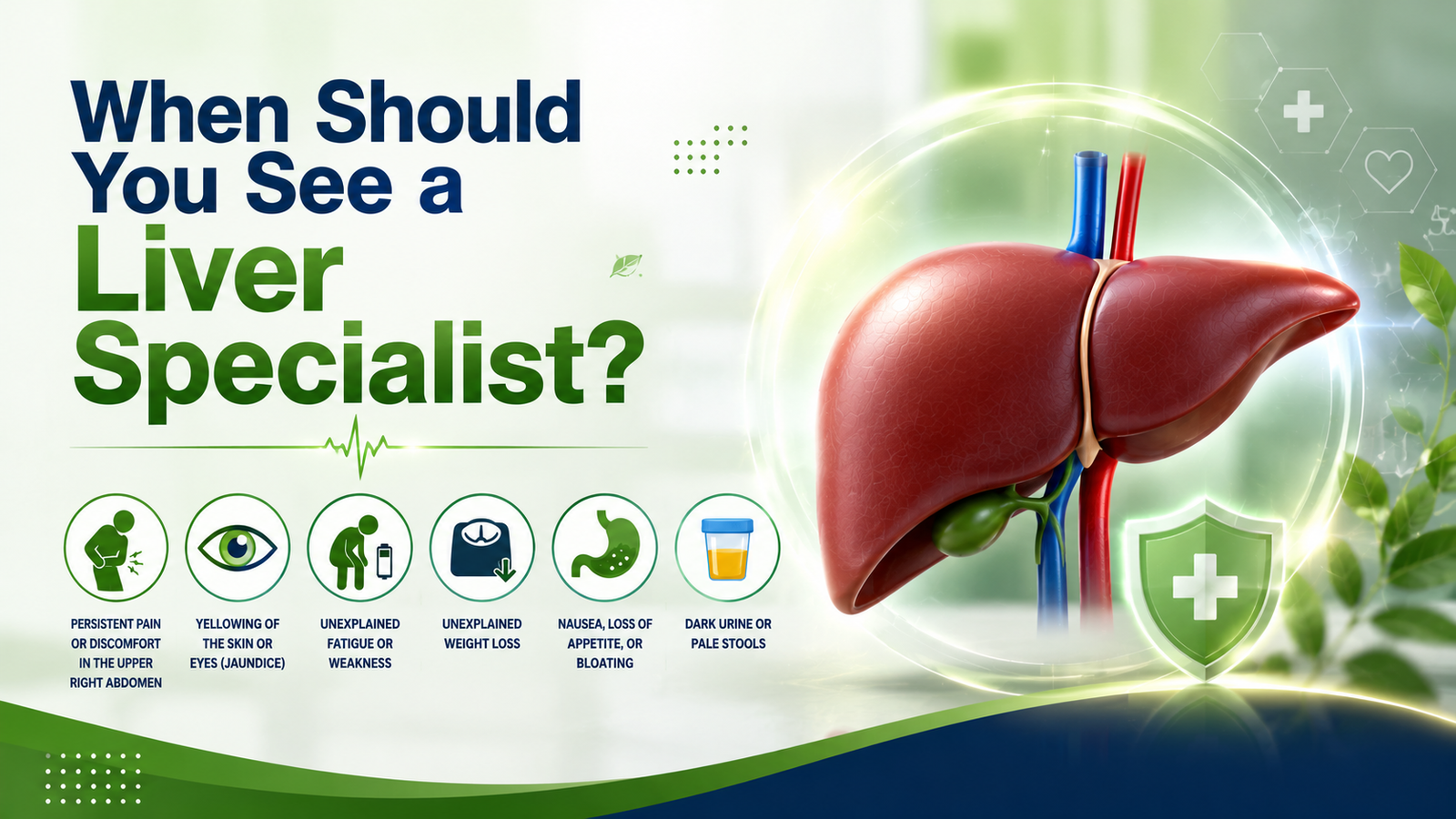
Many liver diseases remain symptom-free during the early stages.
That is why routine evaluation becomes important, especially if you have risk factors.
You should consult a Liver doctor in Karachi if you experience:
- Yellow skin or yellow eyes
- Persistent fatigue
- Pain in the right upper abdomen
- Swollen abdomen
- Dark urine
- Pale stools
- Loss of appetite
- Unexplained weight loss
- Frequent nausea or vomiting
- Itchy skin
- Leg swelling
- Elevated liver enzymes
- Positive hepatitis B or hepatitis C test
- Family history of liver disease
People with diabetes, obesity, high cholesterol, or metabolic syndrome are also at increased risk of developing Non Alcoholic Fatty Liver Disease (NAFLD) and should undergo regular liver checkups.
Real Life Example
A 45-year-old office worker experienced tiredness for several months but ignored it, assuming it was due to work stress.
Routine blood tests later revealed elevated liver enzymes.
After consultation with a Hepatologist in Karachi, further evaluation confirmed fatty liver disease.
Early lifestyle modifications helped reverse liver damage before permanent scarring developed.
What Does a Liver Specialist Treat?
A Liver disease specialist in Karachi manages a wide variety of liver conditions ranging from mild inflammation to advanced liver failure.
Common conditions include:
Fatty Liver Disease
One of the fastest-growing liver disorders worldwide is often associated with obesity and diabetes.
Hepatitis B
A viral infection that may become chronic without timely treatment.
Hepatitis C
An infection that can often be cured with modern antiviral medications.
Liver Cirrhosis
Permanent scarring of the liver caused by chronic injury.
Liver Fibrosis
Early scarring that may improve with proper treatment.
Liver Cancer
Including Hepatocellular Carcinoma (HCC), which usually develops in patients with chronic liver disease.
Autoimmune Hepatitis
A condition where the immune system attacks liver cells.
Liver Abscess
A serious bacterial infection requiring immediate treatment.
Wilson Disease
A rare inherited disorder causing copper accumulation in the liver.
Hemochromatosis
An inherited condition involving excessive iron storage.
Primary Biliary Cholangitis
A chronic autoimmune disease affecting the bile ducts.
Primary Sclerosing Cholangitis
A progressive disease involving inflammation and narrowing of the bile ducts.
Can a Gastroenterologist Treat Liver Disease?
Yes. Many experienced Gastroenterologists and liver specialists in Karachi diagnose and treat liver disorders because the liver is closely connected to the digestive system.
However, patients with advanced liver disease often benefit from consultation with a dedicated hepatologist, especially when dealing with:
- Advanced cirrhosis
- Portal hypertension
- Liver failure
- Liver cancer
- Liver transplant evaluation
- Complicated hepatitis infections
Gastroenterologist vs Hepatologist
Gastroenterologist | Hepatologist |
Treats digestive diseases | Specializes primarily in liver diseases |
Performs endoscopy and ERCP | Focuses on complex liver disorders |
Manages fatty liver and hepatitis | Treats advanced cirrhosis and liver failure |
Handles digestive complaints | Provides specialized liver care |
Both specialists often work together to provide comprehensive treatment.
How Do Doctors Diagnose Liver Disease?
Early diagnosis is the key to preventing serious liver damage. A Liver consultant in Karachi usually begins with a detailed medical history and physical examination before recommending specific investigations.
Common diagnostic tests include:
Liver Function Tests (LFT)
These blood tests evaluate liver health by measuring:
- ALT
- AST
- Bilirubin
- Albumin
- Alkaline phosphatase
- GGT
Abnormal values may indicate inflammation, infection, or liver injury.
Liver Ultrasound
A painless imaging test used to detect:
- Fatty liver
- Liver enlargement
- Liver cysts
- Tumors
- Cirrhosis
FibroScan
FibroScan is a non-invasive test that measures liver stiffness.
It helps detect liver fibrosis and cirrhosis without requiring surgery or a biopsy.
Viral Hepatitis Testing
Blood tests identify:
- Hepatitis B infection
- Hepatitis C infection
- Viral load
- Immune status
Liver Biopsy
Although not required for every patient, a biopsy may be recommended when the diagnosis remains uncertain or when doctors need to determine the severity of liver damage.
Featured Snippet
Which tests are used to check liver health?
Doctors commonly assess liver health using liver function tests (LFTs), liver ultrasound, FibroScan, hepatitis screening, CT scan, MRI, and, in selected cases, a liver biopsy.
The choice of tests depends on symptoms, medical history, and suspected liver disease.
Why Is Early Liver Treatment So Important?
Many liver conditions are reversible during their early stages, but become much harder to treat after permanent scarring develops.
Early diagnosis can help:
- Prevent liver cirrhosis
- Reduce the risk of liver cancer
- Improve treatment success
- Avoid liver failure
- Protect overall health
- Improve quality of life
- Reduce long-term healthcare costs
According to global liver health data published by the World Health Organization (WHO), viral hepatitis remains one of the leading causes of chronic liver disease worldwide.
At the same time, non alcoholic fatty liver disease continues to increase because of obesity and diabetes, making early screening more important than ever.
Can Fatty Liver Be Cured?
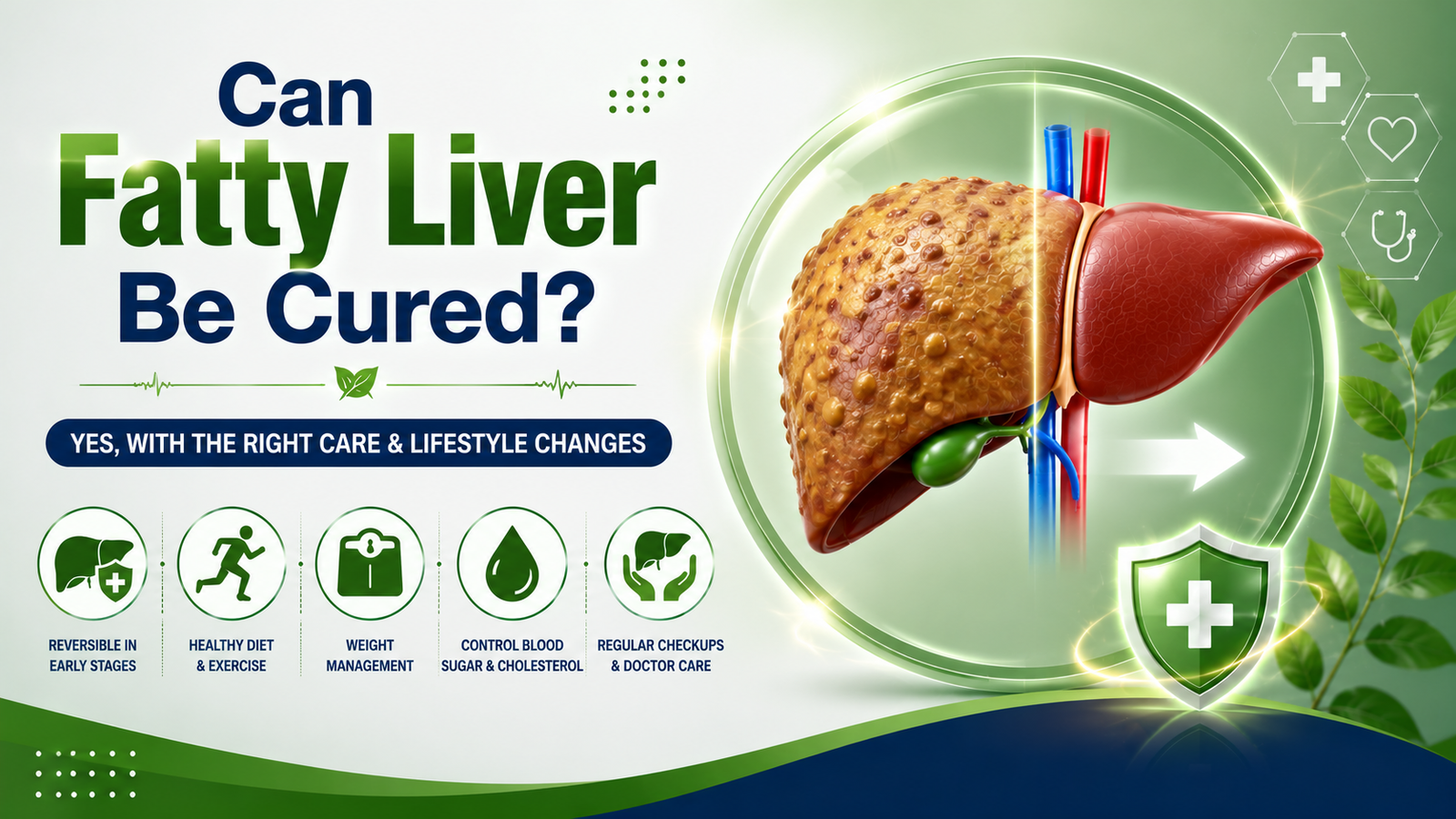
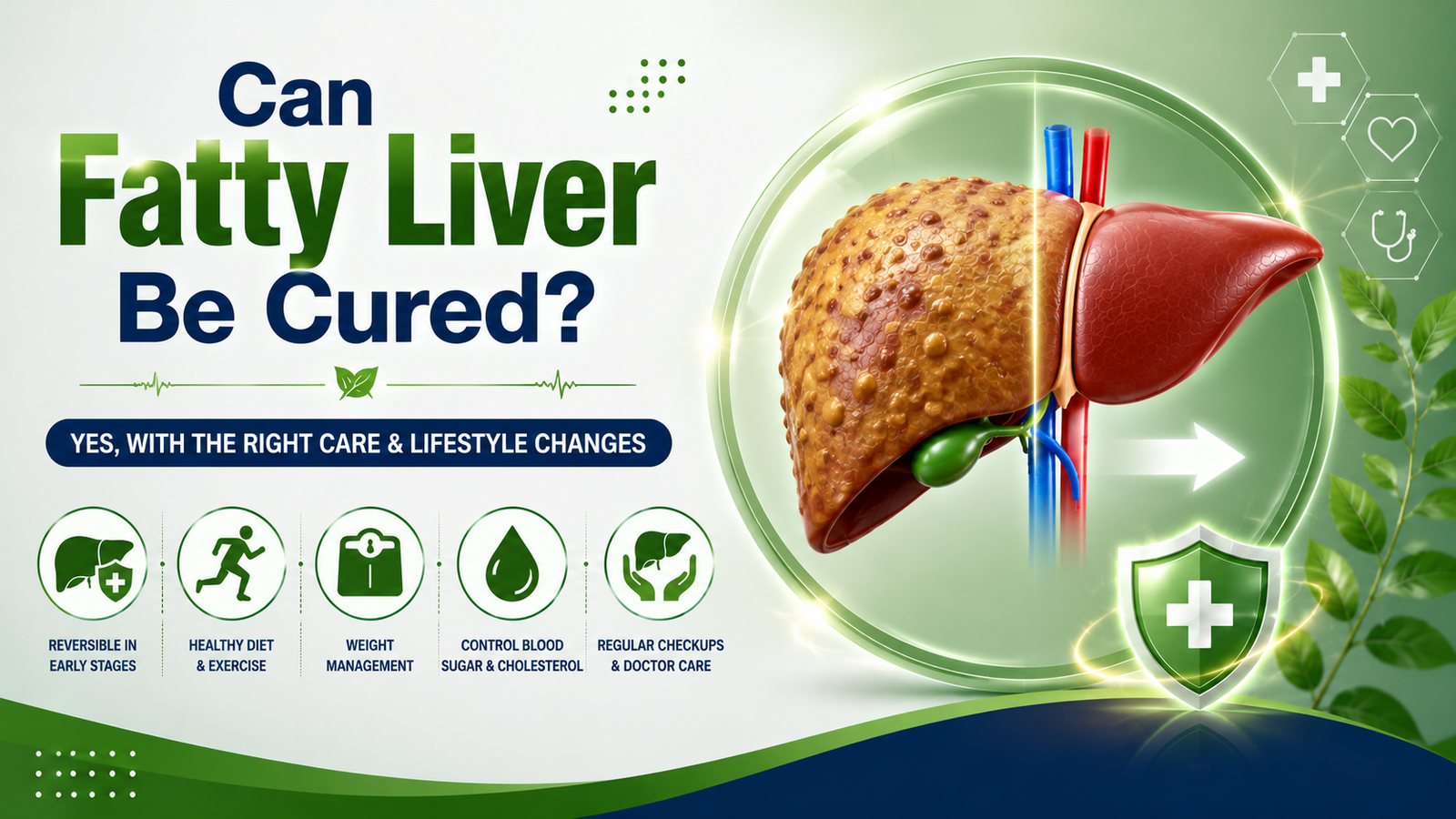
Yes, in many cases, fatty liver disease can be reversed, especially when diagnosed early.
The outcome depends on the stage of the disease and whether liver scarring has already developed.
People with Non Alcoholic Fatty Liver Disease (NAFLD) often improve significantly through lifestyle changes. However, if fatty liver progresses to Non Alcoholic Steatohepatitis (NASH) or advanced fibrosis, treatment becomes more complex and requires close medical supervision.
Featured Snippet
Can fatty liver be cured?
Yes. Early-stage fatty liver can often be reversed with weight management, regular exercise, a balanced diet, diabetes control, and treatment of underlying medical conditions.
Advanced liver scarring may not be completely reversible, but proper treatment can slow or stop disease progression.
Common Causes of Fatty Liver
- Obesity
- Type 2 diabetes
- High cholesterol
- High triglycerides
- Metabolic syndrome
- Excessive alcohol intake
- Certain medications
- Rapid weight gain
Practical Lifestyle Tips
A qualified Best hepatologist in Karachi may recommend:
- Losing 7 to 10 percent of body weight gradually
- Walking or exercising at least 150 minutes per week
- Limiting sugary drinks and processed foods
- Eating more vegetables, fruits, and whole grains
- Choosing lean protein, such as fish and chicken
- Avoiding unnecessary medications without medical advice
- Completely avoiding alcohol if liver damage is present
What Treatments Are Available for Hepatitis B and Hepatitis C?
Viral hepatitis remains one of the leading causes of chronic liver disease worldwide.
Early diagnosis helps reduce complications and improve long-term outcomes.
Hepatitis B Treatment Karachi
Although hepatitis B cannot always be completely cured, modern antiviral medicines can successfully control the virus and reduce liver damage.
Treatment may include:
- Regular liver function monitoring
- Antiviral medications
- Ultrasound screening
- Liver cancer surveillance
- Vaccination for family members when appropriate
Patients should never stop medication without consulting a liver specialist.
Hepatitis C Specialist Karachi
Unlike hepatitis B, hepatitis C can often be cured using modern Direct-Acting Antiviral (DAA) medicines.
Most patients complete treatment within:
- 8 to 12 weeks
- High cure rates exceeding 95 percent in suitable patients
- Minimal side effects compared with older therapies
Early treatment greatly reduces the risk of cirrhosis and liver cancer.
What Is Liver Fibrosis and Can It Be Reversed?
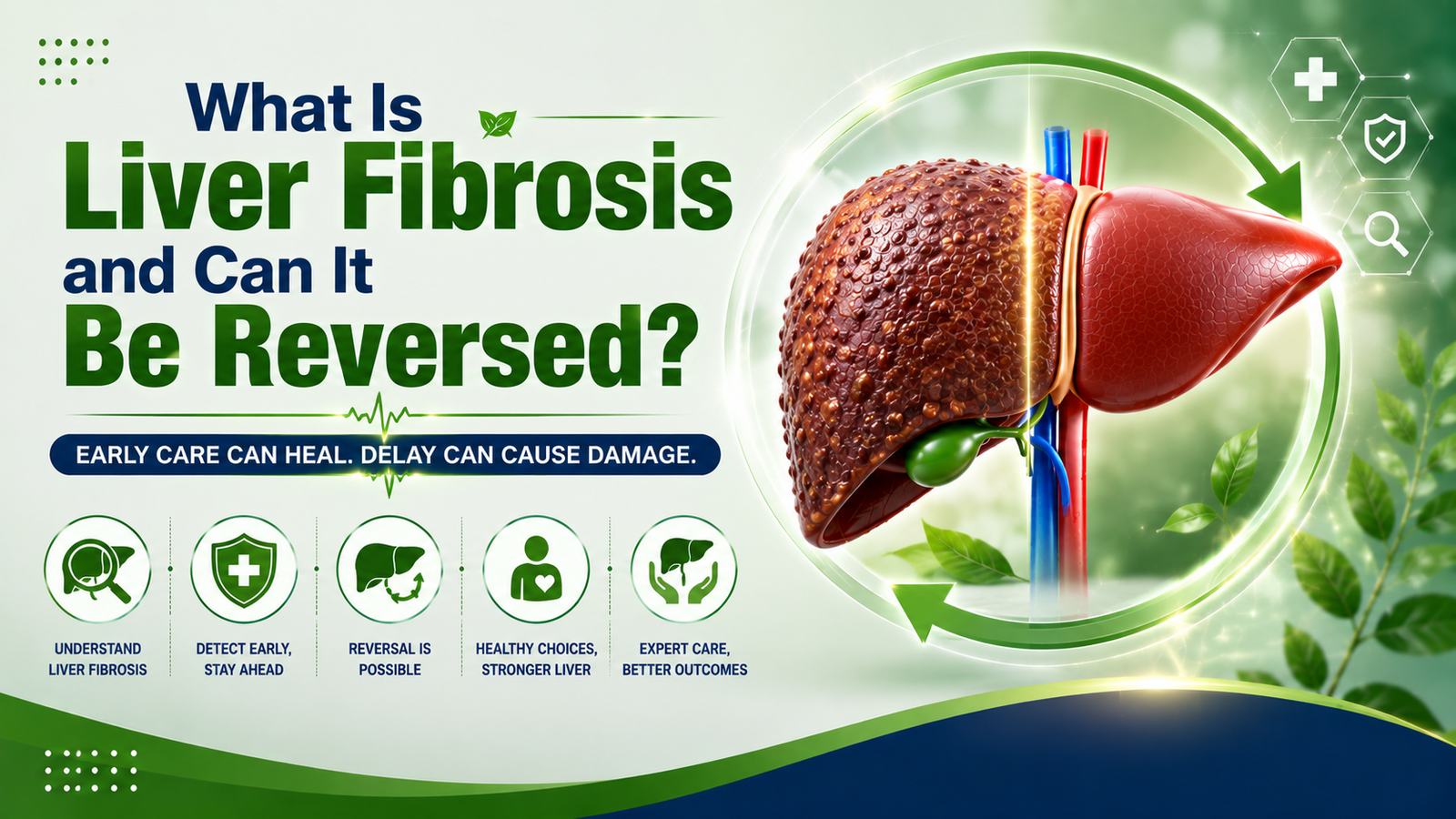
Liver fibrosis refers to the formation of scar tissue after repeated liver injury.
Unlike cirrhosis, early fibrosis may improve if the underlying cause is treated.
Common causes include:
- Hepatitis B
- Hepatitis C
- Fatty liver disease
- Alcohol related liver disease
- Autoimmune hepatitis
Liver Fibrosis Treatment Karachi
Treatment usually focuses on:
- Controlling inflammation
- Treating viral infections
- Weight management
- Blood sugar control
- Avoiding alcohol
- Monitoring liver stiffness using FibroScan
Early intervention offers the best chance of preventing permanent liver damage.
How Is Liver Cancer Diagnosed and Treated?
Liver cancer specialists in Karachi diagnose liver tumors using advanced imaging and laboratory testing.
Common investigations include:
- Ultrasound
- Triple-phase CT scan
- MRI
- Alpha Fetoprotein (AFP) blood test
- Liver biopsy in selected patients
Treatment Options
Depending on disease stage, treatment may involve:
- Surgical removal
- Radiofrequency ablation
- Targeted therapy
- Immunotherapy
- Chemotherapy
- Liver transplantation
- Palliative care for advanced disease
Early detection significantly improves survival rates.
When Is Liver Transplant Evaluation Needed?
A Liver transplant specialist in Karachi evaluates patients whose liver can no longer perform its essential functions.
Common indications include:
- End-stage cirrhosis
- Liver failure
- Certain liver cancers
- Advanced autoimmune liver disease
- Metabolic liver disorders
Evaluation includes:
- Comprehensive blood tests
- Heart assessment
- Imaging studies
- Nutritional evaluation
- Psychological assessment
- Donor suitability assessment
Not every patient requires transplantation, and many conditions can be managed successfully before reaching this stage.
Which Lifestyle Changes Protect Your Liver?
Medical treatment works best when combined with healthy daily habits.
Experts commonly recommend:
- Maintain a healthy body weight.
- Exercise regularly.
- Sleep 7 to 8 hours each night.
- Stay physically active.
- Control diabetes and blood pressure.
- Get vaccinated against hepatitis when advised.
- Avoid smoking.
- Practice safe hygiene to minimize the risk of infection.
- Never share needles or razors.
- Use medications only as prescribed.
- Schedule regular liver checkups in Karachi if you have ongoing risk factors.
What Mistakes Should People Avoid?
Many patients unintentionally delay treatment because liver disease often develops quietly.
Avoid these common mistakes:
- Ignoring abnormal liver function tests
- Delaying specialist consultation
- Self-medicating with herbal supplements
- Continuing alcohol consumption despite liver disease
- Skipping follow-up appointments
- Assuming fatty liver is harmless
- Ignoring hepatitis screening
- Stopping prescribed medicines without medical advice
Early treatment almost always leads to better long-term results.
Expert Recommendations for Better Liver Health
Leading organizations, including the World Health Organization (WHO) and major liver associations, emphasize prevention as the most effective strategy.
Healthcare professionals recommend:
- Routine health screening for high-risk individuals
- Early treatment of hepatitis infections
- Healthy weight management
- Regular physical activity
- Diabetes control
- Vaccination against hepatitis B
- Avoiding excessive alcohol consumption
- Regular monitoring for patients with chronic liver disease
Patients with persistent liver symptoms should consult an experienced Liver care specialist in Karachi for a personalized evaluation and treatment plan.
What Should You Look for When Choosing a Liver Specialist?
Choosing the right specialist is one of the most important decisions for anyone diagnosed with liver disease. While online reviews can be helpful, they should not be the only factor.
A good specialist combines medical expertise with clear communication and evidence-based care.
When comparing specialists, consider the following:
- Relevant qualifications in gastroenterology or hepatology
- Experience treating both common and complex liver diseases
- Access to modern diagnostic tools such as FibroScan, Liver Function Tests (LFTs), liver ultrasound, endoscopy, and ERCP
- A patient-centered approach that explains treatment options clearly
- Regular follow-up and long-term disease management
- Affiliation with a reputable hospital or liver clinic
- Positive patient experiences and professional reputation
If you are searching for a Liver specialist in DHA Karachi, a liver specialist in Clifton Karachi, a liver specialist in Gulshan e Iqbal, a liver specialist in PECHS, a liver specialist in North Nazimabad, a liver specialist in Bahadurabad, or elsewhere in Karachi, Pakistan, selecting an experienced physician with comprehensive liver care services can make a significant difference in diagnosis and recovery.
Who Is Dr. Aziz Ur Rehman, and Why Do Many Patients Choose Him?
Among experienced liver physicians in Karachi, Dr. Aziz Ur Rehman is recognized for managing a wide range of liver and digestive disorders.
Patients commonly seek his opinion for conditions such as:
- Fatty liver disease
- Hepatitis B
- Hepatitis C
- Liver fibrosis
- Liver cirrhosis
- Jaundice
- Elevated liver enzymes
- Liver enlargement
- Chronic liver disease
- Digestive and gastrointestinal disorders
His approach focuses on:
- Thorough clinical evaluation
- Evidence-based diagnosis
- Personalized treatment plans
- Lifestyle counseling
- Long term follow up
- Preventive liver care
Rather than treating symptoms alone, the goal is to identify the underlying cause and recommend the most appropriate treatment based on each patient’s condition.
Which Doctor Should You See for Liver Problems?
The following comparison can help you decide which type of specialist is most appropriate.
Specialist | Conditions Treated | Best For |
General Physician | Initial evaluation, routine illnesses | First consultation and basic screening |
Gastroenterologist | Digestive disorders, fatty liver, hepatitis, gallbladder diseases, and endoscopy | Most liver and digestive conditions |
Hepatologist | Complex liver diseases, cirrhosis, liver failure, liver cancer, and transplant evaluation | Advanced liver disorders require specialized care |
Quick Answer
Which doctor treats liver disease in Karachi?
Most patients begin with a gastroenterologist. Individuals with advanced or complicated liver disease may be referred to a hepatologist for specialized management.
What Are the Best Ways to Keep Your Liver Healthy?
Good liver health depends on consistent daily habits rather than quick fixes.
Best Practices
- Eat a balanced diet rich in vegetables, fruits, and whole grains.
- Exercise regularly.
- Maintain a healthy body weight.
- Control diabetes and cholesterol.
- Drink adequate water.
- Avoid smoking.
- Limit or avoid alcohol.
- Receive recommended vaccinations.
- Practice safe hygiene to reduce the risk of hepatitis infections.
- Schedule routine health checkups if you have risk factors.
Even people who feel healthy can benefit from periodic screening, especially if they have obesity, diabetes, high cholesterol, or a family history of liver disease.
Frequently Asked Questions
Who is the top liver specialist in Karachi?
The ideal liver specialist is a qualified hepatologist or experienced gastroenterologist with expertise in diagnosing and treating fatty liver disease, hepatitis, liver cirrhosis, liver fibrosis, liver cancer, and other chronic liver conditions.
Consider qualifications, clinical experience, diagnostic facilities, and patient care when making your choice.
When should I see a liver specialist?
You should consult a liver specialist if you have yellow eyes, yellow skin, persistent fatigue, right upper abdominal pain, elevated liver enzymes, hepatitis infection, unexplained weight loss, or abnormal liver imaging results.
Can a gastroenterologist treat liver disease?
Yes. Many gastroenterologists diagnose and treat common liver diseases, including fatty liver disease, hepatitis, jaundice, and liver fibrosis.
Patients with advanced liver conditions may also require care from a hepatologist.
Can fatty liver disease be prevented?
Yes. Maintaining a healthy weight, exercising regularly, eating a balanced diet, controlling diabetes, avoiding excessive alcohol consumption, and scheduling routine medical checkups can significantly reduce the risk of developing fatty liver disease.
Conclusion
Finding the top liver specialist in Karachi is about choosing a qualified physician who combines experience, accurate diagnosis, and patient-centered care.
Whether you are managing fatty liver disease, hepatitis, liver cirrhosis, liver fibrosis, or another liver condition, early medical attention can prevent complications and improve long term health.
Routine liver checkups, healthy lifestyle choices, and timely treatment are essential for protecting this vital organ.
If you notice persistent symptoms such as jaundice, abdominal pain, abnormal liver function tests, or unexplained fatigue, consult an experienced liver specialist without delay.
Early diagnosis provides the best opportunity for successful treatment and a healthier future.