
Your liver works around the clock to keep your body healthy.
It removes toxins, helps digest food, stores energy, and supports hundreds of essential functions. However, many liver diseases develop silently, showing few symptoms until significant damage has already occurred.
That is why recognizing early warning signs and seeking timely medical care can make a major difference.
If you are searching for the Top Liver Specialist in Karachi, chances are you or a loved one may be dealing with fatty liver disease, hepatitis, jaundice, abnormal liver function tests, or persistent digestive symptoms.
Choosing an experienced hepatologist can help identify the exact cause, prevent complications, and create an effective treatment plan tailored to your condition.
This guide explains common liver diseases, symptoms, diagnostic tests, treatment options, and practical lifestyle tips.
It also answers the questions patients frequently ask before booking a consultation, helping you make informed healthcare decisions.
What Does a Top Liver Specialist in Karachi Treat?
A liver specialist, also known as a hepatologist, focuses on diagnosing, treating, and preventing diseases affecting the liver, gallbladder, bile ducts, and pancreas.
Many hepatologists also work closely with gastroenterologists because digestive and liver disorders often occur together.
A consultant hepatologist commonly manages:
- Fatty Liver Disease (NAFLD and NASH)
- Hepatitis B
- Hepatitis C
- Alcohol related liver disease
- Autoimmune hepatitis
- Liver cirrhosis
- Liver fibrosis
- Liver failure
- Liver cancer
- Portal hypertension
- Ascites
- Wilson disease
- Hemochromatosis
- Drug induced liver injury
- Liver infections
- Chronic jaundice
In advanced cases, a liver specialist also performs liver transplant evaluation and works with transplant surgeons to determine whether transplantation is the best treatment option.
Featured Snippet Answer:
A liver specialist, or hepatologist, diagnoses and treats liver diseases such as fatty liver disease, hepatitis B and C, cirrhosis, liver cancer, liver failure, jaundice, and other hepatobiliary disorders.
When Should You Visit a Liver Doctor in Karachi?
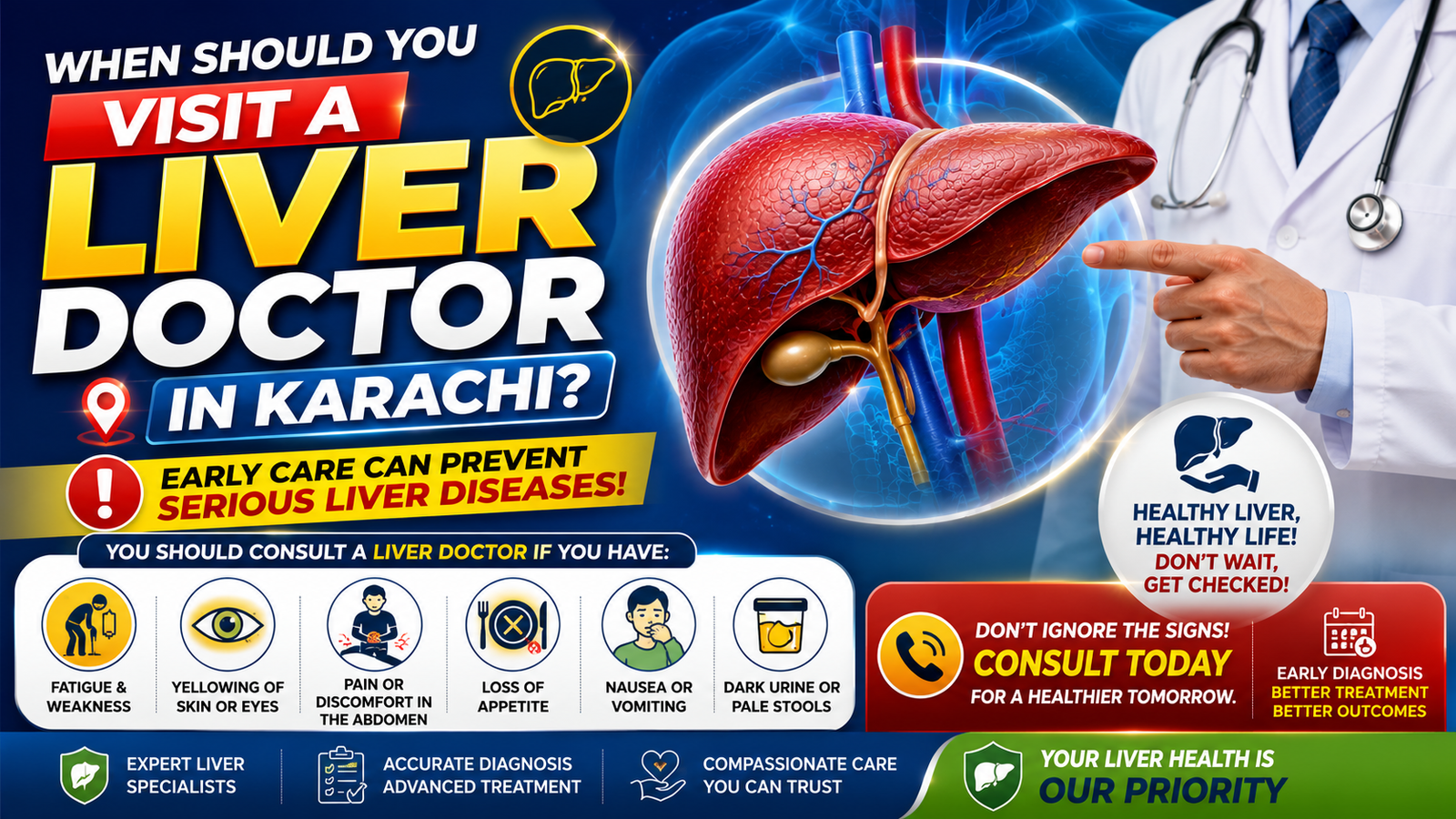
Many people ignore early liver symptoms because they appear mild or resemble common digestive problems.
Unfortunately, delaying medical evaluation can allow liver damage to progress.
You should schedule an appointment if you experience:
- Pain in the upper right abdomen
- Yellow eyes or yellow skin
- Chronic fatigue
- Dark colored urine
- Pale stool
- Persistent nausea and vomiting
- Loss of appetite
- Unexplained weight loss
- Swollen abdomen
- Itchy skin without an obvious cause
- Swelling in the legs
- Easy bruising
- Confusion in advanced liver disease
Some patients discover liver problems only after routine blood tests reveal abnormal liver enzymes. Even if you feel well, abnormal liver function tests should never be ignored.
Risk Factors That Increase Liver Disease
Certain conditions increase your chances of developing liver disease.
These include:
- Obesity
- Diabetes
- High cholesterol
- Excess alcohol consumption
- Viral hepatitis infection
- Family history of liver disease
- Long term use of certain medications
- Exposure to contaminated needles
- Blood transfusions before routine hepatitis screening
- Metabolic syndrome
Early evaluation often prevents permanent liver damage.
How Can You Tell If Your Liver Needs Medical Attention?
The liver has an impressive ability to repair itself.
However, ongoing damage eventually causes inflammation, scarring, and reduced function.
Early Symptoms
Many patients notice:
- Mild tiredness
- Poor appetite
- Bloating
- Indigestion
- Mild abdominal discomfort
Because these symptoms are non-specific, people often mistake them for acidity or gastritis.
Advanced Symptoms
As liver disease progresses, patients may develop:
- Yellow skin and eyes
- Fluid buildup in the abdomen (ascites)
- Swollen legs
- Severe fatigue
- Mental confusion
- Vomiting blood due to portal hypertension
- Easy bleeding
These symptoms require immediate medical assessment.
Practical Example
A 42-year-old office worker with obesity experienced fatigue for several months. Routine testing during a company health check showed elevated liver enzymes.
A FibroScan confirmed fatty liver disease with early fibrosis. Through weight loss, exercise, dietary changes, and specialist care, liver inflammation improved significantly within one year.
This example highlights the importance of early diagnosis before irreversible liver damage develops.
Which Liver Diseases Are Most Common in Karachi?
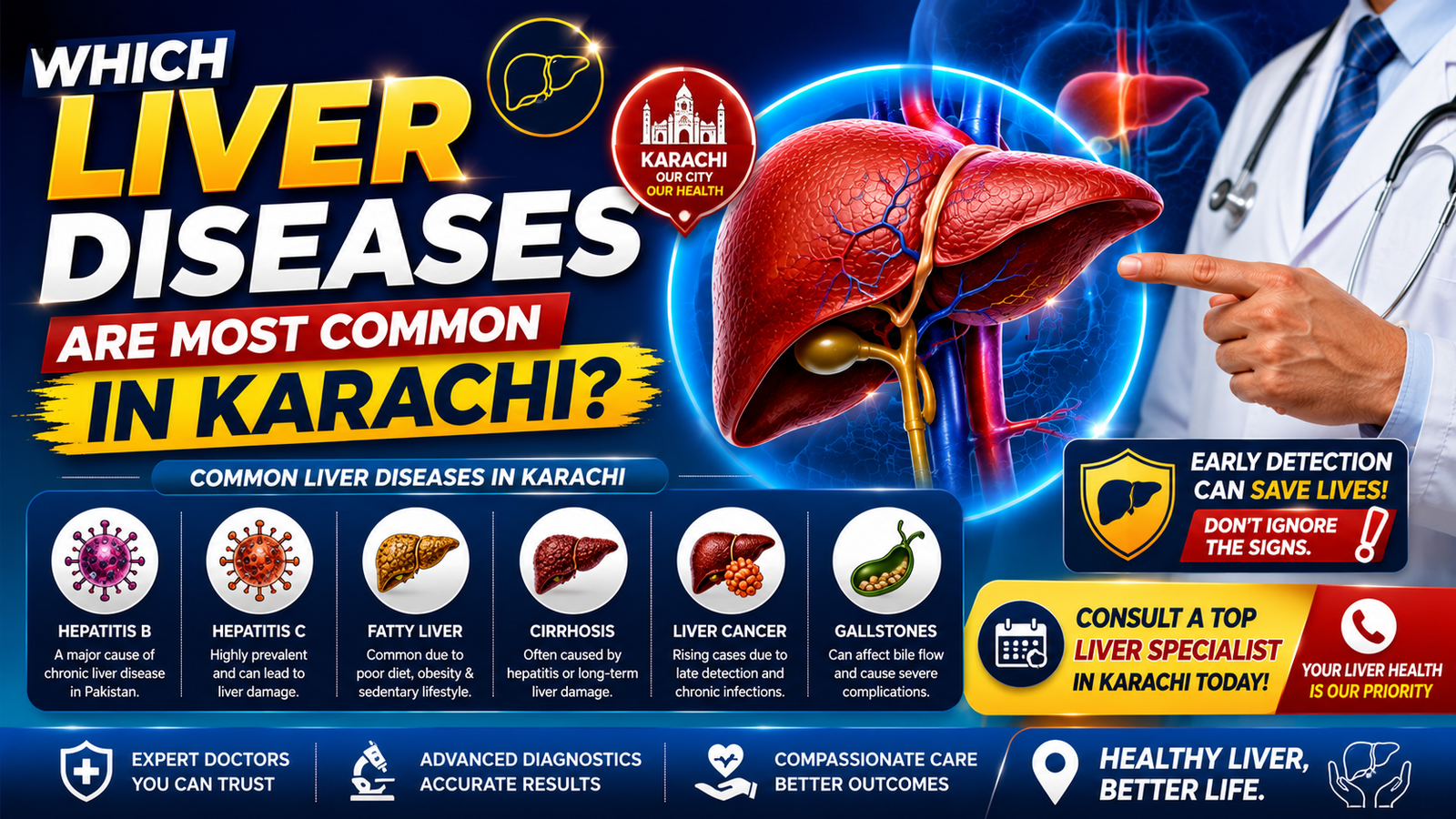
Several liver disorders are frequently diagnosed in Pakistan.
Early diagnosis and regular follow-up help reduce the risk of complications.
Fatty Liver Disease
Fatty liver disease occurs when excess fat accumulates inside liver cells.
Common causes include:
- Obesity
- Diabetes
- High cholesterol
- Poor diet
- Physical inactivity
Many patients have no symptoms during the early stages.
Fortunately, lifestyle modification remains the most effective treatment for most individuals.
Hepatitis B
Hepatitis B is a viral infection that spreads through infected blood and body fluids.
Without treatment, chronic infection may lead to:
- Liver fibrosis
- Cirrhosis
- Liver cancer
Vaccination remains one of the best methods of prevention.
Hepatitis C
Hepatitis C often remains silent for years.
Today, highly effective antiviral medications can cure most patients when diagnosed early.
Liver Cirrhosis
Cirrhosis develops when healthy liver tissue is gradually replaced by scar tissue.
Possible causes include:
- Chronic hepatitis
- Alcohol related liver disease
- Fatty liver disease
- Autoimmune disorders
Although cirrhosis cannot always be reversed, proper treatment can slow progression and improve quality of life.
Liver Cancer
Liver cancer often develops in patients with long-standing liver disease.
Risk factors include:
- Hepatitis B
- Hepatitis C
- Cirrhosis
- Chronic inflammation
Regular screening allows specialists to detect liver tumors at earlier, more treatable stages.
Autoimmune and Genetic Liver Disorders
Although less common, hepatologists also diagnose conditions such as:
- Autoimmune hepatitis
- Wilson disease
- Hemochromatosis
- Primary biliary cholangitis
- Primary sclerosing cholangitis
These diseases often require lifelong monitoring and specialized treatment.
How Does a Hepatologist Diagnose Liver Disease?
An accurate diagnosis begins with a detailed medical history and physical examination.
Your specialist evaluates symptoms, family history, medication use, lifestyle habits, and previous infections before recommending appropriate investigations.
Common diagnostic tests include:
Diagnostic Test | Purpose |
Liver Function Test (LFT) | Measures liver enzymes and overall liver health |
Hepatitis Screening | Detects Hepatitis B and Hepatitis C infections |
FibroScan | Assesses liver stiffness and fibrosis without surgery |
Liver Ultrasound | Identifies fatty liver, cysts, and structural changes |
CT Scan Liver | Provides detailed imaging of liver abnormalities |
MRI Liver | Evaluates tumors and complex liver conditions |
Alpha Fetoprotein (AFP) | Helps screen patients at risk for liver cancer |
Liver Biopsy | Confirms diagnosis when imaging is inconclusive |
Endoscopy | Detects esophageal varices caused by portal hypertension |
MRCP / ERCP | Examines bile ducts and treats certain biliary disorders |
Modern diagnostic tools allow many liver diseases to be detected before symptoms become severe, improving treatment outcomes and reducing the risk of long-term complications.
What Are the Most Effective Treatments for Liver Disease?
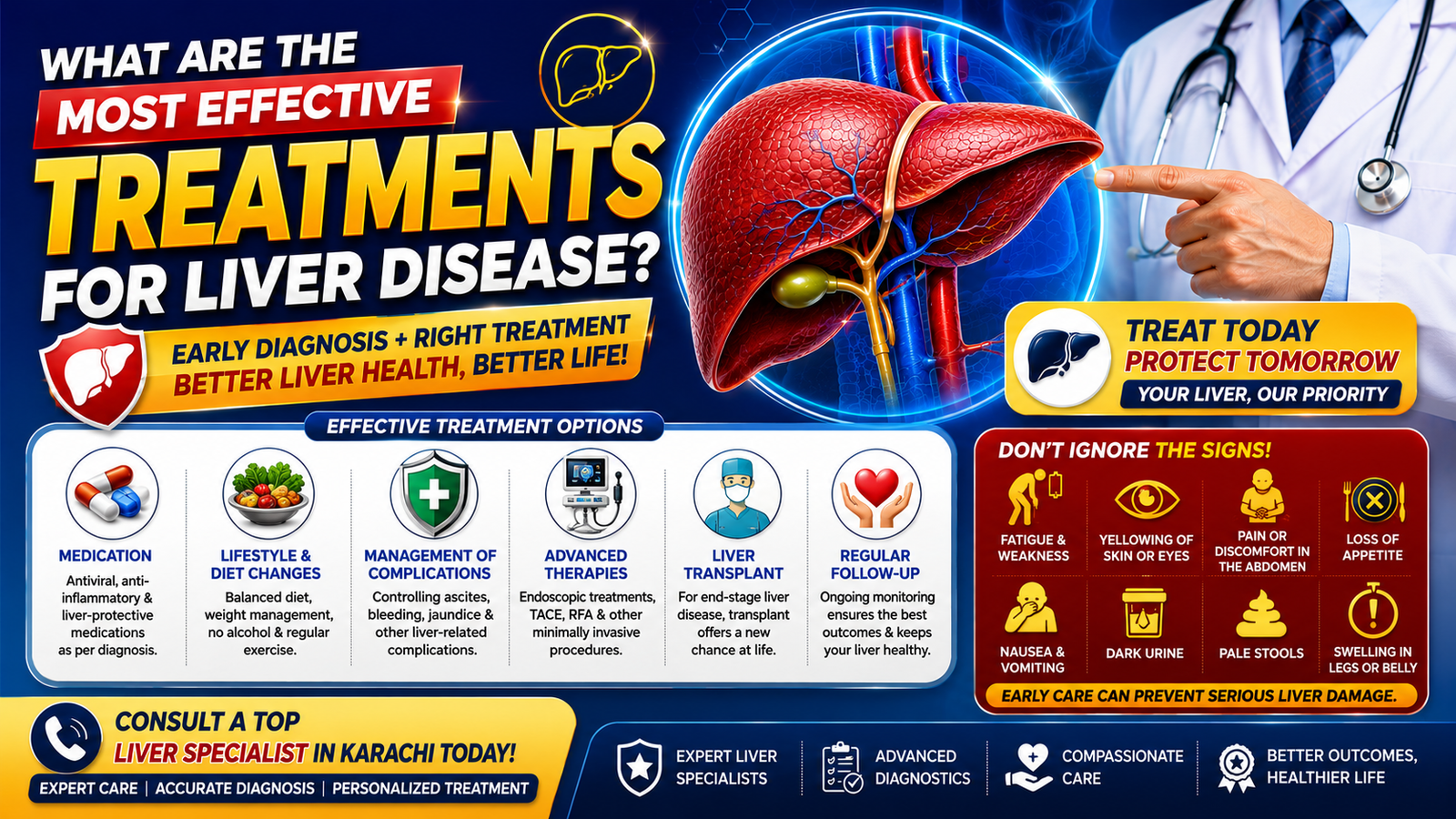
The right treatment depends on the exact liver condition, its severity, and your overall health.
An experienced hepatologist creates a personalized treatment plan after reviewing your symptoms, medical history, laboratory results, and imaging studies.
The goal is not only to treat the disease but also to prevent permanent liver damage and improve long term liver function.
Treatment may include:
- Prescription medications
- Antiviral therapy for hepatitis
- Lifestyle modifications
- Weight management
- Diabetes and cholesterol control
- Nutritional counseling
- Regular monitoring with Liver Function Tests
- FibroScan follow-up
- Endoscopic procedures for complications
- Liver transplant evaluation in advanced cases
Early treatment usually provides the best outcomes.
How Is Fatty Liver Disease Managed?
Fatty liver disease has become one of the fastest-growing liver conditions worldwide.
In Pakistan, increasing rates of obesity, diabetes, and sedentary lifestyles have made it increasingly common.
Fortunately, fatty liver disease can often improve significantly when diagnosed early.
Lifestyle Changes That Make the Biggest Difference
A liver specialist usually recommends:
- Losing 7 to 10 percent of body weight if overweight
- Walking or exercising for at least 150 minutes each week
- Eating more vegetables, fruits, whole grains, and lean protein
- Limiting sugary drinks and processed foods
- Reducing saturated fats
- Managing diabetes effectively
- Keeping cholesterol under control
- Avoiding unnecessary medications
- Avoiding alcohol if advised by your doctor
Foods That Support Liver Health
Include:
- Leafy green vegetables
- Oats
- Fish rich in Omega-3
- Olive oil
- Nuts in moderation
- Fresh fruits
- Beans and lentils
Limit:
- Fried foods
- Fast food
- Sugary beverages
- White bread
- Processed snacks
- Excess red meat
Common Mistake
Many patients rely on herbal supplements advertised as “liver cleansers.” However, some herbal products may actually damage the liver.
Always consult your hepatologist before using supplements.
How Are Hepatitis B and Hepatitis C Treated?
Hepatitis B
Although Hepatitis B cannot always be completely cured, modern antiviral medications can effectively suppress the virus, reduce liver inflammation, and lower the risk of cirrhosis and liver cancer.
Treatment may involve:
- Regular Liver Function Tests
- Viral load monitoring
- Ultrasound surveillance
- Antiviral medication when indicated
- Liver cancer screening for high-risk patients
Vaccination remains the most effective way to prevent Hepatitis B infection.
Hepatitis C
The treatment of Hepatitis C has improved dramatically over the past decade.
Today, direct-acting antiviral medications cure more than 95% of eligible patients when treatment is started early and completed as prescribed.
Benefits of early treatment include:
- Reduced liver inflammation
- Lower risk of cirrhosis
- Reduced risk of liver cancer
- Better quality of life
- Improved long-term survival
Can Liver Cirrhosis Be Treated?
Cirrhosis occurs when healthy liver tissue is replaced with scar tissue, making it harder for the liver to function properly.
Although existing scar tissue usually cannot be reversed, treatment can slow disease progression and prevent complications.
Management may include:
- Treating the underlying cause
- Managing fluid accumulation (ascites)
- Controlling portal hypertension
- Nutritional support
- Endoscopy for enlarged veins
- Preventing infections
- Monitoring liver function
- Evaluating for liver transplantation when necessary
Patients with cirrhosis require lifelong medical follow-up.
When Is a Liver Transplant Evaluation Needed?
A liver transplant may become necessary when the liver can no longer perform its normal functions.
Your hepatologist may recommend transplant evaluation if you have:
- End-stage liver disease
- Advanced cirrhosis
- Acute liver failure
- Certain cases of liver cancer
- Recurrent complications despite treatment
The evaluation usually includes:
- Blood tests
- Cardiac assessment
- Imaging studies
- Nutritional evaluation
- Psychological assessment
- Review by a multidisciplinary transplant team
Early referral provides more treatment options than waiting until complications become severe.
What Is the Difference Between FibroScan and Liver Biopsy?
Many patients worry they will automatically need a liver biopsy.
Fortunately, newer technology allows many liver conditions to be evaluated without surgery.
Feature | FibroScan | Liver Biopsy |
Procedure | Non invasive | Invasive |
Pain | Usually painless | Mild discomfort possible |
Time Required | About 10–15 minutes | Around 30 minutes plus recovery |
Recovery | Immediate | Several hours |
Measures Fibrosis | Yes | Yes |
Measures Fat Content | Yes | Yes |
Risk of Bleeding | Extremely low | Small risk |
Best Used For | Routine monitoring | Complex diagnostic cases |
FibroScan has become an important tool for monitoring fatty liver disease and liver fibrosis, while liver biopsy remains valuable when a definitive diagnosis is required.
What Lifestyle Habits Help Protect Your Liver?
Daily habits have a major impact on liver health. Even small improvements can reduce the risk of chronic liver disease.
Healthy habits include:
- Maintain a healthy weight.
- Exercise regularly.
- Eat a balanced diet.
- Get vaccinated against Hepatitis B.
- Avoid sharing needles or razors.
- Practice safe infection prevention.
- Take medications only as prescribed.
- Limit alcohol consumption.
- Control diabetes and high cholesterol.
- Schedule regular health checkups.
Consistency is more important than making drastic changes for a short period.
Which Warning Signs Should Never Be Ignored?
Some symptoms require immediate medical attention because they may indicate severe liver disease.
Seek medical care immediately if you notice:
- Yellow eyes or skin
- Vomiting blood
- Black stools
- Severe abdominal swelling
- Sudden confusion
- Persistent high fever with jaundice
- Severe pain in the upper right abdomen
- Rapid unexplained weight loss
- Continuous vomiting
- Extreme weakness
Prompt treatment can prevent life-threatening complications.
How Can You Choose the Right Liver Specialist?
Finding the right hepatologist involves more than searching online.
Consider the following factors before booking an appointment.
Look for a specialist who has:
- Experience managing complex liver diseases
- Expertise in Hepatitis B and Hepatitis C treatment
- Experience treating fatty liver disease
- Access to FibroScan and advanced imaging
- Hospital affiliation with a reputable medical center
- A multidisciplinary approach to care
- Positive patient feedback
- Clear communication and patient education
- Experience in liver transplant evaluation when needed
Patients often benefit from specialists who work closely with gastroenterologists, radiologists, oncologists, and transplant surgeons to provide comprehensive liver care.
Where Can You Find a Liver Specialist in Different Areas of Karachi?
If you are searching online for a liver specialist near me, choosing a qualified hepatologist close to your home or workplace can make regular follow-up appointments easier.
Many experienced liver care specialists practice in well-known hospitals and clinics across Karachi.
Patients commonly search for:
- Liver Specialist in DHA Karachi
- Liver Specialist in Clifton Karachi
- Liver Specialist in Gulshan-e-Iqbal
- Liver Specialist in PECHS
- Liver Specialist in North Nazimabad
- Liver Specialist in Saddar Karachi
- Liver Specialist Near Aga Khan Hospital
- Liver Specialist Near South City Hospital
- Liver Specialist Near Liaquat National Hospital
- Liver Specialist Near Ziauddin Hospital
When selecting a clinic, consider more than just the location.
Look for a consultant hepatologist who offers comprehensive liver care, modern diagnostic facilities such as FibroScan, and access to advanced treatments if required.
What Questions Should You Ask During Your First Appointment?
Preparing a few questions before your consultation helps you better understand your condition and treatment plan.
Consider asking:
- What is causing my liver problem?
- Do I need additional blood tests or imaging?
- Should I get a Liver Function Test (LFT) or FibroScan?
- Is my condition reversible?
- What foods should I avoid?
- Can I continue my current medications?
- How often should I have follow-up visits?
- What symptoms require immediate medical attention?
- Do I need screening for liver cancer?
- Should my family members be tested or vaccinated for hepatitis?
Clear communication with your doctor improves treatment outcomes and helps you stay actively involved in your care.
How Can You Keep Your Liver Healthy for Life?
Many liver diseases are preventable through healthy lifestyle choices and regular medical checkups.
Best Practices for Long-Term Liver Health
- Eat a balanced, nutrient-rich diet.
- Stay physically active.
- Maintain a healthy body weight.
- Get vaccinated against Hepatitis B.
- Avoid smoking and excessive alcohol consumption.
- Practice safe hygiene to reduce the risk of viral hepatitis.
- Control diabetes, blood pressure, and cholesterol.
- Avoid self-medicating or overusing painkillers.
- Have routine health screenings if you are at higher risk.
- Follow your hepatologist’s treatment plan and never skip follow-up appointments.
Expert Tip
Even if you feel healthy, annual medical checkups can detect abnormal liver enzymes before symptoms appear.
Early diagnosis often leads to simpler, more effective treatment.
Frequently Asked Questions
Who is the best hepatologist for fatty liver disease in Karachi?
The best hepatologist is one with extensive experience in diagnosing and managing fatty liver disease using evidence-based treatment, lifestyle counseling, and advanced diagnostic tools such as FibroScan.
Choose a specialist affiliated with a reputable hospital and experienced in long-term liver care.
When should I see a liver specialist instead of a general physician?
You should consult a liver specialist if you have persistent abnormal Liver Function Tests, jaundice, chronic hepatitis, fatty liver disease, cirrhosis, unexplained abdominal pain, or ongoing digestive symptoms that require specialized evaluation.
Can fatty liver disease be reversed?
Yes. In many cases, early-stage fatty liver disease can improve through weight loss, regular exercise, a healthy diet, and proper management of diabetes or high cholesterol.
Regular follow-up with a hepatologist helps monitor progress.
Which tests are commonly used to diagnose liver disease?
Common investigations include:
- Liver Function Test (LFT)
- Hepatitis B and C screening
- FibroScan
- Liver Ultrasound
- CT Scan
- MRI Liver
- Alpha Fetoprotein (AFP)
- Liver Biopsy (when necessary)
- Endoscopy
- MRCP or ERCP for bile duct disorders
The recommended tests depend on your symptoms and medical history.
Can liver disease develop without noticeable symptoms?
Yes. Many liver conditions, including fatty liver disease and chronic Hepatitis B or Hepatitis C, may not cause obvious symptoms in the early stages.
Routine health checkups and timely screening are important for early detection, especially if you have risk factors such as obesity, diabetes, or a family history of liver disease.
Conclusion
Choosing the Top Liver Specialist in Karachi can play a vital role in protecting your long-term health.
Whether you are experiencing symptoms such as jaundice, fatigue, abdominal pain, or abnormal liver test results, early consultation with an experienced hepatologist can help identify the cause and prevent serious complications.
From fatty liver disease and viral hepatitis to cirrhosis and advanced liver disorders, today’s diagnostic tools and treatment options have significantly improved patient outcomes.
Combined with healthy lifestyle habits, regular monitoring, and timely medical care, many liver conditions can be effectively managed.
If you notice persistent liver-related symptoms or have risk factors such as diabetes, obesity, or chronic hepatitis, don’t delay seeking professional medical advice.
Early diagnosis remains one of the most effective ways to preserve liver function and improve quality of life.