
A healthy pancreas plays a vital role in digestion and blood sugar control, yet many people overlook it until serious symptoms appear.
Persistent upper abdominal pain, unexplained weight loss, digestive problems, or jaundice may seem unrelated at first, but they can point to an underlying pancreatic condition that needs medical attention.
Pancreatic diseases include several conditions that affect how this important organ works. Some develop suddenly, while others progress slowly over time.
Early recognition can improve treatment outcomes, reduce complications, and, in some cases, save lives.
In this guide, you’ll learn what affects the pancreas, the most common pancreatic disorders, early warning signs, risk factors, diagnosis methods, treatment options, and practical ways to protect your pancreas health.
Whether you’re looking for answers about pancreatitis, pancreatic cancer, pancreatic cysts, or pancreatic insufficiency, this article covers everything you need in one place.
What Are Pancreas Diseases?
Pancreatic diseases are medical conditions that damage the pancreas or interfere with its normal function.
The pancreas is located behind the stomach and has two major responsibilities:
- Producing digestive enzymes that help break down fats, proteins, and carbohydrates.
- Producing hormones such as insulin and glucagon that regulate blood sugar levels.
When either of these functions is disrupted, a person may experience digestive issues, nutritional deficiencies, diabetes, or more serious complications.
Common diseases of the pancreas include:
- Acute pancreatitis
- Chronic pancreatitis
- Pancreatic cancer
- Pancreatic cysts
- Pancreatic tumors
- Autoimmune pancreatitis
- Exocrine pancreatic insufficiency (EPI)
- Pancreatic infection
- Pancreatic necrosis
- Pancreatic pseudocyst
Some pancreatic conditions are temporary and treatable, while others require lifelong management.
What Is the Most Common Pancreatic Disorder?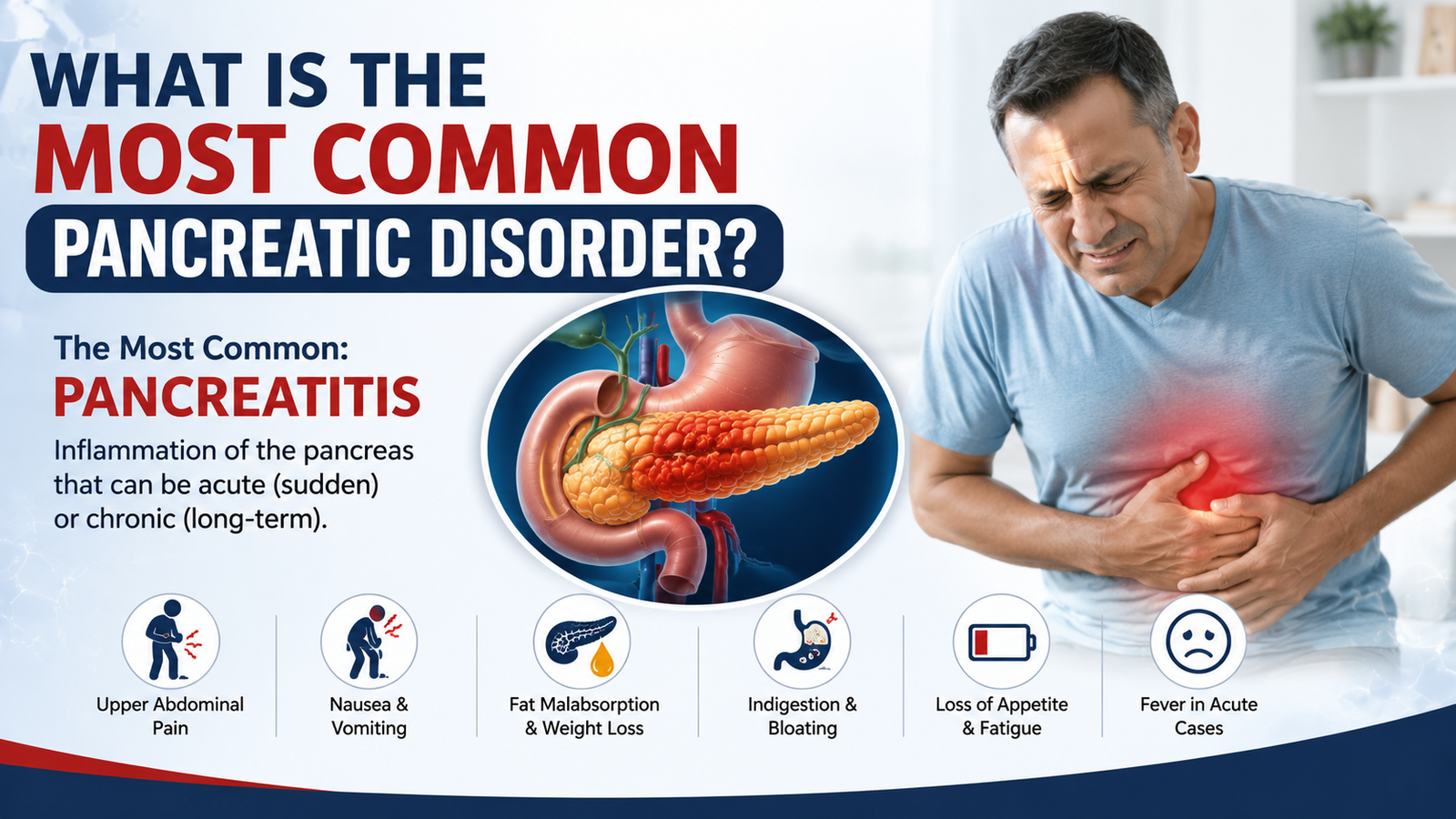
The most common pancreatic disorder is pancreatitis, which refers to inflammation of the pancreas.
There are two primary forms.
Acute Pancreatitis
Acute pancreatitis develops suddenly and often causes severe abdominal pain.
Many people recover completely after appropriate treatment, although severe cases can become life threatening.
Common causes include:
- Gallstones
- Heavy alcohol use
- High triglyceride levels
- Certain medications
- Pancreatic injury
- Viral infections
Chronic Pancreatitis
Chronic pancreatitis develops gradually over several years. Repeated inflammation permanently damages pancreatic tissue, reducing the pancreas’s ability to produce digestive enzymes and insulin.
People with chronic pancreatitis often experience:
- Recurring abdominal pain
- Fatty stools
- Weight loss
- Malnutrition
- Diabetes
Without proper treatment, chronic pancreatitis may lead to permanent pancreatic insufficiency.
What Causes Pancreas Problems?
Many different factors can affect pancreatic health. Some are preventable, while others involve genetics or autoimmune conditions.
Lifestyle Risk Factors
Several everyday habits increase the likelihood of pancreatic disease.
These include:
- Excessive alcohol consumption
- Smoking
- Obesity
- Poor dietary habits
- Physical inactivity
Smoking is one of the strongest risk factors for pancreatic cancer, while alcohol remains a leading cause of chronic pancreatitis.
Medical Conditions
Existing health problems may also contribute.
Examples include:
- Gallstones
- Diabetes
- High triglycerides
- High calcium levels
- Autoimmune diseases
- Chronic liver disease
Gallstones can block the pancreatic duct, triggering acute pancreatitis.
Genetic Factors
Some inherited conditions increase the risk of pancreatic disorders.
These include:
- Hereditary pancreatitis
- BRCA gene mutations
- Familial pancreatic cancer syndromes
- Cystic fibrosis
People with a strong family history should discuss screening options with a healthcare provider.
What Are the Symptoms of Pancreatic Disease?
Symptoms vary depending on the specific condition, but several warning signs should never be ignored.
Common Symptoms
The most frequent pancreas disease symptoms include:
- Severe upper abdominal pain
- Back pain from the pancreas
- Nausea and vomiting
- Loss of appetite
- Unexplained weight loss
- Indigestion
- Bloating
- Abdominal tenderness
- Fatty stools
- Digestive problems
- Fever during infection
- Jaundice
Some symptoms develop suddenly, while others become noticeable only after months of progressive damage.
Early Signs Worth Noticing
Many patients ignore mild digestive symptoms until the condition worsens.
Early signs may include:
- Feeling full quickly
- Mild abdominal discomfort after meals
- Frequent indigestion
- Oily stools
- Gradual weight loss
- Reduced appetite
Early evaluation often leads to earlier diagnosis and better treatment outcomes.
Symptoms That Require Emergency Care
Seek immediate medical attention if you experience:
- Severe abdominal pain that does not improve
- Persistent vomiting
- High fever
- Yellow skin or eyes
- Difficulty breathing
- Sudden confusion
- Fainting
These symptoms could indicate severe acute pancreatitis or another medical emergency.
Can Diabetes Affect the Pancreas?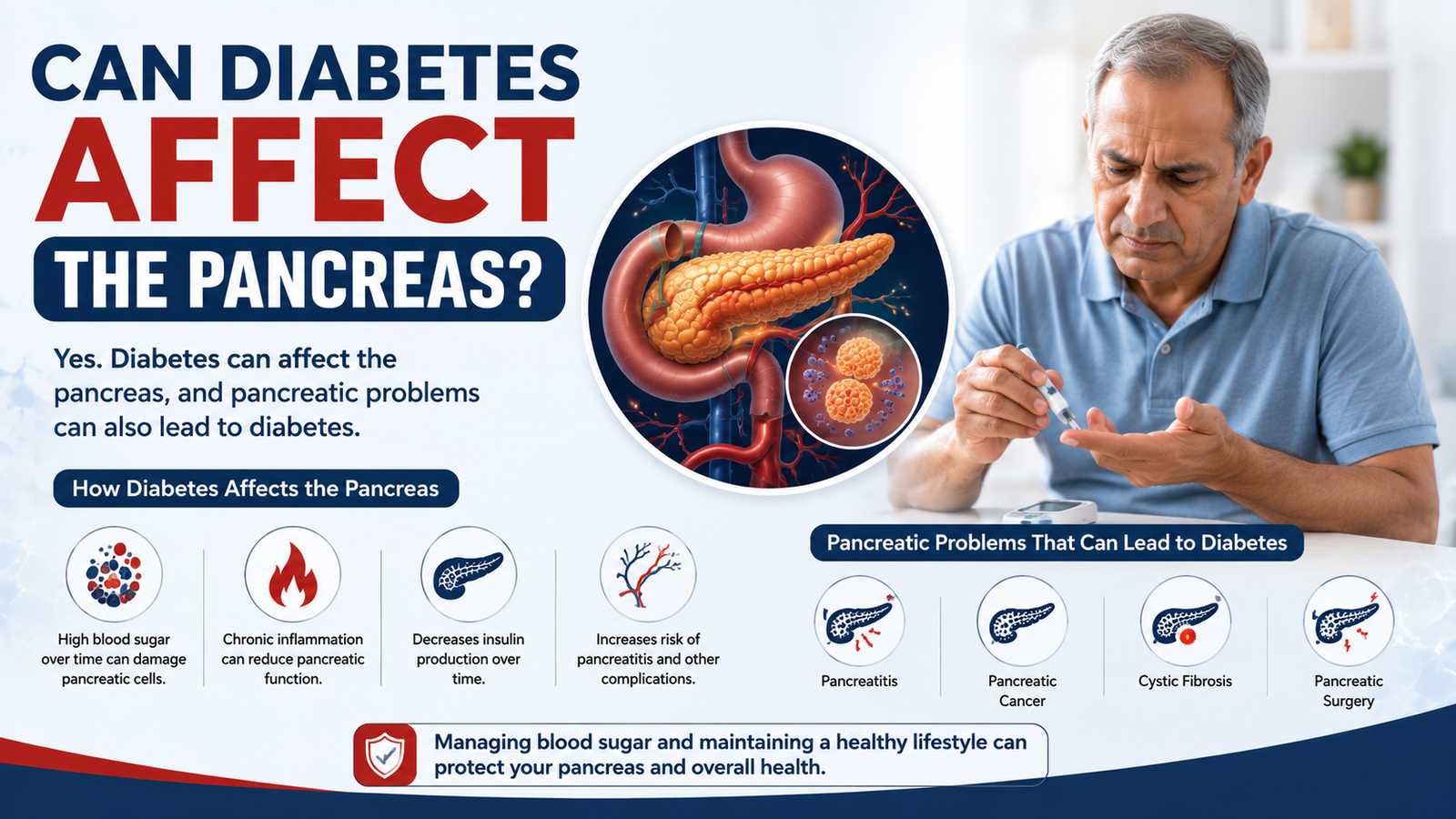
Yes. The relationship works both ways.
The pancreas produces insulin, which regulates blood sugar. Damage to pancreatic tissue can reduce insulin production, leading to diabetes.
Likewise, long-standing diabetes may contribute to changes within the pancreas that require monitoring.
People with diabetes should pay attention to digestive symptoms, unexplained weight loss, or persistent abdominal pain and discuss these concerns with their healthcare provider.
In some cases, pancreatic diabetes develops after chronic pancreatitis or pancreatic surgery.
What Is Exocrine Pancreatic Insufficiency (EPI)?
Exocrine pancreatic insufficiency occurs when the pancreas no longer produces enough digestive enzymes.
Without these enzymes, the body struggles to digest food properly.
Common symptoms include:
- Chronic diarrhea
- Greasy stools
- Vitamin deficiencies
- Weight loss
- Gas and bloating
- Poor nutrition
Doctors often prescribe pancreatic enzyme supplements to improve digestion and nutrient absorption.
Proper nutrition plays a major role in managing EPI and improving the quality of life.
How Is Pancreatic Cancer Different From Other Pancreatic Conditions?
Unlike pancreatitis, pancreatic cancer often develops silently during its early stages.
Common warning signs include:
- Persistent abdominal pain
- Back pain
- Jaundice
- Dark urine
- Pale stools
- Rapid weight loss
- New-onset diabetes
- Loss of appetite
Because symptoms usually appear later, pancreatic cancer is frequently diagnosed at an advanced stage.
Risk factors include:
- Smoking
- Obesity
- Family history
- Chronic pancreatitis
- Older age
- Certain inherited genetic mutations
Regular medical evaluations are especially important for people with multiple risk factors.
What Tests Diagnose Pancreatic Diseases?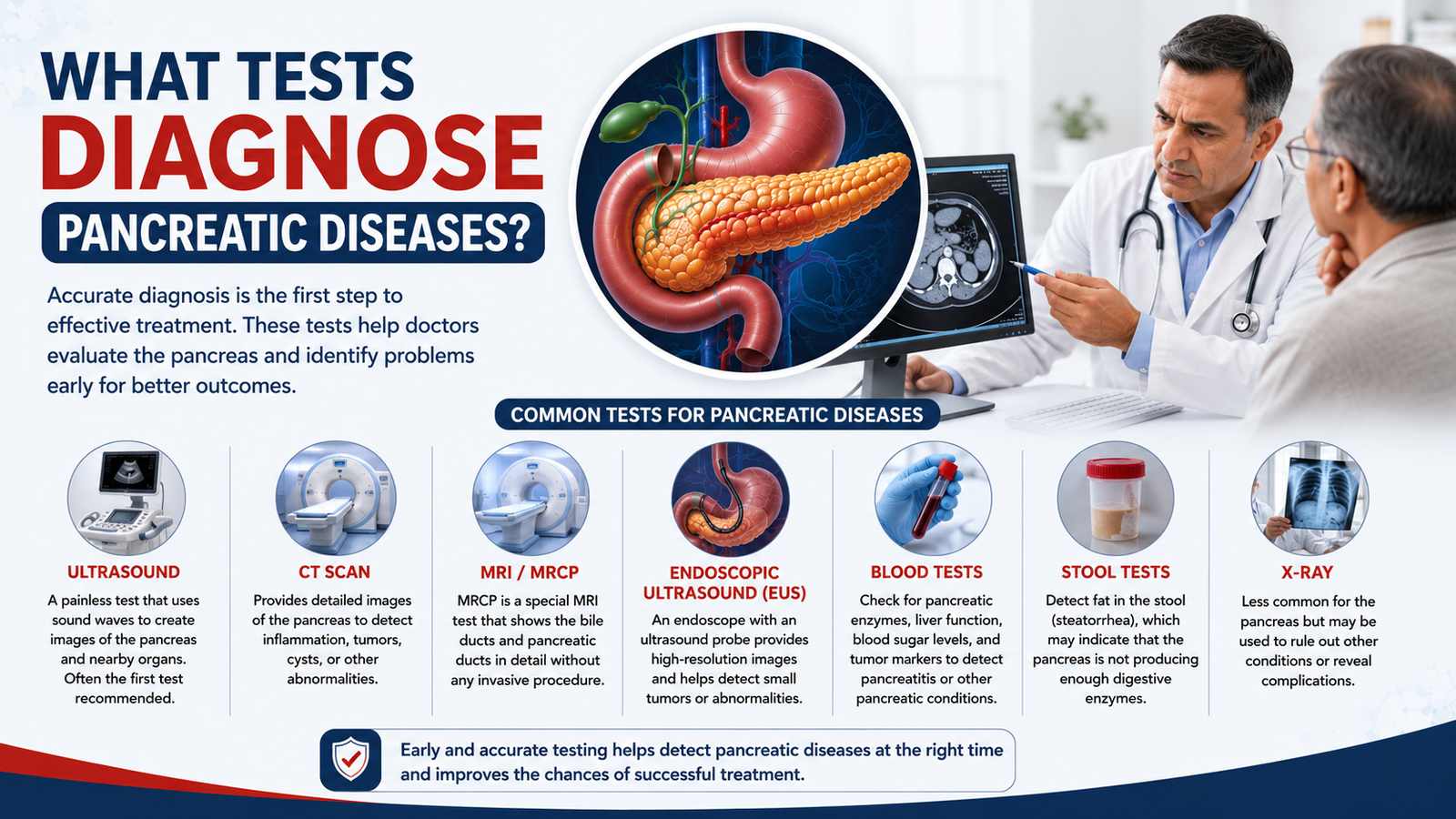
Diagnosing pancreatic disorders involves a combination of medical history, physical examination, laboratory tests, and imaging studies.
Because many symptoms overlap with stomach, liver, or gallbladder conditions, doctors usually perform several tests before confirming a diagnosis.
Blood Tests
Blood tests are often the first step in pancreas disease diagnosis.
Common tests include:
-
- Lipase blood test – The most reliable marker for acute pancreatitis.
- Amylase blood test – Helps detect pancreatic inflammation, although it is less specific than lipase.
- Liver function tests
- Blood glucose levels
- Complete blood count (CBC)
- Triglyceride levels
Elevated lipase and amylase levels usually suggest acute pancreatitis, but additional testing is often needed to identify the underlying cause.
Imaging Tests
Imaging helps doctors evaluate the pancreas, detect inflammation, tumors, cysts, or duct blockages.
Common imaging studies include:
- Abdominal ultrasound
- CT scan for the pancreas
- MRI of the pancreas
- Endoscopic Ultrasound (EUS)
- ERCP (Endoscopic Retrograde Cholangiopancreatography)
Each test serves a different purpose. For example, an ultrasound is useful for detecting gallstones, while CT and MRI provide detailed images of pancreatic tissue.
Pancreatic Function Tests
When digestive enzyme production is reduced, doctors may recommend pancreatic function tests to assess how well the pancreas is working.
These tests help diagnose exocrine pancreatic insufficiency (EPI) and other chronic pancreatic disorders.
Biopsy
If imaging reveals a suspicious pancreatic mass, a pancreatic biopsy may be performed during an endoscopic ultrasound to determine whether the tissue is cancerous.
How Are Different Pancreatic Diseases Compared?
The table below highlights the major differences between common pancreatic conditions.
|
Condition |
Main Cause |
Common Symptoms |
Typical Treatment |
|
Acute pancreatitis |
Gallstones, alcohol, high triglycerides |
Sudden severe abdominal pain, nausea, vomiting |
IV fluids, pain relief, fasting, treat underlying cause |
|
Chronic pancreatitis |
Long-term alcohol use, genetics |
Chronic pain, fatty stools, weight loss |
Lifestyle changes, enzyme therapy, and pain management |
|
Pancreatic cancer |
Smoking, age, family history |
Jaundice, weight loss, abdominal pain |
Surgery, chemotherapy, radiation therapy |
|
Pancreatic cyst |
Fluid-filled sac |
Often no symptoms |
Monitoring or surgery if needed |
|
Pancreatic pseudocyst |
Complication of pancreatitis |
Abdominal fullness, pain |
Observation or drainage |
|
Autoimmune pancreatitis |
Immune system disorder |
Mild pain, jaundice |
Corticosteroids |
|
Exocrine pancreatic insufficiency |
Chronic pancreatitis, surgery |
Fatty stools, malnutrition |
Pancreatic enzyme replacement therapy |
Can Pancreas Diseases Be Cured?
The answer depends on the specific condition.
Some pancreatic conditions are completely treatable, while others require long-term management.
Often Curable
- Mild acute pancreatitis
- Small pancreatic pseudocysts
- Some pancreatic infections
- Autoimmune pancreatitis with appropriate medication
Usually Managed Rather Than Cured
- Chronic pancreatitis
- Exocrine pancreatic insufficiency
- Diabetes caused by pancreatic damage
Depends on Early Detection
Pancreatic cancer has the best outcomes when diagnosed at an early stage before it spreads beyond the pancreas.
The earlier treatment begins, the greater the chance of successful management.
What Are the Best Treatment Options for Pancreatic Diseases?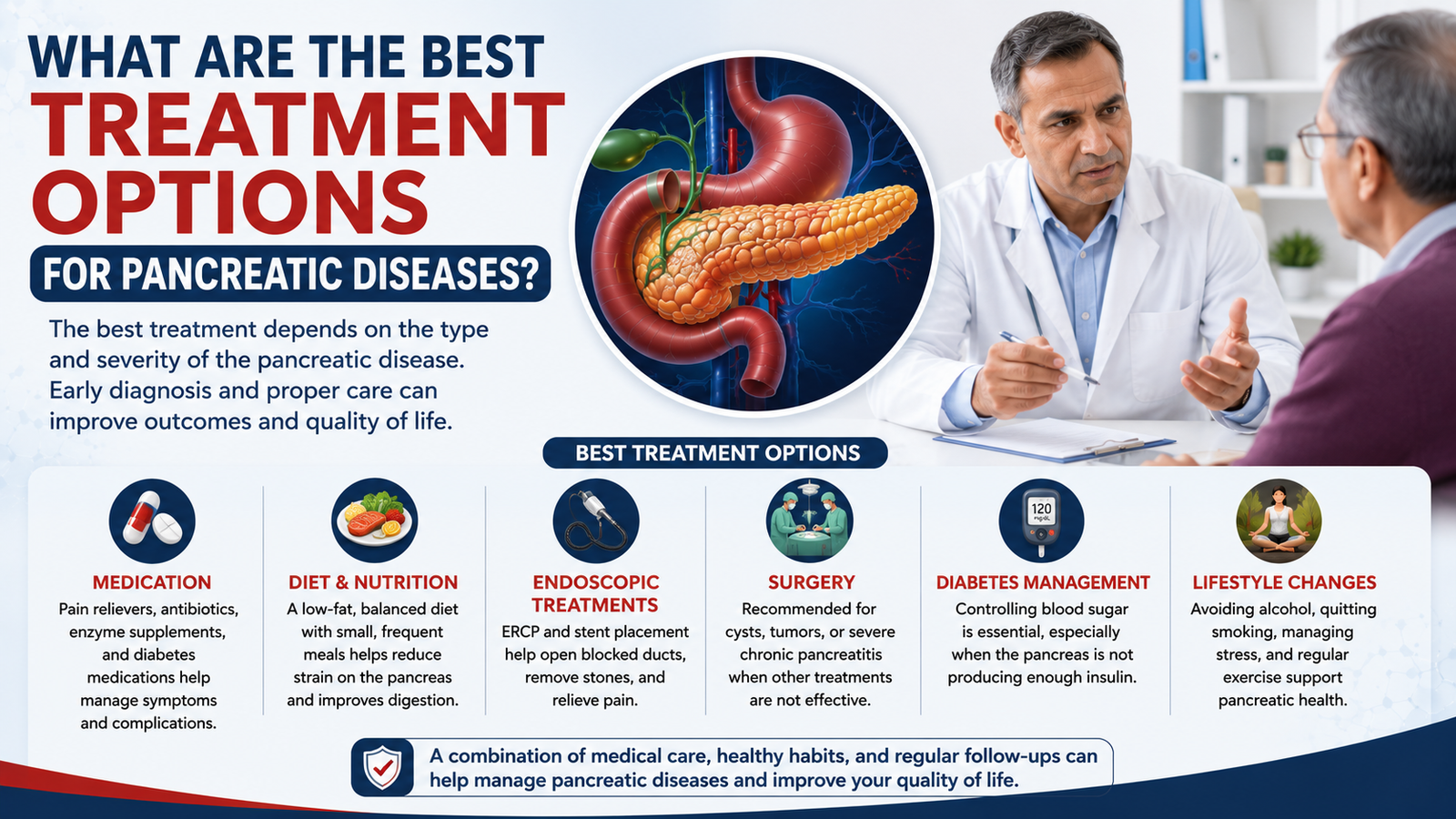
Treatment varies according to the diagnosis, severity, and overall health of the patient.
Doctors create individualized treatment plans based on the underlying cause.
Treatment for Acute Pancreatitis
Most patients require hospitalization.
Treatment usually includes:
- Intravenous fluids
- Pain medication
- Temporary fasting to allow the pancreas to rest
- Gradual return to eating
- Treatment of gallstones if present
- Antibiotics only when infection develops
Most people recover within several days to a week with appropriate care.
Treatment for Chronic Pancreatitis
Since permanent damage cannot be reversed, treatment focuses on symptom control and preventing complications.
Common treatments include:
- Complete alcohol avoidance
- Smoking cessation
- Pancreatic enzyme supplements
- Pain management
- Nutritional counseling
- Diabetes management if necessary
Some patients may benefit from minimally invasive procedures or surgery to relieve blocked ducts.
Pancreatic Enzyme Replacement Therapy
People with pancreatic insufficiency often need enzyme replacement therapy.
These medications contain digestive enzymes that help break down:
- Fat
- Protein
- Carbohydrates
Benefits include:
- Better digestion
- Reduced bloating
- Improved nutrient absorption
- Weight stabilization
- Fewer fatty stools
Doctors usually recommend taking enzyme capsules with every meal and snack.
Treatment for Pancreatic Cancer
Treatment depends on the stage of cancer.
Common options include:
- Pancreatic surgery
- Chemotherapy
- Radiation therapy
- Targeted therapy
- Immunotherapy for selected patients
- Palliative care to improve comfort and quality of life
Patients often receive care from a multidisciplinary team that includes gastroenterologists, surgeons, oncologists, radiologists, and nutrition specialists.
When Is Pancreatic Surgery Needed?
Surgery may be recommended for:
- Pancreatic cancer
- Large pancreatic cysts
- Pancreatic tumors
- Severe chronic pancreatitis
- Blocked pancreatic ducts
- Pancreatic necrosis
- Complicated pseudocysts
Not every patient requires surgery, but for certain conditions, it offers the best chance of recovery or symptom relief.
How Is Pain Managed in Chronic Pancreatitis?
Persistent pain is one of the biggest challenges for people with chronic pancreatitis.
Doctors may recommend:
- Prescription pain medications
- Pancreatic enzyme therapy
- Dietary modifications
- Endoscopic procedures
- Nerve blocks in selected patients
- Surgery for severe cases
Patients should avoid self-medicating with long-term painkillers without medical supervision.
What Foods Are Good for the Pancreas?
Diet plays an important role in maintaining pancreatic health and supporting recovery.
Experts generally recommend:
Choose More Of
- Fresh vegetables
- Fruits
- Whole grains
- Beans and lentils
- Skinless chicken
- Fish
- Low-fat dairy products
- Healthy fats in moderation
- Plenty of water
These foods are easier to digest and help reduce stress on the pancreas.
Which Foods Should You Avoid With Pancreatitis?
Certain foods may worsen symptoms or increase inflammation.
Limit or avoid:
- Fried foods
- Fatty meats
- Processed foods
- Sugary drinks
- Refined carbohydrates
- Excess butter and cream
- Fast food
- Excess salt
- Alcohol
Alcohol should be avoided completely after pancreatitis unless your healthcare provider advises otherwise.
What Lifestyle Changes Help Protect the Pancreas?
Simple daily habits can significantly reduce the risk of pancreatic disease.
Healthy habits include:
- Maintain a healthy weight.
- Exercise regularly.
- Eat a balanced, high-fiber diet.
- Drink enough water.
- Control diabetes effectively.
- Manage cholesterol and triglyceride levels.
- Quit smoking.
- Avoid excessive alcohol consumption.
- Schedule regular medical checkups if you have risk factors.
These lifestyle choices not only improve pancreatic health but also benefit your heart, liver, and overall well-being.
What Are the Best Ways to Prevent Pancreas Diseases?
While not every pancreatic condition can be prevented, many cases are linked to lifestyle choices and manageable health conditions.
Taking care of your pancreas today can lower your risk of developing serious problems later in life.
Follow a Balanced Diet
A nutrient-rich diet supports digestion and reduces stress on the pancreas.
Focus on:
- Fresh fruits and vegetables
- Whole grains
- Lean protein sources
- Healthy fats in moderation
- High-fiber foods
- Plenty of water
A balanced diet also helps maintain a healthy weight, which is important for pancreatic health.
Avoid Smoking
Smoking is one of the strongest preventable risk factors for pancreatic cancer. Quitting smoking benefits nearly every organ in the body and significantly reduces long-term health risks.
Limit or Avoid Alcohol
Heavy alcohol consumption is a major cause of chronic pancreatitis. If you’ve had pancreatitis before, healthcare professionals generally recommend avoiding alcohol completely to reduce the risk of recurrence.
Stay Physically Active
Regular exercise helps:
- Maintain a healthy weight
- Improve insulin sensitivity
- Reduce inflammation
- Support digestive health
- Lower the risk of diabetes
Aim for at least 150 minutes of moderate physical activity each week, unless your healthcare provider recommends otherwise.
Manage Chronic Health Conditions
Keeping certain medical conditions under control can reduce the risk of pancreatic complications.
Work with your healthcare provider to manage:
- Diabetes
- High triglycerides
- High cholesterol
- Obesity
- Gallbladder disease
Regular health checkups can identify risk factors before they become serious.
When Should You See a Doctor for Pancreas Problems?
Many digestive issues improve on their own, but some symptoms require prompt medical evaluation.
Schedule a medical appointment if you experience:
- Persistent upper abdominal pain
- Frequent indigestion that does not improve
- Ongoing nausea or vomiting
- Unexplained weight loss
- Loss of appetite
- Fatty or oily stools
- Recurrent bloating
- Pain that spreads to the back
Seek emergency medical care immediately if you develop:
- Sudden severe abdominal pain
- High fever with abdominal pain
- Yellowing of the skin or eyes (jaundice)
- Persistent vomiting
- Difficulty breathing
- Confusion or fainting
Early diagnosis often leads to more treatment options and better outcomes.
What Mistakes Can Harm Your Pancreas?
Many people unknowingly increase their risk of pancreatic disease through everyday habits.
Avoid these common mistakes:
- Ignoring persistent abdominal pain
- Continuing to smoke after a diagnosis of pancreatitis
- Drinking alcohol despite medical advice
- Eating a diet high in processed and fatty foods
- Skipping follow-up appointments
- Stopping prescribed pancreatic enzyme supplements without consulting your doctor
- Delaying evaluation for unexplained weight loss or jaundice
Small lifestyle changes can make a meaningful difference over time.
What Do Experts Recommend for Better Pancreatic Health?
Healthcare professionals emphasize prevention, early detection, and consistent follow-up for people at risk.
Key recommendations include:
- Eat a balanced, nutrient-rich diet.
- Maintain a healthy body weight.
- Avoid tobacco products.
- Limit or eliminate alcohol.
- Stay physically active.
- Control blood sugar and triglyceride levels.
- Take prescribed medications as directed.
- Discuss screening with your doctor if you have a strong family history of pancreatic cancer or inherited genetic conditions.
These habits support both digestive function and overall long-term health.
Frequently Asked Questions
What are the early signs of pancreas diseases?
Early signs may include upper abdominal pain, indigestion, bloating, nausea, loss of appetite, oily stools, unexplained weight loss, and pain that spreads to the back. These symptoms should be evaluated if they persist.
Is pancreatitis life threatening?
Yes. Mild acute pancreatitis often improves with treatment, but severe cases can lead to complications such as infection, organ failure, or pancreatic necrosis. Prompt medical care is essential.
Can pancreas diseases cause diabetes?
Yes. Damage to the pancreas can reduce insulin production, leading to diabetes. Chronic pancreatitis and pancreatic surgery are common causes of pancreatic-related diabetes.
What foods help keep the pancreas healthy?
A pancreas-friendly diet includes fruits, vegetables, whole grains, lean proteins, legumes, low-fat dairy, and adequate water. Limiting fried foods, processed meals, sugary drinks, and alcohol can also support pancreatic health.
Can pancreatic cancer be cured?
Treatment success depends on how early the cancer is detected. When diagnosed at an early stage, surgery combined with other treatments may improve outcomes. Advanced pancreatic cancer is often managed with chemotherapy, radiation therapy, targeted therapy, or supportive care.
Conclusion
Pancreas diseases range from mild inflammation to complex conditions such as chronic pancreatitis and pancreatic cancer.
Recognizing early symptoms, identifying risk factors, and seeking timely medical care can make a significant difference in treatment outcomes.
Protecting your pancreas starts with healthy daily habits, including eating a balanced diet, avoiding smoking and excessive alcohol, staying active, and managing chronic conditions like diabetes and high triglycerides.
If you notice persistent abdominal pain, unexplained weight loss, jaundice, or digestive changes, don’t ignore them.
Early evaluation by a healthcare professional can lead to faster diagnosis and more effective treatment.
By staying informed and taking preventive steps, you can support your pancreatic health and reduce the risk of serious complications.