
A sudden, severe pain in the upper abdomen can be alarming, especially when it spreads to your back and refuses to go away.
While many people assume it’s just indigestion or a stomach problem, it may actually be a sign of a serious condition involving the pancreas.
What is pancreatitis? It is a medical condition in which the pancreas becomes inflamed, affecting its ability to produce digestive enzymes and important hormones like insulin and glucagon.
Depending on the cause and severity, pancreatitis can range from a mild illness that improves within days to a life-threatening emergency requiring immediate hospital care.
Recognizing the early warning signs, understanding common causes, and being aware of available treatments and lifestyle modifications can significantly impact recovery.
This guide explains everything you need to know in clear, practical language, helping you recognize symptoms early and understand how doctors diagnose and manage this pancreatic disorder.
What Is Pancreatitis and Why Does It Happen?
Pancreatitis is the inflammation of the pancreas, a vital digestive gland located behind the stomach. The pancreas has two primary roles:
- Produces digestive enzymes that help break down fats, proteins, and carbohydrates.
- Releases hormones such as insulin and glucagon to regulate blood sugar levels.
Normally, pancreatic enzymes remain inactive until they reach the small intestine.
In pancreatitis, these enzymes become active too early, causing the pancreas to digest its own tissue.
This leads to inflammation, swelling, pain, and sometimes permanent pancreatic damage.
Featured Snippet Answer
Pancreatitis is inflammation of the pancreas caused by the early activation of digestive enzymes inside the gland. This damages pancreatic tissue and can interfere with digestion and blood sugar control.
What Does the Pancreas Do in the Body?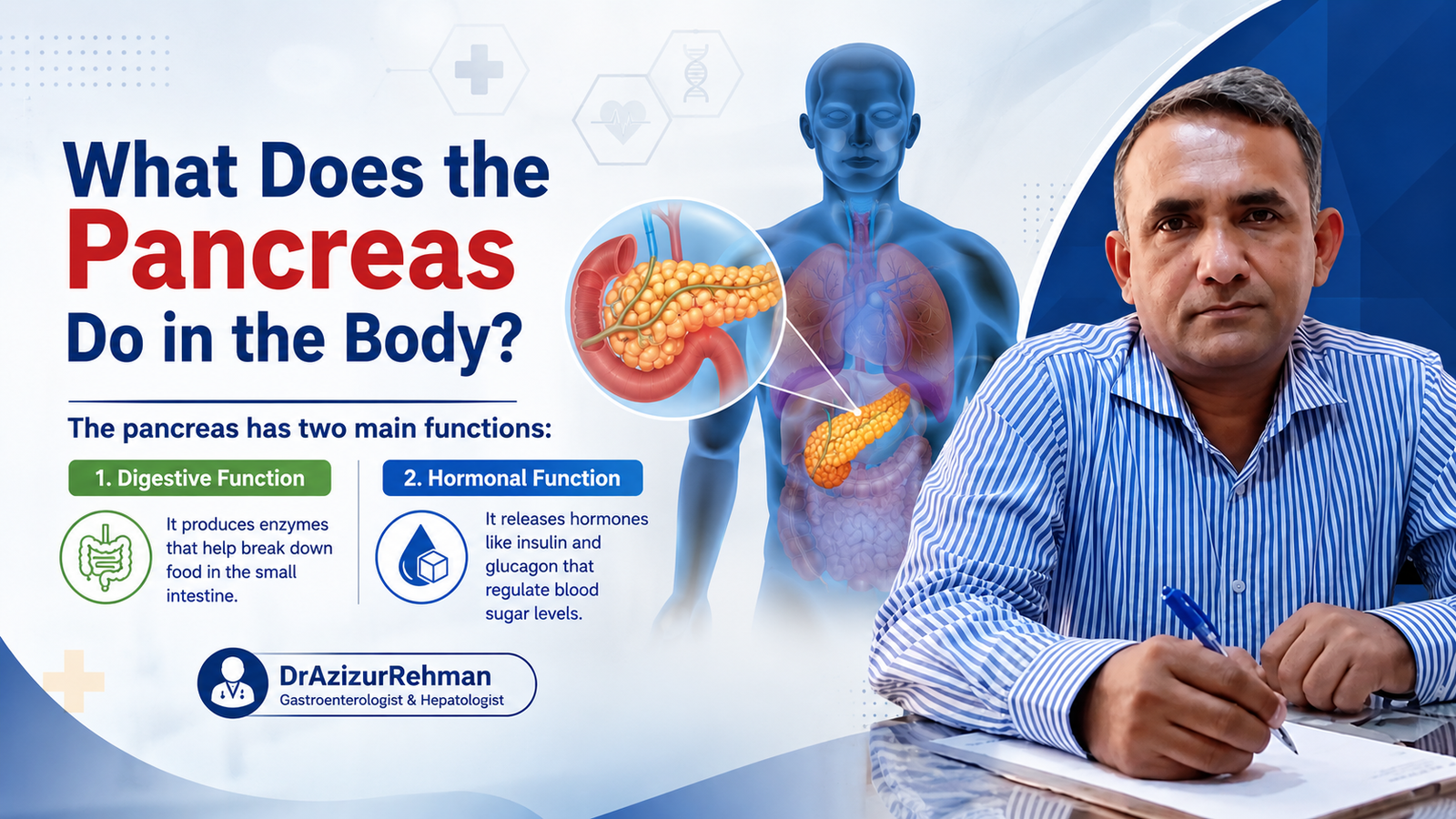
The pancreas is often overlooked until something goes wrong, yet it performs functions essential for everyday health.
Exocrine Function
The exocrine pancreas produces digestive enzymes, including:
- Lipase for digesting fats
- Amylase for breaking down carbohydrates
- Protease for digesting proteins
These enzymes travel through the pancreatic duct into the small intestine.
Endocrine Function
The endocrine pancreas releases hormones directly into the bloodstream, including:
- Insulin
- Glucagon
These hormones keep blood glucose levels balanced throughout the day.
When pancreatic inflammation develops, both digestive and hormonal functions may become impaired.
What Are the Different Types of Pancreatitis?
Doctors generally classify pancreatitis into two main categories, although several less common forms also exist.
|
Type |
Description |
|
Acute pancreatitis |
Sudden inflammation that usually resolves with treatment. |
|
Chronic pancreatitis |
Long-term inflammation leads to permanent pancreatic damage. |
|
Recurrent pancreatitis |
Multiple episodes of acute inflammation. |
|
Necrotizing pancreatitis |
Severe form where pancreatic tissue dies. |
|
Autoimmune pancreatitis |
Caused by the immune system attacking the pancreas. |
|
Hereditary pancreatitis |
Linked to inherited genetic mutations. |
|
Idiopathic pancreatitis |
No identifiable cause despite testing. |
Each type requires different management strategies depending on severity and underlying causes.
What Causes Pancreatitis?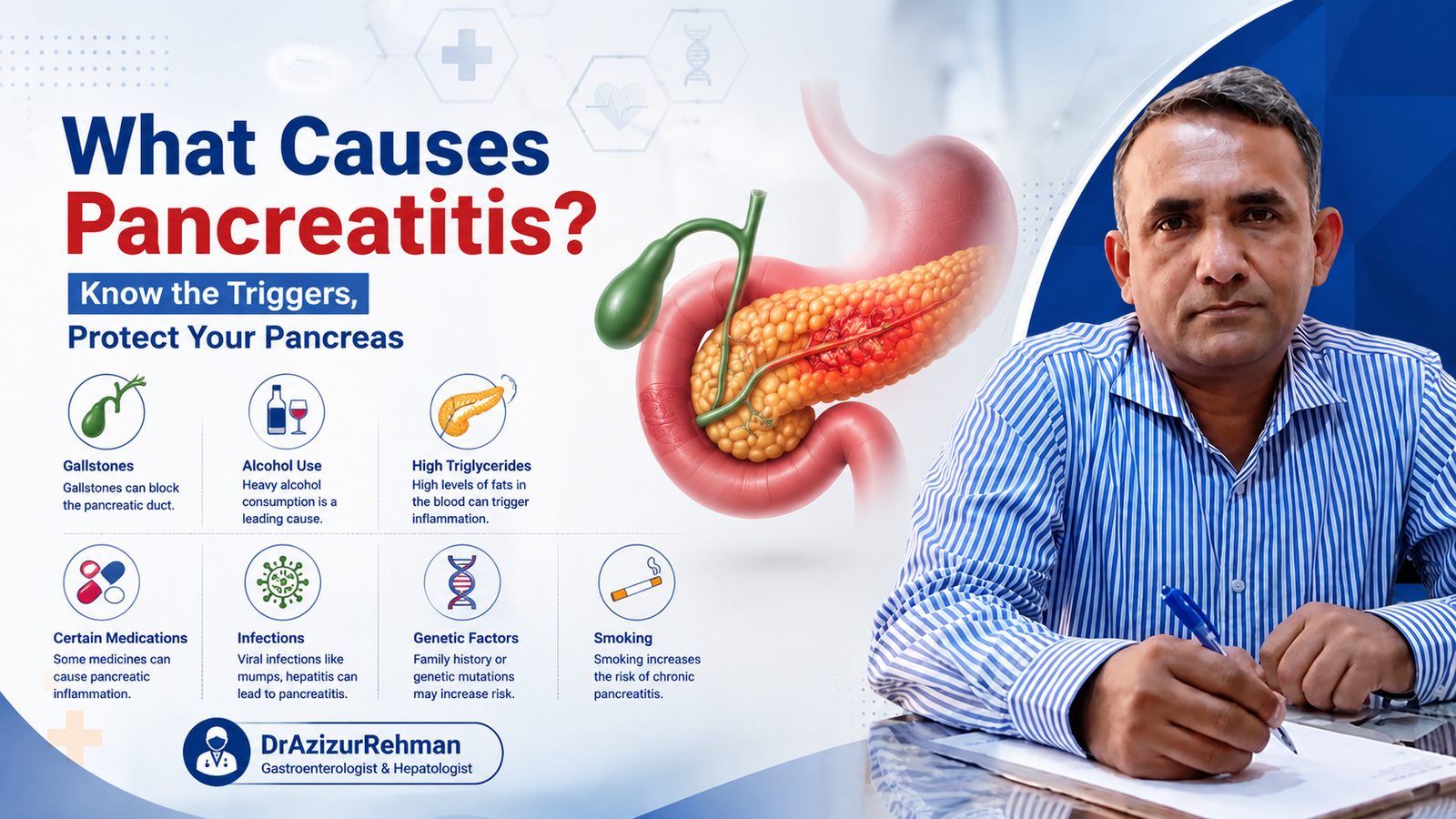
Several medical conditions and lifestyle factors can trigger pancreatic inflammation.
The most common causes include:
Gallstones
Gallstones may block the pancreatic duct, preventing digestive enzymes from flowing normally. Pressure builds inside the pancreas, triggering inflammation.
Gallstones account for a large percentage of acute pancreatitis cases worldwide.
Heavy Alcohol Use
Long-term alcohol consumption can damage pancreatic tissue and increase enzyme activation inside the pancreas.
Alcohol-induced pancreatitis often develops after years of frequent drinking, although it can occasionally occur after binge drinking.
High Triglycerides
Extremely elevated triglyceride levels may inflame the pancreas, especially when blood fat levels exceed 500 mg/dL.
Certain Medications
Some medicines have been associated with pancreatic inflammation, including:
- Certain antibiotics
- Some diabetes medications
- Immunosuppressants
- Anti-seizure drugs
Patients should never stop medication without medical advice.
Other Causes
Less common causes include:
- Abdominal injury
- Viral infections
- Autoimmune diseases
- Genetic disorders
- Pancreatic tumors
- High calcium levels
- Medical procedures such as ERCP
Despite extensive testing, some people develop idiopathic pancreatitis, meaning the exact cause remains unknown.
What Are the First Signs of Pancreatitis?
Recognizing symptoms early can help prevent serious complications.
Common symptoms include:
- Severe upper abdominal pain
- Pain spreading to the back
- Nausea
- Vomiting
- Fever
- Fast heartbeat
- Abdominal tenderness
- Loss of appetite
- Bloating
Many patients describe pancreatitis pain as intense, constant, and worse after eating.
Real-Life Example
Imagine someone enjoys a heavy dinner and suddenly develops severe pain beneath the ribs that radiates to the back.
Hours later, vomiting begins, and the pain becomes unbearable. Instead of treating it as indigestion, they visit the emergency department, where blood tests reveal elevated lipase levels and imaging confirms acute pancreatitis. Early treatment prevents serious complications.
How Serious Can Pancreatitis Become?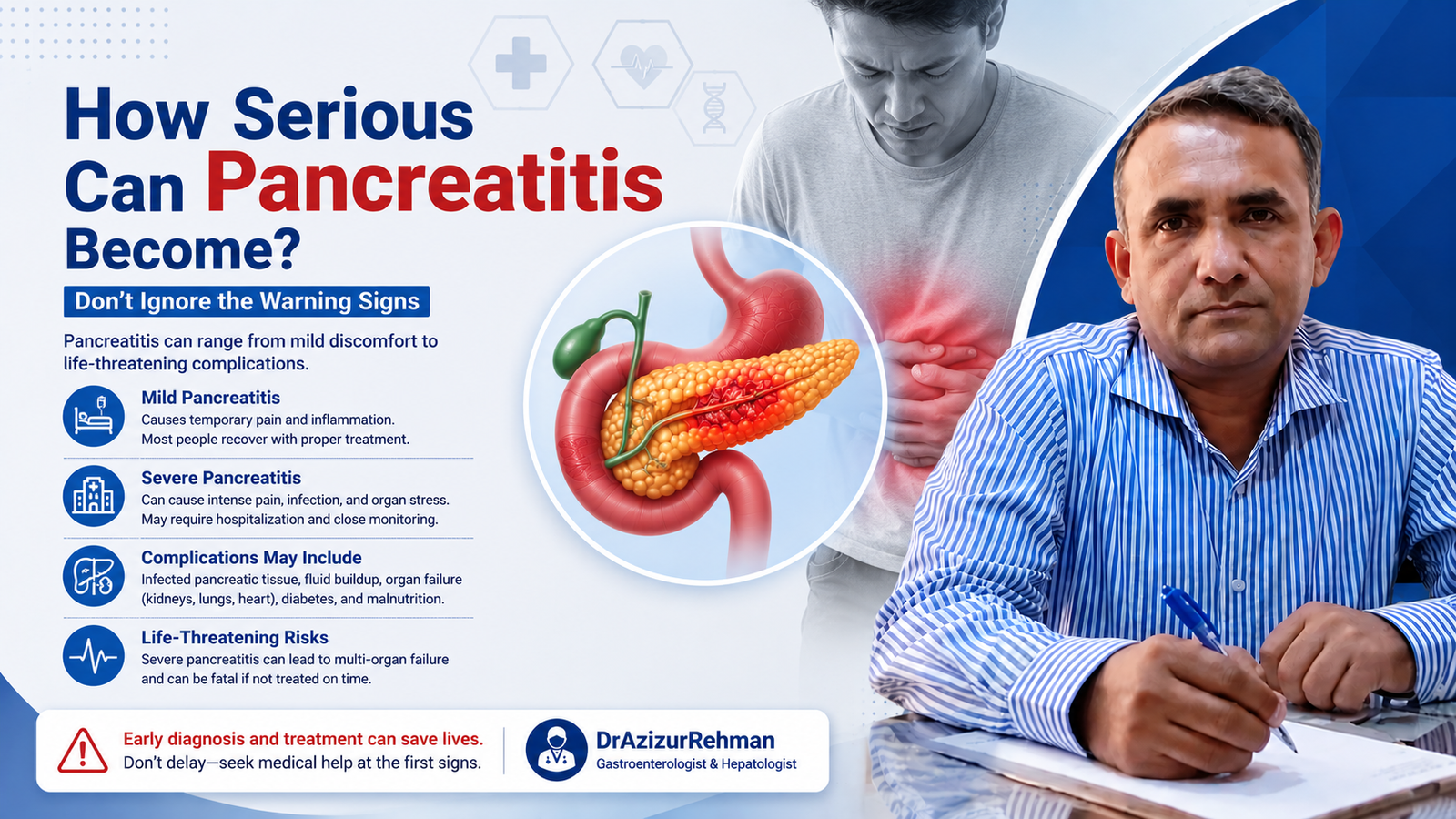
Not every case is life-threatening, but severe pancreatitis should never be ignored.
Mild Pancreatitis
Patients usually recover within several days after:
- Resting the pancreas
- Receiving intravenous fluids
- Managing pain
- Gradually restarting food intake
Severe Pancreatitis
Serious cases may involve:
- Pancreatic swelling
- Tissue death (necrosis)
- Infection
- Internal bleeding
- Organ failure
- Breathing problems
- Kidney injury
These complications often require intensive care hospitalization.
Prompt diagnosis significantly improves recovery outcomes.
How Do Doctors Diagnose Pancreatitis?
Doctors combine symptoms, physical examination, blood tests, and imaging studies to confirm pancreatic inflammation.
Common diagnostic tests include:
Blood Tests
Doctors measure pancreatic enzymes, especially:
- Lipase blood test
- Amylase blood test
Elevated levels strongly suggest pancreatitis.
Imaging Tests
Depending on the situation, imaging may include:
- Ultrasound to detect gallstones
- CT scan to evaluate pancreatic swelling
- MRI for detailed pancreatic anatomy
- Endoscopic ultrasound in selected patients
Imaging also helps identify complications such as fluid collections or pancreatic injury.
What Is the Best Treatment for Pancreatitis?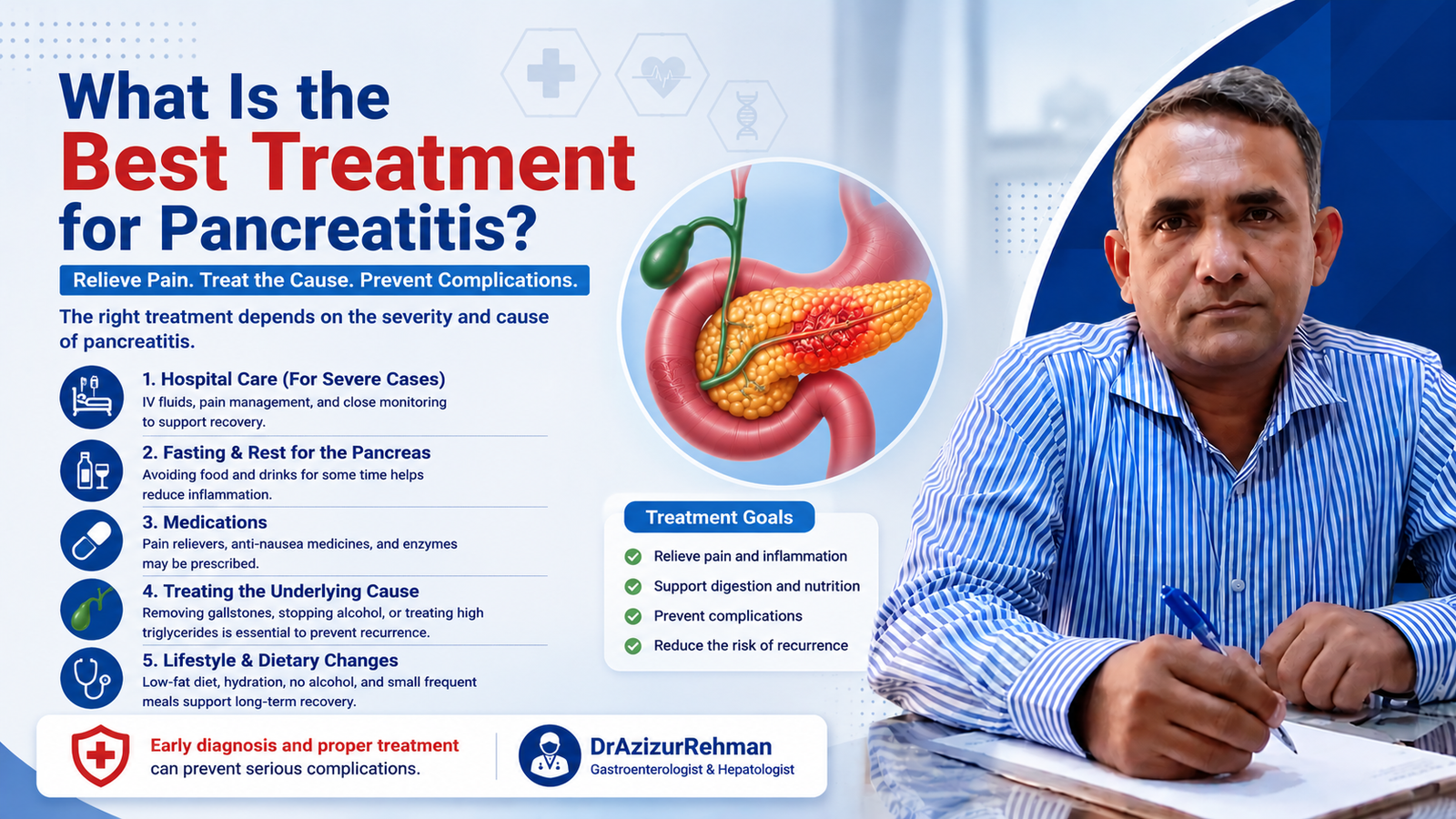
The right treatment depends on whether the condition is acute or chronic, what caused it, and whether complications have developed. Mild cases often improve within a few days, while severe pancreatitis may require intensive hospital care.
Treatment for Acute Pancreatitis
Most people with acute pancreatitis are admitted to the hospital so doctors can closely monitor their condition. Common treatments include:
- Intravenous (IV) fluids to prevent dehydration
- Pain-relieving medications
- Temporary fasting to allow the pancreas to rest
- Gradual reintroduction of clear liquids and soft foods
- Nutritional support if eating is not possible
- Antibiotics are only used if an infection is confirmed
- Surgery or endoscopic procedures if gallstones are blocking the pancreatic duct
Treatment for Chronic Pancreatitis
Chronic pancreatitis focuses on managing symptoms and preventing further pancreatic damage.
Treatment may include:
- Pancreatic enzyme replacement therapy
- Pain management
- Diabetes treatment if insulin production is affected
- A low-fat, nutrient-rich diet
- Avoiding alcohol completely
- Smoking cessation
- Surgery or endoscopic treatment for blocked ducts or persistent pain
Expert Tip
Never attempt to treat severe abdominal pain at home if pancreatitis is suspected. Early medical care greatly reduces the risk of complications.
What Foods Should You Avoid With Pancreatitis?
Diet plays a major role in both recovery and long-term pancreatic health. Eating the wrong foods can trigger pain and increase inflammation.
Foods to Avoid
If you have pancreatitis, limit or avoid:
- Fried foods
- Fatty cuts of meat
- Processed meats
- Fast food
- Full-fat dairy products
- Butter and cream
- Sugary drinks
- Cakes and pastries
- Highly processed snacks
- Alcohol
- Excessive caffeine, if it worsens symptoms
These foods increase the workload on the pancreas and may delay healing.
Foods That Support Recovery
A pancreas-friendly diet usually includes:
- Fresh fruits
- Vegetables
- Whole grains
- Skinless chicken
- Fish
- Beans and lentils
- Low-fat yogurt
- Brown rice
- Oats
- Plenty of water
Eating small, frequent meals instead of large portions can also reduce stress on the digestive system.
How Long Does Pancreatitis Recovery Take?
Recovery varies depending on the type and severity of the disease.
|
Type of Pancreatitis |
Typical Recovery Time |
|
Mild acute pancreatitis |
3–7 days |
|
Moderate pancreatitis |
1–3 weeks |
|
Severe pancreatitis |
Several weeks to months |
|
Chronic pancreatitis |
Long-term condition requiring ongoing management |
Factors that influence recovery include:
- Early diagnosis
- Age
- Overall health
- Cause of pancreatitis
- Presence of complications
- Following medical advice
- Maintaining a healthy diet
People who continue drinking alcohol or smoking often experience slower recovery and recurrent attacks.
Can Pancreatitis Become Chronic?
Yes. Repeated episodes of acute pancreatitis can permanently damage pancreatic tissue and lead to chronic pancreatitis.
Over time, chronic inflammation causes:
- Scarring of the pancreas
- Reduced digestive enzyme production
- Poor nutrient absorption
- Chronic abdominal pain
- Weight loss
- Diabetes due to reduced insulin production
Although chronic pancreatitis cannot usually be reversed, proper treatment can control symptoms and improve quality of life.
Can Pancreatitis Lead to Pancreatic Cancer?
Most people with a single episode of acute pancreatitis do not develop pancreatic cancer.
However, long-standing chronic pancreatitis may increase the risk, particularly in people who:
- Smoke
- Drink excessive alcohol
- Have hereditary pancreatitis
- Have certain genetic mutations
- Experience chronic pancreatic inflammation for many years
Regular follow-up with a pancreas specialist is important for people with chronic pancreatic disease.
Who Is Most at Risk of Pancreatitis?
Anyone can develop pancreatitis, but certain factors increase the likelihood.
Major Risk Factors
- Gallstones
- Heavy alcohol use
- Smoking
- High triglyceride levels
- Obesity
- Diabetes
- Family history
- Autoimmune diseases
- Certain medications
- Previous pancreatic injury
People with multiple risk factors should discuss preventive strategies with their healthcare provider.
Can Pancreatitis Be Prevented?
While not every case is preventable, healthy lifestyle choices can significantly reduce your risk.
Best Prevention Tips
- Maintain a healthy body weight.
- Limit or avoid alcohol.
- Stop smoking.
- Eat a balanced, low-fat diet.
- Exercise regularly.
- Control cholesterol and triglyceride levels.
- Manage diabetes effectively.
- Stay hydrated.
- Seek treatment for gallstones if recommended.
- Attend regular medical checkups if you have recurrent pancreatitis.
Small daily habits can make a big difference in protecting your pancreas over time.
Acute vs Chronic Pancreatitis: What’s the Difference?
|
Feature |
Acute Pancreatitis |
Chronic Pancreatitis |
|
Onset |
Sudden |
Gradual |
|
Duration |
Days to weeks |
Months or years |
|
Pancreatic Damage |
Usually reversible |
Permanent |
|
Pain |
Severe and sudden |
Recurring or constant |
|
Digestive Problems |
Temporary |
Common |
|
Diabetes Risk |
Lower |
Higher |
|
Treatment Goal |
Resolve inflammation |
Manage symptoms and prevent progression |
When Should You See a Doctor?
Seek immediate medical attention if you experience:
- Sudden severe upper abdominal pain
- Pain that spreads to your back
- Persistent vomiting
- High fever
- Yellowing of the skin or eyes
- Difficulty breathing
- Fainting or confusion
- Severe dehydration
These symptoms may indicate a medical emergency requiring prompt treatment.
Frequently Asked Questions
What causes pancreatitis?
The most common causes are gallstones and heavy alcohol use. Other causes include high triglyceride levels, certain medications, abdominal injuries, infections, autoimmune diseases, and genetic conditions.
Is pancreatitis dangerous?
Yes. Mild cases often recover with treatment, but severe pancreatitis can lead to infections, organ failure, tissue damage, and other life-threatening complications if left untreated.
can pancreatitis go away on its own?
Mild pancreatitis may improve with supportive medical care, but it should never be ignored or self-treated. A doctor should always evaluate symptoms because severe cases require hospitalization.
What is pancreatitis pain like?
Pancreatitis pain is typically severe, constant, and located in the upper abdomen. It often spreads to the back and may worsen after eating, especially high-fat meals.
Can children develop pancreatitis?
Yes. Although less common than in adults, children can develop pancreatitis due to infections, certain medications, genetic disorders, abdominal trauma, or structural abnormalities of the pancreas. Early diagnosis is important for successful treatment.
Conclusion
Knowing what is pancreatitis can help you recognize early symptoms, seek timely medical care, and reduce the risk of serious complications.
Whether the condition is caused by gallstones, alcohol, high triglycerides, or another underlying problem, early diagnosis and appropriate treatment offer the best chance of recovery.
A healthy lifestyle, balanced diet, regular medical follow-up, and avoiding known risk factors can protect your pancreas and improve long-term health.
If you develop persistent upper abdominal pain or other warning signs, don’t ignore them—consult a qualified healthcare professional as soon as possible.