
Many people live with a hepatitis B infection for years without noticing any clear warning signs.
This makes the condition difficult to detect and increases the risk of long-term liver problems.
Knowing the early changes in your body can help you seek medical advice at the right time.
The hepatitis B virus (HBV) affects the liver and can cause inflammation, fatigue, and other health changes.
Some people develop noticeable symptoms within weeks, while others may not experience any signs for years.
This difference often confuses patients who wonder, “What are the symptoms of hepatitis B, and how do I know if I have it?”
This guide explains common symptoms, early warning signs, different stages of infection, treatment options, and practical steps to protect your liver health.
Quick Answer: Hepatitis B symptoms include fatigue, loss of appetite, nausea, mild fever, dark urine, abdominal pain, jaundice, and joint pain.
Some people develop symptoms within one to four months after exposure, while others have no symptoms for years. Blood tests are the only reliable way to confirm hepatitis B.
What Are the Symptoms of Hepatitis B and How Does the Infection Affect Your Body?
Hepatitis B symptoms vary depending on whether the infection is acute hepatitis B (short-term infection) or chronic hepatitis B (long-lasting infection).
The hepatitis B virus attacks liver cells, causing inflammation. Your immune system tries to fight the virus, and this immune response can create many symptoms.
Some people may experience:
- Extreme tiredness or weakness
- Loss of appetite
- Nausea or vomiting
- Mild fever
- Stomach discomfort
- Dark-colored urine
- Yellowing of the eyes or skin (jaundice)
- Joint pain
- Pale-colored stool
According to organizations such as the World Health Organization, hepatitis B remains a major global health concern because many infections become chronic without proper diagnosis and monitoring.
A person can carry the virus and spread it to others even when they feel completely healthy.
What Are the Early Hepatitis B Symptoms That People Often Miss?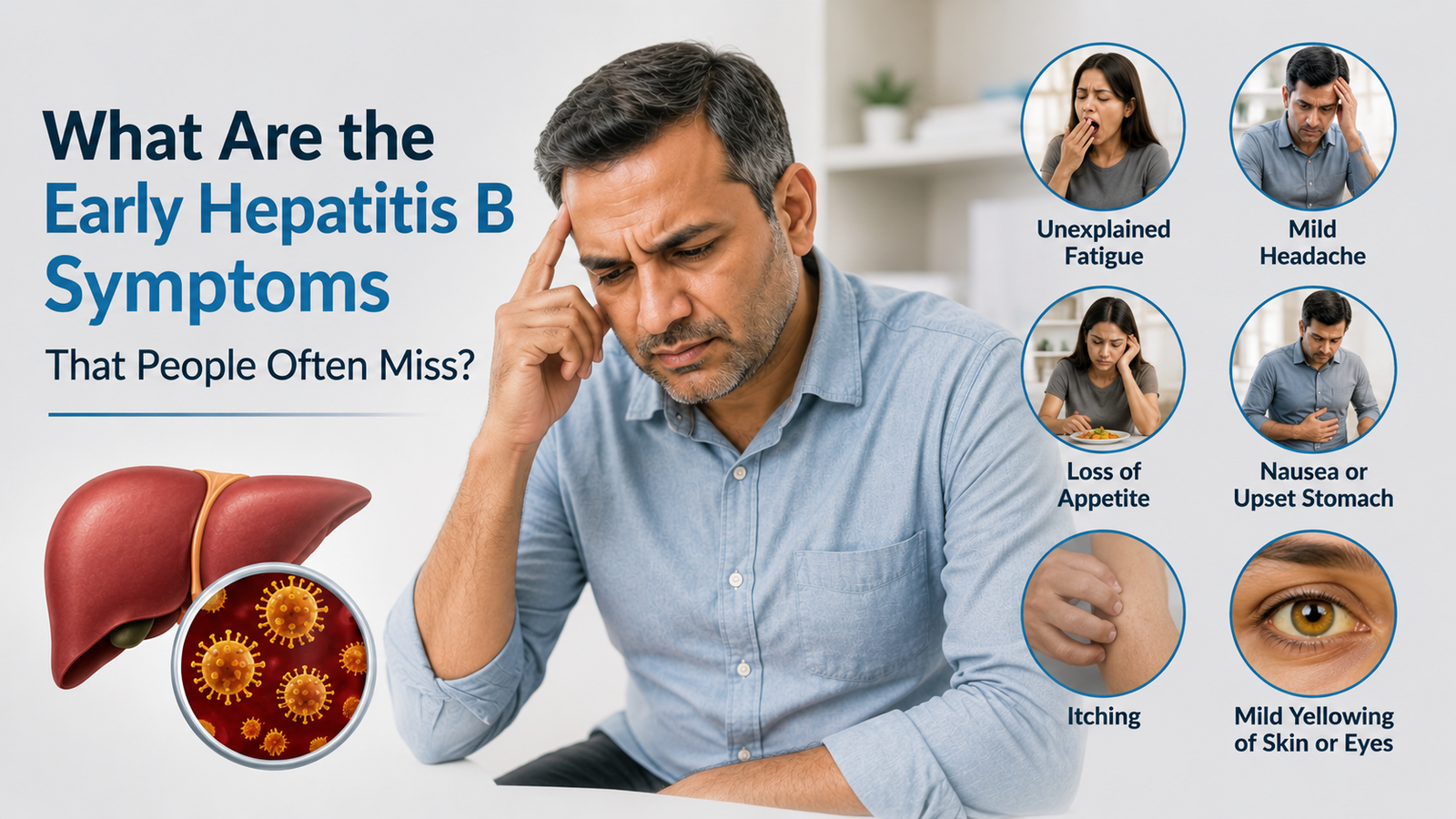
The first signs of hepatitis B are usually mild and may look like common illnesses such as flu or stomach problems.
Many people ignore these changes because they do not seem serious.
Common early hepatitis B symptoms include:
- Unusual tiredness after normal activities
- Reduced appetite
- Feeling generally unwell
- Low-grade fever
- Muscle or body aches
- Mild abdominal discomfort
For example, someone may notice they feel exhausted every day despite getting enough sleep.
They may assume it is stress, workload, or poor diet. However, persistent fatigue combined with other symptoms may require medical evaluation.
Early detection matters because treatment and monitoring can reduce the chance of serious liver complications.
How Do Hepatitis B Symptoms in Adults Usually Appear?
Hepatitis B symptoms in adults can be different from person to person. Some adults develop strong symptoms, while others remain symptom-free.
Adults with a new infection may experience:
- Flu-like symptoms
- Appetite changes
- Nausea
- Pain around the liver area (upper right side of the abdomen)
- Jaundice
- Dark urine
- Severe tiredness
Adults are more likely than children to develop noticeable symptoms after infection.
However, symptoms alone cannot confirm hepatitis B because many other conditions can cause similar signs.
The only reliable way to know your status is through blood testing, including hepatitis B surface antigen (HBsAg) testing and other liver-related tests recommended by a healthcare professional.
What Are the Acute Hepatitis B Symptoms and How Long Do They Last?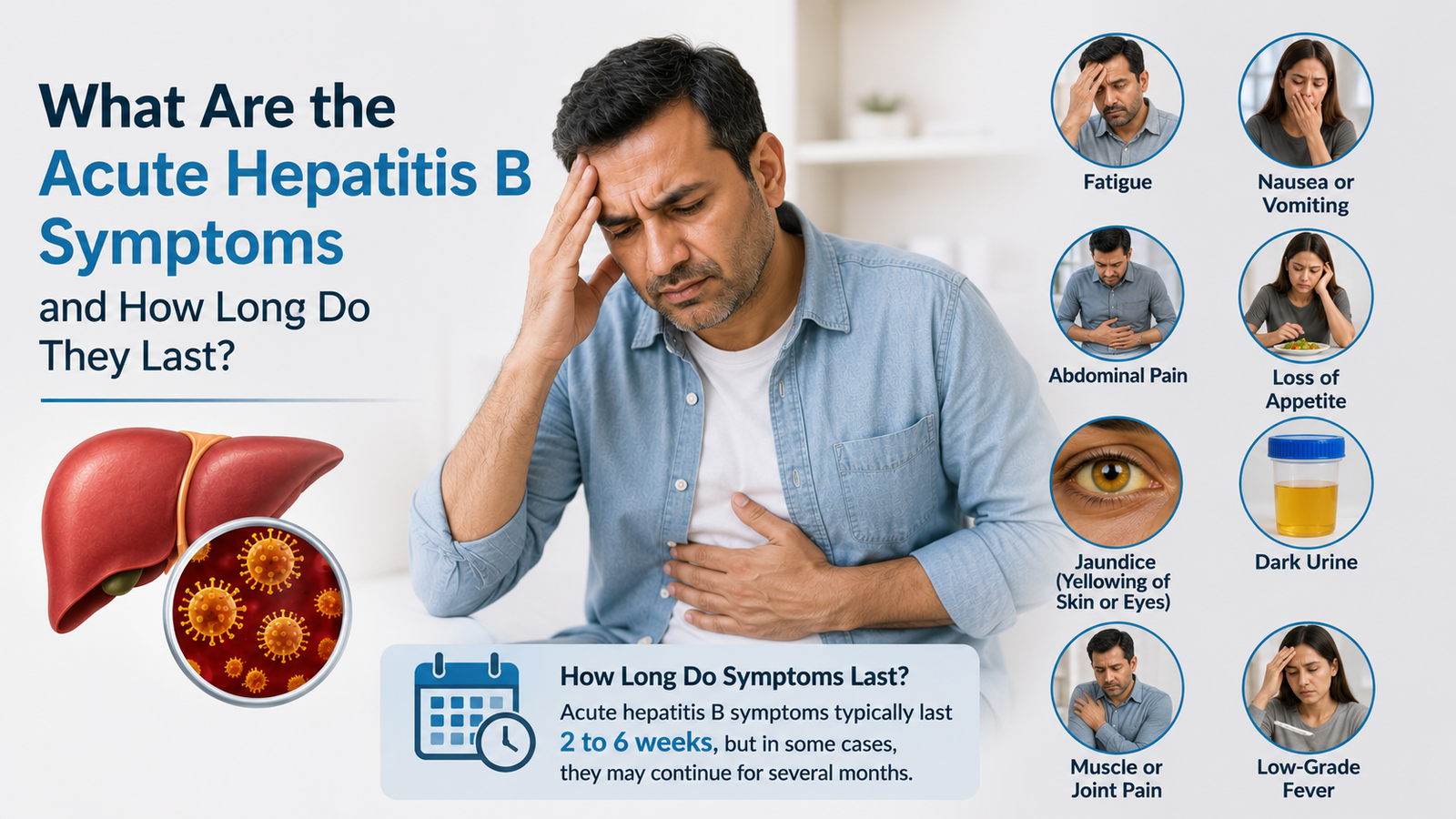
Acute hepatitis B refers to a recent infection that lasts less than six months. Many healthy adults recover naturally, but some may develop more noticeable symptoms.
Acute hepatitis B symptoms may include:
- Sudden fatigue
- Fever
- Nausea and vomiting
- Loss of appetite
- Abdominal pain
- Dark urine
- Yellow skin or eyes
- Joint discomfort
The hepatitis B symptoms timeline usually begins around 1 to 4 months after exposure, although timing can vary.
Some people recover completely, while others may develop chronic infection. Regular medical follow-up helps determine whether the virus has cleared or remains active.
How Do Chronic Hepatitis B Symptoms Differ From Acute Infection?
Chronic hepatitis B develops when the virus remains in the body for more than six months. This condition can silently damage the liver over time.
Many people with chronic infection do not notice symptoms in the beginning.
Possible chronic hepatitis B symptoms include:
- Ongoing tiredness
- Weakness
- Occasional abdominal discomfort
- Poor appetite
- Liver-related complications in advanced stages
Long-term infection may increase the risk of:
- Liver fibrosis
- Cirrhosis
- Liver failure
- Liver cancer
Regular monitoring with liver function tests and medical checkups is important for people living with chronic hepatitis B.
How Do You Know If You Have Hepatitis B?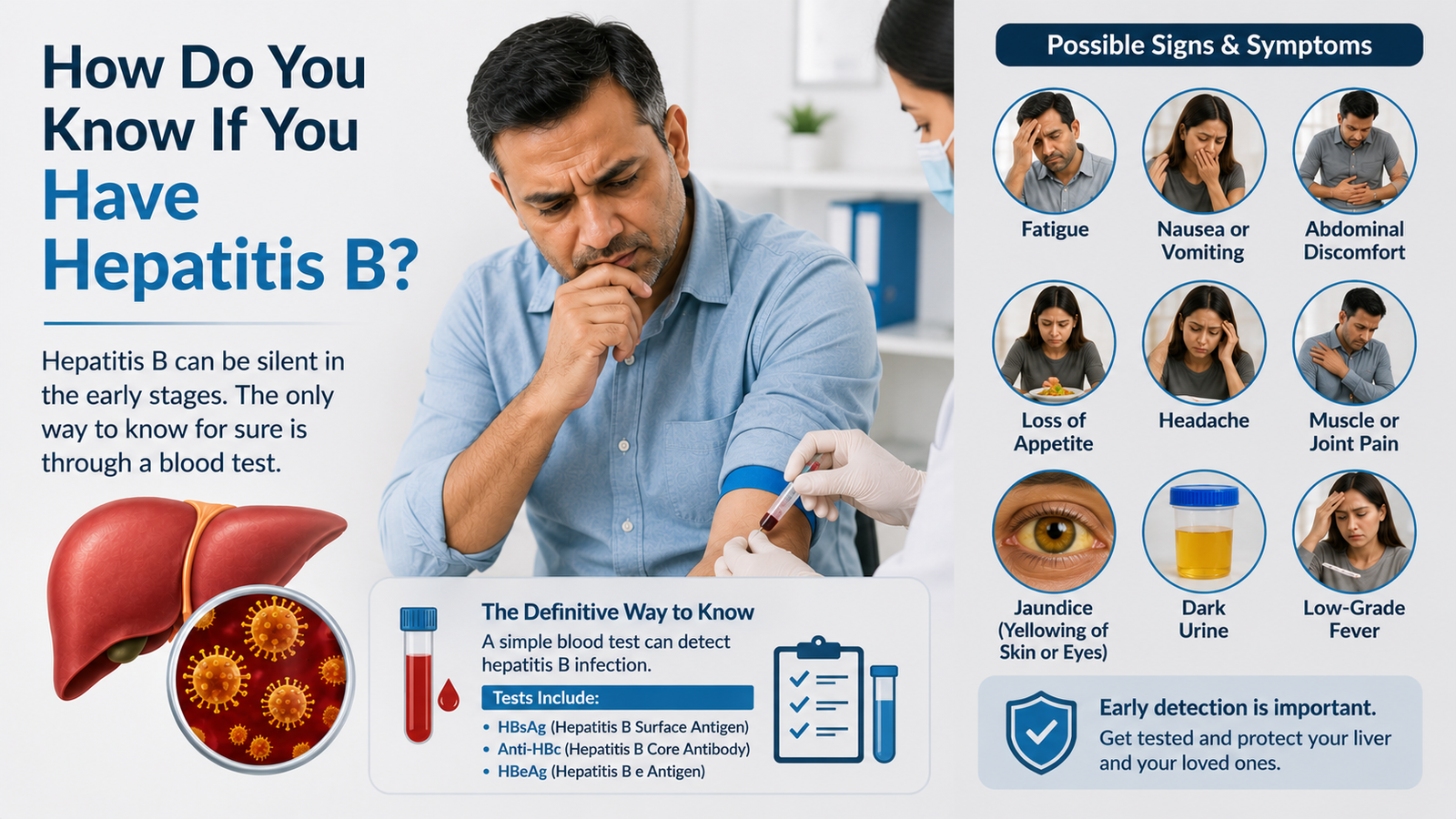
Many people ask, “How do you know if you have hepatitis B?” The answer is simple: symptoms alone are not enough.
A healthcare provider usually confirms hepatitis B through blood tests, including:
- HBsAg test (detects hepatitis B surface antigen)
- Anti-HBs test (checks immunity)
- Anti-HBc test (shows past or current exposure)
- HBV DNA test (measures virus activity)
Testing is especially important if you:
- Had contact with infected blood
- Have a partner with hepatitis B
- Were born in an area where hepatitis B is common
- Have unexplained liver problems
- Work in healthcare settings
Many infections are discovered during routine health screenings.
What Is the Difference Between Hepatitis B Symptoms vs Hepatitis C Symptoms?
Hepatitis B and hepatitis C both affect the liver, but they are caused by different viruses.
|
Feature |
Hepatitis B |
Hepatitis C |
|
Virus type |
HBV |
HCV |
|
Spread |
Blood and body fluids |
Mainly blood exposure |
|
Vaccine available |
Yes |
No |
|
Acute symptoms |
Possible |
Often mild or absent |
|
Chronic infection risk |
Depends on age and immune response |
Common without treatment |
|
Treatment |
Antiviral medicines and monitoring |
Modern antiviral medicines can often cure an infection |
Both conditions require medical evaluation because liver damage can occur without obvious symptoms.
What Causes Hepatitis B Infection and Who Is at Risk?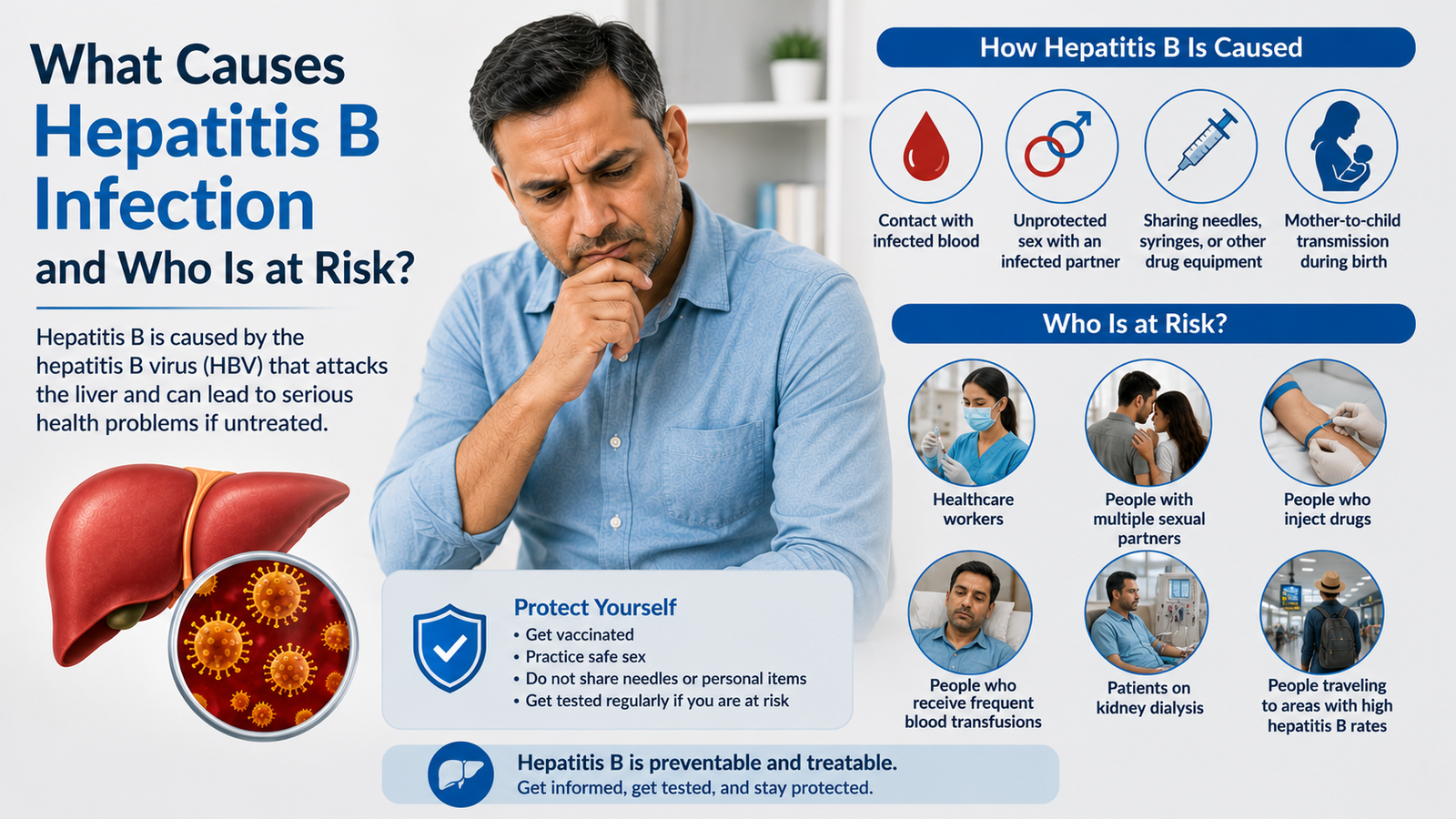
Hepatitis B spreads when infected blood or body fluids enter another person’s body.
Common transmission routes include:
- Unprotected sexual contact
- Sharing needles
- Unsafe medical procedures
- An infected mother passes the virus to the baby during childbirth
- Exposure to infected blood
Higher-risk groups include:
- Healthcare workers
- People with multiple sexual partners
- Individuals exposed to infected blood
- Newborns of infected mothers
The hepatitis B vaccine is one of the most effective ways to prevent infection.
What Are the Treatment Options for Hepatitis B Symptoms and Treatment?
Hepatitis B symptoms and treatment depend on the type and stage of infection.
For acute hepatitis B:
- Doctors often recommend rest, hydration, and symptom management.
- Many healthy adults recover without long-term medication.
For chronic hepatitis B:
Doctors may recommend antiviral medicines that help control the virus and protect liver health.
Treatment plans may include:
- Regular liver monitoring
- Blood tests
- Ultrasound scans when needed
- Antiviral therapy for eligible patients
Medicines may not remove the virus completely in every case, but they can reduce viral activity and lower the risk of complications.
Always follow advice from qualified healthcare professionals instead of using unverified treatments.
What Lifestyle Changes Support Liver Health With Hepatitis B?
People living with hepatitis B can protect their liver by making healthy choices.
Helpful habits include:
- Avoiding alcohol
- Maintaining a balanced diet
- Exercising regularly
- Avoiding unnecessary medicines or supplements without medical advice
- Getting regular checkups
- Protecting family members through vaccination
A healthy lifestyle does not replace medical care, but it supports overall liver function.
What Common Mistakes Should People Avoid After a Hepatitis B Diagnosis?
Many people panic after receiving a hepatitis B diagnosis. However, informed decisions make a major difference.
Avoid these mistakes:
- Ignoring regular medical appointments
- Stopping prescribed medication without advice
- Sharing razors or personal items
- Assuming no symptoms means no risk
- Using herbal remedies without discussing them with a doctor
Hepatitis B can often be managed effectively with proper monitoring.
When Should You See a Doctor About Hepatitis B Symptoms?
Seek medical advice if you experience:
- Yellow eyes or skin
- Persistent fatigue
- Dark urine
- Severe abdominal pain
- Unexplained nausea
- Possible exposure to hepatitis B
Early testing can provide clarity and help prevent future health problems.
FAQs
Can hepatitis B go away on its own?
Yes, many adults with acute hepatitis B recover naturally as their immune system clears the virus. However, some infections become chronic and require medical monitoring.
What is the first sign of hepatitis B?
The first signs of hepatitis B may include tiredness, loss of appetite, mild fever, nausea, and general weakness. Some people have no early symptoms.
Can you have hepatitis B without symptoms?
Yes. Many people with chronic hepatitis B feel healthy for years while the virus continues affecting the liver.
How long after exposure do hepatitis B symptoms appear?
Symptoms may appear about 1 to 4 months after exposure, but some people never develop noticeable symptoms.
Is hepatitis B completely curable?
Acute hepatitis B can often clear naturally. Chronic hepatitis B may not always be completely eliminated, but modern treatments can control the virus and reduce the risk of liver damage.
Conclusion
Recognizing hepatitis b symptoms early can help protect your liver and improve health outcomes.
Symptoms may appear suddenly in acute infection or remain hidden for years in chronic cases.
Because many people do not notice clear signs, testing is the best way to confirm infection.
If you notice warning signs, have possible exposure, or belong to a higher-risk group, consult a healthcare professional for proper evaluation.
Early action, vaccination, and regular monitoring play an important role in managing hepatitis B effectively.