
Digestive health problems are becoming increasingly common, affecting people of different ages and lifestyles.
Issues like stomach pain, acidity, bloating, constipation, diarrhea, liver problems, and unexplained weight changes can interfere with daily life and overall wellness.
Many people ignore digestive symptoms until they become severe because they believe stomach issues are temporary.
However, persistent digestive problems may indicate conditions that require professional medical attention.
Choosing the right specialist can make a major difference in diagnosis, treatment, and long-term health outcomes.
Finding the best gastroenterologist in Pakistan means looking beyond a doctor’s title.
A qualified gastroenterology specialist combines medical expertise, advanced diagnostic skills, experience with digestive disorders, and a patient-focused approach.
This guide explains how gastroenterologists help patients, what conditions they treat, how to choose the right specialist, and what steps you can take to maintain better digestive health.
What Does a Gastroenterologist Do and Why Is This Specialist Important?
A gastroenterologist is a medical doctor who specializes in diagnosing and treating disorders related to the digestive system. The digestive system includes the:
- Esophagus
- Stomach
- Small intestine
- Large intestine (colon)
- Liver
- Gallbladder
- Pancreas
Unlike a general physician who manages common health concerns, a gastroenterology doctor receives specialized training to handle complex digestive conditions.
A gastroenterologist can evaluate symptoms such as:
- Chronic stomach pain
- Acid reflux and heartburn
- Difficulty swallowing
- Persistent constipation
- Frequent diarrhea
- Blood in stool
- Liver-related concerns
- Irritable bowel syndrome (IBS)
- Inflammatory bowel disease (IBD)
Early consultation helps identify problems before they become more serious. For example, ongoing acidity may sometimes relate to gastroesophageal reflux disease (GERD), while unexplained fatigue and abdominal swelling may require liver evaluation.
What Conditions Does a Gastroenterologist Treat?
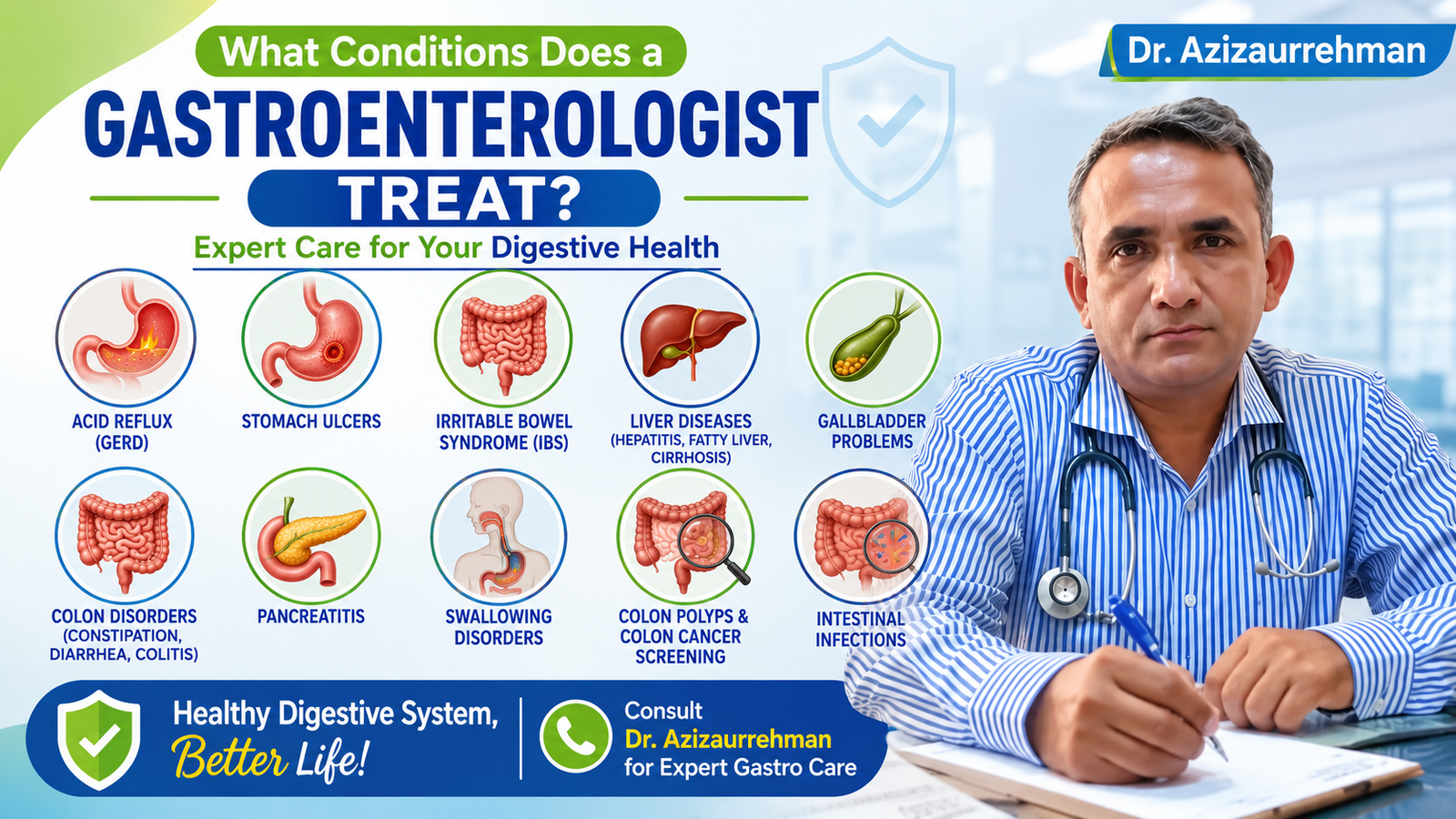
Gastroenterologists manage a wide range of digestive and gastrointestinal diseases.
Common stomach and digestive conditions include:
- Acid Reflux and GERD
Acid reflux occurs when stomach acid moves upward into the esophagus. Symptoms may include:
- Burning sensation in the chest
- Sour taste in the mouth
- Frequent burping
- Night-time discomfort
A specialist may recommend lifestyle changes, medication, or further testing depending on severity.
- Irritable Bowel Syndrome (IBS)
IBS is a common digestive disorder that affects bowel habits. Patients may experience:
- Abdominal cramps
- Gas
- Bloating
- Constipation or diarrhea
Treatment usually focuses on diet management, stress control, and symptom-based medical care.
- Gastritis and Stomach Ulcers
Inflammation of the stomach lining can cause pain, nausea, and discomfort. A gastroenterologist may check for infections such as Helicobacter pylori (H. pylori), which is linked to many stomach ulcers.
- Liver Diseases
Gastroenterologists also manage liver conditions, including:
- Fatty liver disease
- Hepatitis
- Liver inflammation
- Cirrhosis
Healthy lifestyle choices and timely medical monitoring play an important role in liver protection.
- Colon and Intestinal Disorders
These may include:
- Crohn’s disease
- Ulcerative colitis
- Colon polyps
- Chronic diarrhea
Advanced evaluation may involve procedures like a colonoscopy.
How Can You Find the Best Gastroenterologist in Pakistan?
Choosing a digestive health specialist requires careful research. The right doctor should have proper qualifications, experience, and a reputation for quality patient care.
Consider these important factors:
Medical Qualifications and Training
Look for specialists who have:
- Recognized medical degrees
- Gastroenterology specialization
- Relevant hospital experience
- Professional certifications
Doctors connected with reputable medical institutions often stay updated with modern treatment methods.
Experience With Your Specific Condition
A doctor experienced in treating your condition may provide better guidance.
For example:
- A patient with liver disease may need a hepatology-focused gastroenterologist.
- Someone with chronic acidity may benefit from a doctor experienced in reflux management.
- A patient requiring an endoscopy should choose a specialist skilled in diagnostic procedures.
Patient Communication Style
A good specialist listens carefully and explains:
- Possible causes
- Available treatments
- Lifestyle changes
- Follow-up requirements
Clear communication builds trust and helps patients make informed healthcare decisions.
What Should You Expect During a Gastroenterology Appointment?
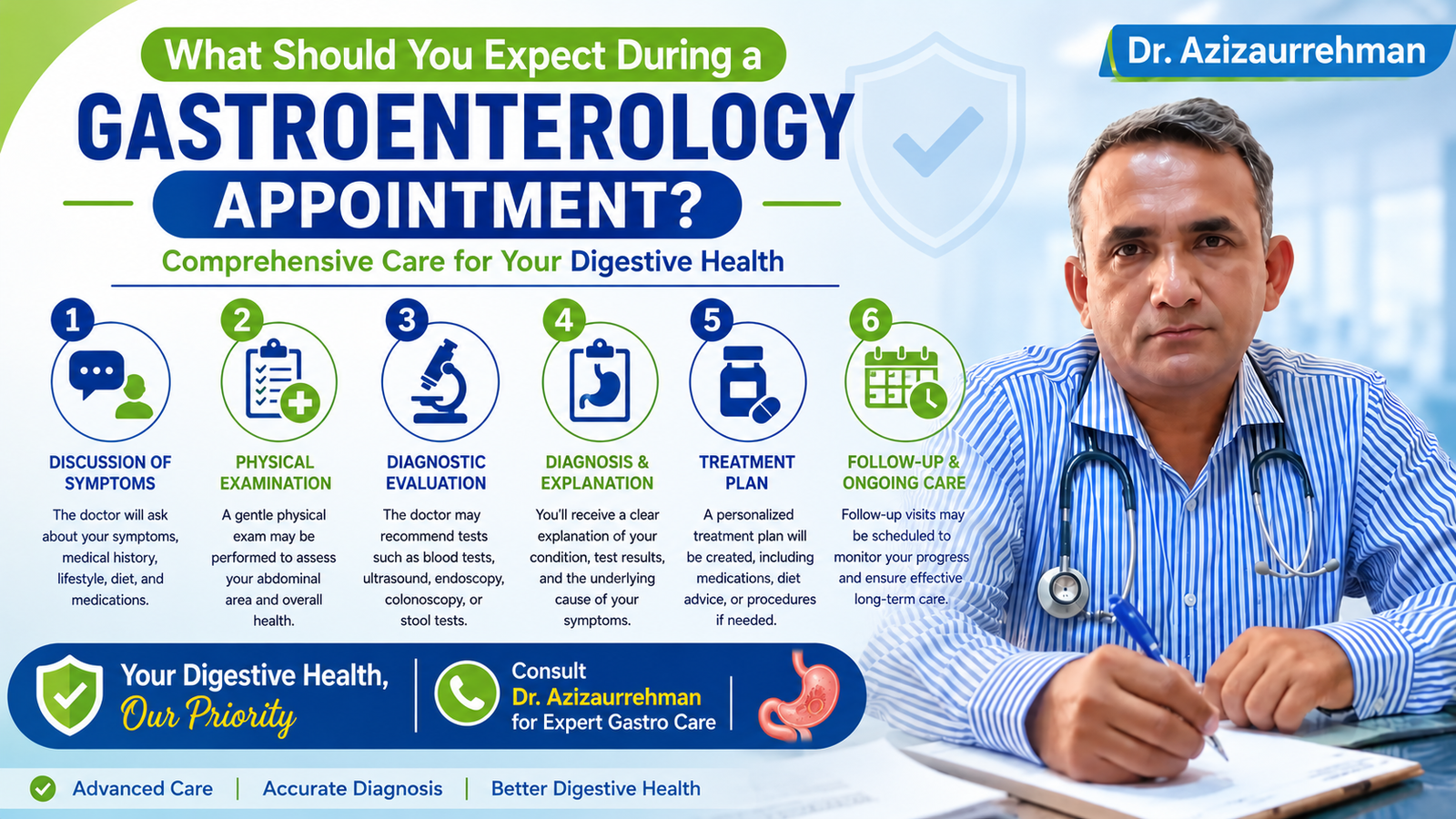
Many patients feel nervous before visiting a specialist. Knowing what happens during a consultation can reduce anxiety.
A typical appointment may include:
Medical History Review
The doctor may ask about:
- Current symptoms
- Eating habits
- Previous medical conditions
- Family health history
- Medication use
Physical Examination
The specialist may perform basic examinations to identify possible causes.
Diagnostic Tests
Depending on symptoms, the doctor may recommend:
- Blood tests
- Ultrasound
- Endoscopy
- Colonoscopy
- Liver function tests
- Stool tests
Not every patient needs advanced testing. A qualified doctor recommends procedures only when medically necessary.
Which Signs Mean You Should Visit a Gastroenterologist?
Some digestive symptoms should not be ignored.
Seek specialist advice if you experience:
- Continuous abdominal pain
- Unexplained weight loss
- Blood in stool
- Difficulty swallowing
- Persistent vomiting
- Yellowing of eyes or skin
- Long-term diarrhea
- Severe constipation
- Symptoms that do not improve with basic treatment
For example, occasional acidity after a heavy meal may not be serious. However, frequent heartburn several times a week may require medical evaluation.
How Does a Gastroenterologist Diagnose Digestive Problems?
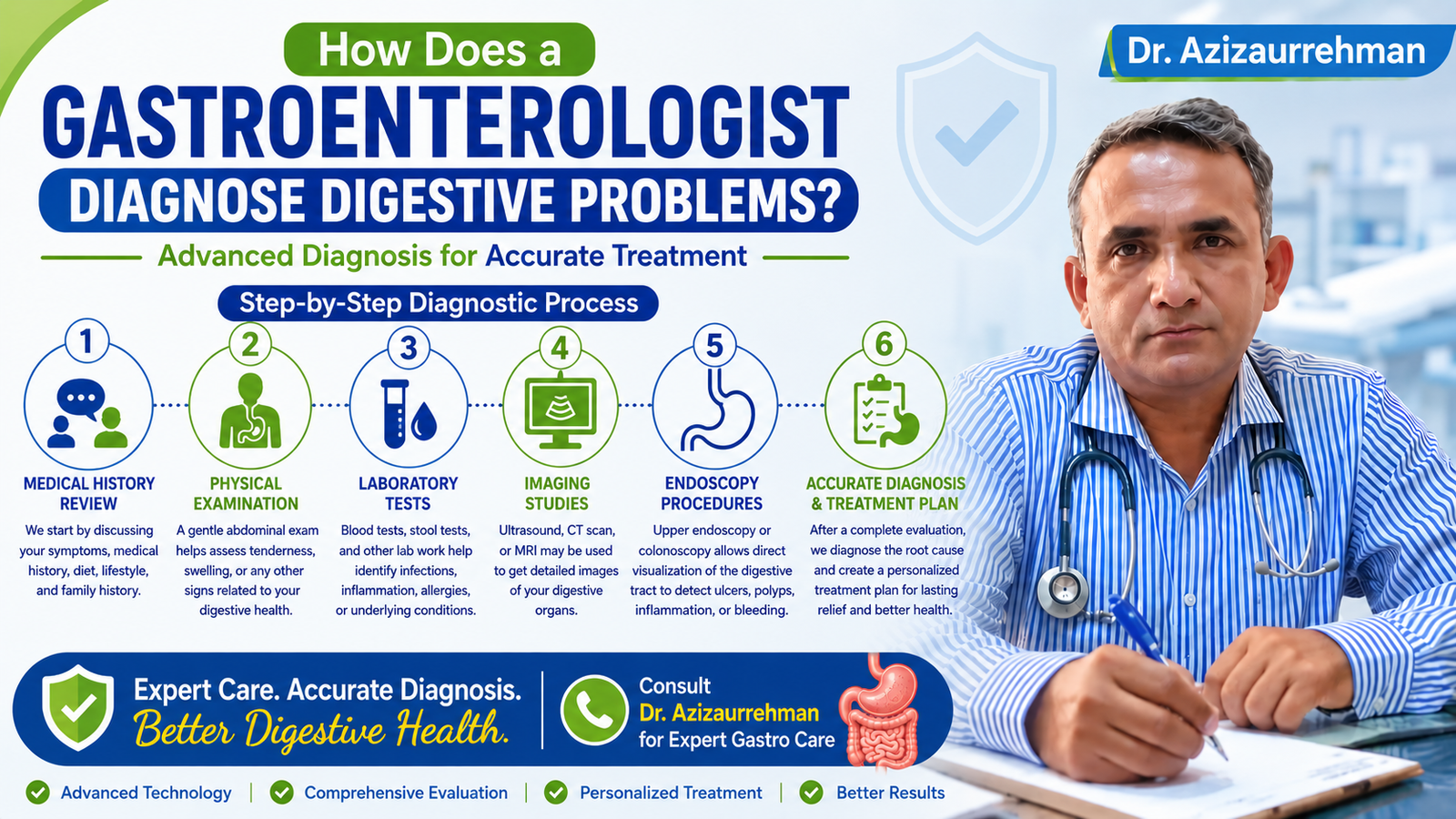
Modern gastroenterology uses advanced diagnostic methods to identify digestive conditions accurately.
Common procedures include:
Test | Purpose |
Endoscopy | Examines the upper digestive tract |
Colonoscopy | Checks the colon and detects abnormalities |
Ultrasound | Evaluates liver, gallbladder, and abdominal organs |
Blood Tests | Identifies inflammation, infection, or liver issues |
Biopsy | Examines tissue changes when needed |
These tests help doctors create personalized treatment plans instead of relying only on symptoms.
What Treatments Do Gastroenterologists Provide?
Treatment depends on the condition, severity, and patient health.
Common approaches include:
Medication Management
Doctors may prescribe medicines for:
- Acid control
- Infections
- Inflammation
- Digestive discomfort
Lifestyle Recommendations
Many digestive problems improve with:
- Balanced nutrition
- Regular physical activity
- Adequate hydration
- Better sleep habits
- Stress management
Advanced Procedures
Some patients may require procedures such as:
- Endoscopic treatments
- Polyp removal
- Specialized liver procedures
A good specialist explains every treatment option before moving forward.
What Lifestyle Habits Support Better Digestive Health?

Healthy daily habits can protect your digestive system.
Experts commonly recommend:
- Eating more fiber-rich foods
- Drinking enough water
- Avoiding excessive oily foods
- Limiting unnecessary painkillers
- Maintaining a healthy weight
- Exercising regularly
For example, someone with frequent bloating may benefit from tracking food triggers and discussing them with a healthcare professional.
What Mistakes Should Patients Avoid When Choosing a Gastroenterologist?
Many people make decisions based only on online rankings or low consultation fees. However, quality healthcare requires deeper evaluation.
Avoid:
- Ignoring qualifications
- Delaying treatment for serious symptoms
- Self-medicating for long periods
- Choosing a doctor without checking experience
The most suitable specialist is the one who matches your health needs and provides evidence-based care.
Why Is Choosing the Best Gastroenterologist in Pakistan Important for Long-Term Health?
Digestive disorders can affect nutrition, energy levels, and quality of life. The right specialist helps identify the root cause instead of only treating symptoms.
A skilled gastroenterologist provides:
- Accurate diagnosis
- Personalized treatment
- Preventive guidance
- Monitoring of chronic conditions
Patients with long-term problems such as IBS, liver disease, or inflammatory bowel conditions often benefit from continuous medical support.
How Much Does Gastroenterology Treatment Usually Cost in Pakistan?
The cost varies depending on:
- Doctor experience
- City and healthcare facility
- Required tests
- Treatment complexity
Consultation fees, diagnostic procedures, and medications may differ between hospitals and clinics.
Patients should focus on receiving appropriate care rather than choosing only the cheapest option.
FAQs
When should I visit a gastroenterologist?
You should visit a gastroenterologist if you have ongoing stomach pain, frequent acidity, unexplained weight loss, blood in stool, persistent diarrhea, constipation, or other digestive symptoms that do not improve.
What is the difference between a gastroenterologist and a general doctor?
A general doctor treats common health issues, while a gastroenterologist has specialized training in digestive system diseases, liver problems, and advanced diagnostic procedures.
Can a gastroenterologist treat liver problems?
Yes, many gastroenterologists diagnose and manage liver-related conditions such as fatty liver disease, hepatitis, and other liver disorders
Are endoscopy and colonoscopy painful?
Most patients tolerate these procedures well. Doctors use modern techniques and sedation options to improve comfort during examinations.
How do I choose a good gastroenterologist near me?
Check medical qualifications, experience, patient reviews, hospital affiliation, and whether the doctor specializes in your specific digestive condition.
Conclusion
Digestive health plays an essential role in overall wellness. Finding the best gastroenterologist in Pakistan requires looking at qualifications, experience, communication skills, and the ability to provide personalized care.
Whether you are dealing with acidity, stomach pain, liver concerns, or complex digestive conditions, consulting a qualified specialist can help you receive proper diagnosis and effective treatment.
Do not ignore persistent digestive symptoms. Taking timely medical advice is one of the best steps toward maintaining a healthier future.